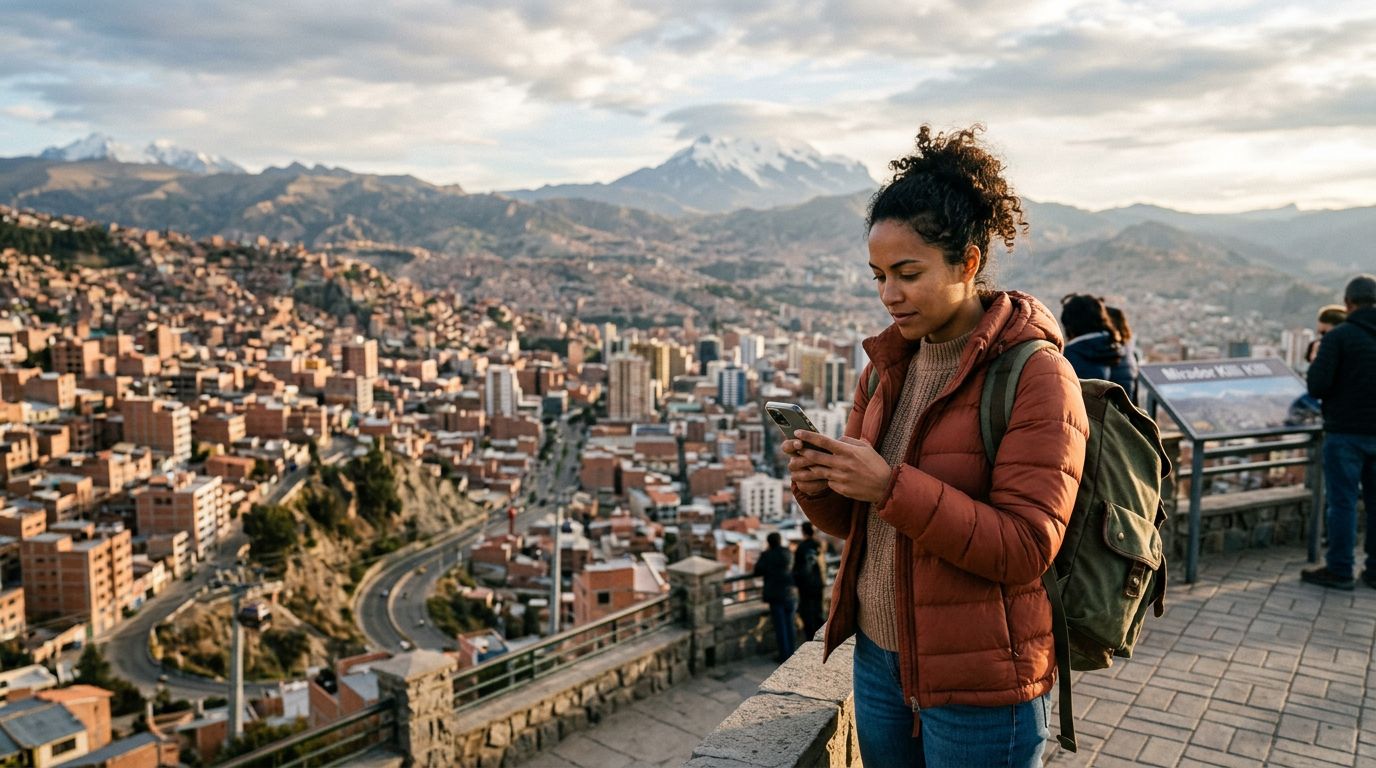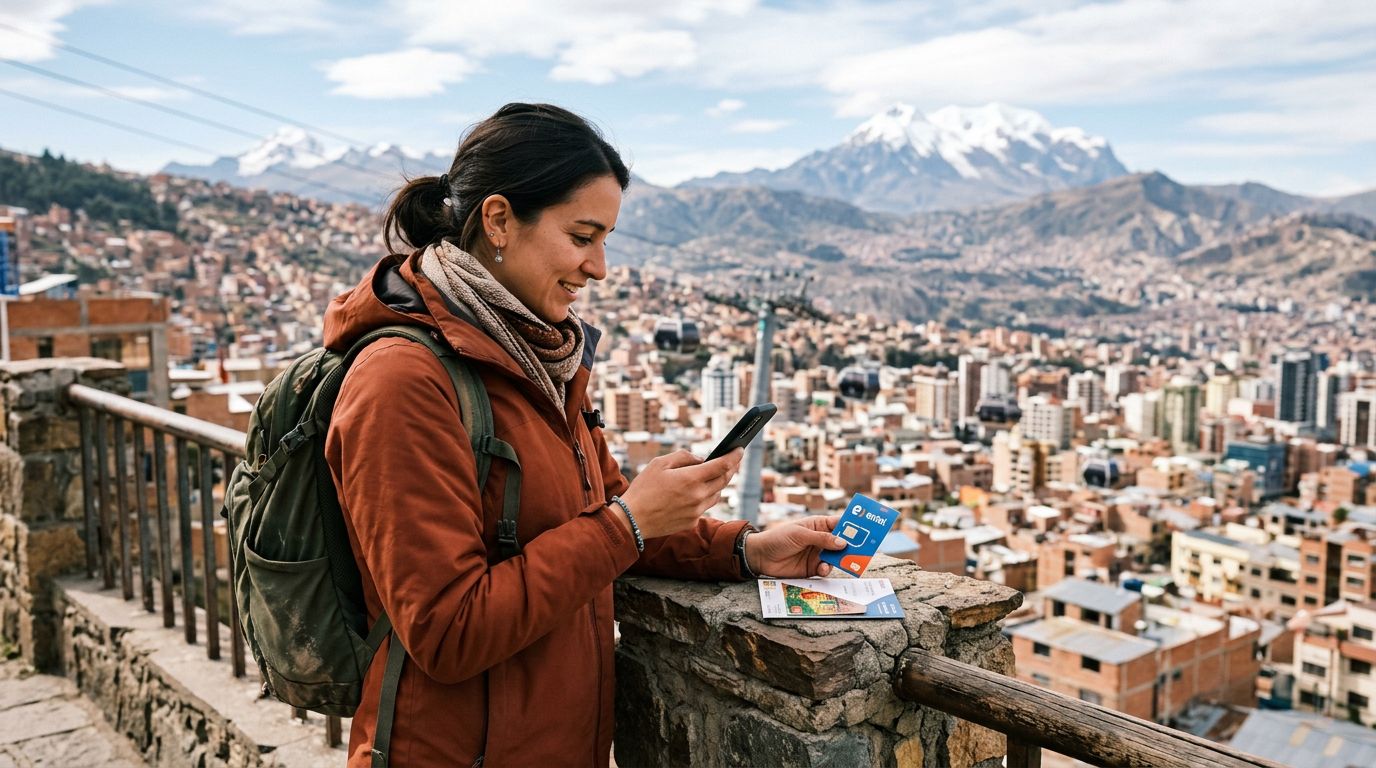
Understanding Connectivity in Bolivia
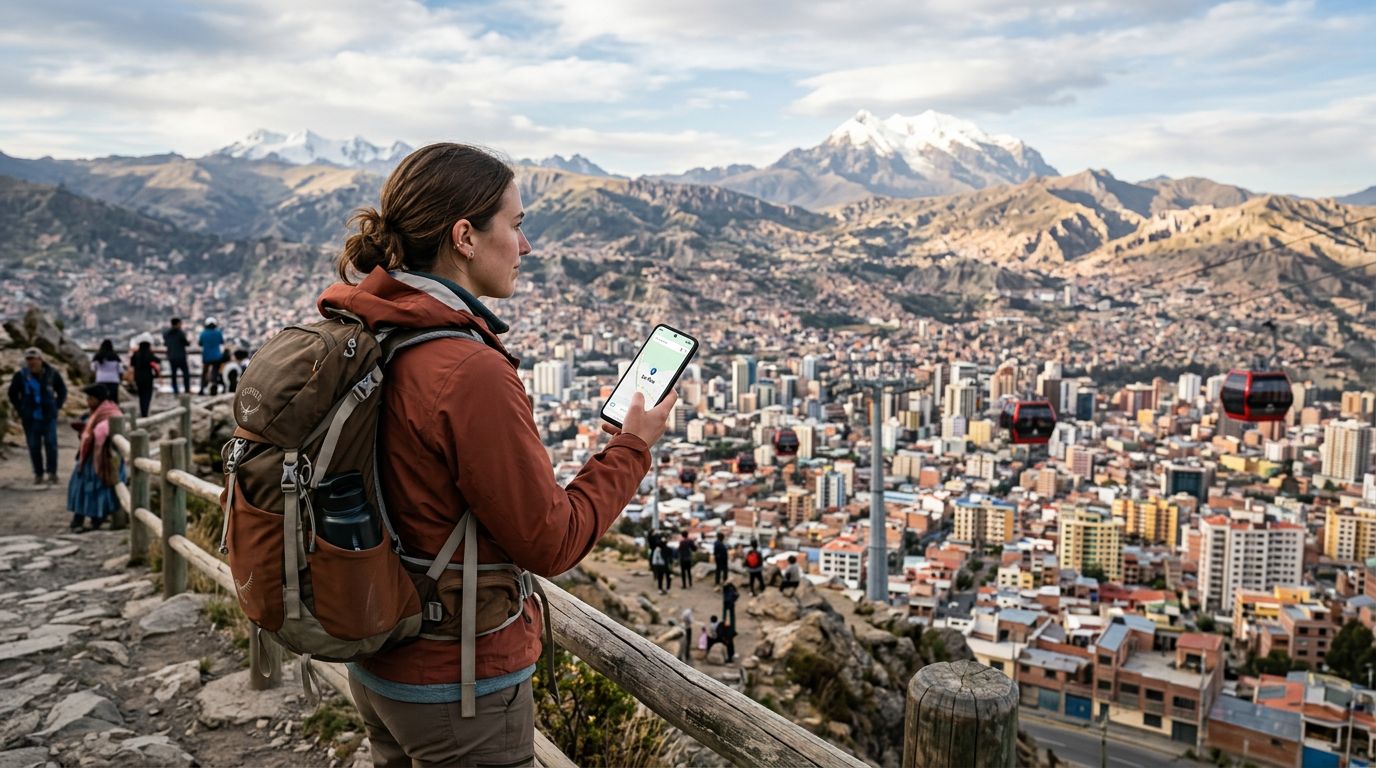
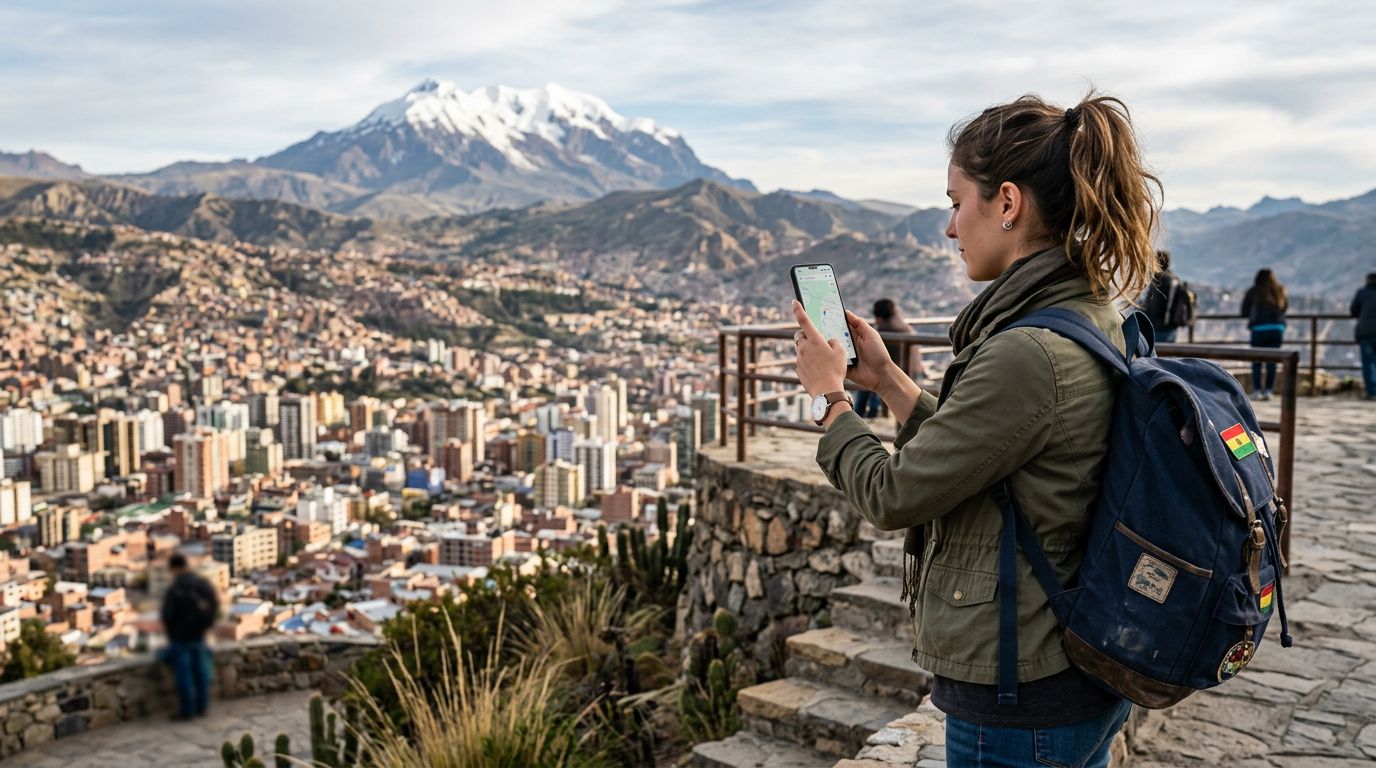
Bolivia is a land of dramatic landscapes, from the blinding white expanse of the Salar de Uyuni to the bustling, high-altitude streets of La Paz. Whether you are trekking through the Andes or exploring the Amazon basin, staying connected is essential for safety, navigation, and sharing your journey. When planning your trip, the choice between a traditional physical SIM card and a modern eSIM is one of the first logistical hurdles you will face.
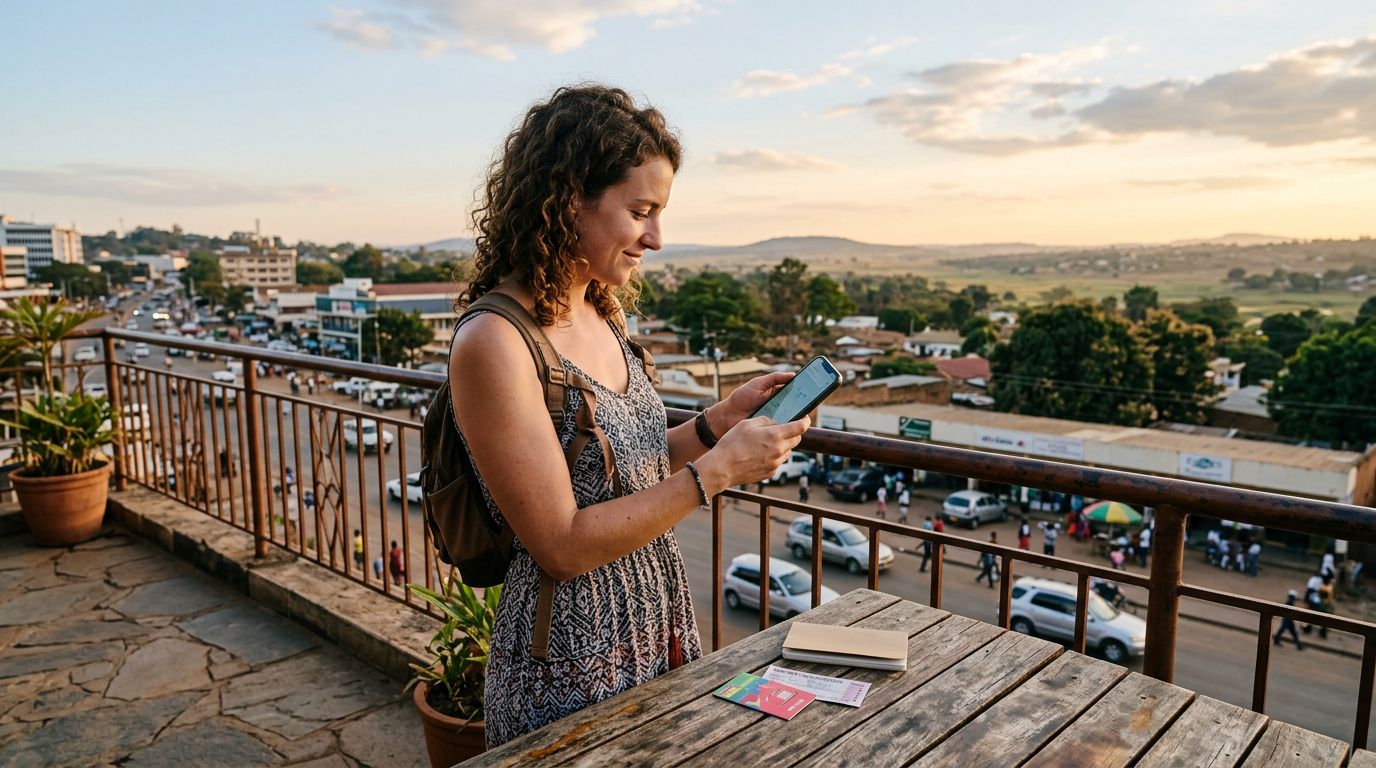
A traditional SIM card is a small, removable chip that you insert into your device. In Bolivia, this often involves visiting a local carrier store, presenting your passport, and waiting for an agent to register and activate the card. It is a time-tested method, but it comes with the inconvenience of physical installation and the risk of losing your original home SIM card.
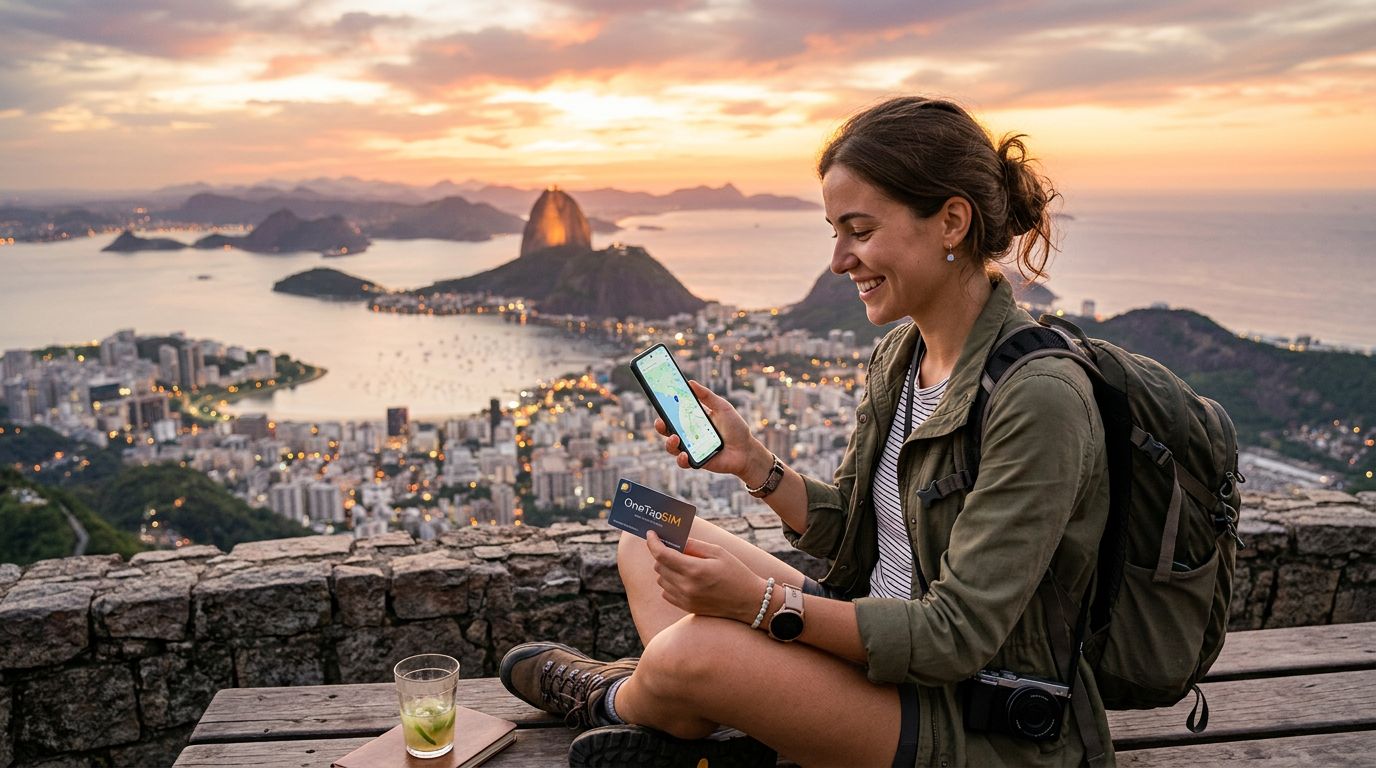
An eSIM, or embedded SIM, is a digital alternative. It functions as a virtual chip already built into your smartphone’s hardware. Instead of swapping out physical components, you simply download a profile to your phone. For travelers, this means you can have your connectivity ready before your plane even touches down on the tarmac in Santa Cruz or El Alto. As technology advances, more travelers are shifting toward eSIM solutions like OneTapSIM to eliminate the friction of physical cards.
The Practical Differences: Physical SIM vs. eSIM
The most significant difference between these two options is the user experience regarding setup and flexibility. With a physical SIM card, you are beholden to the operating hours of local kiosks or mobile carrier offices. If you arrive late at night or on a weekend, you might find yourself without service until the next business day. Furthermore, language barriers at local shops can sometimes make selecting the right data package confusing.
On the other hand, an eSIM allows for a seamless transition. You can purchase your plan online, receive a QR code or an activation link, and install it while you are still at home or in the airport lounge. This is particularly advantageous in a country like Bolivia, where infrastructure in remote regions can make finding a mobile shop difficult. By using a digital service, you bypass the need to carry a paperclip for the SIM tray or worry about where to store your home SIM card while you are traveling.
Another factor is device compatibility. While most modern smartphones manufactured in the last few years support eSIM technology, it is always wise to check your device settings or the manufacturer’s support pages to ensure your specific model is unlocked and compatible. If your phone is locked to a specific carrier from your home country, neither a physical local SIM nor an eSIM will work until you contact your home provider to have the device unlocked.
Environmental and physical factors also play a role. Bolivia’s terrain is rugged. If you are hiking in the mountains or traveling by bus through remote areas, the last thing you want to do is fumble with a tiny piece of plastic that could easily be dropped or damaged. The eSIM removes the risk of hardware loss entirely, as the "card" is integrated into your device’s internal circuitry.
Choosing the Right Option for Your Bolivian Adventure
When deciding between a Bolivia SIM card vs eSIM, consider the nature of your trip. If you are a backpacker spending several weeks in the country and require a local phone number for extensive voice calls to local businesses or tour operators, a physical SIM card from a national carrier might be the traditional route. Local carriers often provide a local number that is useful for domestic logistics.
However, for the majority of modern travelers who rely primarily on data for navigation apps, messaging services, and social media, an eSIM is the superior choice for convenience. OneTapSIM provides a streamlined way to manage your data needs without the stress of hunting for a physical store. By opting for a digital solution, you remain in control of your connectivity from the moment you land.
Reliability is another key consideration. In Bolivia, mobile coverage can vary significantly between urban centers and rural provinces. Regardless of whether you choose a physical card or an eSIM, the underlying network signal depends on the local towers. The advantage of an eSIM is that it allows you to manage your data usage effectively through your phone’s settings, ensuring you do not burn through your allowance unexpectedly.
If you are visiting multiple countries in South America, the flexibility of an eSIM becomes even more apparent. You can often switch between regional profiles or add new data packages instantly as you cross borders, whereas a physical SIM card would require you to purchase and install a new chip in every single country you visit.
To make the best decision, assess your phone’s capabilities first. If your device supports eSIM, the ease of installation and the ability to keep your home SIM active for essential SMS (such as two-factor authentication codes from your bank) make the digital route highly attractive. If you are using an older device that does not support eSIM, you will naturally gravitate toward the physical SIM card. In that case, ensure you have your passport ready, as registration is a mandatory requirement for all mobile users in Bolivia.
Ultimately, your choice should prioritize peace of mind. You want to spend your time admiring the reflection of the clouds on the salt flats or learning about the history of the silver mines in Potosí, not standing in line at a mobile shop. By preparing your connectivity strategy before you leave, you ensure that your focus remains on the incredible experiences that Bolivia has to offer. Whether you choose the traditional path or the modern digital route, having a reliable connection will undoubtedly enhance your ability to explore this diverse and beautiful nation with confidence.
Get an eSIM for
Plans for the destinations covered in this guide, with instant QR delivery.