Preparing for Your Bolivian Adventure
Bolivia is a land of dramatic contrasts, from the high-altitude expanse of the Salar de Uyuni to the lush, humid corridors of the Amazon basin. Traveling through this country requires a mix of physical stamina and logistical preparation. Because the terrain is often rugged and remote, having a reliable smartphone equipped with the right tools is essential for safety and convenience. Before you board your flight, you should curate a digital toolkit that helps you manage transportation, language barriers, and connectivity.
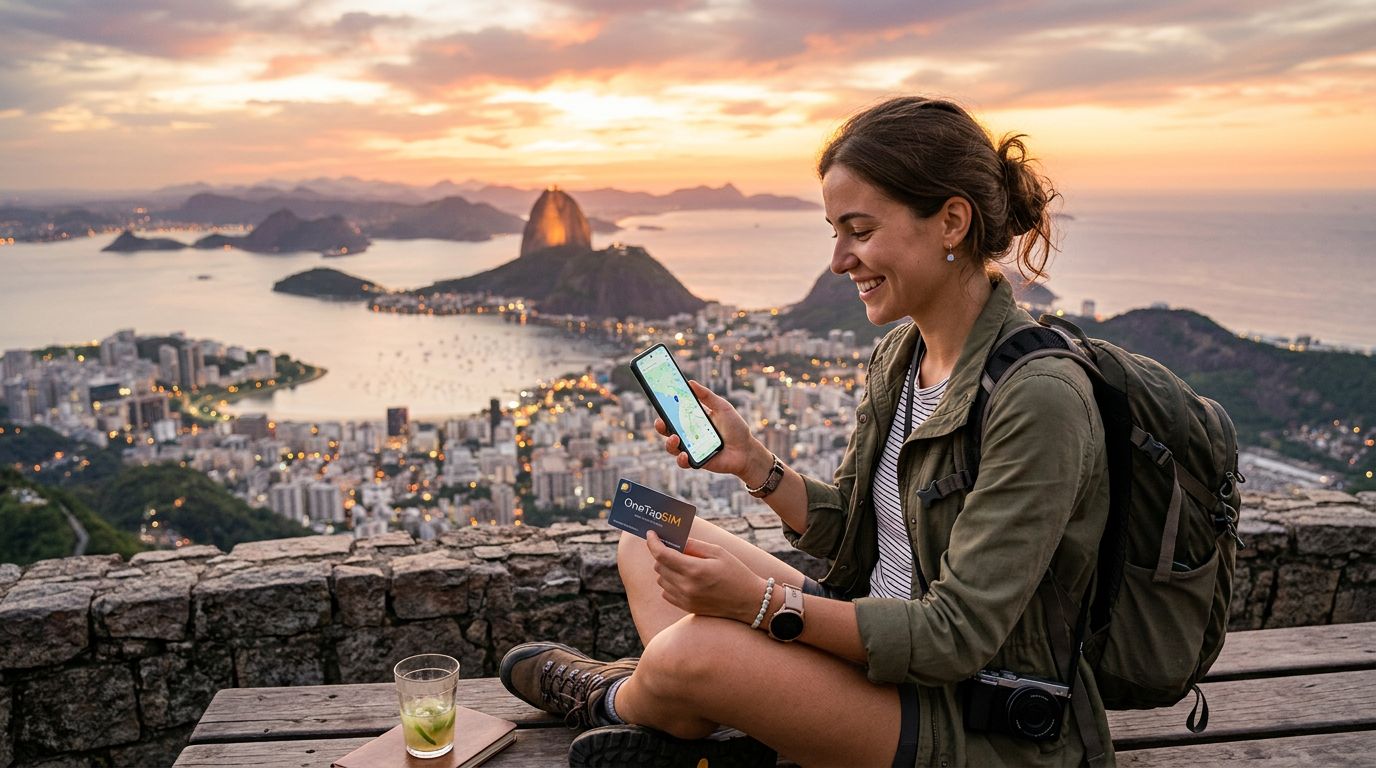
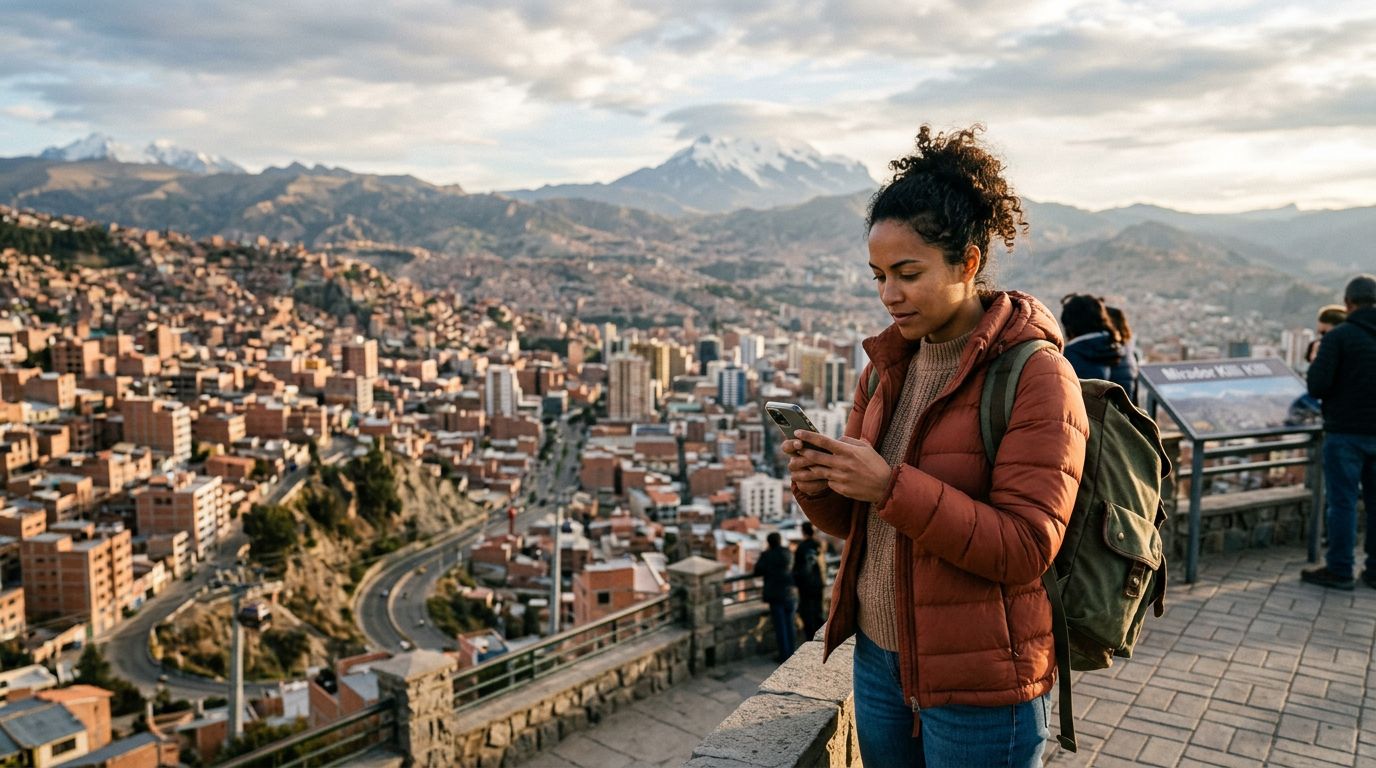
Connectivity is the foundation of your entire trip. Without a stable data connection, you cannot check bus schedules, translate local phrases, or use GPS to find your hostel in a labyrinthine city like La Paz. This is where OneTapSIM becomes a vital part of your preparation. By installing an eSIM before you arrive, you ensure that you have access to local networks the moment your plane touches the tarmac. You avoid the stress of hunting for physical SIM cards in airports or dealing with language barriers at mobile carrier kiosks. With your data plan active, you can immediately call a ride-share or look up the location of your hotel, allowing you to transition into your trip with confidence.
Essential Navigation and Transportation Tools
Bolivia’s geography is challenging, and public transportation can be unpredictable. Whether you are taking a long-distance bus across the Altiplano or navigating the cable car system in La Paz, having the right apps will save you hours of frustration.
Google Maps remains a staple for travelers, but its effectiveness relies entirely on your ability to download offline maps. In rural areas or high-altitude mountain passes, cellular signals can drop off completely. Before leaving your accommodation, download the map of the region you are visiting so you can still track your location and find points of interest.
For city travel, ride-sharing apps are widely used in major Bolivian urban centers. These apps provide a safer and more transparent way to get around compared to hailing unmarked taxis on the street. They allow you to track your route in real-time and share your status with friends or family. Because these apps require a constant data connection to function, having a reliable eSIM from OneTapSIM ensures your app stays connected even when you are moving between different cell towers in the city.
If you are planning to travel between cities, look for apps that aggregate bus schedules. While many travelers still prefer to buy tickets at the terminal, having a digital reference for departure times helps you plan your day. Remember that bus travel in Bolivia is often subject to road conditions and weather, so keeping your apps updated with the latest information is a smart way to stay ahead of potential delays.
Language and Cultural Integration Apps
Bolivia is a culturally rich nation where Spanish is the primary language, but indigenous languages like Quechua and Aymara are also widely spoken. While you do not need to be fluent to enjoy your trip, having a translation tool is incredibly helpful for navigating menus, asking for directions, or interacting with local vendors.
Google Translate is the standard for a reason. Its ability to translate text via your camera lens is particularly useful when you are looking at a menu or a sign in a language you do not recognize. You can also download language packs for offline use, which is a lifesaver when you are in remote regions like the Eduardo Avaroa Andean Fauna National Reserve.
Beyond language, consider installing apps that provide context for the places you are visiting. Bolivia has a complex history, and having a digital guide or a platform for booking local walking tours can provide depth to your experience. When you book a tour or look for a local guide, you will often need to confirm your meeting point or coordinate with the organizer via messaging apps. Keeping your data active through your OneTapSIM plan ensures that you never miss a notification from your guide, keeping your itinerary running smoothly.
Staying Safe and Connected in Remote Regions
Safety is a priority when traveling through high-altitude environments. Bolivia’s altitude can affect even the most seasoned travelers, and having apps that monitor your health or provide emergency contacts is a wise precaution. There are various weather-tracking apps that provide specific data for mountainous regions, which is crucial if you are planning a trek or a visit to the salt flats. Sudden weather changes are common, and being aware of the forecast can influence your decision to travel on a specific day.
Furthermore, communication is your primary safety net. Whether you are checking in with family back home or reaching out to local emergency services, you need a consistent connection. Relying on public Wi-Fi in cafes or hotels is often unreliable and insecure. By using an eSIM, you maintain a private, secure connection that does not depend on the availability of local hotspots. This gives you the freedom to move through the country without being tethered to a specific location just to get online.
As you pack your bags, remember that the best travel apps for a Bolivia trip are those that reduce your cognitive load. You want to spend your time admiring the view of the Andes or exploring the markets of Sucre, not troubleshooting your phone settings. By setting up your digital toolkit in advance and ensuring you have reliable data from the start, you create the space to focus on the experience itself. Bolivia is a country that rewards those who are prepared, and with the right apps and a solid connection, you will be ready for whatever the journey brings.
Get an eSIM for
Plans for the destinations covered in this guide, with instant QR delivery.