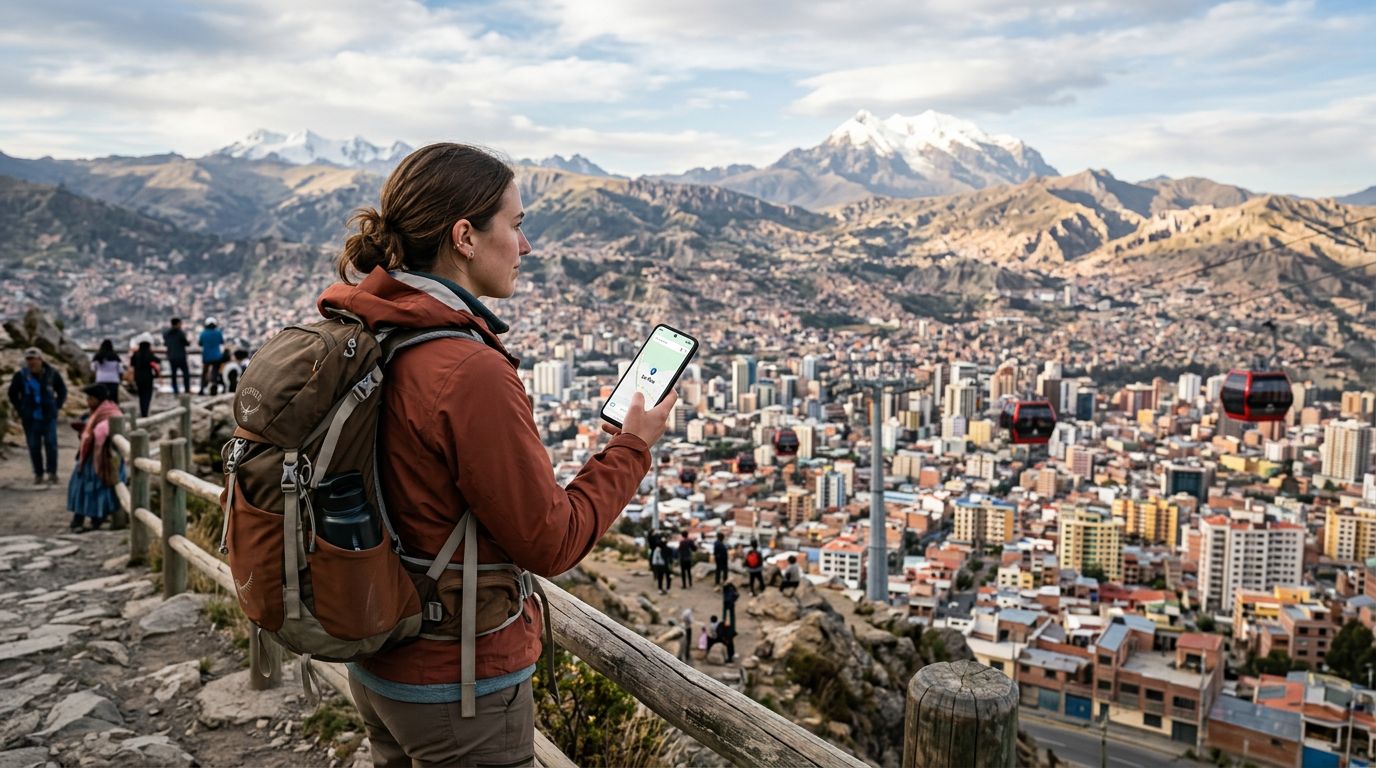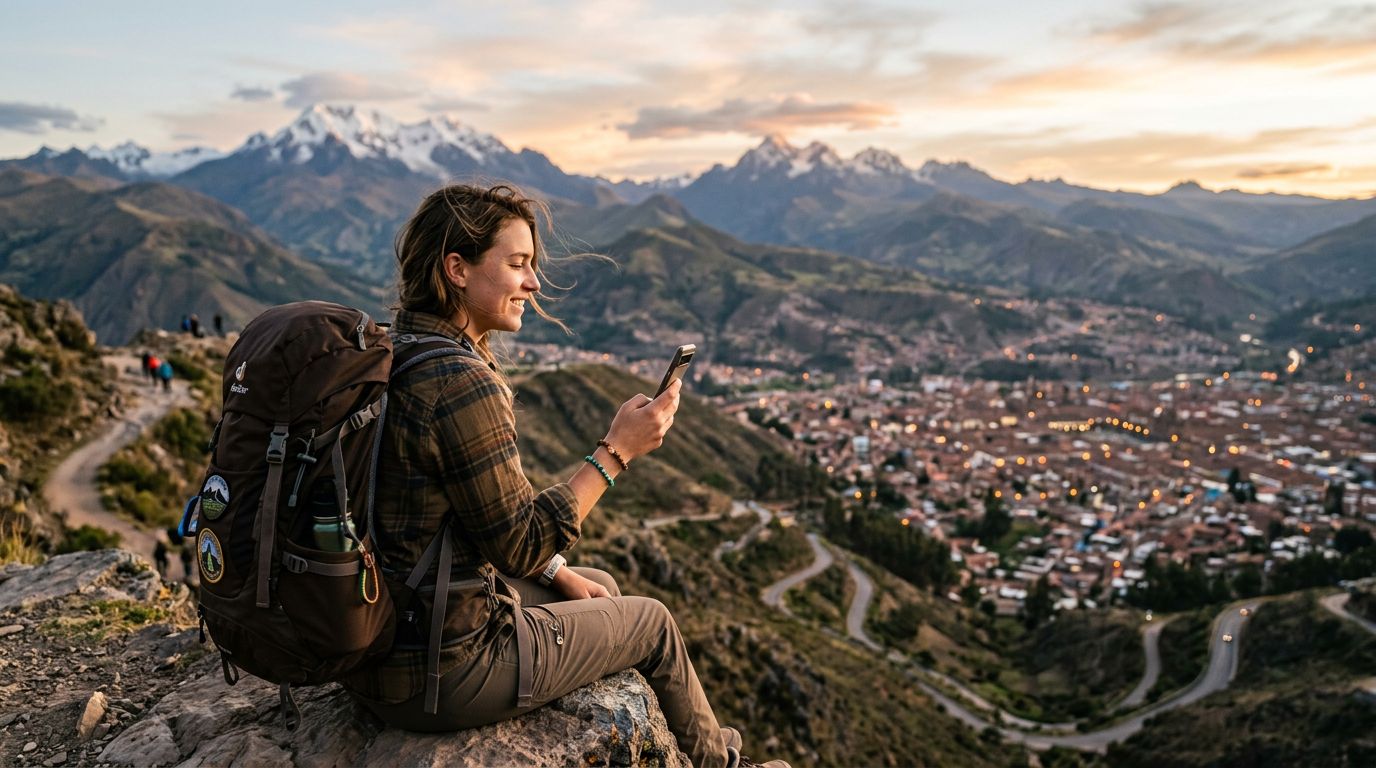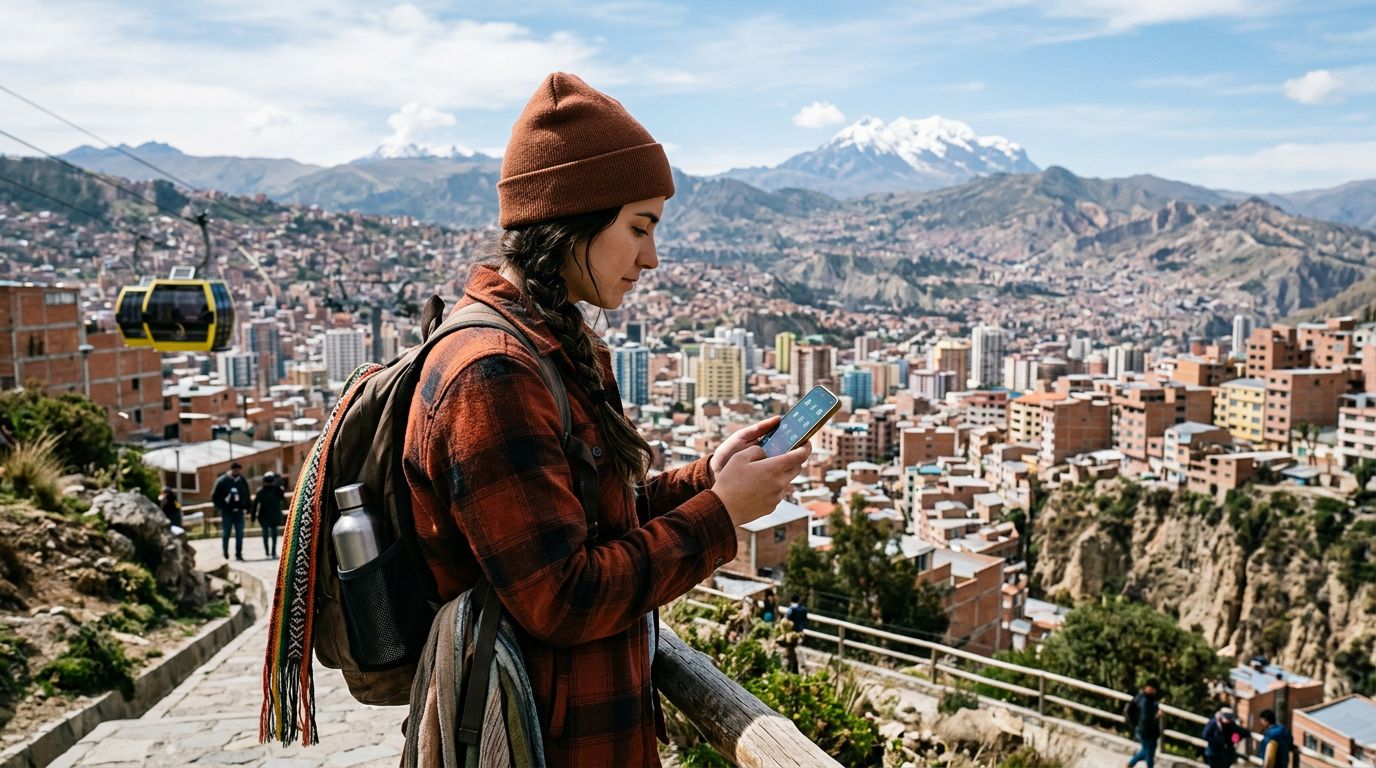
Understanding Connectivity Challenges in Bolivia
Bolivia is a land of dramatic contrasts, ranging from the high-altitude expanse of the Salar de Uyuni to the dense, humid rainforests of the Amazon basin. For travelers, this geographical diversity creates a unique set of challenges regarding mobile connectivity. While major cities like La Paz, Santa Cruz, and Cochabamba offer relatively reliable cellular coverage, the infrastructure becomes significantly more sparse as you venture into remote areas or high-altitude regions.
Many travelers arrive in Bolivia expecting their home mobile provider to offer seamless roaming. However, international roaming agreements in Bolivia are often limited, expensive, or restricted to specific partner networks that may not provide the best signal in rural areas. Relying on public Wi-Fi is another common strategy, but it is rarely a viable solution for those who need to navigate, book transport, or translate languages on the go. Public hotspots are often slow, unsecured, and non-existent outside of cafes or hotels in larger urban centers.
To ensure you stay connected, it is essential to plan your data strategy before you land. Whether you are trekking through the Andes or exploring colonial towns, having a consistent data connection is not just a convenience; it is a vital tool for safety and logistics.
Comparing Your Options for Mobile Data
When considering the best way to get data in Bolivia, you generally have three primary options: local physical SIM cards, international roaming plans, and eSIM technology.
Local physical SIM cards are a traditional choice. Upon arrival, you can visit a local carrier’s storefront to purchase a physical card. This process requires you to present your passport, register the SIM, and often navigate a language barrier. While this provides a local number, it also requires you to physically swap out your home SIM card, which carries the risk of losing your original chip. Furthermore, you are limited to the coverage maps of the specific local provider you choose, which may not be optimal for a multi-region trip.
International roaming plans offered by your home carrier are often the most convenient in terms of setup, but they frequently come with strict data caps and high costs. Furthermore, your phone will typically route traffic back through your home country, which can lead to significant latency—making map loading or video calls feel sluggish.
The modern alternative is the eSIM. An eSIM is a digital version of a physical SIM card that is embedded directly into your device. It allows you to download a data plan instantly without needing to visit a store or handle small plastic chips. OneTapSIM offers a streamlined approach to this, allowing you to activate your connectivity as soon as you arrive. Because eSIMs allow you to keep your primary SIM active for calls or texts while using a secondary eSIM for data, you maintain the ability to receive important messages from home while enjoying reliable local data speeds.
Why eSIMs Are the Best Way to Get Data in Bolivia
The primary advantage of using an eSIM for your Bolivian adventure is the combination of flexibility and efficiency. Because the setup process is entirely digital, you can manage your data needs from anywhere. If you find yourself running low on data while exploring the salt flats, you can easily top up your plan through your device settings or the provider’s interface without needing to find a physical shop.
Compatibility is rarely an issue for modern travelers, as most smartphones manufactured in the last few years support this technology. If you are unsure if your device is compatible, you can check your phone's settings menu or consult the manufacturer’s support documentation. Once you verify your device supports eSIMs, the transition is seamless.
Using a service like OneTapSIM ensures that you are not tethered to a single local carrier’s limitations. These services often partner with multiple network providers within a country, which can provide a more robust signal than a single local SIM might offer on its own. This is particularly beneficial in Bolivia, where network coverage can vary drastically between different provinces.
Furthermore, the environmental impact of using an eSIM is lower than that of physical SIM cards, which require plastic manufacturing and international shipping. By opting for a digital solution, you reduce waste and simplify your travel kit.
Tips for Maintaining Connectivity on the Road
Once you have secured your data plan, managing your usage is key to ensuring you stay connected throughout your trip. Even with a generous data plan, certain habits can drain your allowance faster than expected.
First, adjust your phone’s settings to restrict background data usage for non-essential applications. Many apps continue to sync, update, or fetch data even when you are not actively using them. By disabling background data for social media or cloud backup services, you can save significant amounts of data for the tools that actually matter, such as navigation apps and translation software.
Second, download offline maps before you leave your hotel or any location with stable Wi-Fi. While your eSIM will provide data, having a local map cached on your device ensures that you can find your way even if you enter a "dead zone" in the mountains or deep in the jungle.
Third, be mindful of video streaming and high-resolution photo uploads. These activities are the fastest way to exhaust a data plan. If you need to upload photos of your journey, wait until you are connected to a stable Wi-Fi network at your accommodation.
Finally, keep a portable power bank in your daypack. Using mobile data, especially in areas with a weak signal, can cause your phone to work harder to maintain a connection, which drains the battery much faster than usual. A reliable power source ensures that your phone remains functional for emergencies, navigation, and capturing memories throughout the day. By combining the convenience of an eSIM with smart data management, you can focus on the incredible landscapes of Bolivia rather than worrying about your next connection.
Get an eSIM for
Plans for the destinations covered in this guide, with instant QR delivery.