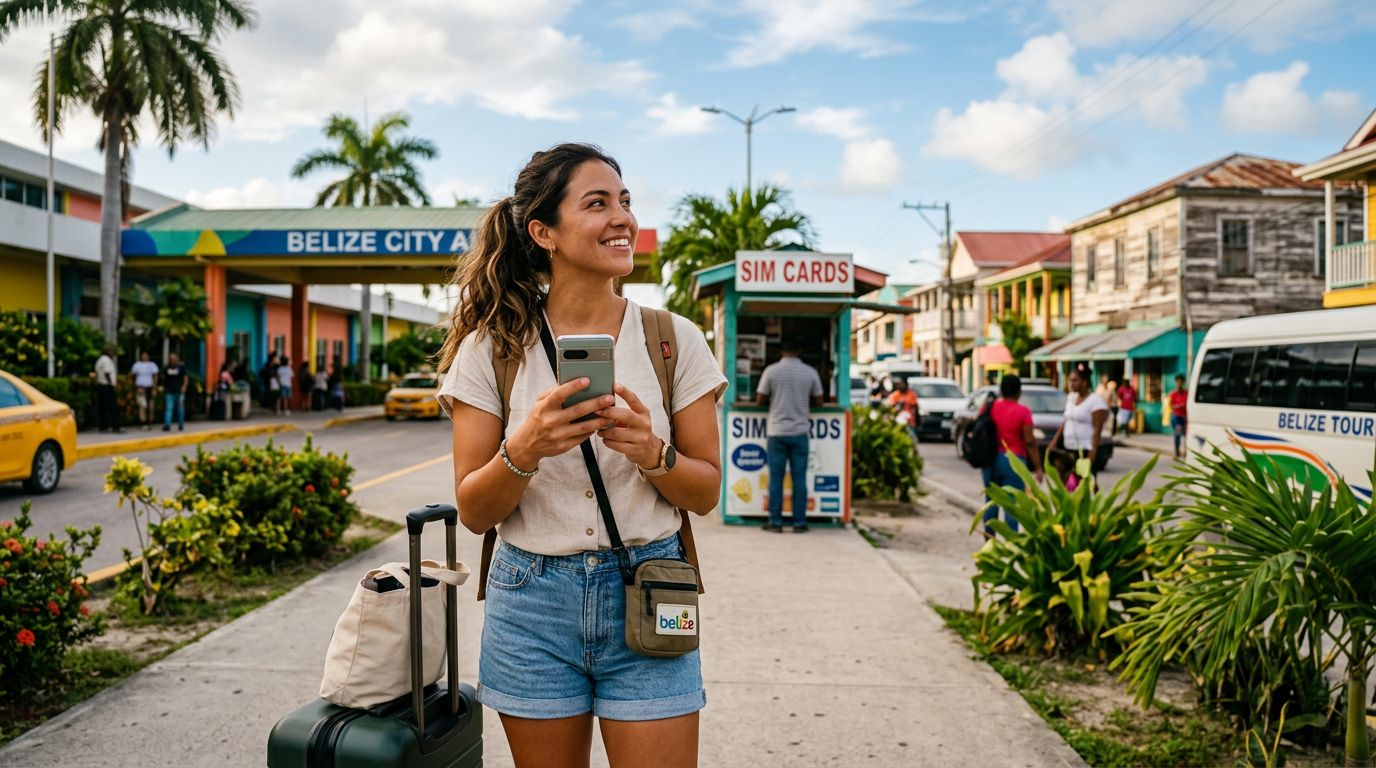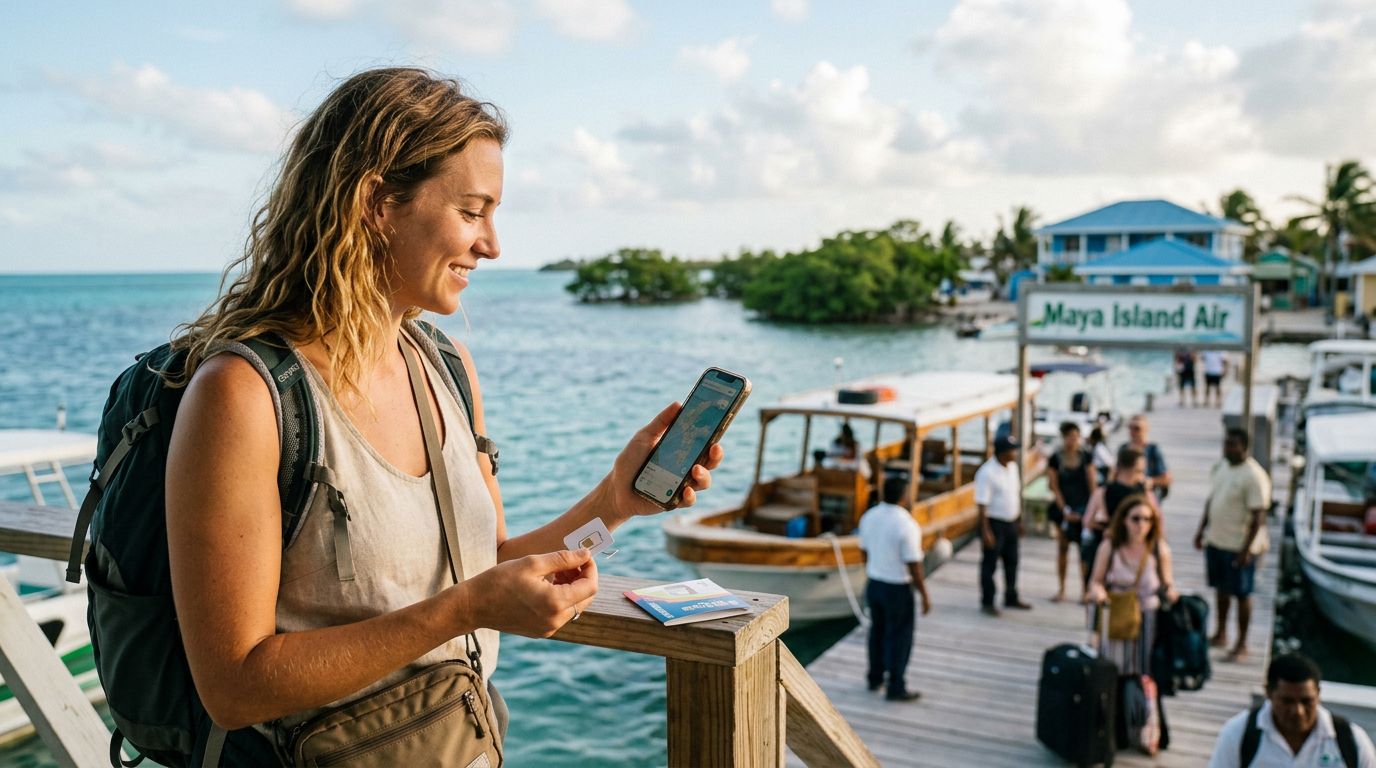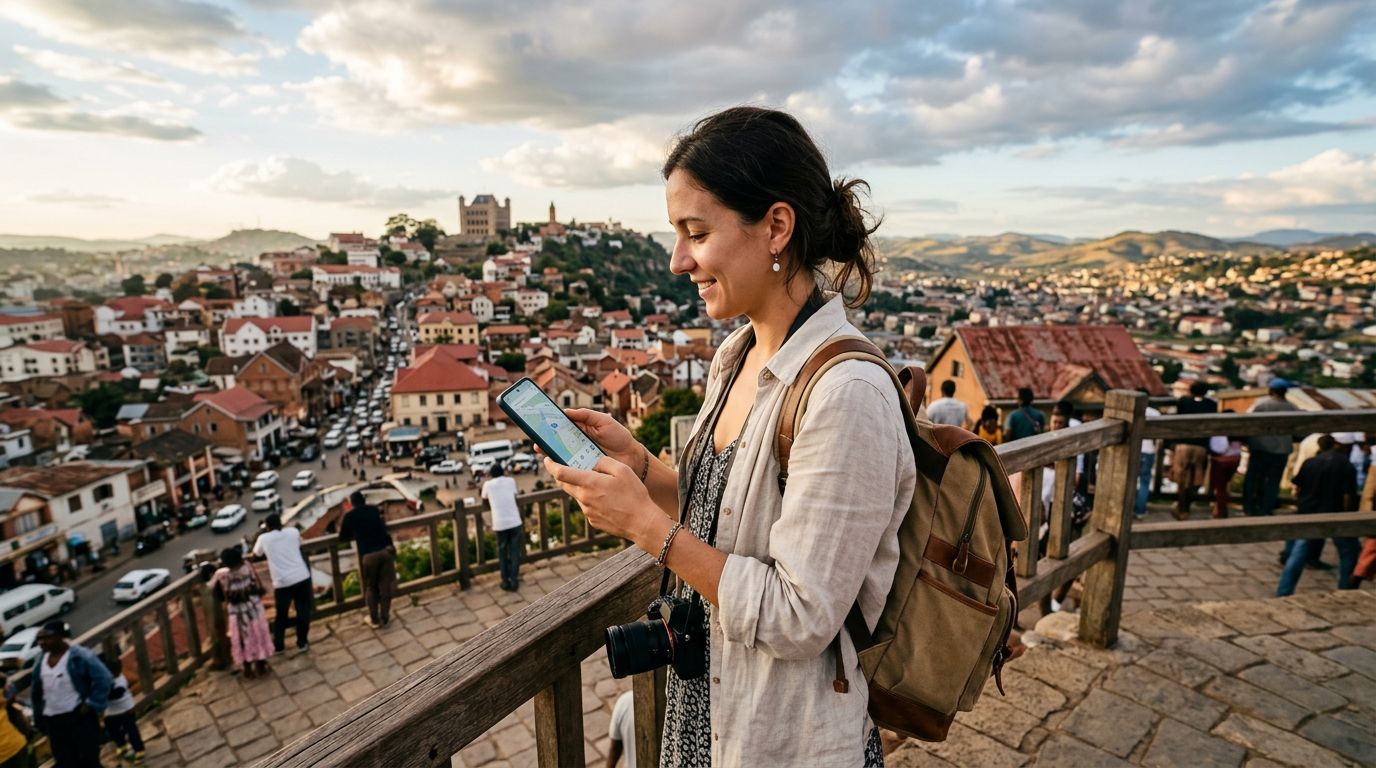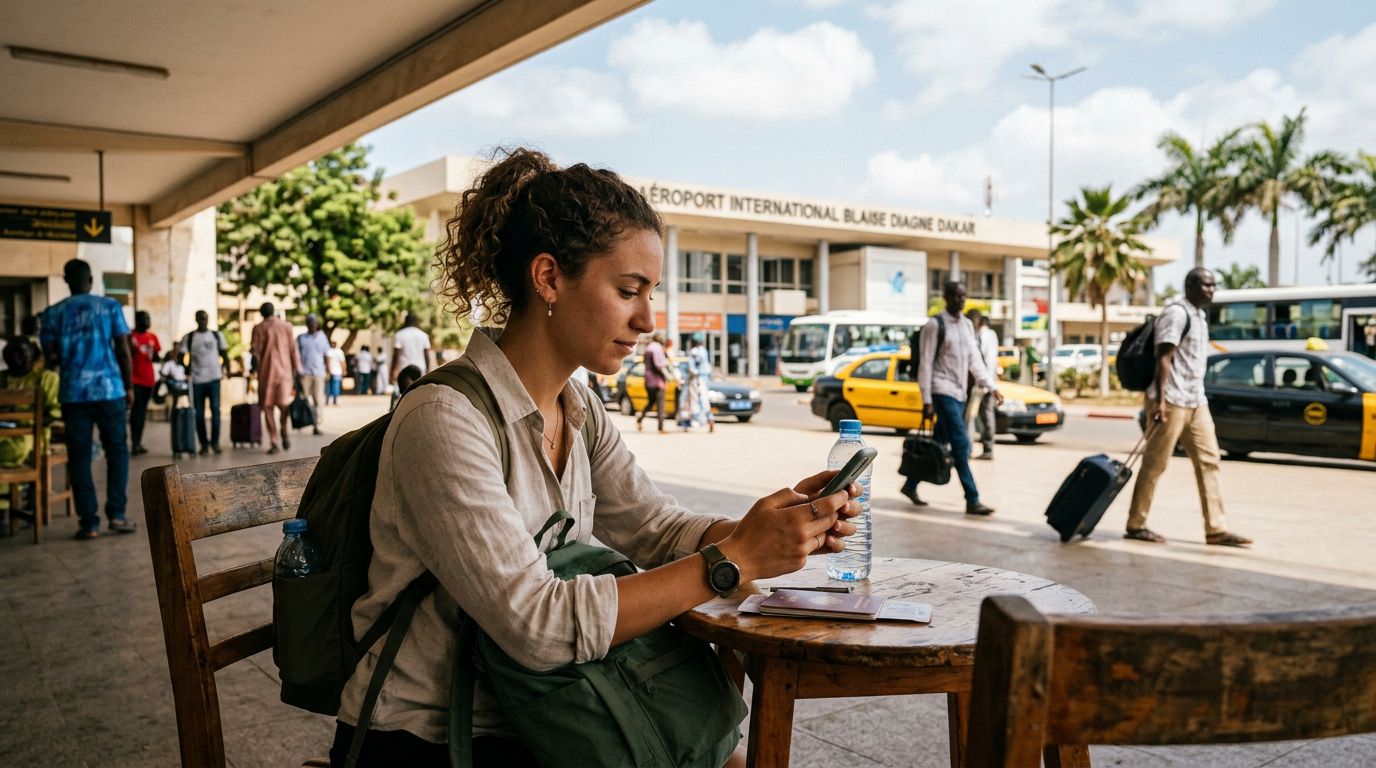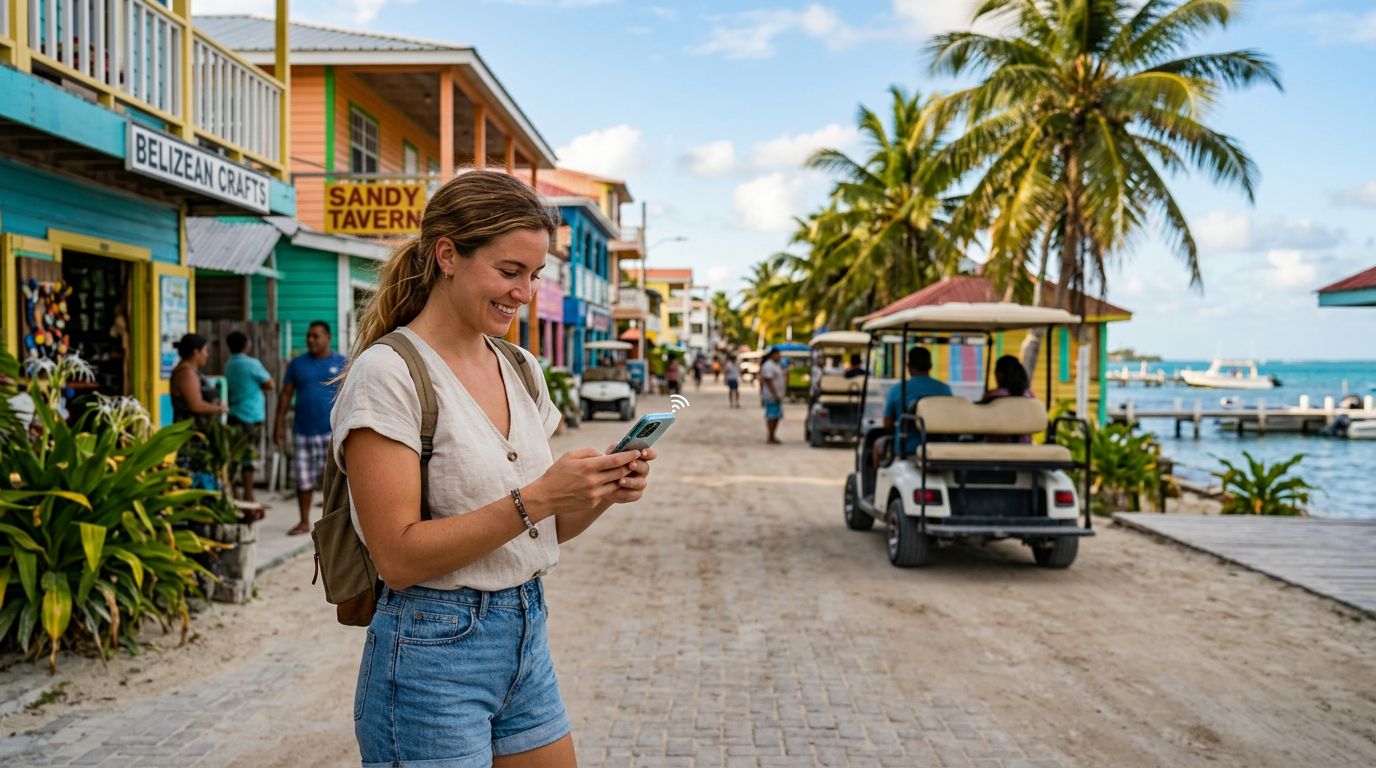
Belize is a paradise for travelers who enjoy a mix of lush jungles, ancient Mayan ruins, and the stunning Caribbean coastline. Whether you are snorkeling near the Great Blue Hole or trekking through the Cayo District, staying connected is essential for navigation, sharing your experiences, and keeping in touch with home. Finding the best way to get data in Belize can feel overwhelming if you are not prepared, but understanding your options before you land will save you time and stress.
Understanding Connectivity Options in Belize
When you arrive in a new country, your initial instinct might be to rely on the roaming plan provided by your home carrier. While this is often the most convenient method, it is rarely the most efficient or reliable. Many home carriers impose strict limitations on international data usage, or they may throttle your speeds significantly once you cross a certain threshold. Furthermore, relying on public Wi-Fi at hotels or cafes is risky for security reasons and often results in spotty, unreliable connections that fail when you need them most.
Local SIM cards have long been the go-to solution for travelers. By visiting a local provider’s store upon arrival, you can obtain a physical SIM card that grants you access to the local network infrastructure. However, this process requires you to hunt down a retail location, wait in line, and physically swap out your home SIM card—an operation that carries the risk of losing your original card.
A more modern approach is the use of eSIM technology. An eSIM is a digital version of a physical SIM that allows you to activate a cellular plan without needing to handle a tiny piece of plastic. If your device is compatible, this is widely considered the best way to get data in Belize. It allows you to maintain your home number for calls or texts while using a secondary, data-only plan for your internet needs. Services like OneTapSIM streamline this process, enabling you to purchase and activate your connectivity before your plane even touches down at Philip S.W. Goldson International Airport.
Why eSIMs Are the Superior Choice for Belize
The primary advantage of choosing an eSIM for your Belizean adventure is the sheer convenience. Because the process is entirely digital, you do not have to worry about finding a store or dealing with language barriers at a counter. You simply select your plan, follow the installation steps provided, and activate the connection the moment you land.
Compatibility is the first thing to check. Most modern smartphones support eSIM technology, but it is always wise to verify your device’s settings to ensure it is unlocked and eSIM-ready. If you are unsure, you can check the support pages for your specific device manufacturer, such as Apple or Google, to confirm if your model supports dual-SIM functionality.
Beyond convenience, eSIMs offer superior flexibility. You are not locked into a long-term contract or a specific local carrier’s store hours. If you find yourself traveling across the country, from the islands of San Pedro to the deep forests of the south, having a reliable data plan ensures you can use mapping apps and translation tools without interruption. By using a specialized provider like OneTapSIM, you gain access to network configurations designed specifically for travelers, which often provide better stability than trying to navigate the complexities of local prepaid systems on your own.
Another benefit is the ability to manage your data usage effectively. With an eSIM, you can monitor your consumption through your phone’s built-in settings. This prevents the surprise of running out of data in the middle of a remote excursion. Because you are not removing your primary SIM card, you remain reachable for essential SMS messages from your bank or home contacts, while all your heavy data usage—such as uploading photos or streaming music—is handled by your travel plan.
Tips for Staying Connected Throughout Your Trip
Once you have secured your data plan, managing your usage is key to a smooth experience. Belize has many remote areas where cellular reception can fluctuate. When you are visiting national parks or deep inland regions, signal strength may vary regardless of which carrier you choose. To ensure you always have access to the information you need, it is a good idea to download offline maps for the regions you plan to visit. This way, even if you hit a dead zone, your GPS will still function, and your pre-loaded maps will keep you on the right path.
Battery management is another factor to consider. Constant searching for a signal can drain your phone’s battery faster than usual. If you are going on a long hike or a boat tour, consider bringing a portable power bank. Additionally, you can toggle off background app refresh for non-essential applications to ensure your data is prioritized for navigation and communication.
Communication apps are also vital. Since you will have a dedicated data connection, you can rely on voice-over-IP services to make calls or send messages. This is significantly more cost-effective than using traditional international roaming for voice calls. Ensure that your apps are updated before you leave home so that they are ready to function the moment your eSIM activates.
Finally, remember that the best way to get data in Belize is the one that gives you peace of mind. Whether you are a solo backpacker or traveling with family, having a stable connection allows you to focus on the beauty of the Barrier Reef and the history of the Mayan ruins rather than worrying about connectivity. By preparing your digital infrastructure with a service like OneTapSIM, you remove the guesswork from your travel logistics. You arrive in Belize ready to explore, with your map, your camera, and your connection already active and waiting for you. This proactive approach ensures that your focus remains on the experience, allowing you to capture every moment and share your journey with ease.
Get an eSIM for
Plans for the destinations covered in this guide, with instant QR delivery.