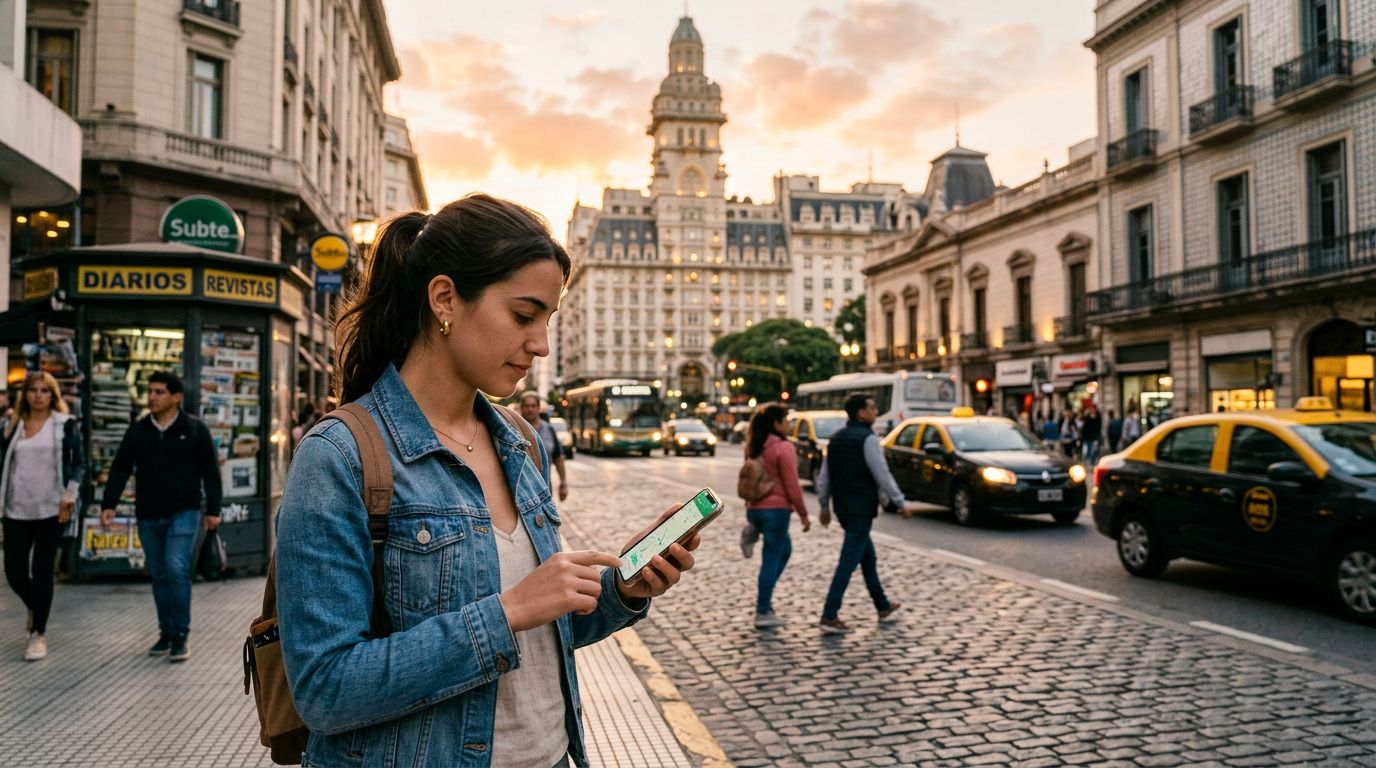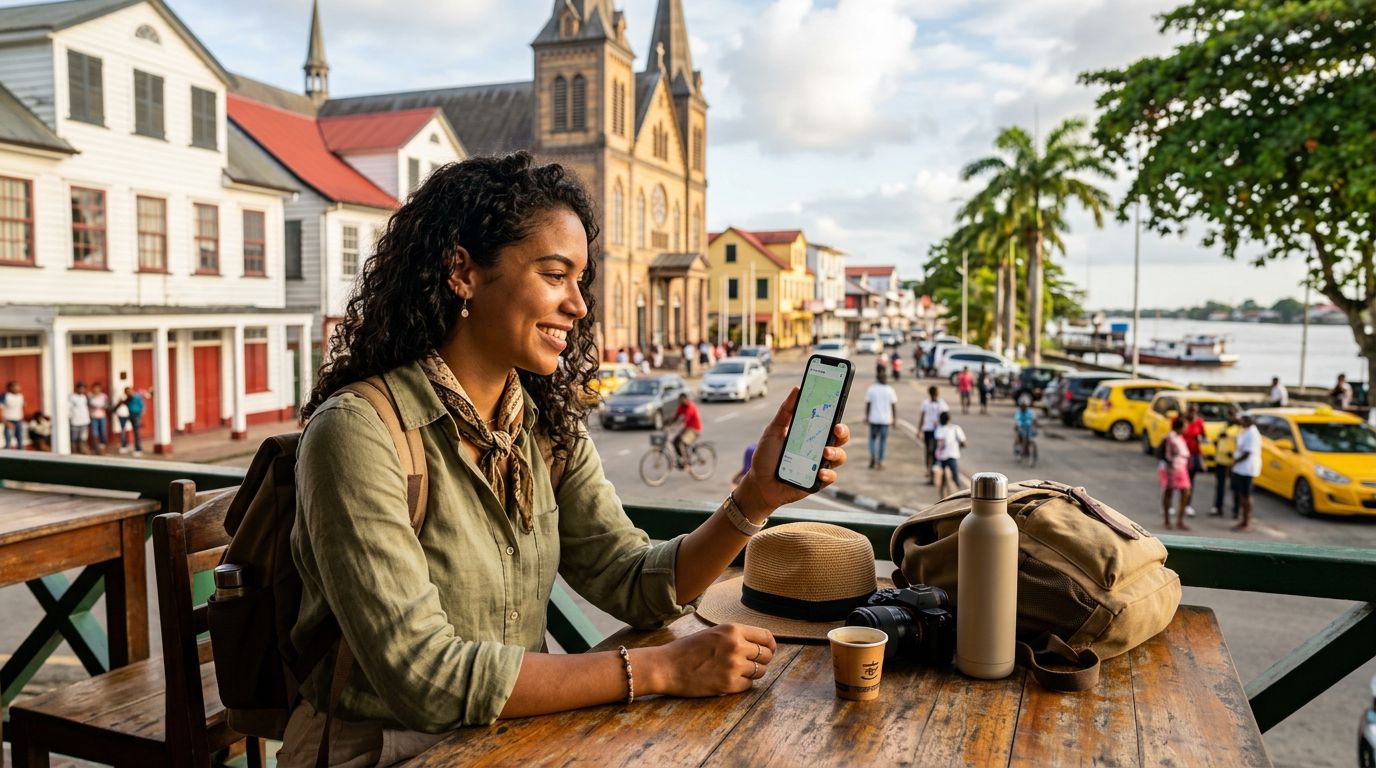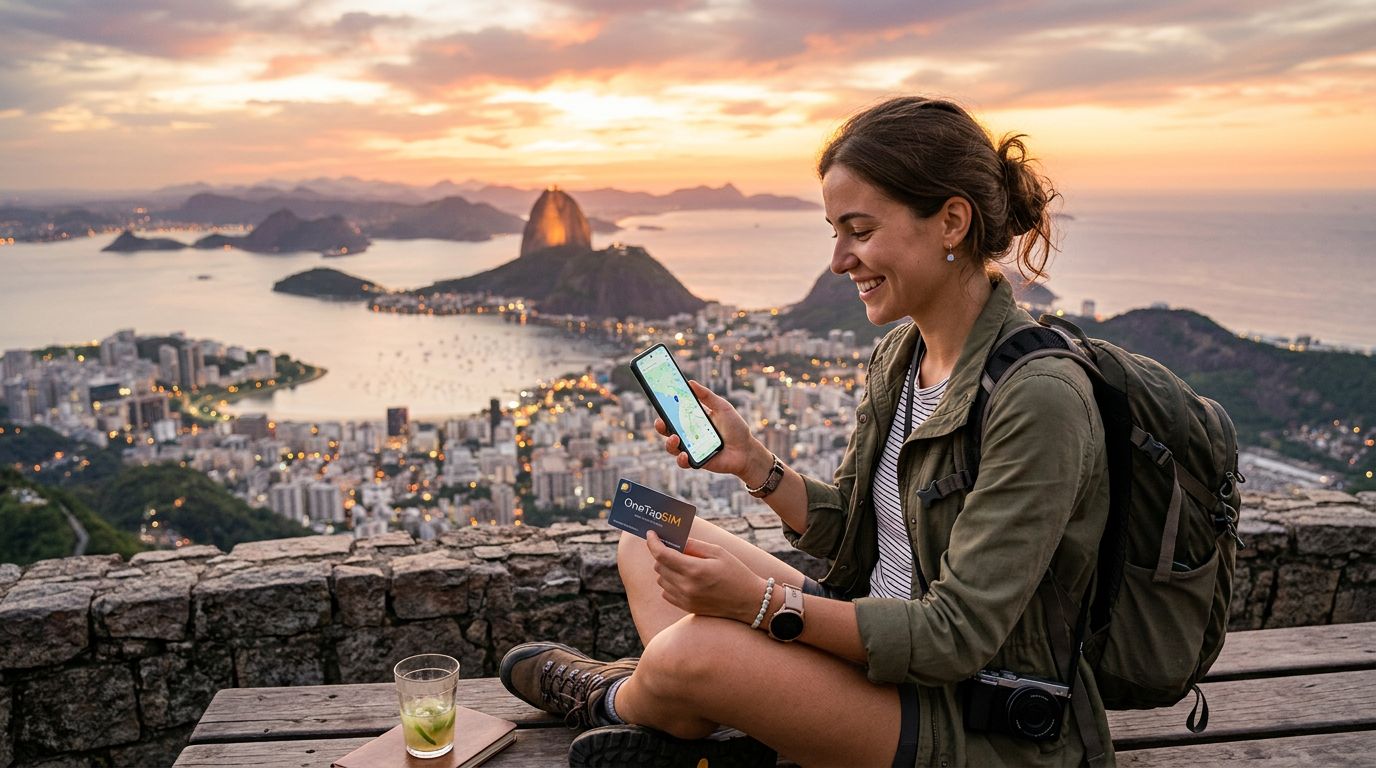
Südamerika ist ein Kontinent der Extreme – von den hochgelegenen Gipfeln der Anden bis zur dichten Feuchtigkeit des Amazonas-Regenwaldes und den lebendigen, geschäftigen Straßen von Buenos Aires. Für digitale Nomaden und Langzeitreisende, die eine Reise von etwa 50 Tagen planen, kann die Logistik der ständigen Erreichbarkeit entmutigend sein. Sich in jedem Land auf lokale physische SIM-Karten zu verlassen, ist ein logistischer Albtraum, und Roaming mit dem heimischen Anbieter ist oft unerschwinglich teuer.
In diesem Leitfaden vergleichen wir die besten eSIM-Strategien für ein 50-tägiges Südamerika-Abenteuer, damit Sie grenzüberschreitend verbunden bleiben, ohne sich mit dem Wechseln von Plastikkarten herumschlagen zu müssen.
Die Herausforderung der länderübergreifenden Konnektivität Wenn Sie fast zwei Monate lang durch mehrere Länder reisen, benötigen Sie eine Lösung, die zuverlässig, skalierbar und kostengünstig ist. Südamerika stellt einzigartige Herausforderungen dar: Die Netzinfrastruktur variiert stark zwischen Ländern wie Chile, das über eine hervorragende 5G-Abdeckung verfügt, und entlegeneren Regionen in Peru oder Bolivien.
Für eine 50-tägige Reise haben Sie drei Hauptoptionen: Lokale physische SIM-Karten: Am günstigsten, aber zeitaufwendig. Sie müssen ein Geschäft finden, Ihren Reisepass vorzeigen und jede SIM-Karte in jedem Land registrieren. Roaming mit dem heimischen Anbieter: Bequem, aber meist mit täglichen „International Day Pass“-Gebühren verbunden, die Sie über 50 Tage ein Vermögen kosten werden. Regionale eSIMs:* Der moderne Standard. Sie installieren eine eSIM, bevor Sie von zu Hause abreisen, und sie wechselt beim Grenzübertritt automatisch zu lokalen Partner-Netzbetreibern.
Warum regionale eSIMs für Langzeitreisen gewinnen Für eine 50-tägige Reiseroute sind regionale eSIMs der Goldstandard. Ein regionaler Tarif deckt mehrere Länder unter einem Dach ab. Das bedeutet, Sie müssen sich keine Gedanken über den Kauf eines neuen Tarifs machen, wenn Sie von Brasilien nach Argentinien oder von Chile nach Peru reisen.
Wenn Sie Anbieter für die Reisesaison 2024-2025 vergleichen, achten Sie auf diese drei Kriterien: 1. Länderübergreifende Abdeckung: Enthält der Tarif alle Länder Ihrer Reiseroute? 2. Daten-Beständigkeit: Können Sie einfach Guthaben aufladen, falls Ihr Datenvolumen vor Ablauf der 50 Tage aufgebraucht ist? 3. Netzqualität: Arbeitet der eSIM-Anbieter mit Tier-1-Netzbetreibern in jedem Land zusammen?
OneTapSIM: Eine nahtlose Konnektivitätslösung Während Sie Ihre 50-tägige Reise planen, sticht **OneTapSIM** als zuverlässige Wahl für Reisende hervor, die Wert auf Benutzerfreundlichkeit legen. Anstatt mehrere Konten zu verwalten oder mit komplexen APN-Einstellungen zu kämpfen, ist OneTapSIM für einen „One-and-Done“-Installationsprozess konzipiert.
Für Langzeitreisende liegt der Vorteil eines Dienstes wie OneTapSIM in der Konsistenz der Benutzererfahrung. Da Sie wahrscheinlich zwischen verschiedenen Zeitzonen und Umgebungen wechseln, ermöglicht Ihnen eine stabile, vorkonfigurierte Datenverbindung, sich auf Ihre Reisepläne zu konzentrieren, anstatt Konnektivitätsprobleme in einer Fremdsprache zu beheben.
Abdeckungsvergleich: Was Sie 2024-2025 erwartet Die Konnektivität in Südamerika hat im letzten Jahr erhebliche Verbesserungen erfahren. So sieht die Abdeckung bei den führenden eSIM-Anbietern im Allgemeinen aus:
- Die Andenregion (Kolumbien, Ecuador, Peru): Suchen Sie nach Anbietern, die mit Claro oder Movistar zusammenarbeiten. Diese Netzbetreiber haben die robusteste Reichweite in den Bergen.
- Der südliche Kegel (Argentinien, Chile, Uruguay): Diese Länder verfügen über eine hervorragende 4G/LTE-Infrastruktur in den städtischen Zentren. Regionale eSIMs funktionieren hier in der Regel sehr gut.
- Brasilien: Aufgrund der enormen Größe kann die Abdeckung im Landesinneren lückenhaft sein. Stellen Sie sicher, dass Ihr eSIM-Tarif mehrere Netzbetreiber in Brasilien unterstützt, damit Ihr Telefon automatisch zum stärksten verfügbaren Signal wechseln kann.
Tipps für das Management von 50 Tagen Datenvolumen Die Verwaltung Ihres Datenverbrauchs über einen Zeitraum von 50 Tagen ist entscheidend, um zusätzliche Gebühren oder plötzliche Unterbrechungen zu vermeiden. Befolgen Sie diese bewährten Methoden:
- Offline-Karten herunterladen: Verwenden Sie Google Maps oder Maps.me, um Stadtpläne herunterzuladen, während Sie im Hotel-Wi-Fi sind. Dies spart erheblich Daten, die sonst für die Navigation verbraucht würden.
- Hintergrund-Apps überwachen: Gehen Sie sowohl unter iOS als auch unter Android in Ihre Mobilfunkeinstellungen und deaktivieren Sie die „Hintergrundaktualisierung“ für datenintensive Apps wie Instagram, TikTok und Cloud-Speicherdienste.
- Wi-Fi für Updates nutzen: Stellen Sie sicher, dass Ihr Telefon so eingestellt ist, dass Betriebssystem- und App-Updates nur heruntergeladen werden, wenn Sie mit einem Wi-Fi verbunden sind.
- Wählen Sie das richtige Datenpaket: Raten Sie nicht bei Ihrem Verbrauch. Wenn Sie ein digitaler Nomade sind, benötigen Sie wahrscheinlich ein höheres Datenvolumen (10 GB–20 GB), um Videoanrufe und Cloud-Synchronisierungen abzudecken. Wenn Sie ein Gelegenheitsreisender sind, reichen 5 GB–10 GB normalerweise für Karten, Messaging und gelegentliche soziale Medien aus.
Abschließende Gedanken: Vorbereitung auf Ihre Reise Die „beste“ eSIM für Ihre 50-tägige Reise ist diejenige, die Ihnen ein sicheres Gefühl gibt. Während der Preis immer ein Faktor ist, sollten Sie die versteckten Kosten einer schlechten Verbindung bedenken: verlorene Zeit, Unfähigkeit, Ubers zu buchen, und der Stress, in einer fremden Stadt offline zu sein.
Indem Sie einen seriösen regionalen eSIM-Anbieter wählen, stellen Sie sicher, dass Ihr Telefon bereit ist, sobald die Räder an Ihrem ersten Zielort auf dem Asphalt aufsetzen. Egal, ob Sie durch Patagonien wandern oder die historischen Straßen von Cartagena erkunden, eine zuverlässige Datenverbindung über OneTapSIM oder ähnliche Dienste stellt sicher, dass sich Ihr Südamerika-Abenteuer 2024-2025 auf das Entdecken konzentriert und nicht auf die Logistik.
Bevor Sie abreisen, überprüfen Sie immer, ob Ihr Smartphone für andere Anbieter freigeschaltet (SIM-Lock-frei) ist. Die meisten modernen Smartphones sind eSIM-kompatibel, aber ein kurzer Blick in Ihre Einstellungen kann Ihnen bei der Ankunft viel Ärger ersparen. Gute Reise und genießen Sie die unglaublichen Landschaften Südamerikas!
eSIM holen für
Tarife für die Reiseziele aus diesem Ratgeber, sofort per QR-Code.