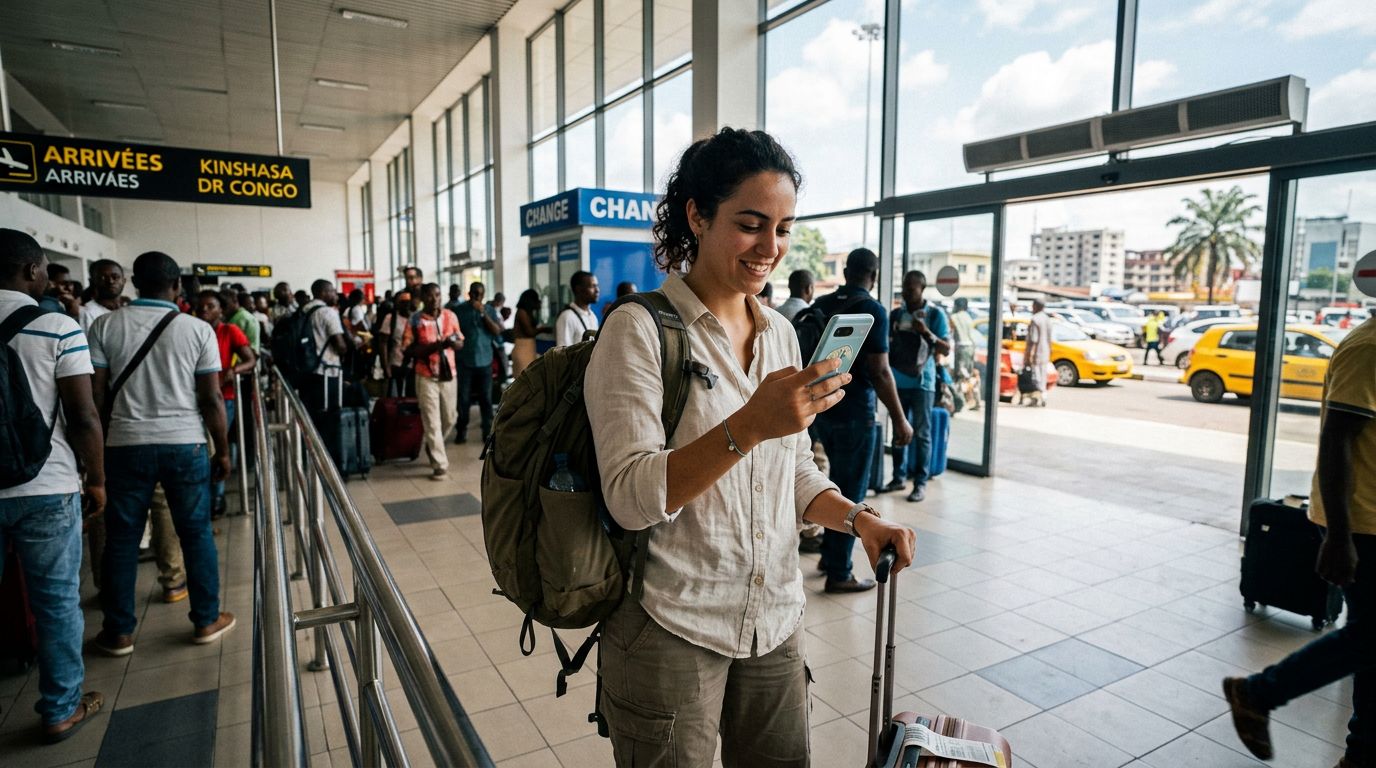
Understanding Connectivity Challenges in Kinshasa
Traveling to the Democratic Republic of the Congo, particularly its bustling capital, Kinshasa, requires a bit of logistical preparation. As one of the largest cities in Africa, Kinshasa is a vibrant hub of commerce, culture, and activity. However, for international visitors, staying connected can be a complex task. Many travelers arrive expecting seamless roaming, only to find that their home carrier’s coverage is either non-existent or prohibitively expensive.
The local telecommunications landscape is dominated by a few major providers. While physical SIM cards are available at kiosks and vendor stalls throughout the city, the process of acquiring one can be time-consuming. You often need to present your passport, register your details, and navigate language barriers or long queues. Furthermore, local SIM cards may require manual configuration of Access Point Names (APNs) to function correctly, which can be a source of frustration for those who just want their maps and messaging apps to work immediately upon landing.
Finding the best way to get data in Congo Kinshasa involves weighing the convenience of modern technology against the traditional methods of physical cards. For many, the goal is to avoid the hunt for a local shop while managing the risks of losing a primary SIM card. This is where digital solutions have changed the experience for international travelers significantly.
The Rise of eSIM Technology for International Travel
The shift toward eSIM, or embedded SIM, technology has simplified how we manage connectivity while abroad. An eSIM is a digital version of a traditional SIM card that is built directly into the hardware of your smartphone. Instead of physically swapping out a tiny plastic chip, you simply download a profile that grants you access to local networks.
This technology is particularly advantageous in a destination like Kinshasa. By using an eSIM, you can keep your primary phone number active for calls or SMS verification from your home country while dedicating your data needs to a secondary, digital plan. This dual-SIM capability ensures you remain reachable for urgent matters while enjoying high-speed internet for navigation, ride-sharing, and translation services.
Before you travel, it is essential to ensure your device is compatible. Most modern smartphones released in the last few years support this feature. You can verify your device’s capabilities by checking the settings menu or visiting the official support pages for your device manufacturer, such as Apple or Google. If your phone is unlocked and supports eSIM, you have eliminated the need to visit a physical store or worry about the logistics of local registration upon arrival.
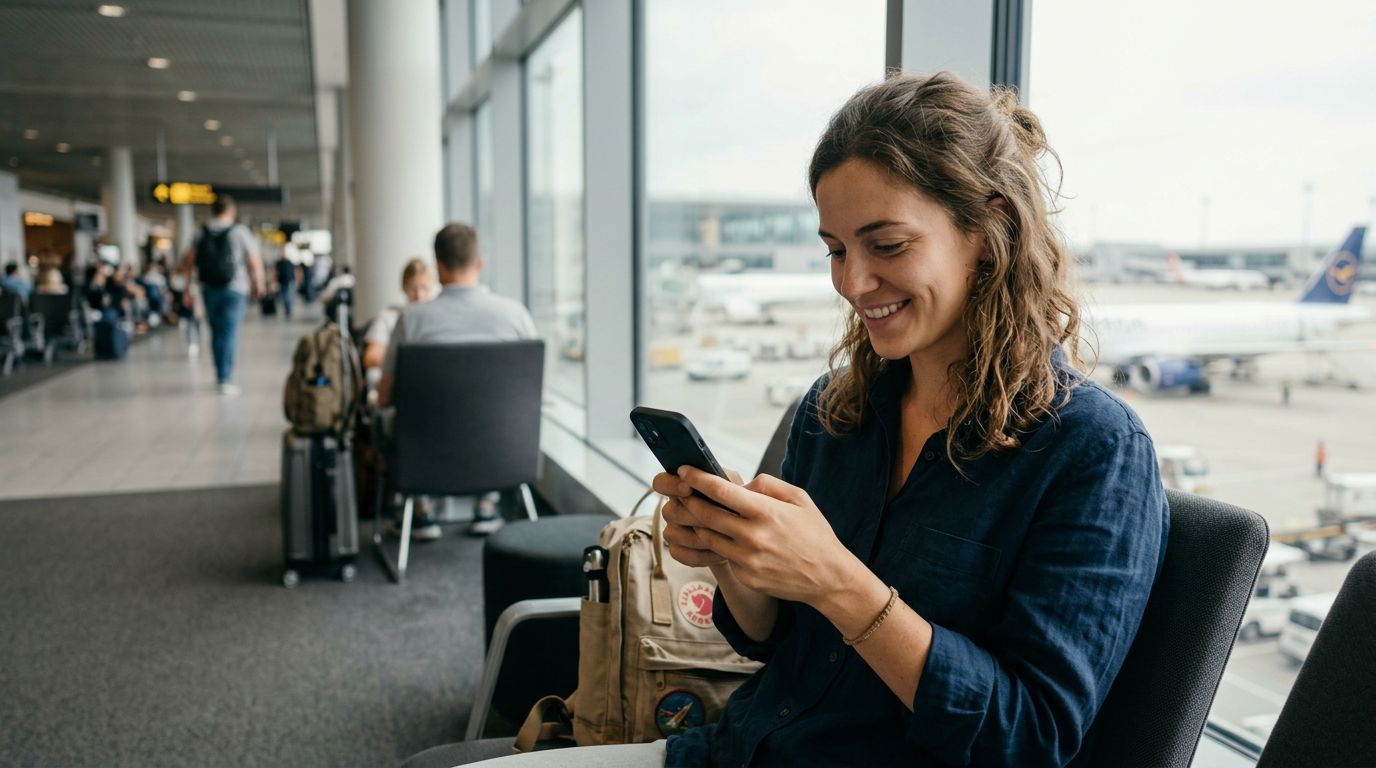
OneTapSIM offers a streamlined approach to this process. By selecting your destination and installing the profile before you even board your flight, you ensure that your phone connects to the network the moment you land. This eliminates the "dead zone" period between leaving the airport and finding a reliable Wi-Fi source, allowing you to secure transport and contact your accommodation immediately.
Practical Tips for Staying Connected in Kinshasa
Beyond choosing the right technology, there are several practical steps to ensure your data usage remains efficient and reliable during your stay in Kinshasa. Data consumption can add up quickly, especially if your phone is set to automatically update apps or back up photos to the cloud.
First, adjust your settings to restrict background data usage. Many applications consume data in the background even when you are not actively using them. By turning off background app refresh for non-essential services, you can preserve your data allowance for the tools that matter most, such as navigation apps or secure messaging platforms.
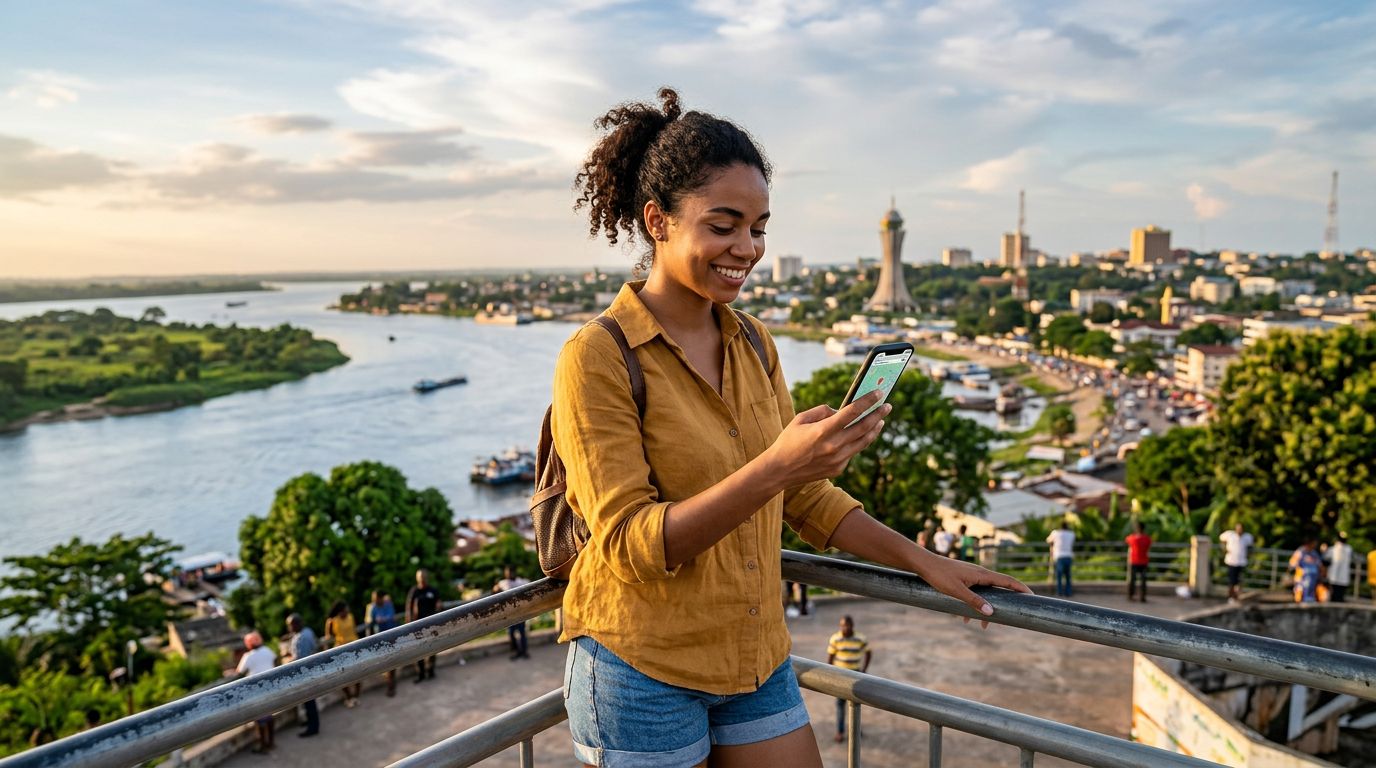
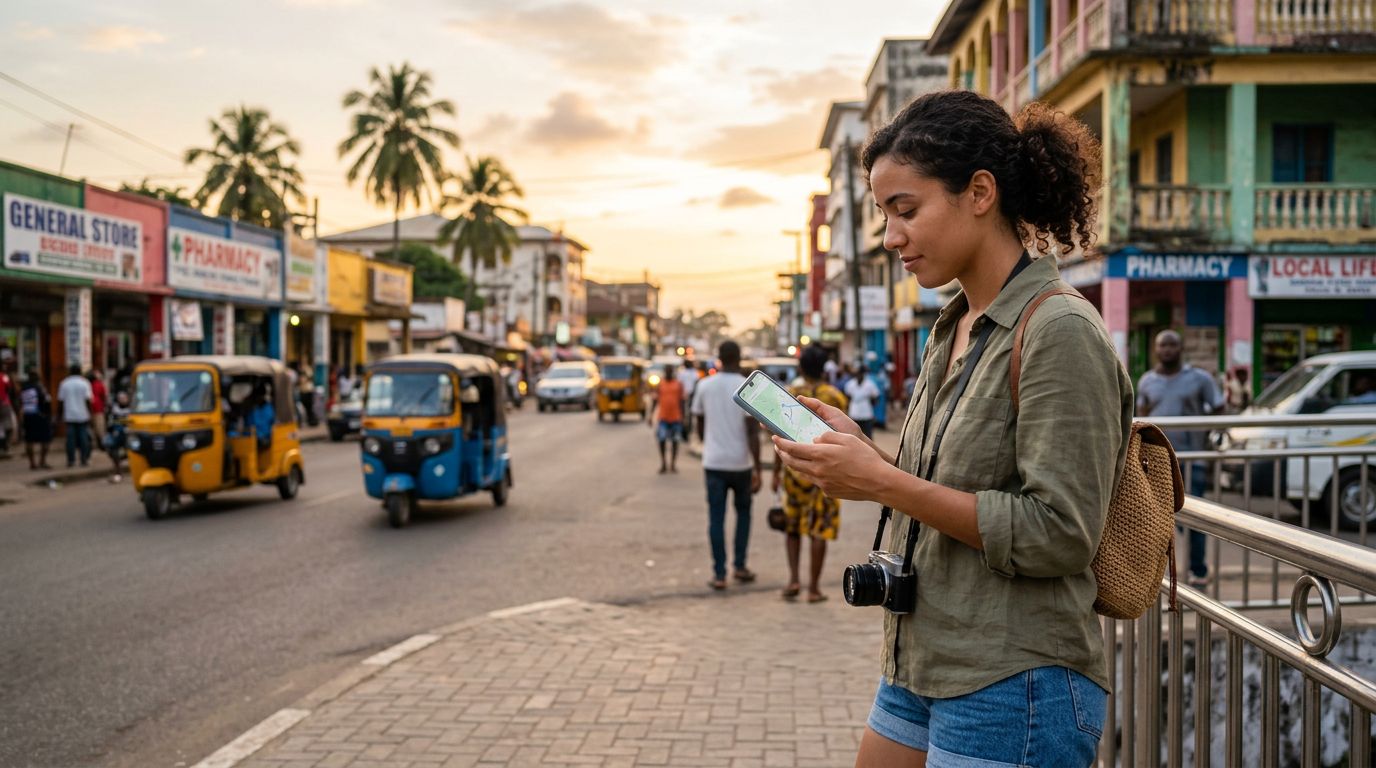
Second, consider downloading offline maps. Kinshasa is a sprawling city, and having a cached version of the city map can be a lifesaver if you find yourself in an area with a weaker signal. Most major mapping services allow you to download large regions for offline use. This ensures that you can always find your way back to your hotel or a known landmark, even if your cellular connection fluctuates.
Third, be mindful of public Wi-Fi. While hotels and some cafes in Kinshasa provide Wi-Fi, these networks are not always secure. Relying on your own data connection through a trusted eSIM provider is generally safer than connecting to open, public networks. If you must use public Wi-Fi for heavy tasks like uploading large files, consider using a virtual private network (VPN) to add an extra layer of encryption to your connection.
Finally, keep a portable power bank with you. Constant use of cellular data, particularly when searching for a signal in a busy city, can drain your battery faster than usual. Having a reliable power source ensures that your phone remains functional throughout the day, allowing you to maintain your connection to the internet whenever you need it.
By preparing your device ahead of time and adopting these habits, you can focus on the unique experiences Kinshasa has to offer rather than the stress of staying connected. Whether you are visiting for business or exploring the local markets, having a reliable data plan is the foundation of a smooth trip. Choosing a digital solution like OneTapSIM allows you to bypass the traditional hurdles of international travel, providing a seamless transition from your home network to the local infrastructure in the Democratic Republic of the Congo. With your connectivity handled, you are free to navigate the city with confidence and ease.
Get an eSIM for
Plans for the destinations covered in this guide, with instant QR delivery.