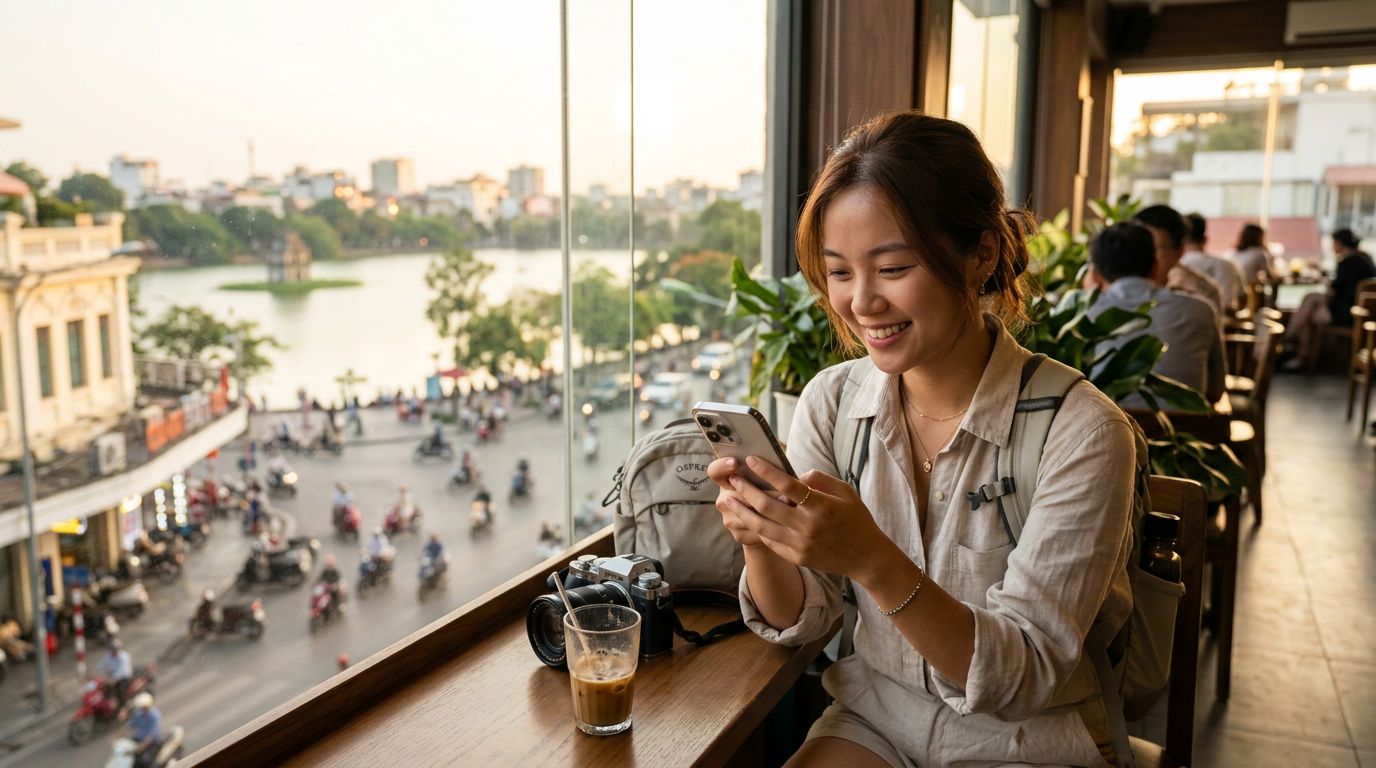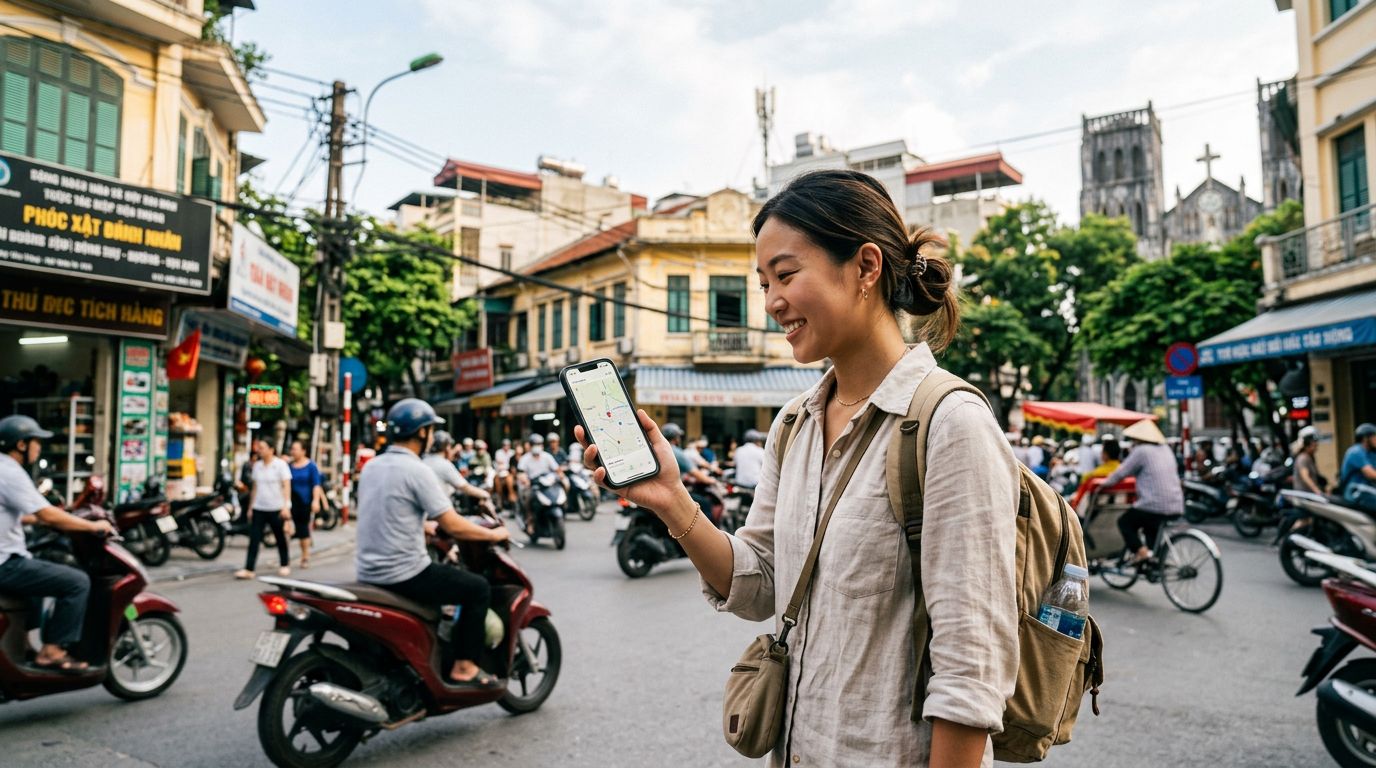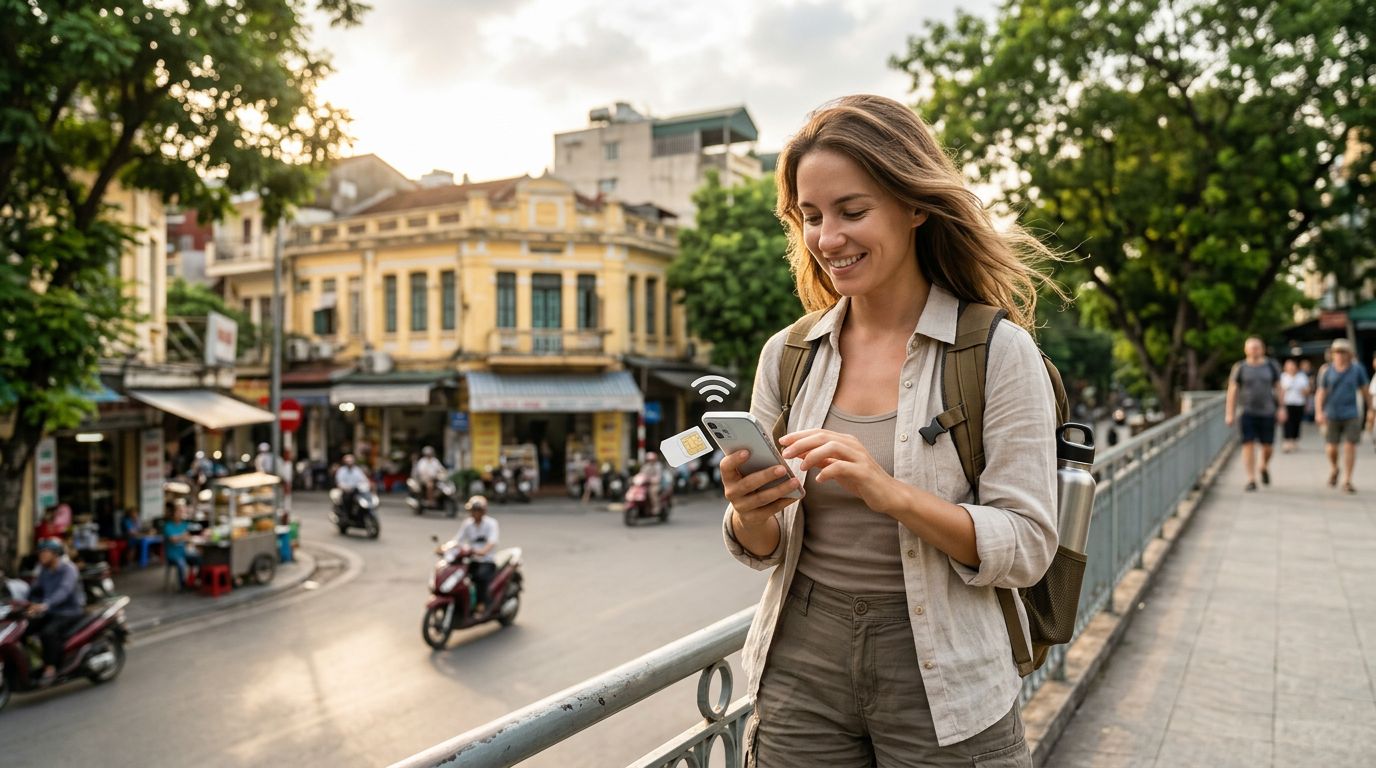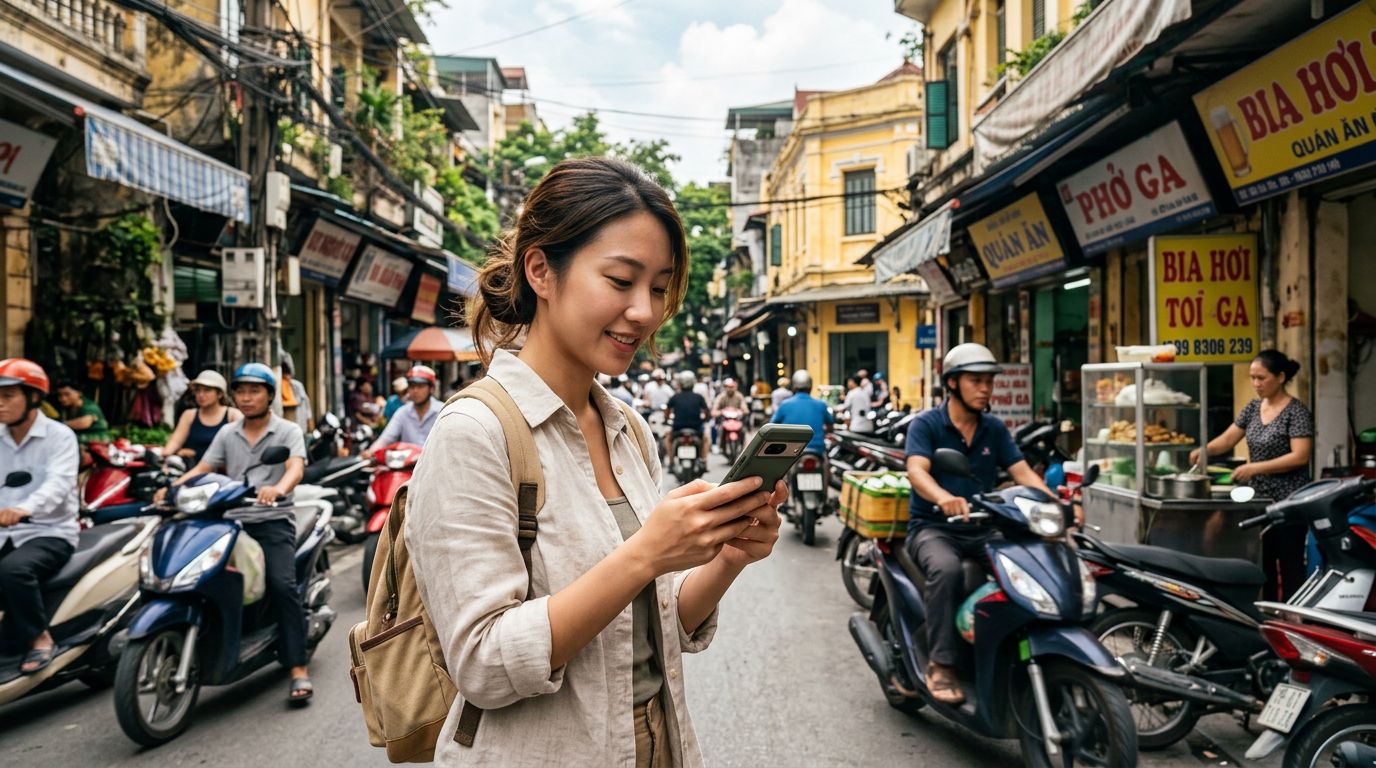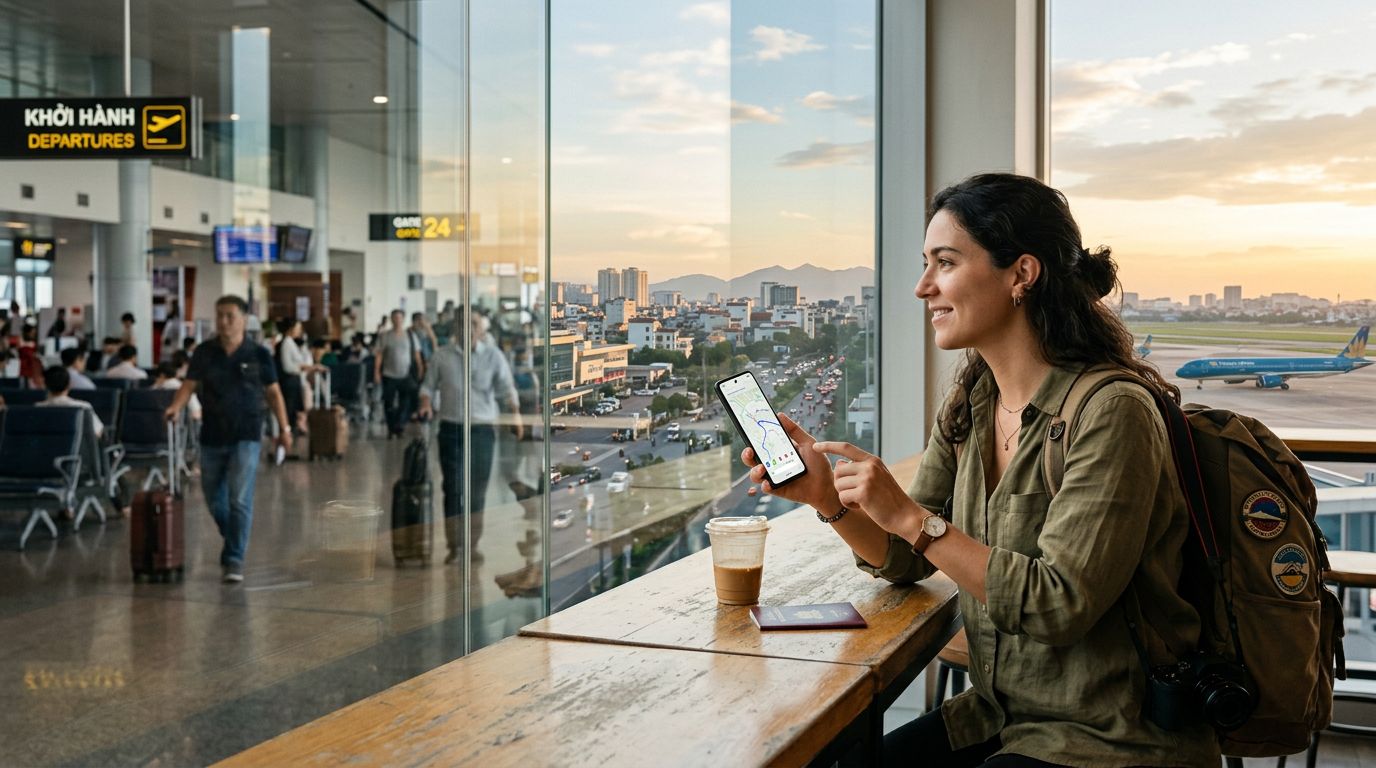
Why an eSIM is Essential for Your Vietnam Adventure
Vietnam is a country of breathtaking landscapes, from the limestone karsts of Ha Long Bay to the bustling streets of Ho Chi Minh City and the ancient charm of Hoi An. As you move between these diverse regions, having a reliable internet connection is vital for using navigation apps, translating local menus, and sharing your travel experiences. For years, travelers relied on physical SIM cards, which often meant hunting for kiosks at the airport or dealing with tiny, easily lost plastic cards.
The landscape of mobile connectivity has shifted toward eSIM technology. An eSIM is a digital SIM card embedded directly into your device’s hardware. By opting for this technology, you eliminate the need to physically swap cards or worry about damaging your original SIM. When you choose the best eSIM for travel to Vietnam, you gain the ability to activate your data plan before you even land at Noi Bai or Tan Son Nhat airport. This means you can call a ride-share service, check your hotel reservation, and start exploring the moment you step off the plane.
Beyond convenience, eSIMs offer superior flexibility. You can maintain your primary phone number for essential calls or messages from home while dedicating your eSIM exclusively to high-speed data. This separation ensures that you stay reachable for emergencies without incurring massive roaming charges from your domestic carrier.
Selecting the Right Connectivity Solution
When searching for the best eSIM for travel to Vietnam, several technical factors determine the quality of your experience. Not all eSIM providers are created equal, and understanding what to look for will save you significant frustration during your trip.
First, consider network coverage. Vietnam has a robust mobile infrastructure, but signal strength can vary depending on whether you are in a major city or a remote mountain village in Sapa. A high-quality provider like OneTapSIM partners with reliable local networks to ensure that you have consistent access to 4G and 5G signals throughout your journey. When a provider offers access to multiple local networks, your device can automatically switch to the strongest available signal, keeping you connected even in areas where one specific carrier might struggle.
Second, evaluate the ease of installation. A user-friendly eSIM experience should involve a simple QR code scan or a direct app-based activation. If you find yourself struggling with complex manual APN settings, the process becomes a burden rather than a benefit. OneTapSIM focuses on a streamlined activation flow, allowing you to get online with minimal technical friction.
Third, look for transparency in data management. You want to know exactly how much data you have consumed and how much remains. Reliable providers offer clear dashboards or notifications so you are never caught off guard by a sudden loss of connectivity. Avoid services that hide their usage terms or make it difficult to top up if you happen to use more data than anticipated while streaming videos or uploading high-resolution photos of your travels.
Preparing Your Device and Ensuring Compatibility
Before you purchase an eSIM, you must confirm that your smartphone is compatible. Most modern flagship devices from the last few years support eSIM technology. You can verify your device’s capabilities by checking the official support pages for Apple or Google. Ensuring your phone is "carrier unlocked" is the most critical step; if your device is locked to a specific domestic provider, it will not be able to utilize an eSIM from a third-party travel service.
Once you have confirmed compatibility, the setup process is straightforward. You will typically receive an email with a QR code or a set of instructions to add a "Cellular Plan" in your phone’s settings menu. It is best to perform this setup while you still have a stable Wi-Fi connection, such as at home or in your hotel, rather than waiting until you are in transit.
When you arrive in Vietnam, you simply toggle your eSIM to the "On" position in your phone’s cellular settings. Make sure your "Data Roaming" is enabled for the eSIM profile—this is a common point of confusion, but it is necessary for the eSIM to communicate with the local network towers. Your primary SIM should be set to "Off" or "Voice Only" to prevent any accidental roaming charges from your home carrier.
Managing your data usage while traveling is also a smart practice. You can monitor your consumption through your phone’s built-in data tracking tools. If you are planning on heavy usage, such as uploading large video files or participating in video calls, try to utilize Wi-Fi whenever it is available at your accommodation. Save your mobile data for when you are out exploring, using maps to find hidden gems, or checking local transit schedules.
By taking these proactive steps, you ensure that your connectivity remains a seamless background element of your trip rather than a source of stress. Whether you are navigating the labyrinthine alleys of Hanoi’s Old Quarter or enjoying a quiet moment on a beach in Da Nang, having a stable data connection provided by a reliable service like OneTapSIM allows you to focus on the sights, sounds, and flavors of Vietnam. With the right eSIM setup, you are fully equipped to handle the logistics of travel, leaving you free to enjoy the adventure of a lifetime.