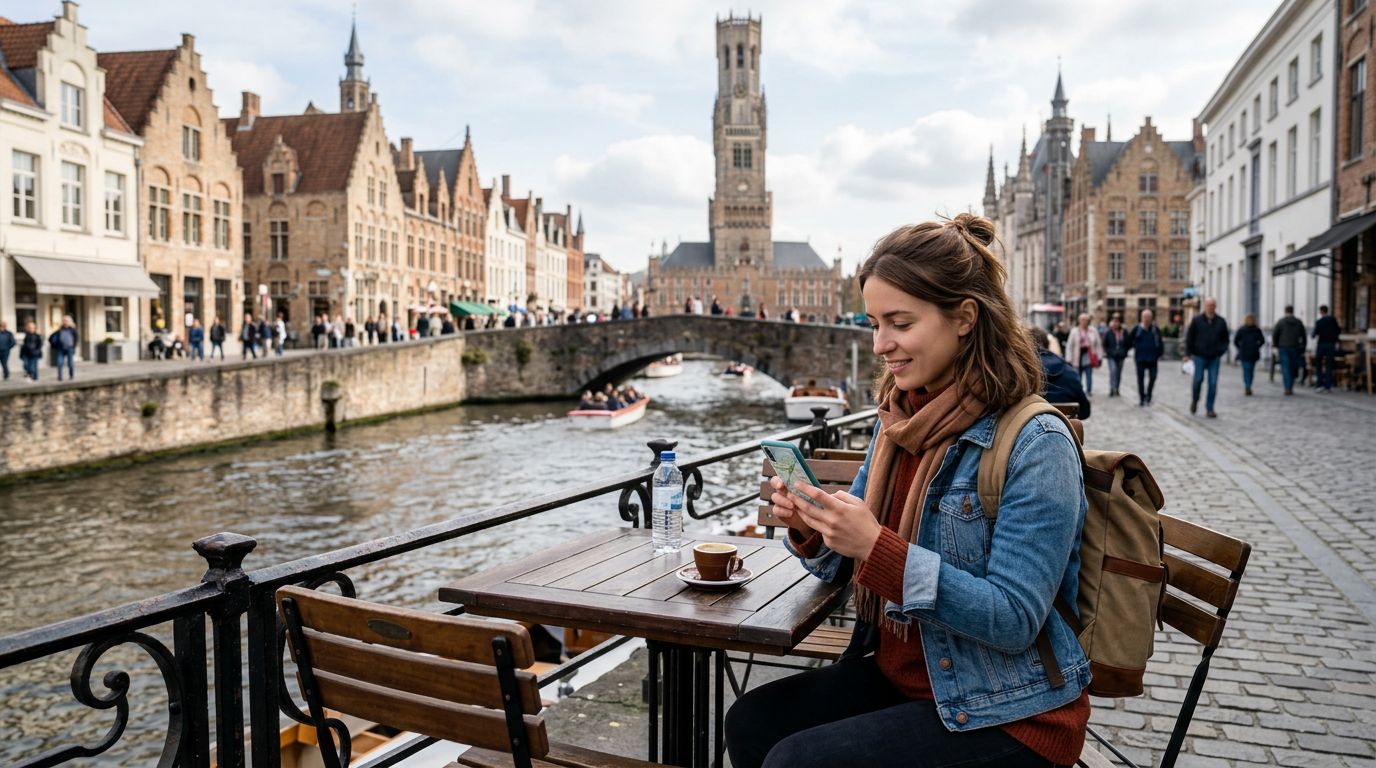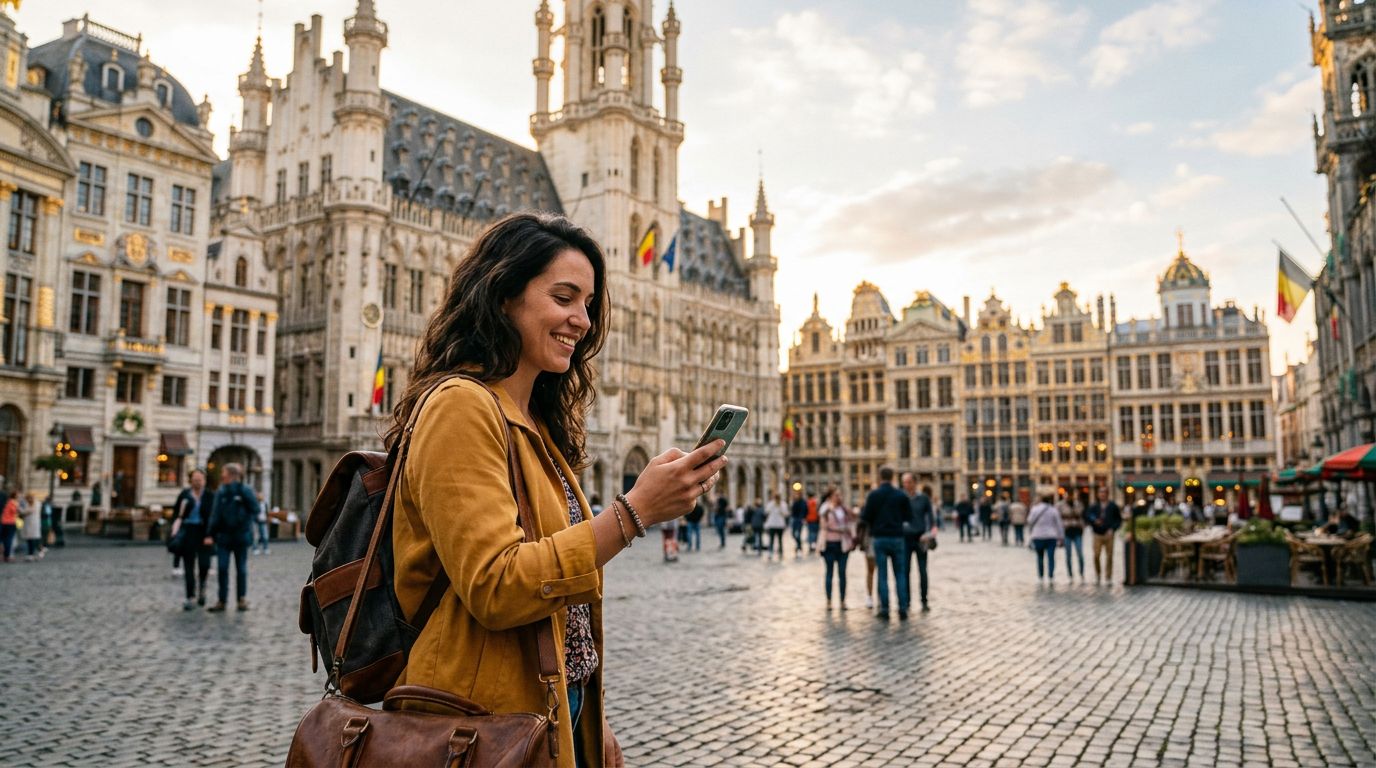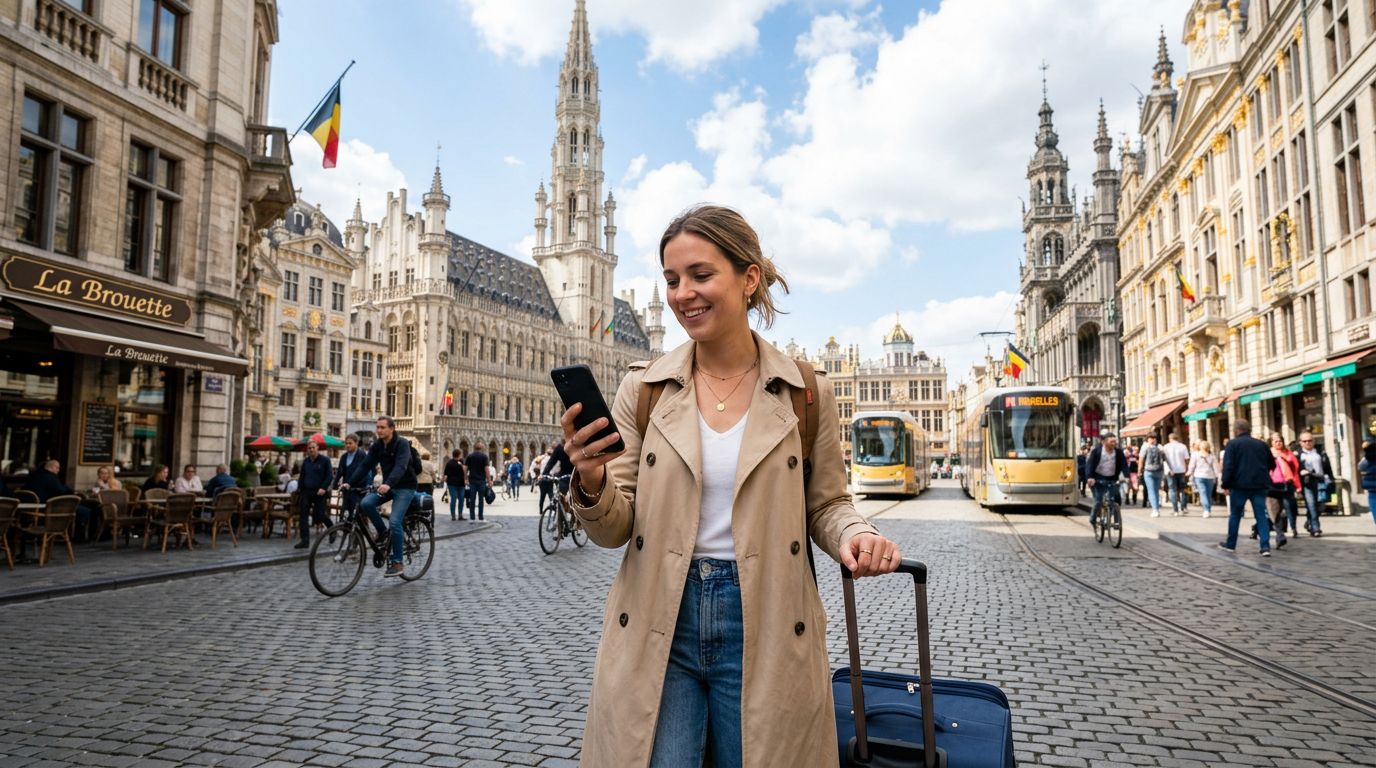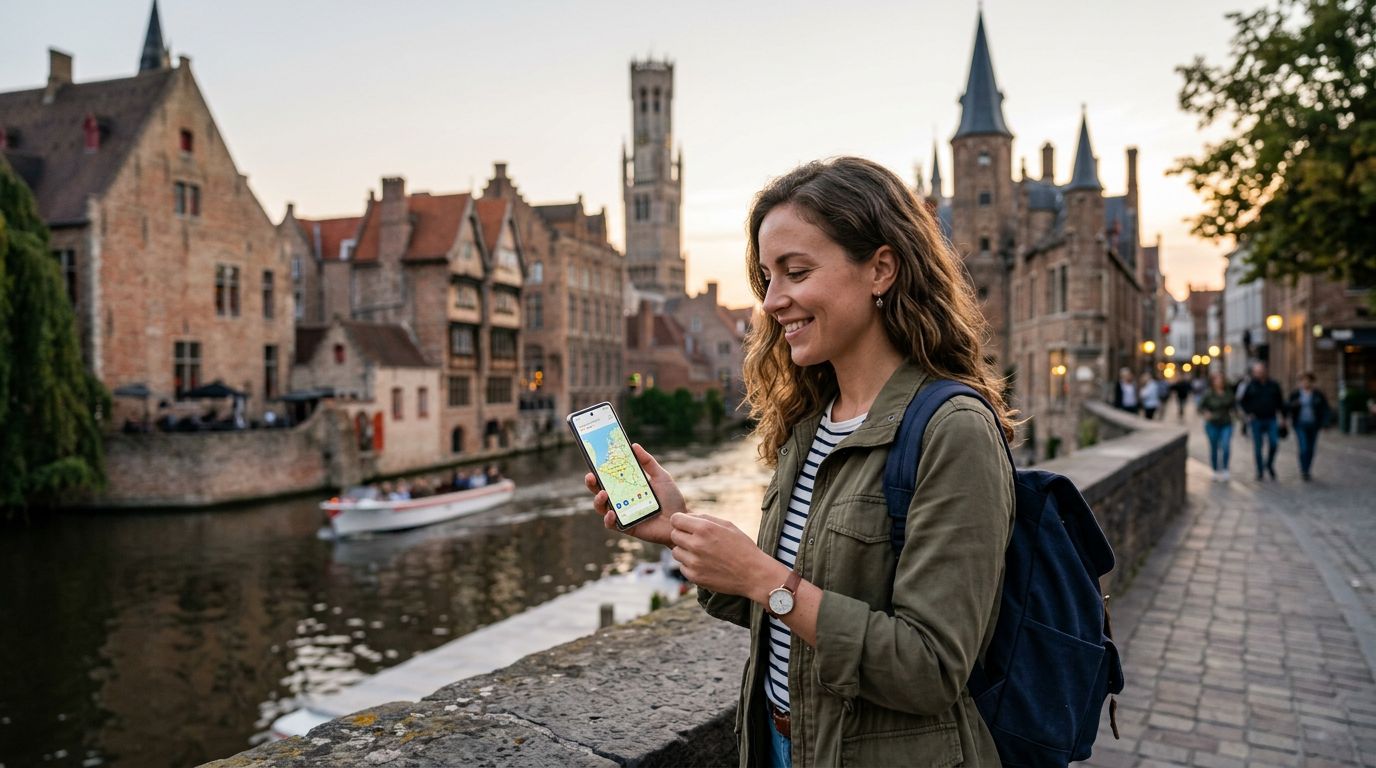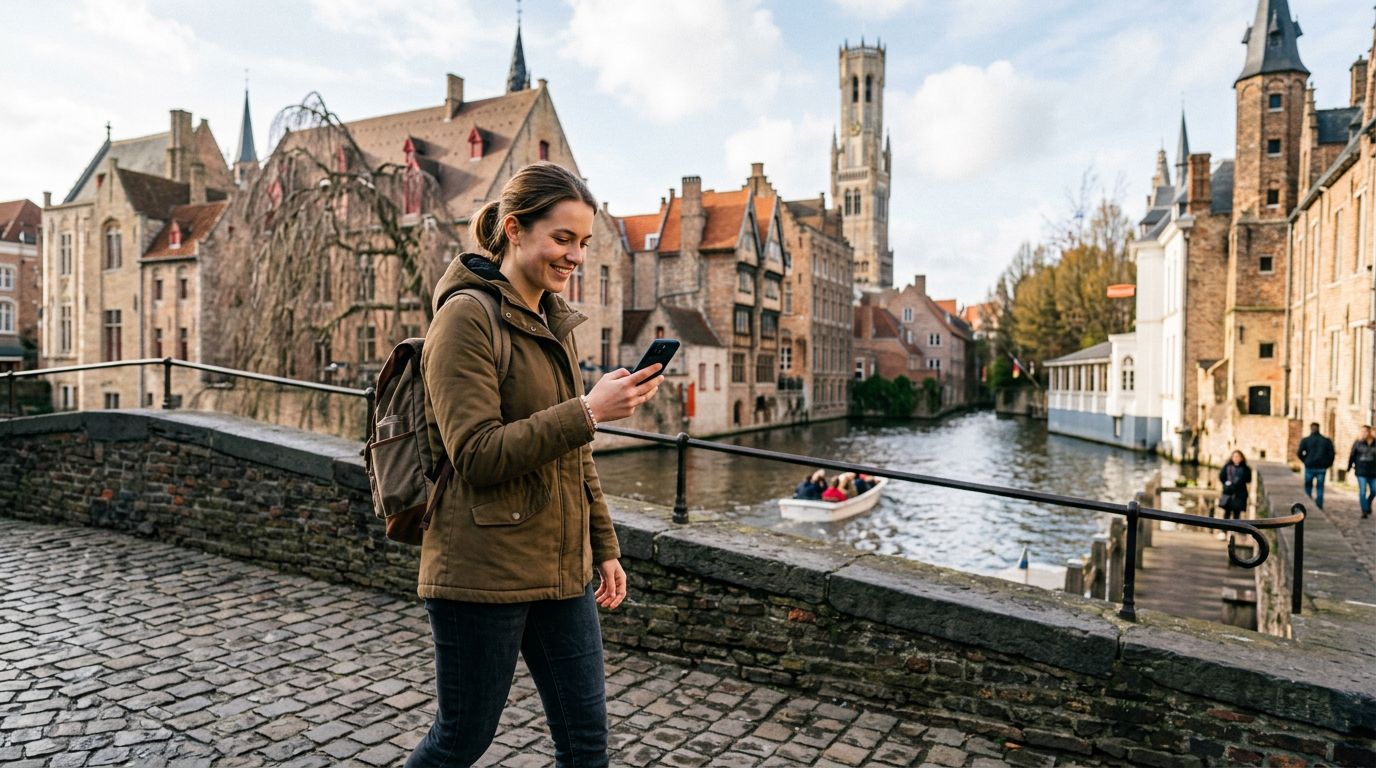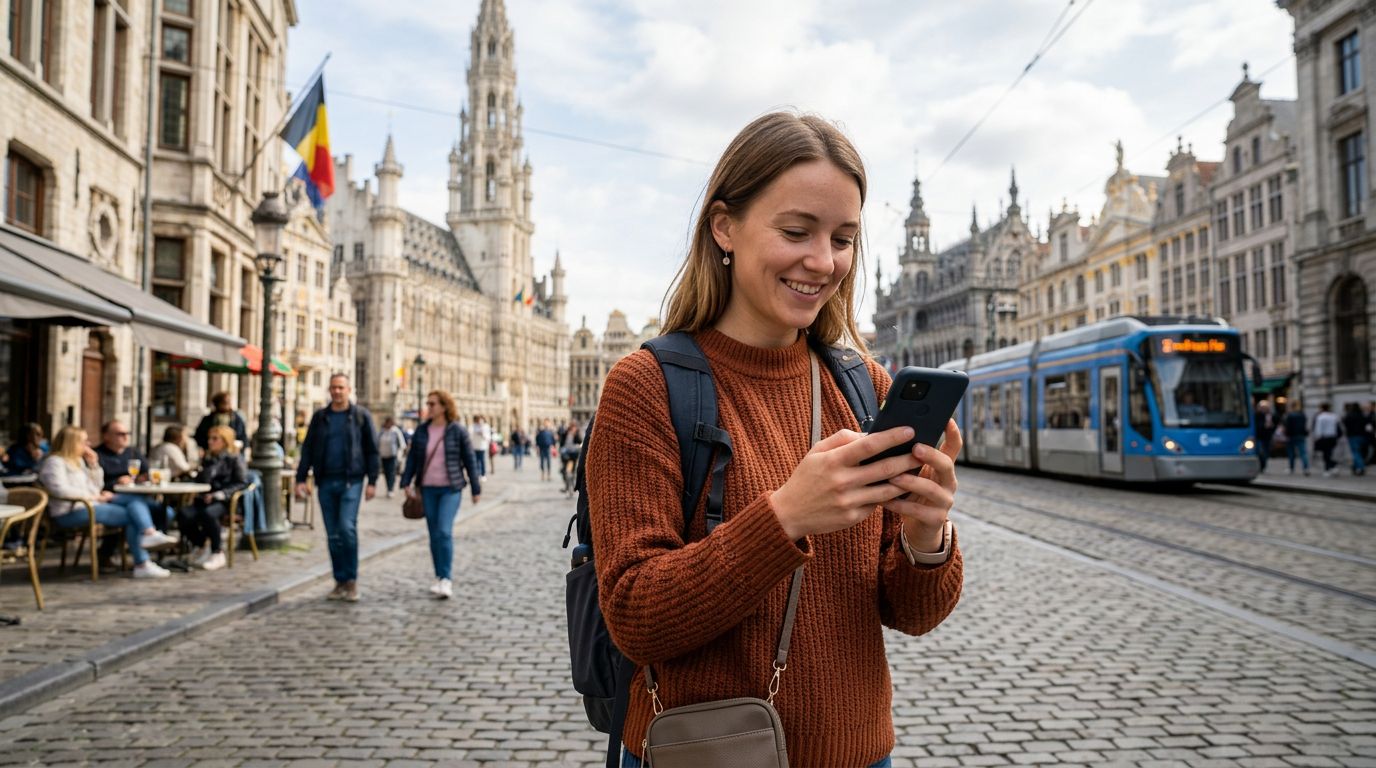
Planning a trip to Belgium involves checking off many boxes: booking train tickets between Brussels and Bruges, finding the perfect chocolate shop, and ensuring you have a reliable way to stay connected. Whether you are navigating the winding streets of Ghent or checking your itinerary while waiting for a tram in Antwerp, having mobile data is essential. When deciding between a traditional Belgium SIM card vs eSIM, travelers often find themselves weighing convenience against tradition.
Understanding the Differences Between Physical SIMs and eSIMs
A physical SIM card is the standard plastic chip that has been the backbone of mobile telecommunications for decades. To use one in Belgium, you typically need to visit a mobile operator’s store, present your passport for registration, and manually insert the card into your device’s SIM tray. This process can be time-consuming, especially if you arrive at the airport after a long flight and find a queue at the local kiosk.
An eSIM, or embedded SIM, is a digital version of that physical chip. It is built directly into the hardware of modern smartphones. Instead of swapping out a physical card, you activate an eSIM by scanning a QR code or installing a profile through an app. Because the technology is digital, you can purchase and set up your connection before you even leave your home country. This eliminates the need to hunt for a store upon arrival or worry about losing a tiny piece of plastic.
The primary difference lies in the user experience. A physical SIM requires a physical interaction with your device, which carries the risk of damaging your phone’s SIM tray or losing your original home SIM card. An eSIM allows your device to manage multiple profiles simultaneously, meaning you can keep your home number active for calls while using a secondary data-only profile for your Belgian adventures.
Why Travelers Are Switching to eSIMs for Belgium
The shift toward eSIM technology is largely driven by the desire for seamless travel. When you land at Brussels Airport, your priority is usually getting to your accommodation as quickly as possible. With a traditional SIM card, you might spend an hour searching for a vendor, waiting for assistance, and configuring settings. With an eSIM, your connection is often ready the moment the plane touches the runway.
OneTapSIM provides a streamlined way to handle this process. By selecting your destination and installing the profile ahead of time, you bypass the logistical hurdles associated with foreign mobile providers. This is particularly beneficial for travelers visiting multiple countries on a European tour. Many eSIM plans are designed to cover the entire European Union, allowing you to cross borders without needing to buy a new SIM card every time you enter a different country.
Another significant advantage is the preservation of your home SIM. Many people worry about missing important messages or two-factor authentication codes while traveling. With an eSIM, you do not have to remove your primary SIM card. You can keep your main number active for essential communications while routing your data traffic through the eSIM. This ensures that you stay connected to your home network for emergencies while enjoying high-speed local data for maps, translation apps, and social media.
Considerations for Your Device and Compatibility
Before deciding between a Belgium SIM card vs eSIM, you must verify that your device is compatible. While most flagship smartphones released in the last few years support eSIM technology, it is always wise to check your specific model settings. You can verify this by checking your phone’s cellular or mobile network menu to see if there is an option to "Add eSIM" or "Add Cellular Plan."
If your phone is locked to a specific carrier, you may face obstacles with both physical SIMs and eSIMs. A carrier-locked phone will reject any SIM card—physical or digital—that is not from your home provider. If you find yourself in this situation, you will need to contact your home carrier to request an unlock before your trip. If your phone is unlocked, you have the freedom to choose whichever method suits your travel style best.
For those who prefer the digital route, the installation process is straightforward. Once you purchase your plan, you receive instructions on how to activate the profile. On most modern devices, this involves scanning a QR code provided by your service provider or entering details manually in your settings menu. Once activated, the eSIM acts just like a local connection, providing you with the reliable data speeds you need to navigate the cobblestone streets of Europe.
Making the Right Choice for Your Journey
The decision ultimately comes down to your personal comfort with technology and your specific travel needs. If you are someone who enjoys the tactile experience of a physical card and feels more comfortable having a tangible object in your phone, a local Belgium SIM card remains a functional, albeit slightly more complex, option. You will need to ensure your phone is unlocked, find a store that sells tourist-friendly packages, and manage the physical swap.
However, if you prioritize efficiency, security, and the ability to hit the ground running, the eSIM is the superior choice. It removes the stress of language barriers at mobile kiosks and ensures that your primary SIM card remains safely tucked away in your phone. By preparing your connectivity in advance with services like OneTapSIM, you gain the peace of mind that comes with knowing your maps and travel tools will work the second you arrive.
As you finalize your plans for Belgium, consider how much time you want to spend on logistics. A trip is meant to be enjoyed, and spending your first afternoon in a retail store is rarely the highlight of a vacation. By opting for the digital flexibility of an eSIM, you ensure that your focus remains on the waffles, the architecture, and the history of Belgium rather than the technicalities of your mobile data. Whether you choose the traditional path or the modern digital route, the most important thing is that you have the connectivity required to make your trip smooth, safe, and memorable.
Get an eSIM for
Plans for the destinations covered in this guide, with instant QR delivery.