Understanding Your Connectivity Options in the Bahamas
Planning a trip to the Bahamas involves more than just packing swimwear and sunscreen. Staying connected while island-hopping or lounging on the beach is a priority for most modern travelers. When you arrive, you generally have two main ways to access mobile data: purchasing a physical SIM card locally or activating an eSIM before you leave.
A traditional physical SIM card is the method most travelers have used for decades. It involves visiting a local carrier store, providing identification, and inserting a small plastic chip into your phone. While reliable, this process can be time-consuming, especially if you land at a busy airport or arrive during off-hours when shops are closed. You also run the risk of losing your original home SIM card, which is small and easily misplaced during the swapping process.
On the other hand, an eSIM—or embedded SIM—is a digital alternative. Because it is built directly into the hardware of modern smartphones, you do not need to physically swap anything. You simply download a profile, activate it, and you are ready to go. For those traveling to the Bahamas, comparing a Bahamas SIM card vs eSIM for travelers is essential to ensure your trip remains stress-free. With a service like OneTapSIM, you can manage your connectivity from your device without ever needing to step foot in a retail outlet.
The Pros and Cons of Physical SIM Cards
Physical SIM cards have long been the standard for international travel. If you choose this route in the Bahamas, you will likely head to a local carrier’s kiosk or storefront. The primary advantage of this method is that it provides a local phone number, which can be useful if you need to make local calls to hotels, excursion operators, or restaurants.
However, the downsides are significant. First, there is the "airport tax" on your time. After a long flight, the last thing most people want to do is stand in a queue, fill out paperwork, and wait for a clerk to configure a new SIM card. Furthermore, if you are visiting multiple islands, you may find that coverage varies depending on the provider you choose. If you run into technical issues, you are often at the mercy of the store’s operating hours.
Another critical factor is the vulnerability of your original SIM card. Travelers often struggle to keep their home SIM safe while it is removed from their phone. If you lose it, you lose your ability to receive two-factor authentication codes or urgent calls from back home once you return. For many, the convenience of avoiding the physical swap makes the Bahamas SIM card vs eSIM for travelers debate lean heavily toward the digital option.
Why eSIM is the Modern Choice for Bahamas Travel
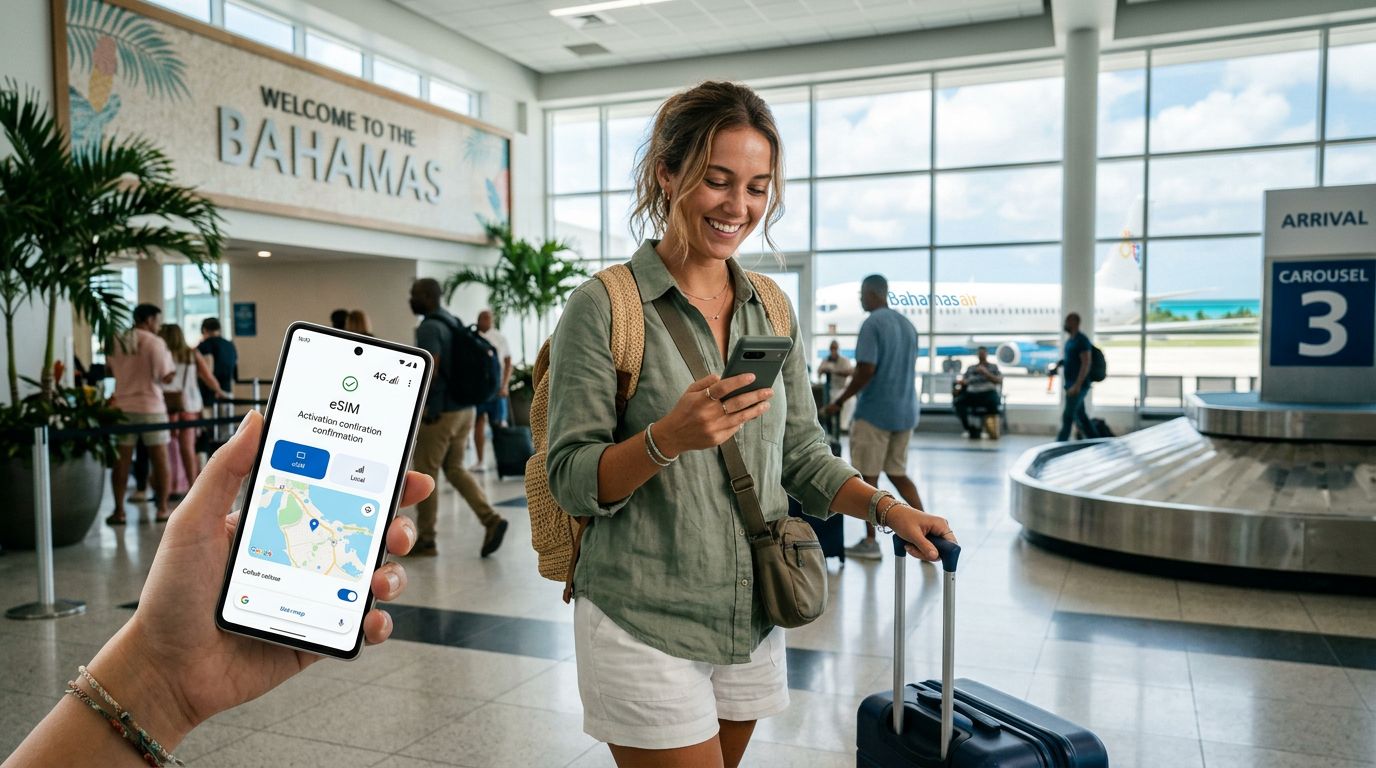
The shift toward eSIM technology has been driven by the desire for seamless transitions. When you use a provider like OneTapSIM, the entire setup process happens digitally. You can purchase and install your data plan while sitting on the plane or even before you leave your house. As soon as your wheels touch down in Nassau or Freeport, your phone connects to the local network automatically.
One of the biggest advantages of an eSIM is the ability to keep your home SIM card active for essential calls or texts while using a secondary eSIM for data. This dual-SIM functionality means you never have to remove your primary SIM card, eliminating the risk of losing it. You can simply toggle between your home line and your travel data plan through your phone’s settings menu.
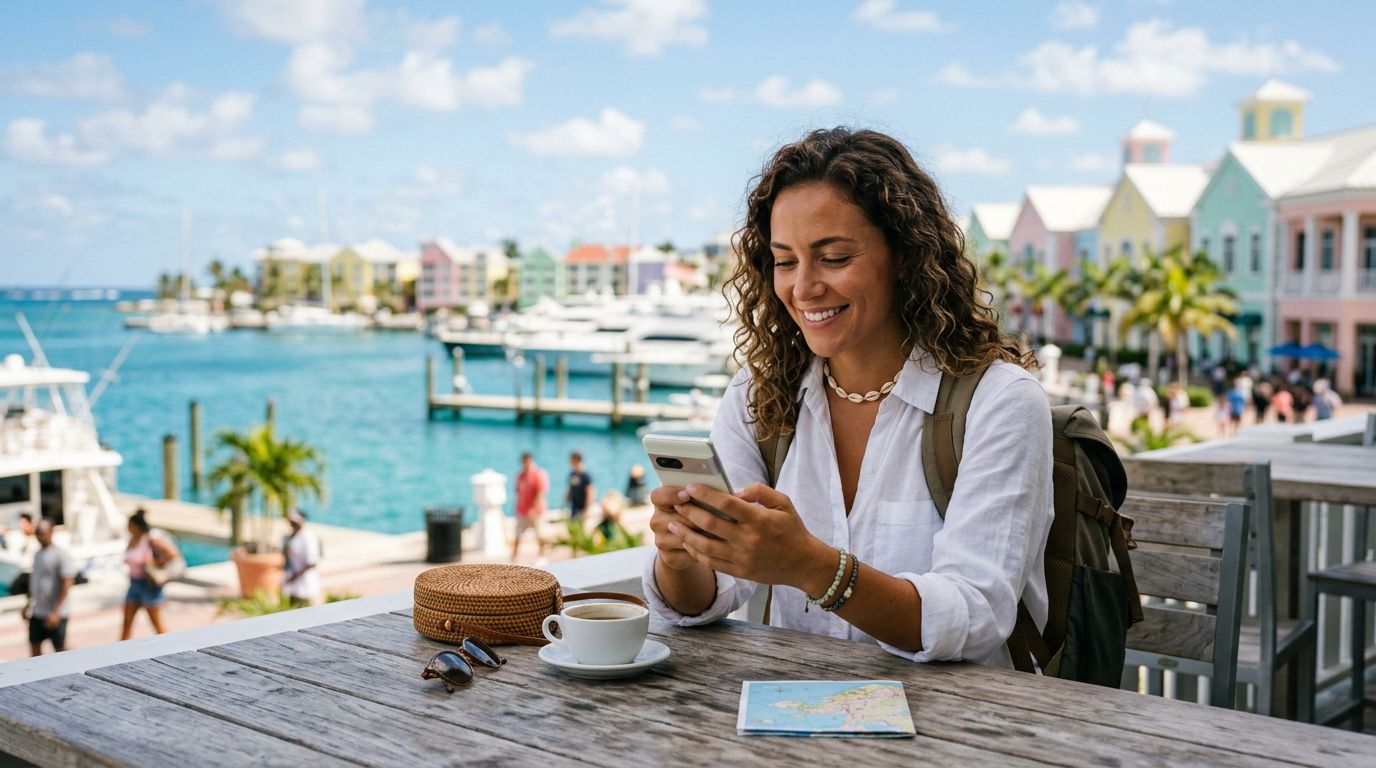
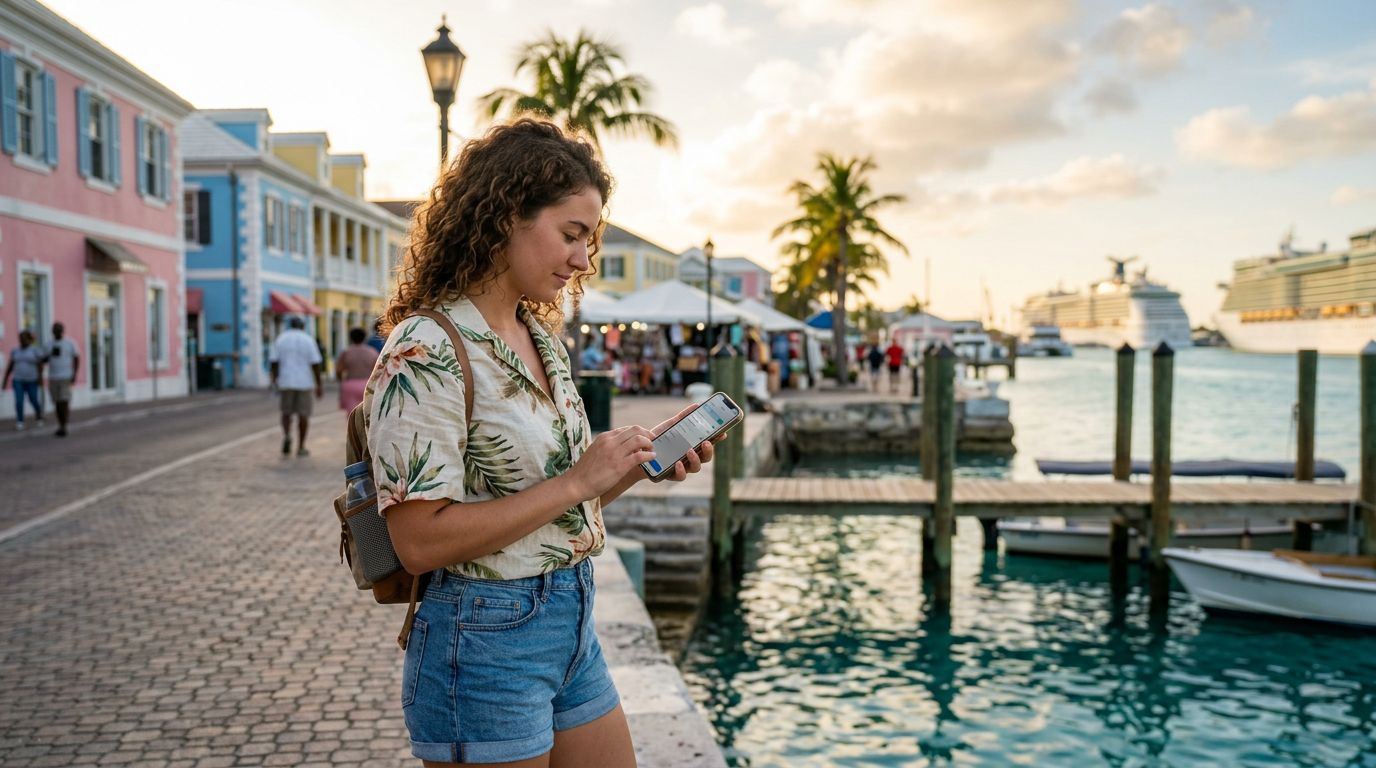
Reliability and ease of use are also major factors. Because eSIMs are handled through software, they are less prone to the mechanical failures associated with damaged plastic chips or dirty SIM slots. If you encounter a connectivity issue, troubleshooting is often as simple as toggling your airplane mode or refreshing your network settings. This level of control is particularly beneficial when you are exploring the remote cays or moving between different resorts where reliable internet access is necessary for maps, booking reservations, and sharing photos.
Making the Right Decision for Your Journey
When deciding between a Bahamas SIM card vs eSIM for travelers, your specific needs will dictate the winner. If you absolutely require a local phone number for extensive voice calling, a physical SIM might be necessary. However, for the vast majority of travelers who primarily use data for navigation, social media, messaging apps, and email, an eSIM is the superior choice.
The flexibility offered by digital plans allows you to monitor your data usage in real-time. You are not locked into a physical card that might expire or require a manual top-up at a physical location. If your trip is extended, you can often purchase additional data through your provider’s interface without needing to find a local shop.
Before you finalize your travel plans, check if your device is eSIM-compatible. Most smartphones released in the last few years support this technology. You can verify your phone’s capabilities by checking the manufacturer’s official support pages. If your device is compatible, the transition to an eSIM is straightforward. By opting for a service like OneTapSIM, you remove the logistical hurdles of international travel, allowing you to focus on the turquoise waters and white sands of the Bahamas rather than the technicalities of your mobile connection.
Ultimately, the goal of any vacation is to minimize stress and maximize enjoyment. By choosing the right connectivity solution before you arrive, you ensure that your phone is a helpful tool rather than a source of frustration. Whether you are heading to the Bahamas for a quick weekend getaway or a long-term island retreat, having your data ready to go the moment you land is the best way to start your trip.
Get an eSIM for
Plans for the destinations covered in this guide, with instant QR delivery.