The Arrival Dilemma: Why Connectivity Matters in Fiji
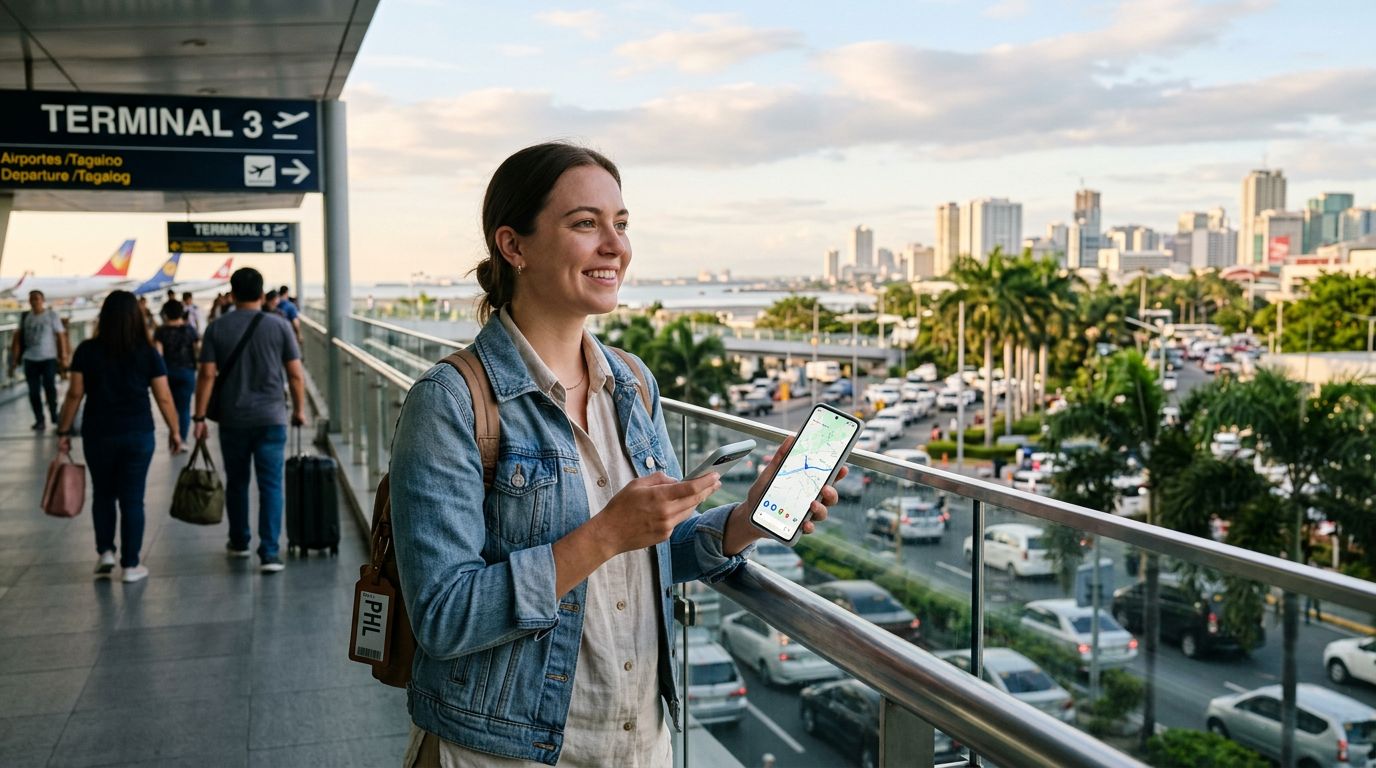
Stepping off the plane at Nadi International Airport, the humid tropical air hits you immediately, signaling that your Fijian getaway has officially begun. You might be eager to share photos of the lush mountains or coordinate a taxi to your resort, but a common obstacle stands in your way: the lack of immediate mobile data. For years, travelers have relied on the traditional method of hunting for a physical SIM card kiosk inside the terminal. However, the rise of digital technology has introduced a more efficient alternative.
Comparing an airport SIM vs eSIM in Fiji reveals a stark contrast in convenience. When you land, your priority is usually to reach your accommodation or start your vacation without unnecessary delays. Standing in a queue at an airport kiosk, filling out paperwork, and physically swapping out your home SIM card can feel like a chore after a long flight. An eSIM, by contrast, allows you to remain connected from the moment your wheels touch the tarmac, provided you have set it up beforehand. By understanding the differences between these two options, you can choose the method that best aligns with your travel style and technical comfort level.
The Traditional Airport SIM Experience
Purchasing a physical SIM card at the airport is a time-honored tradition for international travelers. Upon arriving at Nadi, you will typically find kiosks operated by local telecommunications providers. These booths are designed to capture the attention of tourists who have just arrived and are desperate for data.
The primary advantage of a physical SIM is its simplicity for those who are less tech-savvy. You hand over your passport, pay for a package, and a staff member performs the installation for you. If your phone has a physical tray, this method is reliable and straightforward. However, there are notable downsides. Airport kiosks are often crowded, especially during peak arrival times when multiple international flights land simultaneously. You may find yourself waiting in line for thirty minutes or more, which is the last thing you want to do after a long journey.
Furthermore, physical SIM cards come with the risk of loss or damage. You have to remove your primary SIM card from your phone to insert the local one. If you are not careful, it is easy to misplace your home SIM, which can cause significant stress when you return home and need to switch back. Additionally, some travelers find that the local networks provided at airport kiosks have limited data caps or restrictive speed tiers that may not be clearly explained during the hurried transaction process.
The Modern Advantage of eSIM Technology
The eSIM, or embedded SIM, has transformed how we stay connected while traveling. Because it is a digital version of a physical SIM card, there is no hardware to swap and no risk of losing your original card. You simply download a profile to your device, and you are ready to go.
When considering an airport SIM vs eSIM in Fiji, the eSIM offers unparalleled flexibility. You can purchase and install your data plan days or even weeks before your departure. Once you land in Fiji, you simply toggle the eSIM on in your phone’s settings, and your phone will connect to the local network automatically. This eliminates the need to find a kiosk, wait in line, or interact with physical hardware.
OneTapSIM provides a streamlined way to manage this process. By choosing a digital solution, you ensure that your primary phone number remains active for incoming calls or SMS, while your data is routed through the local Fijian network. This is particularly useful for travelers who need to keep their home number reachable for emergencies or work-related communications while using a separate data bucket for mapping, social media, and travel research.
Compatibility is the only major factor to consider. Before opting for an eSIM, you must ensure that your device is unlocked and supports eSIM technology. Most modern smartphones released in the last few years are compatible, but it is always wise to check your device settings or consult the manufacturer’s support pages if you are unsure. If your phone supports it, the transition to an eSIM is almost always the superior choice for a stress-free arrival.
Making the Right Choice for Your Fijian Vacation
Deciding between a physical card and an eSIM comes down to your personal preferences regarding preparation and convenience. If you are someone who enjoys the tactile experience of a physical card and prefers having a local representative install it for you, the airport kiosk remains a viable option. It is a familiar process that has served millions of travelers well over the years.
However, if you value your time and want to avoid the friction of airport logistics, the eSIM is clearly the better path. The ability to bypass the airport queue and walk directly to your transport is a massive advantage. You arrive in Fiji with a plan already in place, allowing you to focus on the turquoise waters and white sandy beaches rather than finding a place to buy a mobile connection.
When you use a service like OneTapSIM, you are essentially buying peace of mind. The setup process is designed to be user-friendly, ensuring that you spend less time configuring your phone and more time enjoying the Fijian culture. As mobile technology continues to evolve, the reliance on physical kiosks at airports is likely to decrease, favoring the seamless, instant activation provided by digital SIMs.
Ultimately, your trip to Fiji should be about relaxation and discovery. Whether you choose to deal with a physical SIM at the airport or opt for the digital efficiency of an eSIM, the most important thing is that you have a plan before you leave home. By weighing the pros and cons of the airport SIM vs eSIM in Fiji, you are taking a proactive step toward a smoother, more enjoyable travel experience. Pick the method that makes you feel most prepared, and you will be ready to explore everything the islands have to offer from the moment you arrive.
Get an eSIM for
Plans for the destinations covered in this guide, with instant QR delivery.