Understanding Your Connectivity Options in Fiji
Planning a trip to the islands of Fiji involves a fair amount of logistics, from choosing the right resort to packing your gear. One of the most important decisions you will make is how you intend to stay connected while exploring the archipelago. Whether you are island hopping between the Mamanucas or heading to the remote reaches of Vanua Levu, having reliable internet access is essential for maps, translation, and sharing your experiences.
When comparing a Fiji SIM card vs eSIM, you are essentially choosing between a traditional physical approach and a modern digital solution. A physical SIM card requires you to swap out your home carrier’s chip for a local one, while an eSIM is a digital version of that same technology embedded directly into your phone’s hardware. Both options allow you to access local networks, but the experience of acquiring, installing, and managing them differs significantly.
For many travelers, the convenience of digital connectivity has made the physical SIM card feel like a relic of the past. However, understanding the nuances of how these technologies function in the Fijian landscape will help you decide which path is right for your specific device and travel style.
The Traditional Approach: Physical SIM Cards
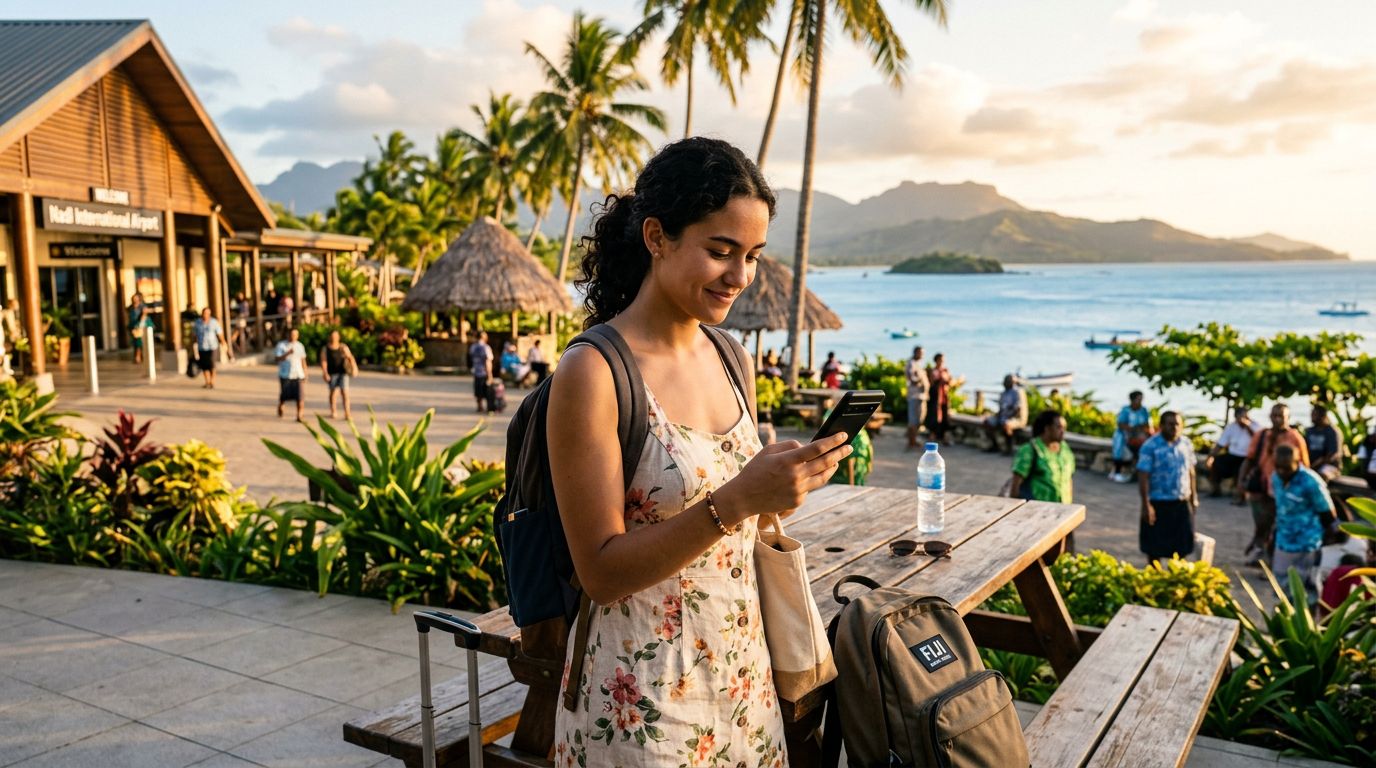
The standard method for getting connected in Fiji has long been the purchase of a physical SIM card. Upon arrival at Nadi International Airport, you will typically find kiosks operated by local telecommunications providers. These booths are designed to serve international arrivals, offering various data packages that cater to tourists.
The process is straightforward but requires a few specific steps. You must physically remove your home SIM card from your phone, store it in a safe place, and insert the new Fijian card. This requires a SIM ejector tool, which is easy to lose. If you are not careful, you risk damaging your original card or losing it entirely, which can cause significant headaches when you return home and need to switch back to your primary service provider.
Furthermore, purchasing a physical card often involves waiting in line at the airport. After a long flight, standing in a queue to register your passport and set up a new plan can be frustrating. You are also at the mercy of the kiosk’s operating hours. If you arrive on a late-night flight, you might find the service desks closed, leaving you without connectivity until the following morning. While this method is reliable once the card is installed, the physical logistics can be a burden for travelers who prioritize efficiency and ease of use.
The Modern Advantage: eSIM Technology
Digital SIM technology, or eSIM, has transformed how travelers manage international connectivity. Because the eSIM is built into the software of your device, you do not need to handle tiny plastic chips or carry ejector tools. Instead, you can activate your connection through a simple digital process.
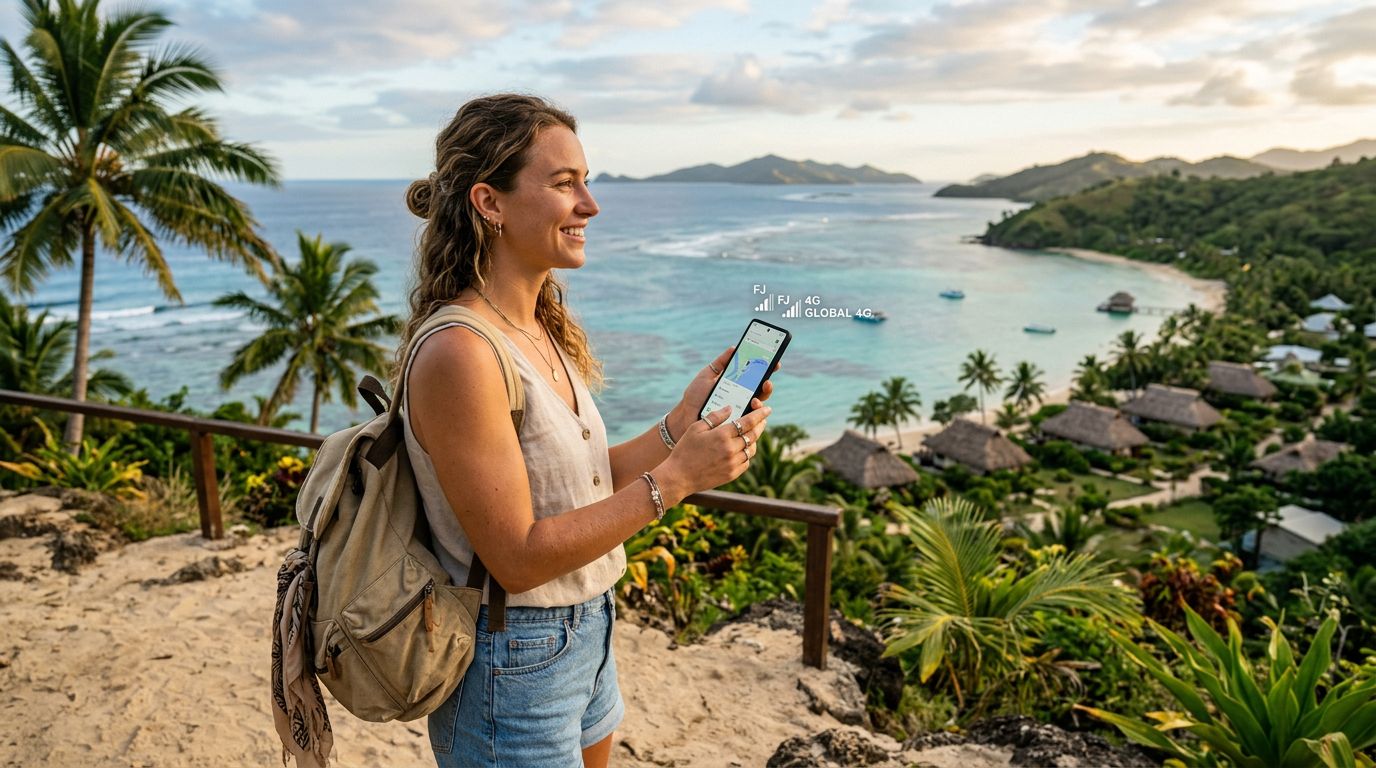
One of the primary benefits of using an eSIM, such as those provided by OneTapSIM, is the ability to set up your connection before you even leave your home country. By purchasing and installing your data plan in advance, you ensure that as soon as your plane touches down in Fiji, your phone will automatically connect to a local network. This eliminates the need to hunt for a kiosk or navigate language barriers at an airport counter.
Another advantage is the ability to keep your home number active. Many modern smartphones allow you to run two SIMs simultaneously. You can keep your primary SIM active for essential calls or texts from home while using your eSIM for data. This is particularly useful for travelers who need to receive two-factor authentication codes or urgent messages from their home country while still enjoying the high-speed data necessary for navigation and social media in Fiji.
Managing your data is also more intuitive with an eSIM. You can monitor your usage through your phone’s settings or the provider’s interface, and if you run low, you can often top up your data without needing to visit a physical store. This flexibility is ideal for those who prefer to spend their time snorkeling in the Yasawa Islands rather than searching for a mobile shop in a town center.
Making the Right Choice for Your Fiji Adventure
When deciding between a Fiji SIM card vs eSIM, consider your device compatibility and your personal comfort with technology. Most smartphones released in the last few years support eSIM technology, but it is always wise to check your specific model’s settings to ensure the feature is enabled and your device is carrier-unlocked.
If you are a traveler who values convenience, time-saving, and the ability to stay connected the moment you land, an eSIM is the superior choice. It removes the physical risks associated with swapping cards and provides a seamless transition from your home network to a local Fijian provider. By choosing a provider like OneTapSIM, you gain access to a streamlined activation process that allows you to focus on the beauty of the islands rather than the logistics of your mobile plan.
Conversely, if you are using an older device that does not support eSIM technology, or if you feel more comfortable with a tangible card that you can physically hold and manage, a traditional SIM card remains a viable option. It is a proven system that has served travelers for decades.
Ultimately, your goal is to enjoy your trip without the stress of being disconnected. Whether you choose the digital route or the traditional one, ensure you have a plan in place before you arrive. Fiji offers stunning landscapes and vibrant culture, and having a reliable data connection will ensure you can navigate the islands, look up local customs, and stay in touch with your loved ones back home with ease. By evaluating your needs and preparing in advance, you can ensure that your technology supports your travel experience rather than complicating it.
Get an eSIM for
Plans for the destinations covered in this guide, with instant QR delivery.