Understanding Connectivity Challenges in Yemen
Traveling to Yemen presents a unique set of logistical hurdles, and staying connected is often at the top of the list. Whether you are visiting for humanitarian work, research, or cultural exploration, having reliable internet access is essential for safety and coordination. When planning your trip, you will inevitably compare the traditional physical SIM card approach against the modern convenience of an eSIM.
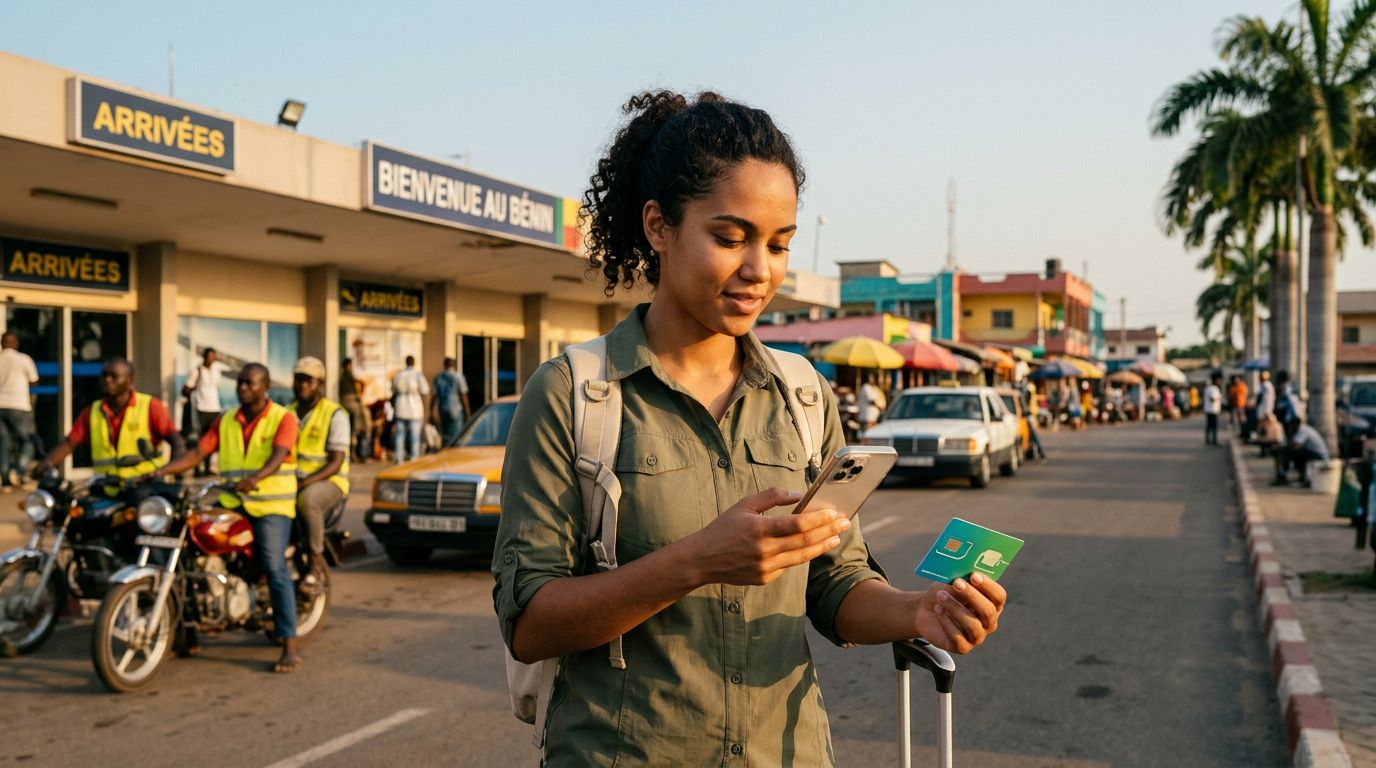
A physical SIM card is the standard method that most travelers are familiar with. You arrive at your destination, locate a mobile provider’s kiosk or a local shop, present your identification, and purchase a plastic chip to insert into your device. In Yemen, this process can be time-consuming. It often involves navigating language barriers, waiting in queues, and dealing with registration requirements that can vary significantly depending on the provider and the specific region you are visiting.
In contrast, an eSIM is a digital version of a SIM card that is embedded directly into the hardware of your smartphone. Because it is software-based, there is no need to physically swap out cards or worry about losing your original home SIM. For travelers in complex environments, this digital-first approach offers a layer of security and efficiency that is difficult to match with physical alternatives.
Comparing the Practicality of Physical SIMs and eSIMs
When evaluating a Yemen SIM card vs eSIM, the primary differentiator is convenience. With a physical SIM, you are tethered to the operating hours of local storefronts. If your flight arrives late at night or you land in a city where retail infrastructure is limited, you might find yourself without connectivity for an extended period. This gap in service can be problematic, especially if you rely on maps or messaging apps to reach your accommodation safely.
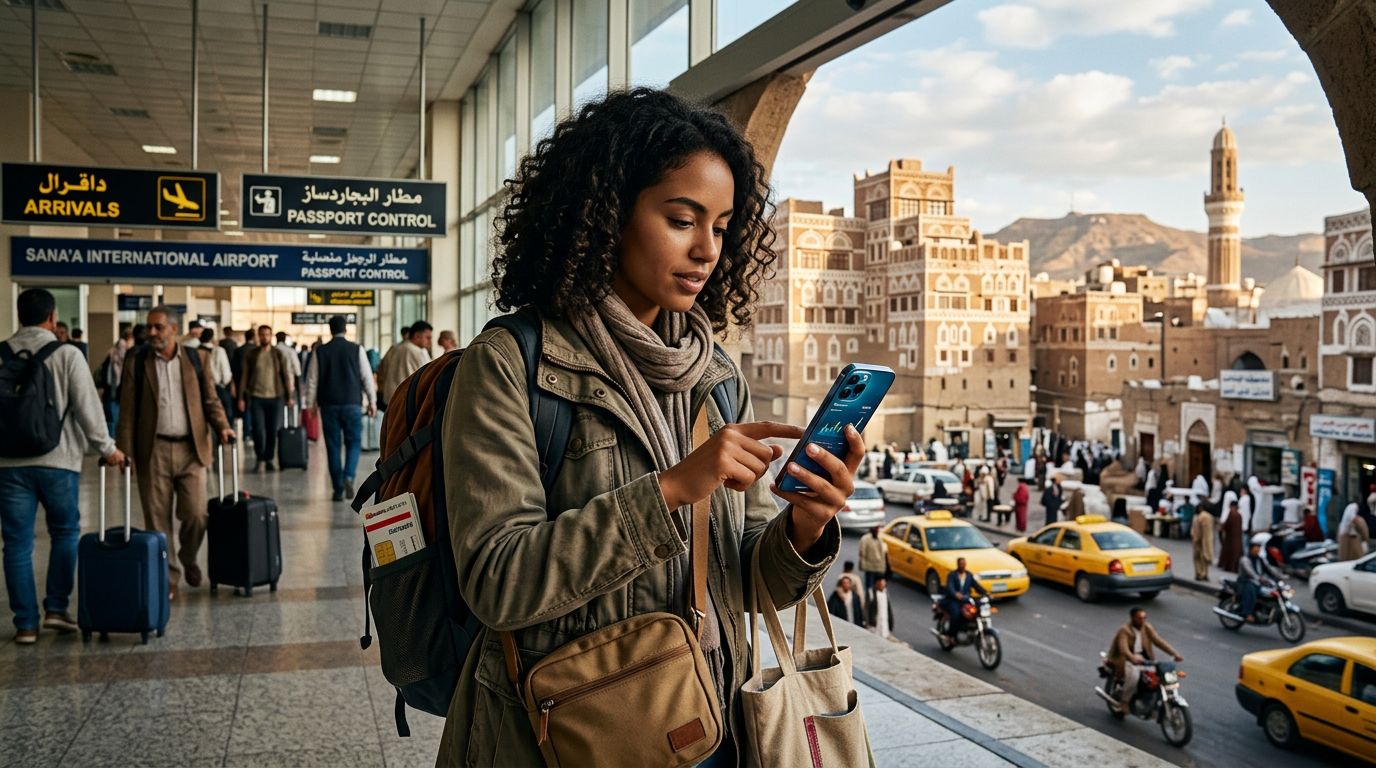
An eSIM, such as those offered by OneTapSIM, allows you to activate your data plan before you even board your plane. By configuring the profile ahead of time, you ensure that your device connects to a local network the moment you land. This immediate access to data is a significant advantage for those who need to arrange transportation or check in with contacts immediately upon arrival.
Furthermore, physical SIM cards are susceptible to damage or loss. If you are constantly switching between your home SIM and a local Yemeni SIM, the risk of misplacing your home card is high. Losing your primary SIM card can lead to complications with your two-factor authentication for banking or email accounts, which are often tied to your home phone number. An eSIM allows you to keep your home SIM active in your device while running your data through the digital profile, effectively giving you dual-sim functionality without the physical risk.
Technical Requirements and Compatibility
Before deciding on your connectivity strategy, you must confirm that your device is compatible with eSIM technology. Most modern smartphones released in the last few years support eSIMs, but it is always wise to check your device settings or consult the manufacturer’s support documentation if you are unsure. If your phone is carrier-locked, you will need to contact your home provider to have it unlocked before you can utilize an eSIM profile.
One of the most common misconceptions is that eSIMs are inherently less reliable than physical SIMs. In reality, an eSIM connects to the exact same cellular towers and infrastructure as a physical SIM. The quality of your signal in Yemen depends on the local network providers and the coverage they offer in the specific governorates you plan to visit. By choosing a reputable provider, you ensure that your eSIM is provisioned with access to the most robust networks available in the region.
When you use a service like OneTapSIM, the setup process is streamlined to minimize technical friction. You receive a QR code or a manual activation string that installs the necessary network credentials onto your device. This process is designed to be user-friendly, even for those who are not particularly tech-savvy. Once installed, you can toggle your data roaming settings to ensure that your device uses the eSIM for internet traffic while keeping your home SIM active for calls or SMS if needed.
Strategic Considerations for Your Yemen Trip
Beyond the technical differences, there is the matter of managing your data usage. In many parts of Yemen, high-speed data coverage can be intermittent. A physical SIM card might require you to visit a shop to "top up" your credit when you run out of data, which can be an inconvenient chore. With an eSIM, you can often monitor your usage through an app or a web portal, allowing you to manage your connectivity proactively.
Security is another factor that often goes overlooked. Carrying around a physical SIM card that has been registered to your name in a foreign country can feel invasive for some travelers. An eSIM provides a cleaner separation between your personal identity and your temporary data connection. Because you are setting it up through a global service provider rather than a local kiosk, you often avoid the need to provide extensive personal documentation at a physical storefront.
Ultimately, the choice between a traditional Yemen SIM card and an eSIM comes down to your personal preference for control and preparation. If you value spontaneity and do not mind the potential for waiting in line, a physical SIM might suffice. However, if you prefer to have your logistics handled before you leave home, an eSIM is the superior choice.
By utilizing a service that provides clear documentation and reliable support, you can remove one of the most stressful aspects of international travel. Whether you are navigating the historic streets of Sana'a or traveling through the coastal regions, having a stable, pre-configured data connection allows you to focus on your trip rather than the technicalities of staying online. As you prepare for your journey, consider the peace of mind that comes with knowing your device is ready to connect the moment you touch down.
Get an eSIM for
Plans for the destinations covered in this guide, with instant QR delivery.