Understanding Connectivity Options in Benin
Traveling to Benin offers a unique opportunity to explore rich history, vibrant markets, and stunning coastal landscapes. However, staying connected while moving between Cotonou, Ouidah, and Porto-Novo requires a reliable mobile data solution. When planning your trip, you will encounter two primary methods for accessing the internet: the traditional physical SIM card and the modern eSIM technology.
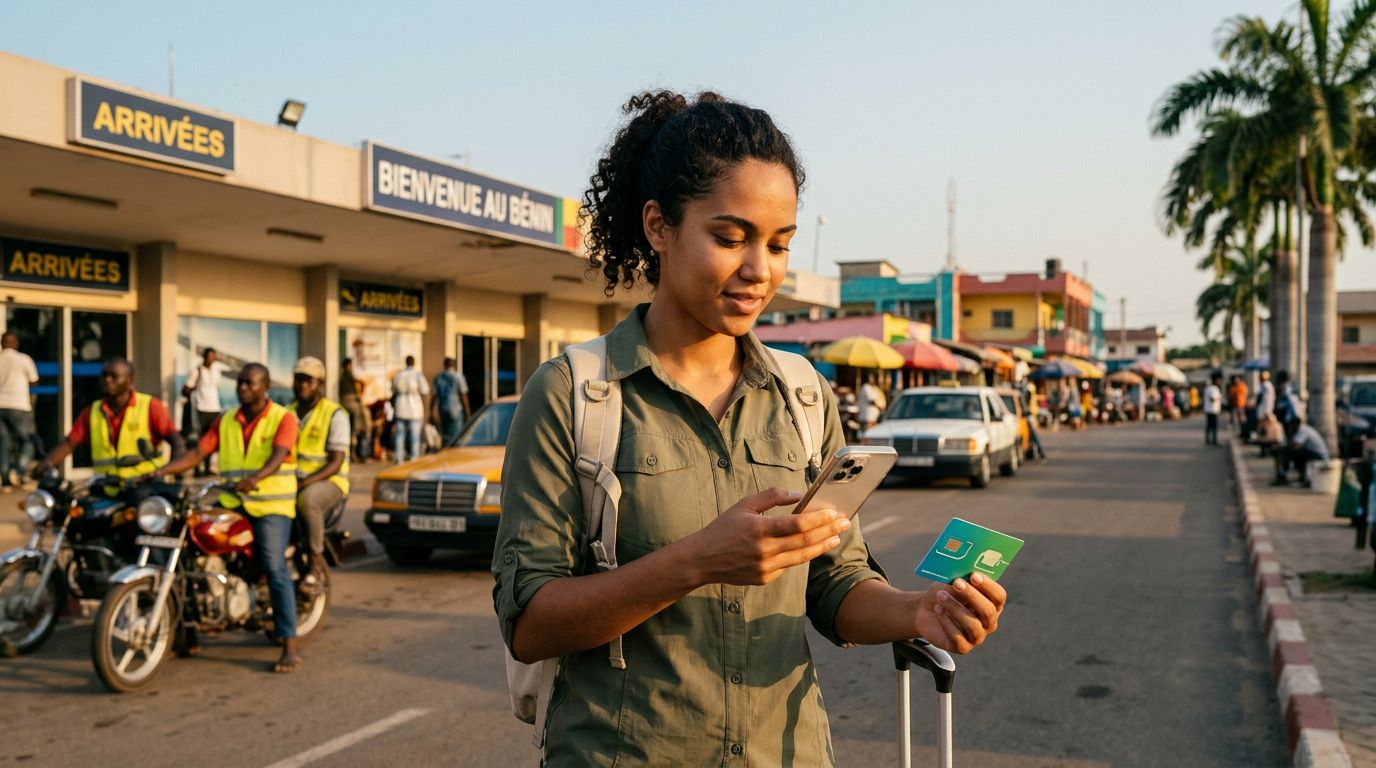
A physical SIM card is the standard plastic chip that has been the industry norm for decades. To use one in Benin, you typically visit a local provider’s kiosk upon arrival, present your passport for registration, and manually insert the card into your device. This process, while familiar, often involves waiting in lines at the airport or searching for a retail store in a foreign city. Language barriers and store operating hours can further complicate the experience.
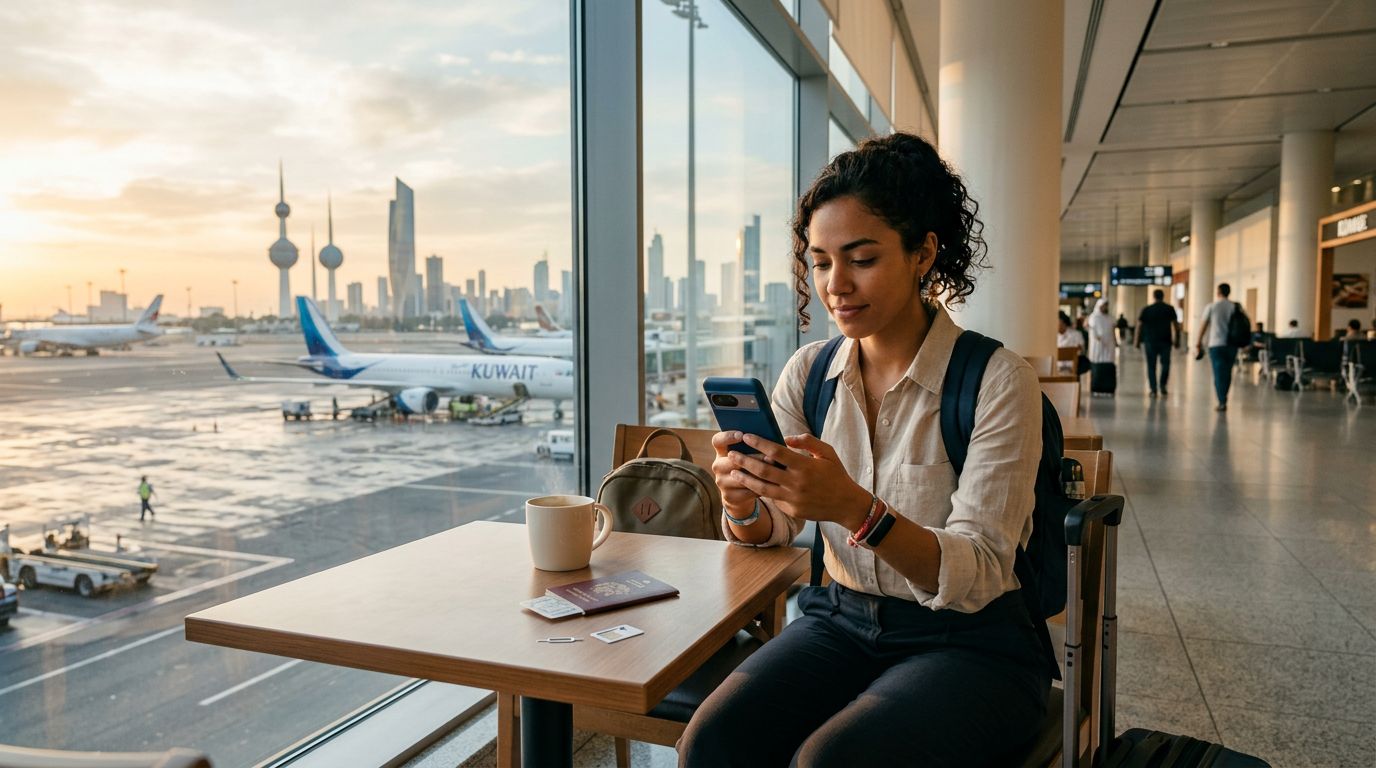
Conversely, an eSIM—or embedded SIM—is a digital alternative that functions entirely through your phone’s internal software. Because it is virtual, there is no physical card to swap or lose. You simply download a profile, activate it through your settings, and you are ready to go. OneTapSIM simplifies this process by allowing travelers to secure their data connection before they even board their flight, ensuring that you have service the moment your wheels touch the tarmac in Benin.
Comparing Convenience and Practicality
The primary point of contention in the Benin SIM card vs eSIM debate is convenience. With a physical SIM card, you must manage a small piece of plastic. If you have a dual-SIM phone, you might be forced to remove your primary home SIM card to make room for the local one. This creates a significant risk: losing your home SIM card while traveling is a major headache, as it is essential for receiving two-factor authentication codes, bank alerts, or messages from home.
eSIM technology eliminates this risk entirely. Because the eSIM is a software-based profile, your physical SIM card slot remains occupied by your home provider. You can keep your primary number active for calls or texts while using the eSIM specifically for your data needs in Benin. This dual-active setup ensures you remain reachable on your home number while enjoying the high-speed data provided by your travel plan.
Furthermore, the setup process for an eSIM is significantly faster. With a physical SIM, you are beholden to the local provider's office hours and the speed of their manual registration process. If you arrive late at night or on a weekend, you might find yourself without connectivity until the next business day. OneTapSIM provides a streamlined digital experience that removes these logistical hurdles. By setting up your connection in advance, you avoid the stress of finding a local store and dealing with registration paperwork in a language you might not speak fluently.
Performance and Network Reliability
When considering the Benin SIM card vs eSIM choice, it is important to understand that the underlying network infrastructure is often the same. Whether you use a physical card or an eSIM, your phone will connect to the same local cellular towers. The difference lies in how you access that network and the quality of the service provider you choose.
Some travelers assume that local SIM cards provide better coverage, but this is a misconception. Reputable eSIM providers like OneTapSIM partner with established local networks to ensure that your device has access to the same robust cellular signals as a local resident. The advantage of the eSIM is that it is designed for international roaming, which often allows your device to switch between available networks to find the strongest signal. This flexibility can be a major benefit in more remote areas of Benin where one carrier might have better coverage than another.
Managing your data usage is also more intuitive with an eSIM. Most modern smartphones allow you to track your data consumption directly within the settings menu, specifically labeled for your eSIM profile. This transparency helps you avoid unexpected overage charges or running out of data while navigating a new city. With a local physical SIM, you often have to rely on USSD codes or specific carrier apps, which may not be translated or user-friendly for international visitors.
Making the Right Choice for Your Journey
The decision ultimately comes down to your personal travel style and your phone’s capabilities. To use an eSIM, you must ensure that your device is carrier-unlocked and compatible with eSIM technology. Most flagship smartphones released in the last few years support this feature, but it is always wise to check your device settings or consult your manufacturer’s support resources before you depart.
If you are a traveler who values efficiency, security, and a seamless arrival experience, the eSIM is the clear winner. It removes the need to hunt for a store, carry an extra piece of plastic, or worry about losing your home SIM card. OneTapSIM offers a reliable bridge to local networks, ensuring that you have the connectivity required to use maps, translate languages, and share your experiences in Benin in real-time.
For those who may be using older hardware that does not support eSIMs, the physical SIM card remains a functional, albeit less convenient, backup. However, as mobile technology continues to progress, the shift toward digital solutions is undeniable. By choosing an eSIM, you are opting for a modern, clutter-free way to stay connected. Whether you are trekking through the Pendjari National Park or wandering the historic streets of Abomey, having a reliable data connection through a service like OneTapSIM allows you to focus on the sights and sounds of Benin rather than the logistics of your mobile service.
Before you leave, take a moment to verify your phone’s compatibility and select a data plan that suits your expected usage. By preparing your digital connection ahead of time, you transform your mobile experience from a potential chore into a reliable tool that supports your adventure. Benin is a country rich in culture and history, and with the right connectivity, you can explore it with confidence and ease.
Get an eSIM for
Plans for the destinations covered in this guide, with instant QR delivery.