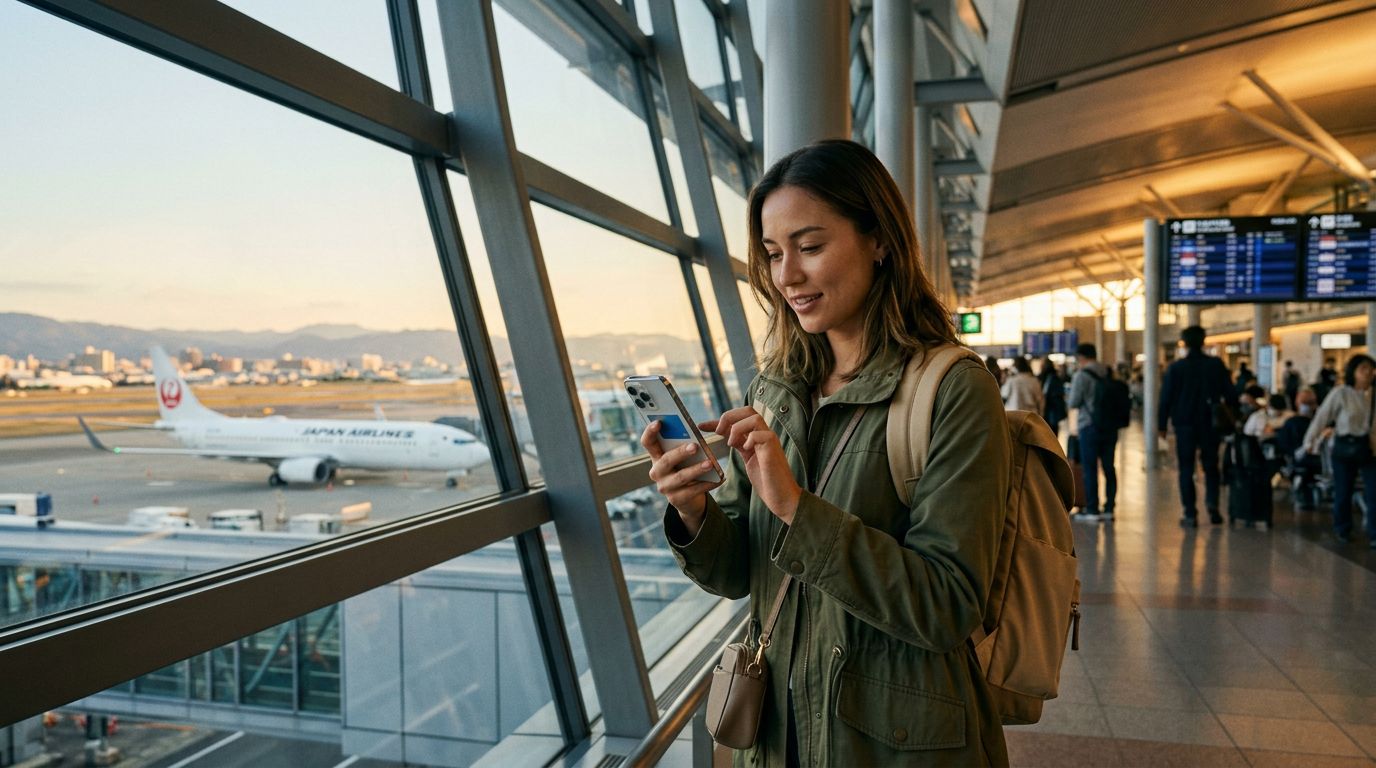
Traveling abroad brings a unique set of logistical challenges, but few are as critical as ensuring your finances remain accessible. When you arrive in a new country, your smartphone becomes your primary tool for everything from booking transport to paying for a meal. Many travelers worry about whether their banking apps, digital wallets, and peer-to-peer payment platforms will function correctly when using an international eSIM. The good news is that with the right setup, your digital financial life can transition across borders as smoothly as you do.
Understanding Connectivity and Financial Security
When you switch to an international eSIM, you are essentially changing the way your phone accesses the internet. Many people mistakenly believe that changing their cellular data provider will interfere with their banking apps. In reality, most modern payment apps rely on data connectivity rather than the specific SIM card or phone number associated with your account. Whether you are using a local Wi-Fi network or a high-speed data connection provided by OneTapSIM, your banking applications should function according to their standard security protocols.
However, security is the primary reason why some payment apps might trigger verification alerts when you travel. Banks and digital wallet providers monitor for unusual activity, and a sudden change in your IP address or geographic location can sometimes be flagged as a potential security risk. This is a protective measure, not a technical failure of your eSIM. Before you depart, it is a wise practice to inform your financial institutions of your travel dates and destinations. This simple step ensures that when you attempt to pay for a coffee or a train ticket using your phone, your transaction is processed without being blocked by an automated fraud alert.
Furthermore, ensure that your two-factor authentication (2FA) settings are configured correctly. If your bank sends verification codes via SMS, you must ensure that your primary SIM is capable of receiving these messages or that your bank allows for app-based authentication. Many travelers prefer using app-based authenticators or email verification to avoid relying on cellular roaming for SMS codes, which can be expensive or unreliable.
Configuring Your Phone for Seamless Payments
The transition to an international eSIM requires a few adjustments to your phone settings to ensure that your payment apps remain stable. When you install a OneTapSIM profile, your phone will manage multiple data sources. It is essential to designate your eSIM as the primary source for cellular data while you are abroad. This prevents your phone from attempting to use your home carrier’s roaming data, which could lead to unexpected connectivity drops or high charges.
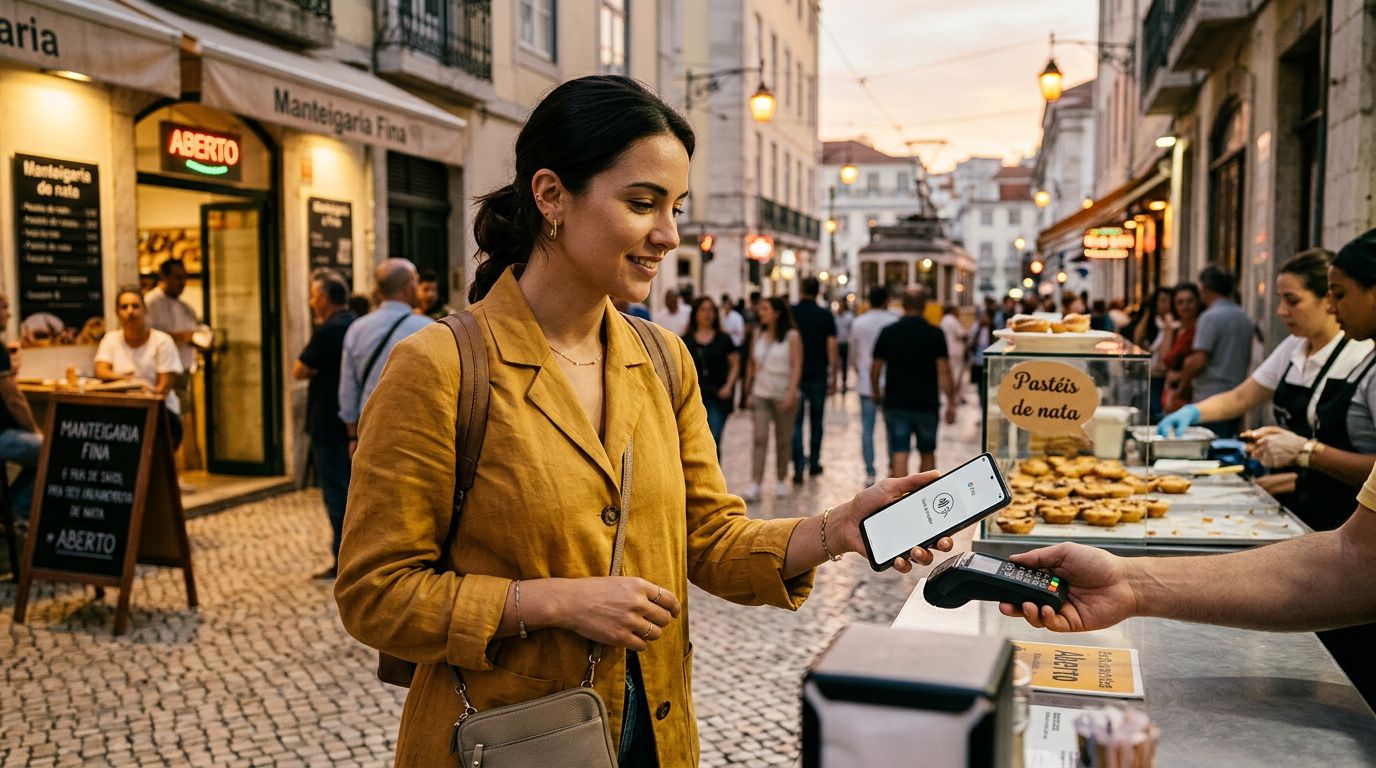
For users of digital wallets like Apple Pay or Google Pay, the process is generally straightforward. These services store your payment tokens securely on your device, independent of your cellular network. As long as your phone has an active internet connection through your eSIM, your digital wallet will be able to communicate with the payment terminal. When you approach a contactless reader, the near-field communication (NFC) chip in your phone handles the transaction. The eSIM simply acts as the bridge that allows your device to verify the transaction with your bank's server.
One common mistake is disabling your home SIM entirely. While you should turn off data roaming for your home SIM to avoid fees, you may need to keep the SIM card active if you rely on it for receiving bank verification codes. Most modern smartphones allow you to keep two SIMs active simultaneously. By setting your eSIM as the "Default Data" line and keeping your home SIM active for "Voice and SMS," you create a reliable environment where you can browse the web via your eSIM while still receiving the critical messages required to authorize high-value financial transactions.
Best Practices for Using Payment Apps Abroad
Reliability is the hallmark of a successful trip. When using payment apps with an international eSIM, you should prioritize stable, secure connections. While public Wi-Fi is often available, it is rarely the safest way to access your bank account or process payments. Using your own private data connection through a trusted eSIM provider provides a much higher level of security, as you are not sharing a network with unknown users.
If you find yourself in a location where cellular reception is weak, try to perform your financial transactions in areas with reliable coverage before you head out for the day. If you are using a peer-to-peer payment app to split a bill with a friend or pay for a local service, ensure that the app is updated to the latest version before you leave home. Developers frequently release security patches that improve how these apps interact with different network configurations.
Another aspect to consider is the region-locking of certain financial applications. Some banking apps are restricted to specific geographic regions for security reasons. If you discover that your home banking app is inaccessible while abroad, check if the provider offers a web-based portal. Using a secure browser over your eSIM data connection is often a functional workaround.
Finally, always have a backup plan. Digital infrastructure is excellent, but technical glitches can happen. Carrying a physical backup, such as a traditional credit card or a small amount of local currency, ensures that you are never stranded if your phone runs out of battery or if a specific payment terminal does not accept mobile payments. By combining the convenience of an international eSIM with a bit of proactive planning, you can navigate your finances abroad with the same confidence you have at home. Using a reliable service like OneTapSIM ensures that your data connection is consistent, allowing you to focus on your trip rather than worrying about whether your next payment will go through.