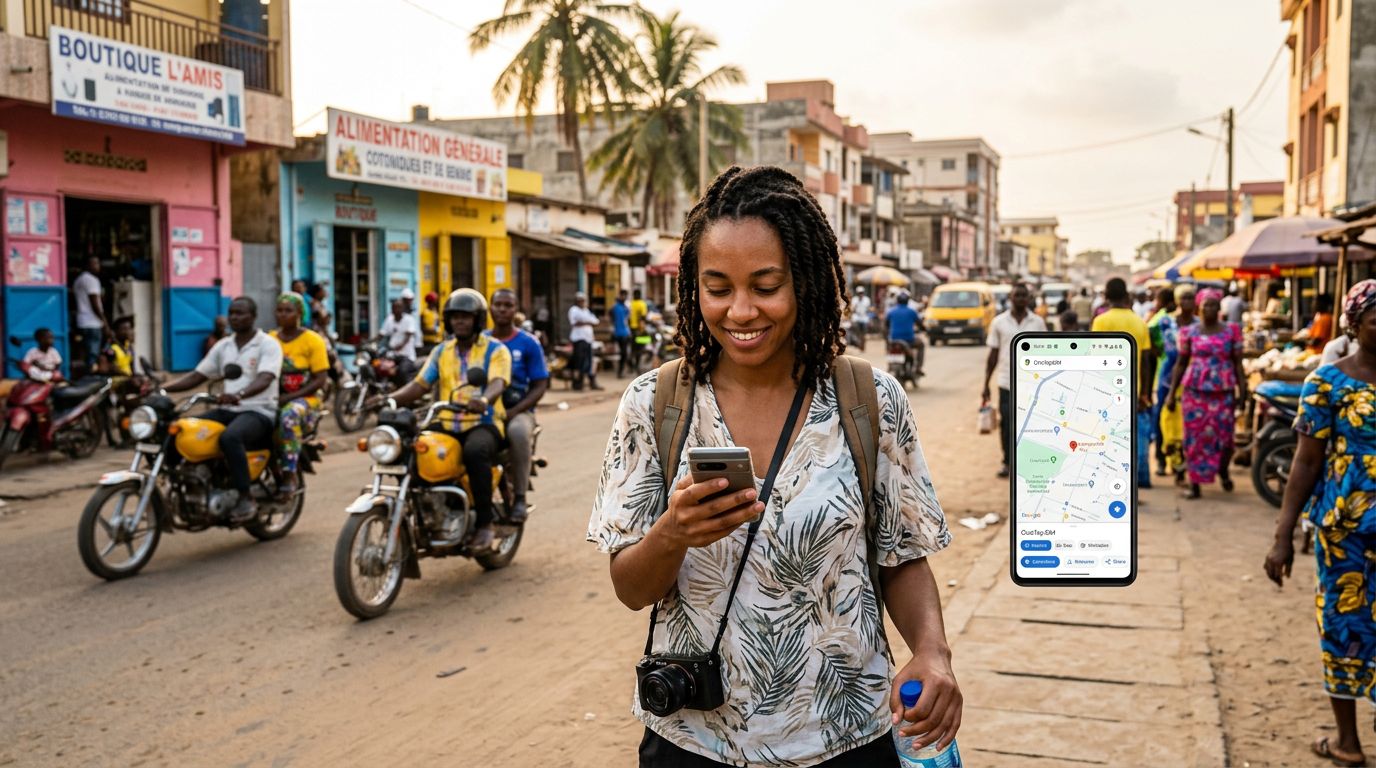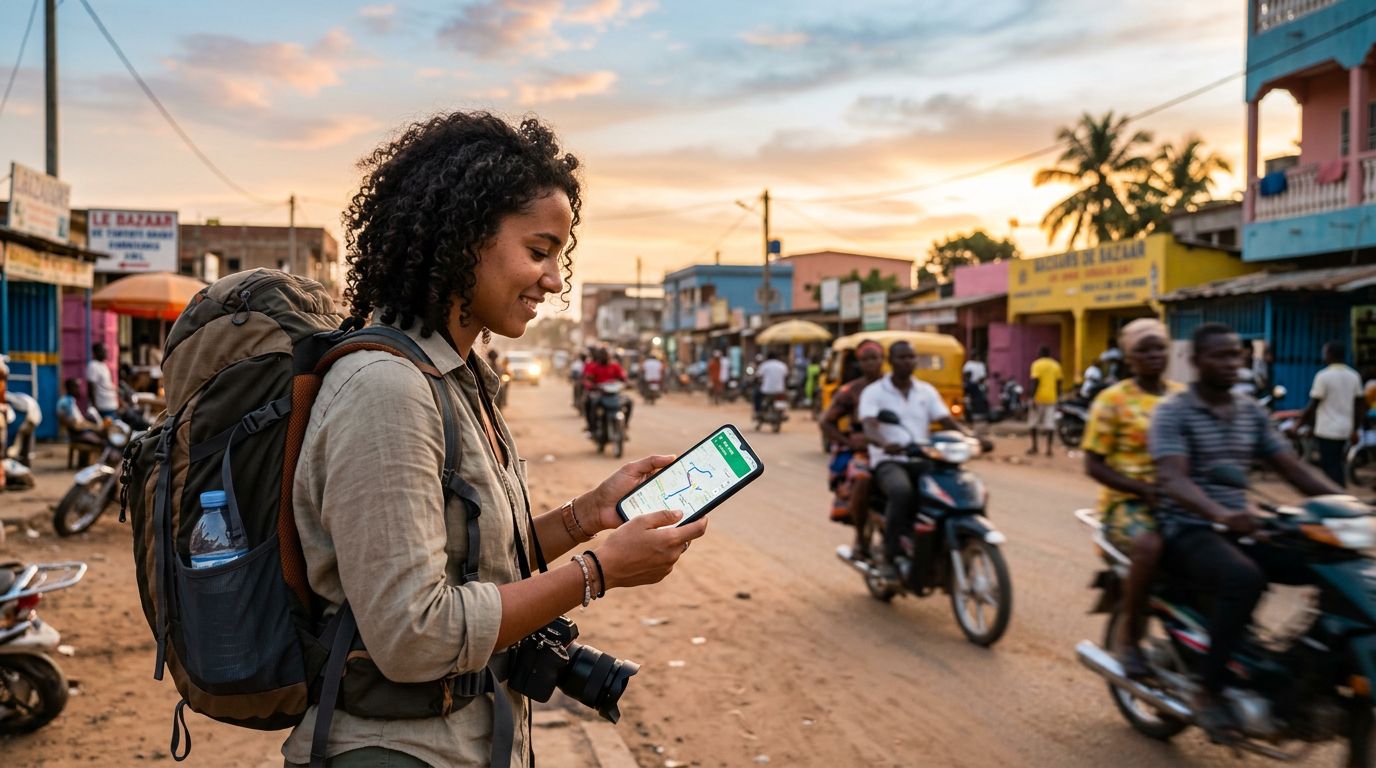
Benin is a destination of vibrant markets, historic sites, and growing digital infrastructure. Whether you are wandering through the stilt village of Ganvié or exploring the royal palaces of Abomey, staying connected is essential. For modern travelers, connectivity is not just about maps and social media; it is about the ability to manage finances on the go. Using payment apps with eSIM in Benin has become the standard for those who want to avoid the risks of carrying large amounts of cash and the inconvenience of physical SIM card swapping.
The Role of Mobile Connectivity in Benin’s Financial Landscape
The financial landscape in Benin has shifted significantly toward mobile-centric solutions. Local mobile money services are deeply integrated into the daily lives of residents, allowing for everything from utility bill payments to market purchases. For a traveler, this means that having a reliable data connection is the primary gateway to managing your money. Without a stable internet connection, your banking apps, digital wallets, and international payment platforms remain inaccessible.
When you arrive in Benin, the traditional approach involved finding a local kiosk, presenting your passport, and waiting for a physical SIM card to be activated. This process is often time-consuming and can lead to connectivity gaps. By using an eSIM, you ensure that your device is ready to connect the moment your plane touches down. Because payment apps require two-factor authentication—often sending codes via SMS or requiring a data handshake to verify your identity—having a persistent data connection is a security requirement. A stable eSIM profile provided by services like OneTapSIM ensures that your banking apps can reach the necessary servers to verify your identity without interruption.
Preparing Your Device for Secure Digital Transactions
Before you start using payment apps with eSIM in Benin, your device must be properly configured. Most modern smartphones support eSIM technology, but it is important to verify your device's compatibility and ensure it is carrier-unlocked before you leave home. If your phone is locked to a specific network provider, it will not accept an eSIM, which would force you to rely on expensive roaming options or local physical cards.
Once you have confirmed compatibility, the installation process is straightforward. You will receive a QR code or manual activation details to add the eSIM profile to your phone’s settings. In your device’s cellular settings, you should designate your eSIM as the primary source for mobile data. This is crucial for payment apps. If your phone attempts to toggle between a roaming physical SIM and your eSIM, you might experience a momentary drop in connectivity. A drop in connection during a transaction can sometimes lead to a "pending" status on your bank account, which is an unnecessary headache while traveling.
Security is another factor to consider. When using payment apps, you are essentially handling sensitive financial data over a network. Public Wi-Fi in hotels or cafes can be risky, as these networks are often unencrypted. By using your own dedicated eSIM data, you are utilizing a private, cellular connection. This is significantly more secure than jumping onto an open Wi-Fi network at an airport or a coffee shop to check your account balance. Always ensure that your payment apps are updated to their latest versions before your trip, as these updates often contain critical security patches that protect your data against emerging threats.
Optimizing Your Travel Experience with eSIM Technology
The convenience of using payment apps with eSIM in Benin extends beyond just security; it is about the fluidity of your travel experience. When you are moving between cities or exploring remote areas, you need a connection that follows you. Local physical SIM cards can sometimes struggle with coverage depending on the provider, but high-quality eSIM providers often leverage multiple local networks to ensure you have the best possible signal.
If you are using international payment apps like PayPal, Wise, or your home bank’s mobile application, these platforms often require a stable connection to refresh exchange rates and confirm account status. If you are in a bustling market in Cotonou and need to verify a transaction or move funds between accounts, you cannot afford to be searching for a signal. Having a reliable data plan allows you to manage these tasks instantly.
Furthermore, managing your data usage is simple with an eSIM. Most devices allow you to monitor exactly how much data your banking apps are consuming. If you are concerned about data limits, you can easily restrict background usage for non-essential applications, ensuring that your data budget is prioritized for your financial tools and navigation apps.
When choosing a provider, look for options that offer clear, transparent data packages. OneTapSIM provides a streamlined experience that allows travelers to activate their service quickly, ensuring that the technical side of your trip is handled before you even reach the border. By removing the friction of local network registration, you can spend more time focusing on your itinerary rather than worrying about whether your banking app will load.
Finally, remember to keep a backup method for your financial transactions. While digital payments are becoming increasingly common, Benin—like many places—still relies on cash for small, informal transactions. Use your payment apps to manage your budget and pay for larger services, but keep a small amount of local currency on hand for street vendors and local transport. By balancing digital convenience with the practical realities of travel, you can enjoy a seamless and secure experience throughout your stay in Benin. With your device correctly set up with an eSIM, you gain the freedom to explore the country with the confidence that your digital wallet is always accessible, secure, and ready to use.
Get an eSIM for
Plans for the destinations covered in this guide, with instant QR delivery.