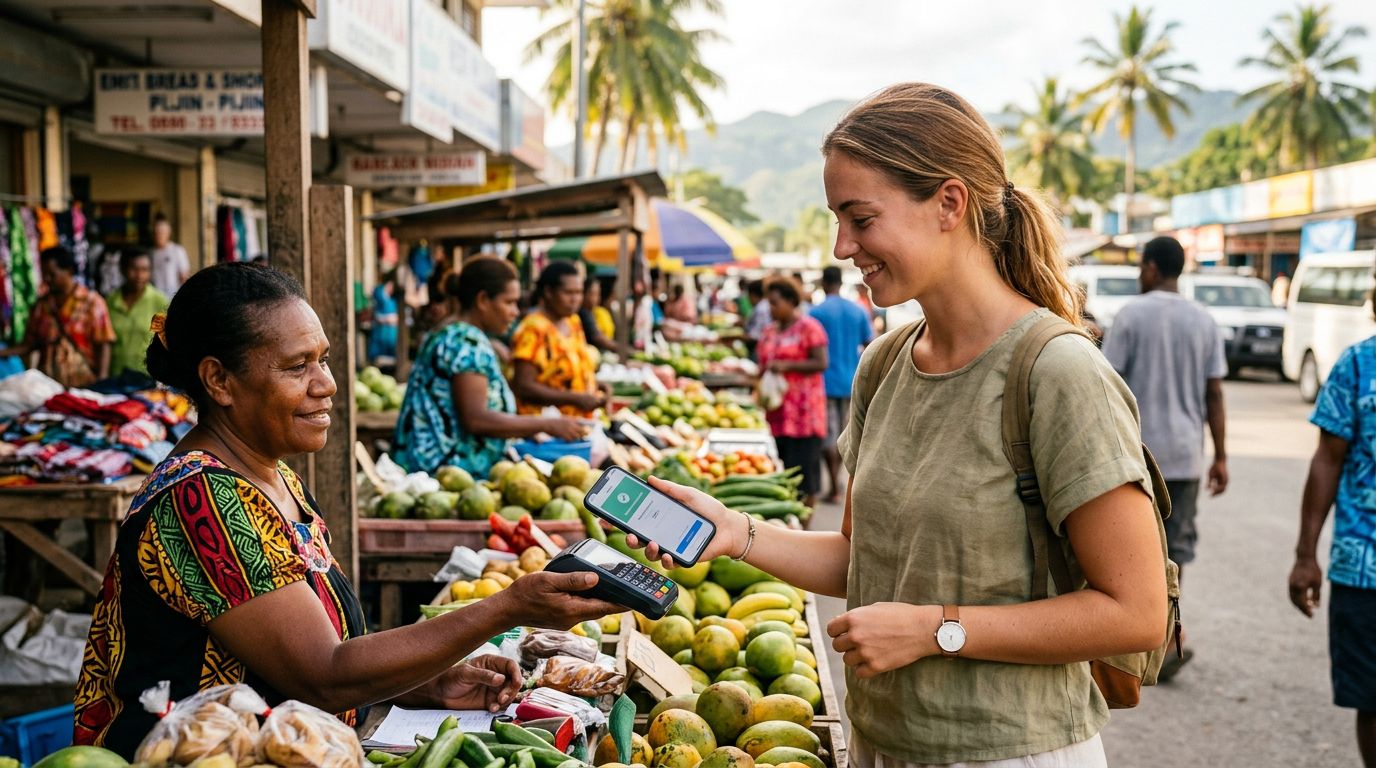
Connectivity and Digital Payments in the Solomon Islands
Traveling to the Solomon Islands offers a unique opportunity to explore untouched landscapes, vibrant coral reefs, and a culture rich in history. As you prepare for your journey, ensuring you have reliable internet access is essential. While the islands are known for their tranquil atmosphere, modern travelers often need to stay connected to manage logistics, share experiences, and handle financial transactions. Using an eSIM has become the preferred method for maintaining connectivity without the hassle of swapping physical cards or dealing with local retail outlets upon arrival.
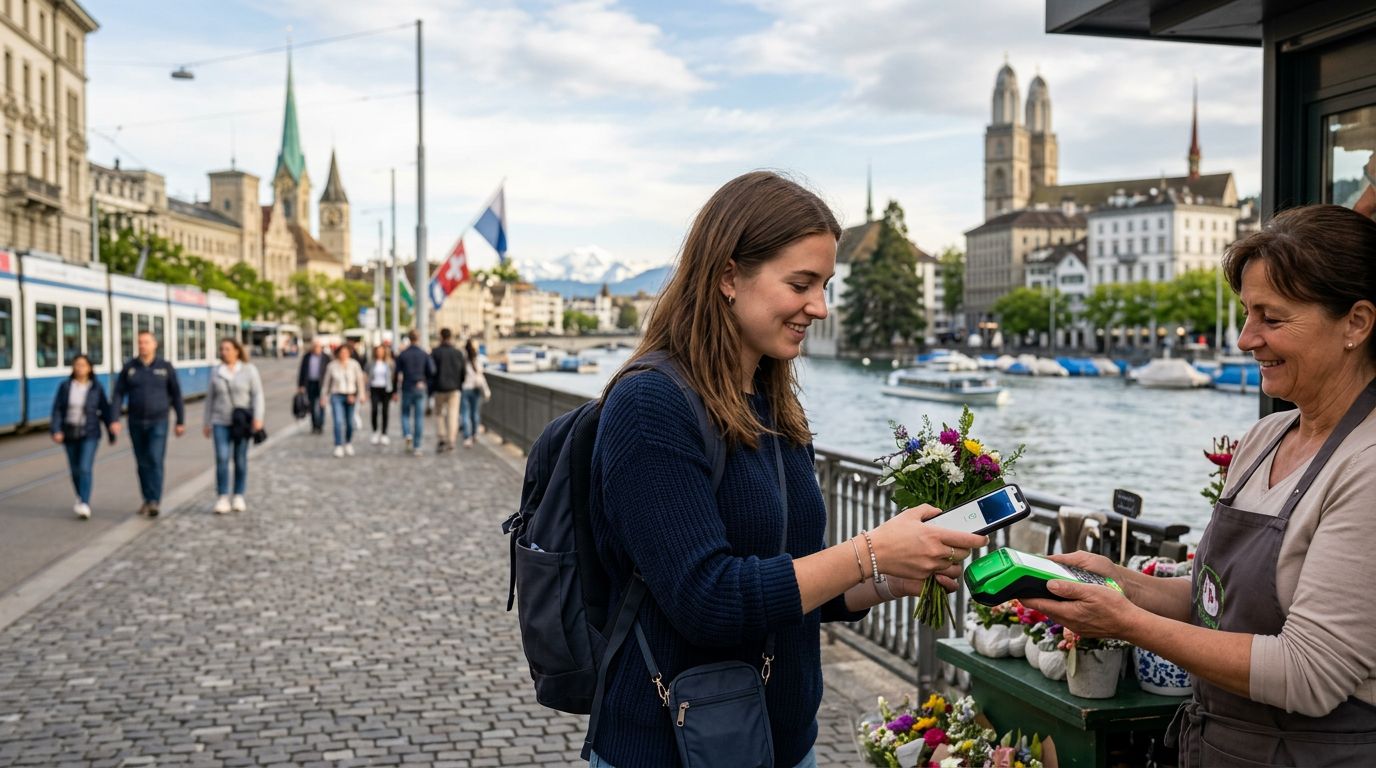
When you are abroad, the ability to use payment apps is tied directly to your mobile data connection. Whether you are using digital wallets, banking apps, or peer-to-peer transfer services, a stable internet connection is the backbone of these tools. In the Solomon Islands, cellular infrastructure can vary between the main islands and more remote areas. Having a dedicated data plan through an eSIM ensures that you are not reliant on sporadic public Wi-Fi networks, which are often insecure and unreliable for financial tasks.
By opting for a service like OneTapSIM, you can activate your data plan before you even touch down at Honiara International Airport. This allows you to step off the plane with immediate access to your digital tools. Because payment apps require two-factor authentication, such as receiving an SMS code or a push notification to verify your identity, having your primary number active alongside your data-only eSIM is a common configuration for many travelers. This setup ensures that your financial apps remain functional and secure throughout your stay.
Best Practices for Secure Financial Transactions
Security is the primary concern when using payment apps while traveling. Public networks in hotels, cafes, or airports are frequent targets for cyber threats. When you use your own private data connection via an eSIM, you significantly reduce the risk of interception. However, connectivity is only one part of the equation. To maintain the integrity of your financial data, you should follow strict security protocols regardless of how you access the internet.
Always ensure that your payment applications are updated to their latest versions before you depart. Developers frequently patch vulnerabilities that could be exploited by malicious actors. Additionally, enable biometric authentication—such as fingerprint or facial recognition—within your banking and payment apps. This adds a layer of protection that is much harder for a third party to bypass than a simple PIN.
If you find yourself in a location where cellular reception is weak, avoid the temptation to connect to an unknown, unsecured Wi-Fi network to complete a transaction. It is far safer to wait until you have a strong signal through your eSIM. If you absolutely must use a public network, always employ a reputable Virtual Private Network (VPN) to encrypt your traffic. Furthermore, keep an eye on your account activity. Most modern payment apps allow you to set up real-time notifications for every transaction. Enabling these will alert you immediately if there is any unauthorized activity, allowing you to freeze your accounts instantly if necessary.
Managing Data Usage for Financial Apps
One of the benefits of using an eSIM is the transparency it provides regarding data consumption. When relying on mobile data for essential tasks like banking and payments, you want to ensure your connection remains active throughout your trip. Payment apps themselves generally consume very little data, as they mostly transmit small packets of text-based information. However, background processes on your smartphone can quickly deplete your data allowance if you are not careful.
To ensure your data is prioritized for your financial and travel apps, adjust your phone settings to restrict background data for non-essential applications. On most devices, you can toggle off "Background App Refresh" for apps that do not need to be constantly updated. This is particularly useful when you are in remote areas of the Solomon Islands where data speeds might fluctuate. By limiting the data drain from social media or automatic cloud backups, you save your bandwidth for the tools that matter most.
If you are concerned about running out of data, monitor your usage through your device's built-in settings. Both Apple and Google provide robust tools to track exactly how much data each app is consuming. If you notice a specific app is using an unexpected amount of data, you can restrict its access to mobile networks. By being proactive with your settings, you ensure that your payment apps remain functional whenever you need to settle a bill or check your balance.
When selecting an eSIM provider, look for options that offer clear data management and easy top-up capabilities. OneTapSIM provides a straightforward interface that helps travelers keep track of their usage, ensuring that you are never left without connectivity when you are at a point-of-sale terminal or checking your travel budget. Planning your data needs according to your itinerary will provide peace of mind, allowing you to focus on the beauty of the Solomon Islands rather than worrying about your digital tools.
Finally, remember that while digital payments are growing in popularity, the Solomon Islands still relies heavily on cash for many local markets and smaller vendors. Use your payment apps to manage your primary banking and larger travel expenses, but always keep some local currency on hand for smaller purchases where digital infrastructure may not yet be available. Combining the convenience of modern eSIM technology with a bit of local preparation will ensure your trip is smooth, secure, and stress-free.