Understanding Connectivity Options for Your Trip to Bangladesh
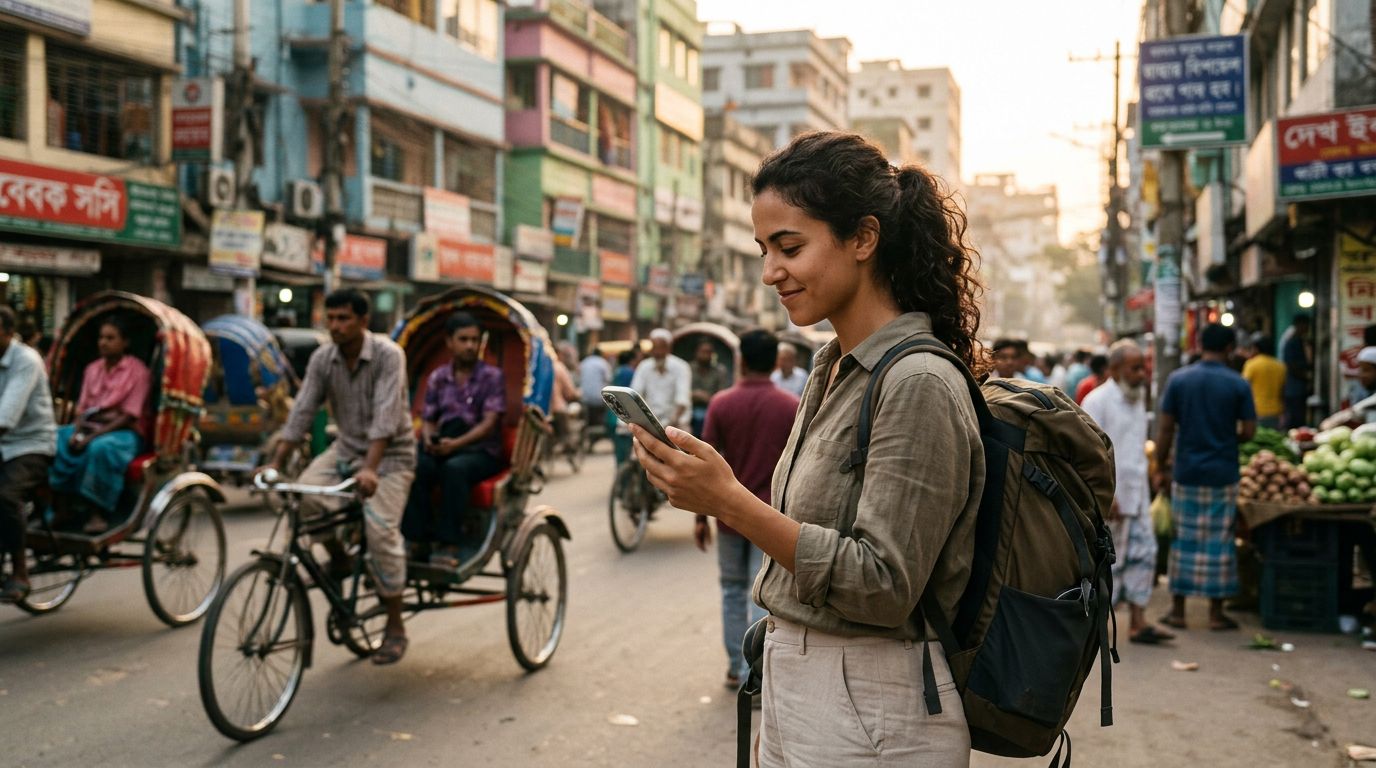
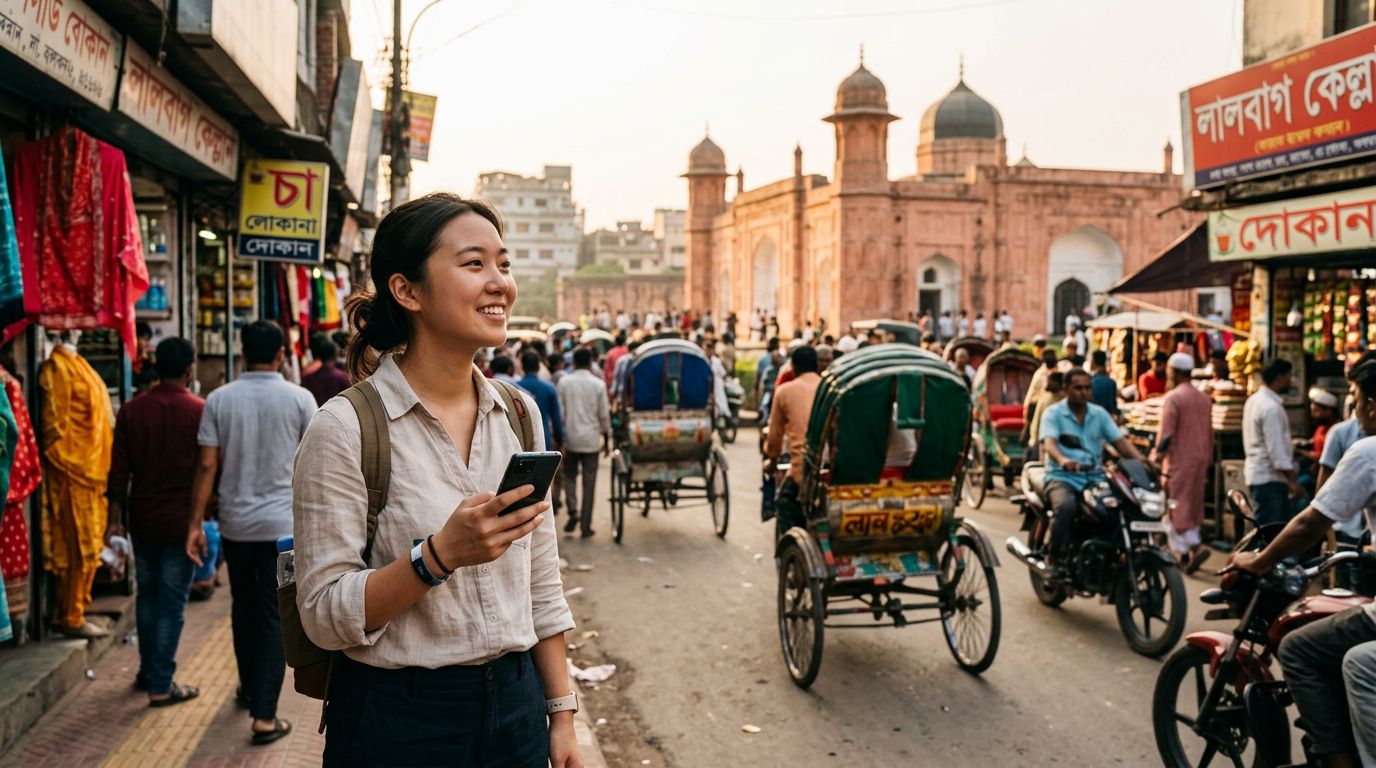
Traveling to Bangladesh offers a vibrant experience, from the bustling streets of Dhaka to the serene tea gardens of Sylhet. As you prepare for your journey, ensuring you have reliable internet access is essential for mapping routes, translating languages, and staying in touch with home. Many modern smartphones are equipped with dual SIM functionality, which allows you to manage two different mobile services on a single device simultaneously.
When you arrive in a new country, you typically have three choices: relying on international roaming from your home carrier, purchasing a physical local SIM card at the airport, or utilizing an eSIM. For many travelers, the most efficient method is using dual SIM in Bangladesh by keeping their home number active for calls or texts while using a dedicated data eSIM for high-speed internet.
An eSIM, or embedded SIM, is a digital version of a traditional plastic SIM card. It is built directly into the hardware of compatible smartphones. Because it is digital, you do not need to physically swap out cards or worry about losing your original SIM. By leveraging the dual SIM capability of your phone, you can maintain your primary number for essential security alerts or banking notifications while switching your data traffic to a local or regional eSIM profile. This setup provides the best of both worlds: the convenience of your home connection and the cost-effectiveness of local data rates.
How to Set Up Dual SIM Functionality on Your Device
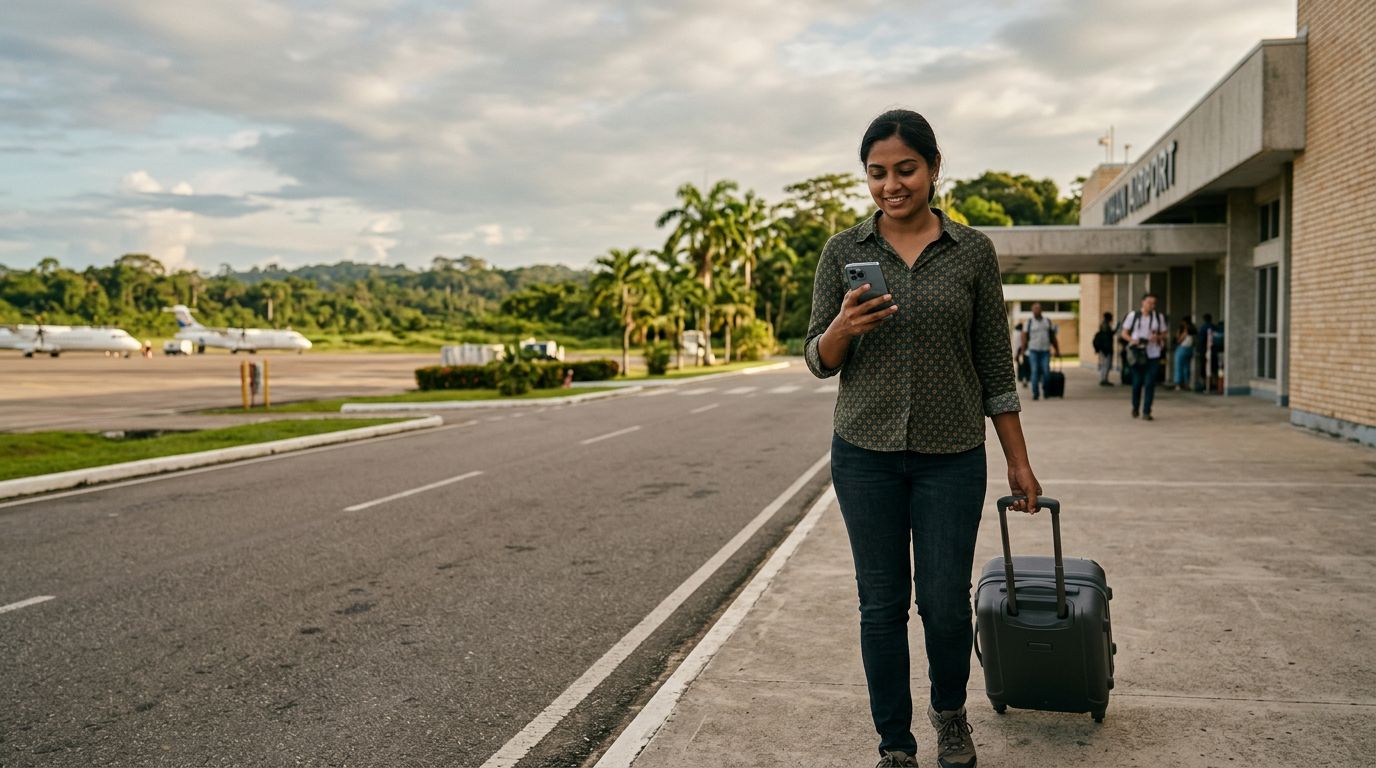
Before you land in Bangladesh, it is important to ensure your device is ready to handle two SIMs. Most smartphones released in the last few years support dual SIM setups, usually through a combination of one physical SIM and one eSIM, or sometimes two active eSIMs.
To start, check your phone’s settings to confirm that your device is carrier-unlocked. If your phone is locked to a specific network provider, it may not allow you to add a second SIM profile. Once you have confirmed your device is unlocked, you can prepare your eSIM. With OneTapSIM, the process is streamlined to ensure you are connected as soon as you touch down. You can purchase and install your eSIM profile before you even leave your home country.
On an iPhone, you can manage these settings by visiting the Cellular or Mobile Data section in your settings menu. You will see an option to add an eSIM, which will prompt you to scan a QR code or enter details provided by your eSIM carrier. Once added, you can label your SIMs—for example, labeling your home SIM as "Primary" and your OneTapSIM as "Travel."
On Android devices, the process is similarly straightforward, typically found under Network & Internet settings. You can designate which SIM handles your mobile data, which handles calls, and which handles SMS. By designating your OneTapSIM profile as the primary source for mobile data, you ensure that your phone uses the local network connection for browsing, navigation, and social media, preventing your home carrier from triggering expensive roaming charges.
Managing Your Data and Battery While Traveling
Using dual SIM in Bangladesh requires a bit of intentional management to ensure your experience remains seamless. When you have two SIMs active, your phone is essentially maintaining two radio connections. While modern smartphones are highly efficient, keeping both active can lead to slightly faster battery consumption than using a single SIM. To mitigate this, you can turn off data roaming on your home SIM completely. This ensures that your phone does not accidentally attempt to pull data through your home provider, keeping your home number active for incoming calls or SMS only.
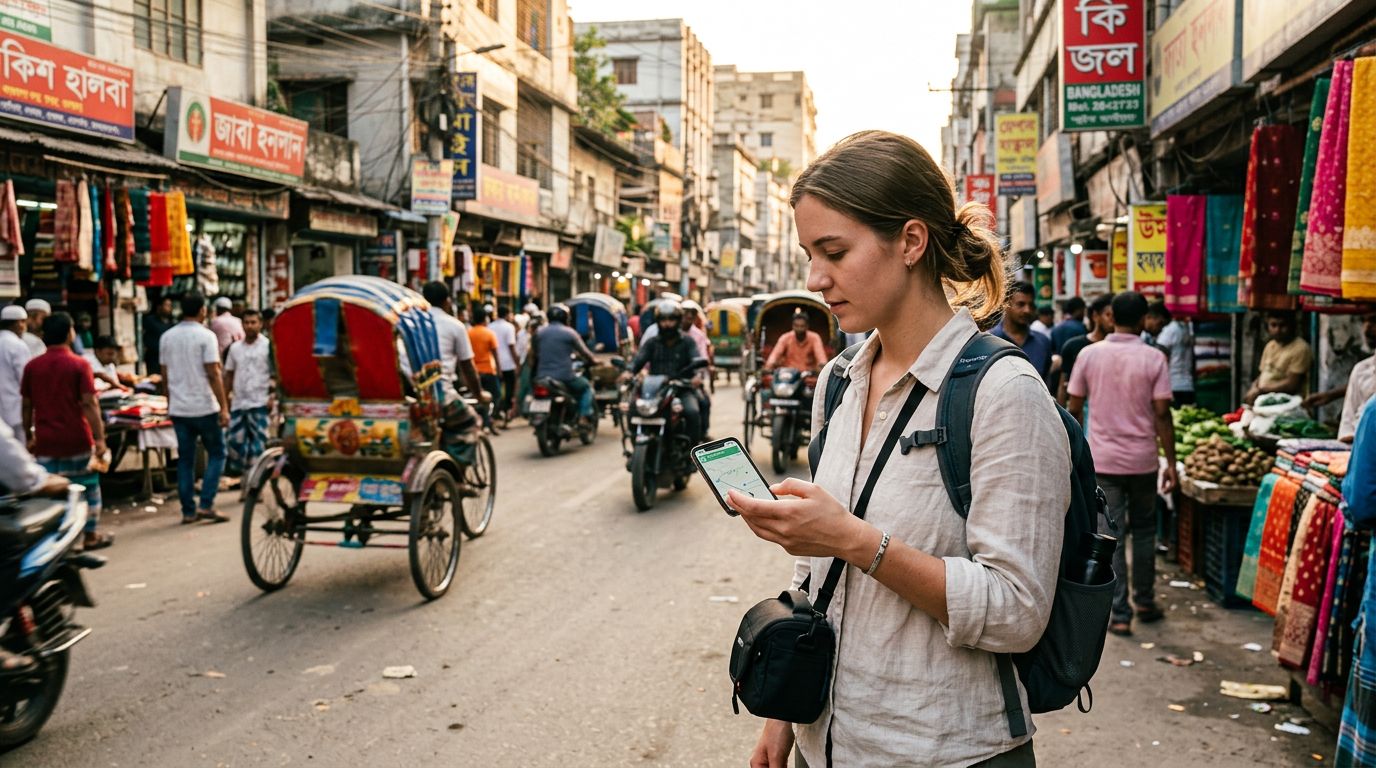
When you use a service like OneTapSIM, you gain the advantage of a dedicated data connection that is optimized for the local infrastructure. In urban centers like Dhaka or Chittagong, you will likely find strong coverage. However, if you are traveling to more remote areas, such as the Sundarbans or hilly regions, coverage can vary. Because you have a dual SIM setup, you have the flexibility to switch data back to your home SIM if you encounter a dead zone, though this should be used sparingly to avoid high roaming fees.
Another benefit of using an eSIM for data is the ability to monitor your usage in real-time. Most modern operating systems provide a detailed breakdown of how much data each app is consuming. By keeping an eye on these statistics, you can ensure you stay within your data limits. If you find yourself running low, you can often top up your eSIM data plan through the provider's portal without needing to visit a physical store or interact with local vendors.
Finally, remember to keep your software updated. Smartphone manufacturers frequently release updates that improve dual SIM management and network compatibility. Before your trip, check that your device is running the latest version of its operating system. This simple step can prevent connectivity issues and ensure that your phone switches between networks smoothly as you move across different regions of Bangladesh. By taking these small precautions, you can focus on enjoying the rich culture, history, and hospitality that Bangladesh has to offer, all while staying perfectly connected to the world around you.
Get an eSIM for
Plans for the destinations covered in this guide, with instant QR delivery.