Entendiendo la tecnología eSIM para tu aventura en Brasil
Al planificar un viaje a Brasil, mantenerse conectado es una prioridad absoluta. Ya sea que estés recorriendo las bulliciosas calles de São Paulo, explorando las playas de Río de Janeiro o haciendo senderismo por el Amazonas, tener acceso a internet confiable es esencial para usar mapas, aplicaciones de traducción y mantenerte en contacto con casa. Muchos viajeros se preguntan: "¿funciona la eSIM en Brasil?" La respuesta corta es sí, y se está convirtiendo rápidamente en el método preferido para la conectividad internacional.
Una eSIM, o SIM integrada, es una versión digital de la tarjeta SIM física tradicional. En lugar de insertar un pequeño trozo de plástico en tu teléfono, descargas un perfil de datos que activa tu servicio celular. Debido a que es digital, no necesitas visitar una tienda local al llegar ni preocuparte por perder una tarjeta diminuta mientras cambias de red.
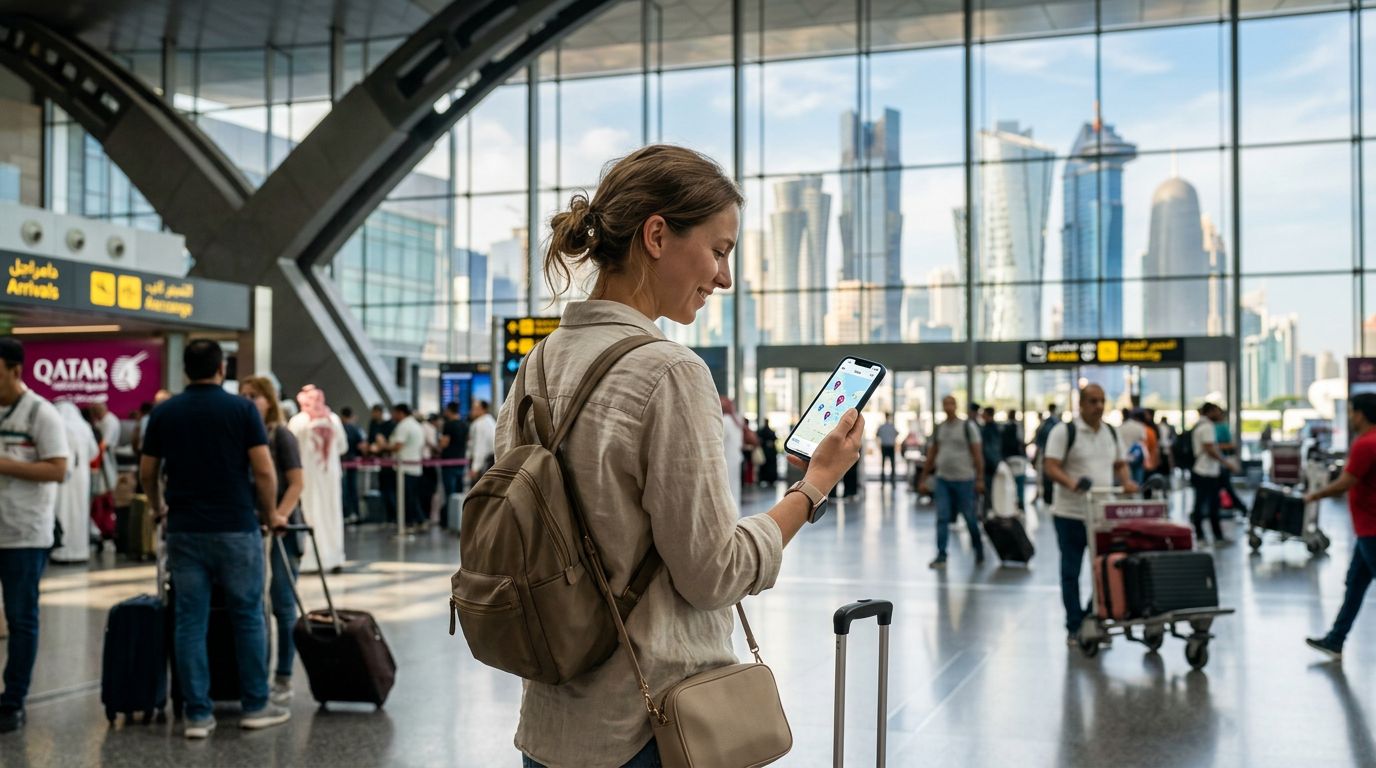
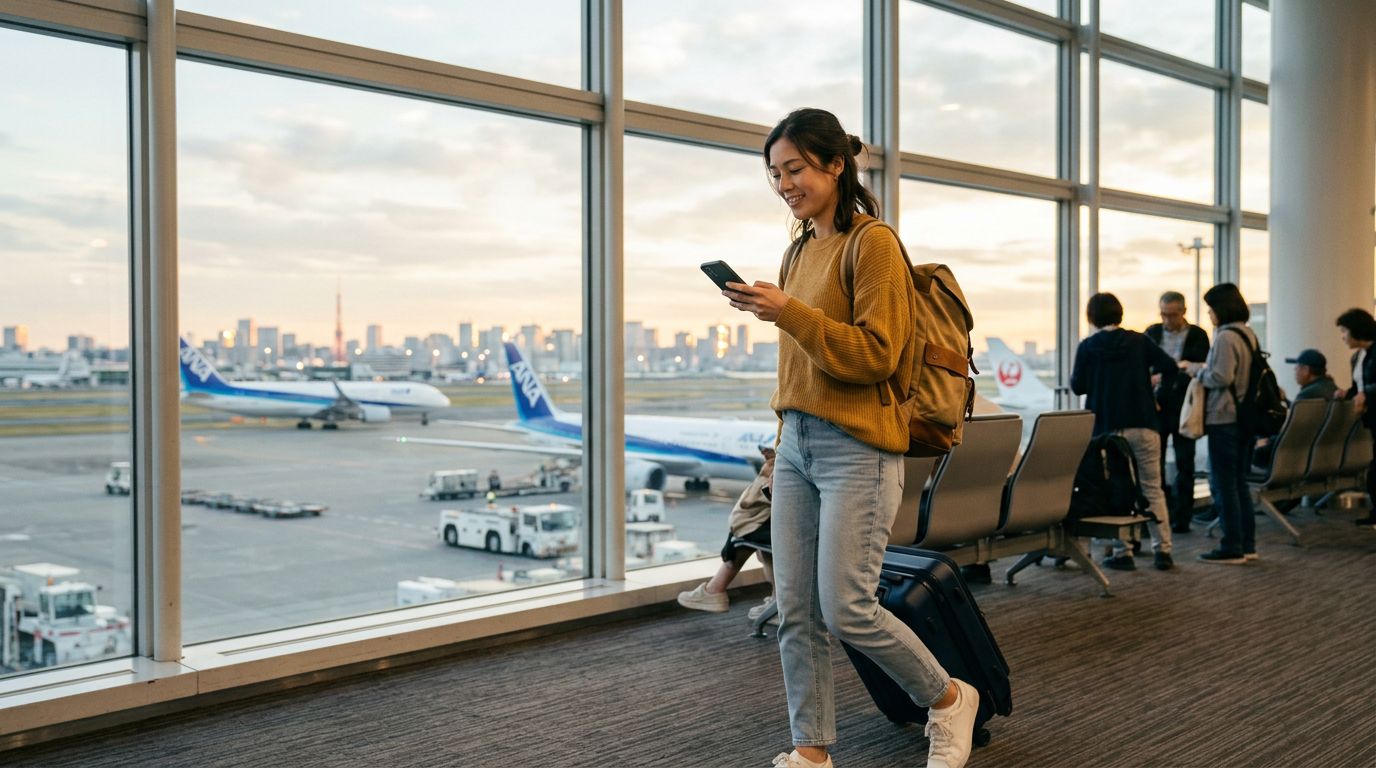
Brasil cuenta con una infraestructura de telecomunicaciones robusta y los principales operadores locales admiten la tecnología eSIM. Al usar un servicio como OneTapSIM, puedes preconfigurar tu dispositivo incluso antes de abordar tu vuelo. Esto garantiza que, en el momento en que tus ruedas toquen la pista en Brasil, tu teléfono se conecte a una red local, permitiéndote evitar el estrés de buscar un quiosco o lidiar con barreras idiomáticas en una tienda de telefonía del aeropuerto.
Por qué la eSIM es la opción superior para viajar a Brasil
Los planes de roaming tradicionales ofrecidos por los operadores nacionales suelen ser prohibitivamente caros y vienen con límites de datos restrictivos. Depender del Wi-Fi público es otra estrategia común, pero conlleva riesgos de seguridad significativos. Las redes públicas en aeropuertos, cafeterías y hoteles a menudo no están protegidas, lo que hace que tus datos personales sean vulnerables a la interceptación.
Usar una eSIM proporciona una conexión segura y privada que mantiene tus datos protegidos. Además, el factor de conveniencia es inigualable. Con una SIM física, corres el riesgo de dañar la bandeja SIM de tu teléfono o perder tu tarjeta SIM original durante el intercambio. Una eSIM vive completamente dentro del software de tu teléfono, lo que significa que tu tarjeta SIM principal permanece guardada de forma segura en tu dispositivo.
Otra ventaja es la capacidad de gestionar múltiples perfiles. La mayoría de los teléfonos inteligentes modernos te permiten almacenar varios perfiles eSIM, lo que significa que puedes mantener tu número de casa activo para llamadas y mensajes de texto mientras usas tu perfil de OneTapSIM exclusivamente para datos. Esta configuración evita cargos de roaming accidentales en tu plan nacional mientras garantiza que tengas internet de alta velocidad durante toda tu estancia en Brasil.
La compatibilidad rara vez es un problema para los dispositivos modernos. La mayoría de los teléfonos inteligentes lanzados en los últimos años admiten la funcionalidad eSIM. Puedes verificar las capacidades de tu dispositivo consultando la documentación oficial en los sitios web de soporte de Apple o Google. Si tu teléfono está liberado por el operador y es compatible con eSIM, estás listo para aprovechar esta tecnología.
Cómo configurar y usar tu eSIM en Brasil
Configurar tu conectividad para Brasil es un proceso sencillo. Una vez que hayas seleccionado tu paquete de datos, recibirás un código QR o un enlace de activación. Simplemente escanea este código usando la cámara de tu teléfono o el menú de configuración para descargar el perfil. Se recomienda encarecidamente completar este paso mientras aún estés en casa y conectado a una red Wi-Fi estable.
Una vez descargado el perfil, permanece inactivo hasta que llegues a Brasil. Cuando aterrices, puedes activar la eSIM a través de la configuración celular de tu teléfono. Asegúrate de que la opción "Itinerancia de datos" (Data Roaming) esté habilitada para el perfil de la eSIM; este es un punto común de confusión, pero para las eSIM de viaje, es un paso necesario para permitir que la SIM digital se comunique con las redes asociadas locales de Brasil.
Si encuentras algún problema, el proceso de solución de problemas suele ser simple. La mayoría de los problemas de conectividad se resuelven activando y desactivando el modo avión o reiniciando el dispositivo para forzar un nuevo enlace con la red. Debido a que servicios como OneTapSIM se asocian con múltiples proveedores locales, tu teléfono buscará automáticamente la señal más fuerte disponible en tu área inmediata. Esto es particularmente útil en un país tan vasto como Brasil, donde la cobertura de red puede variar significativamente entre los centros urbanos y las regiones remotas.
Un último consejo para tu viaje: monitorea tu uso de datos a través de la configuración integrada de tu teléfono. Aunque muchos planes de eSIM ofrecen generosas asignaciones de datos, es una buena práctica vigilar tu consumo, especialmente si planeas subir fotos de alta resolución o transmitir contenido de video. Si te quedas sin datos, a menudo puedes comprar datos adicionales o un paquete de recarga a través de la interfaz de tu proveedor sin necesidad de instalar una nueva tarjeta SIM.
Al preparar tu conectividad con antelación, eliminas uno de los mayores obstáculos logísticos de los viajes internacionales. En lugar de pasar tus primeras horas en Brasil buscando una tarjeta SIM física o luchando con instrucciones de configuración complejas, puedes dirigirte directamente a tu hotel o a tu primer destino turístico con tu teléfono listo para funcionar. Adoptar la tecnología eSIM te permite concentrarte en la cultura vibrante, la comida increíble y los paisajes impresionantes que hacen de Brasil un destino tan único.
Consigue una eSIM para
Planes para los destinos de esta guía, con entrega instantánea por QR.