Understanding Your Connectivity Options in Sweden
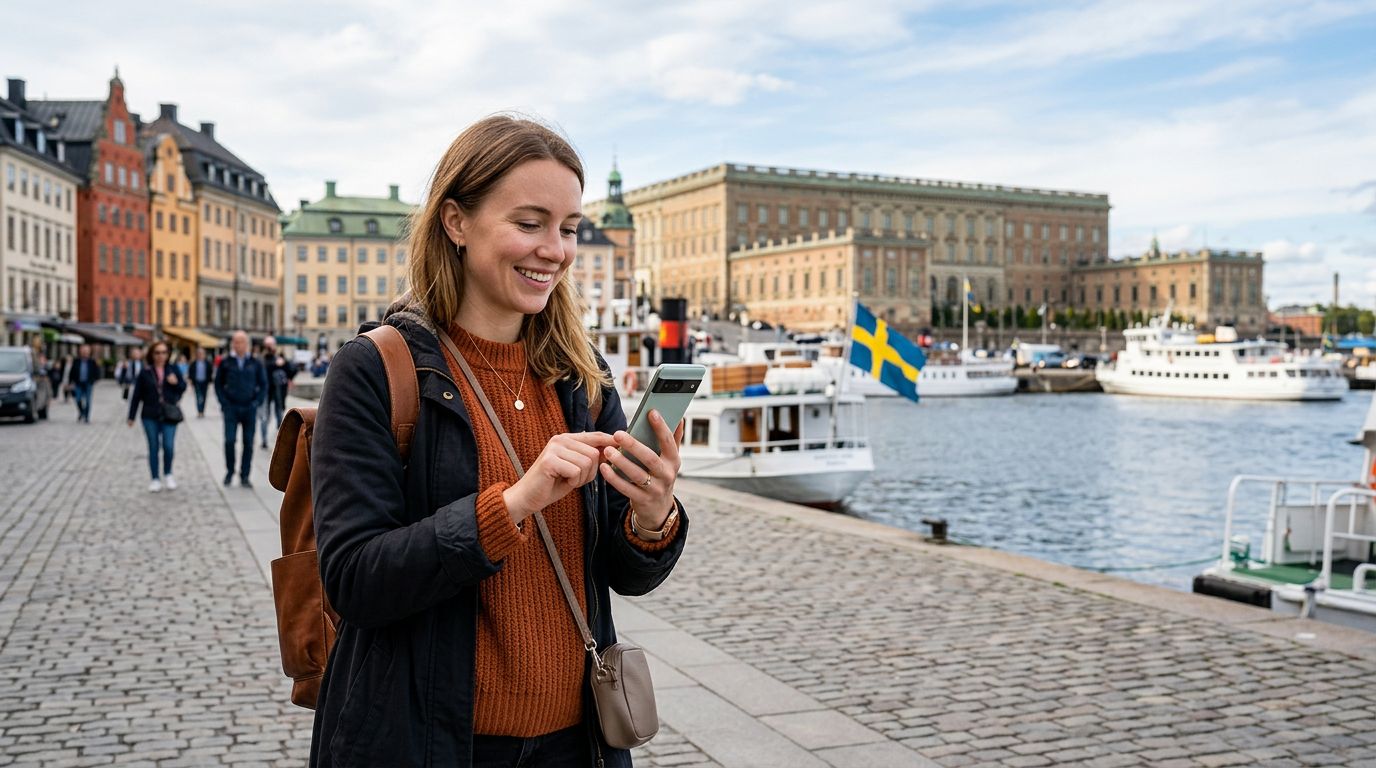
Planning a trip to Sweden often involves mapping out logistics, from booking cozy accommodations in Stockholm to organizing scenic train rides through the Swedish countryside. Among these preparations, securing reliable mobile connectivity is essential. When researching how to stay online, you will likely encounter the debate regarding a Sweden SIM card vs eSIM. Understanding the differences between these two technologies is the first step toward ensuring you have a smooth travel experience.
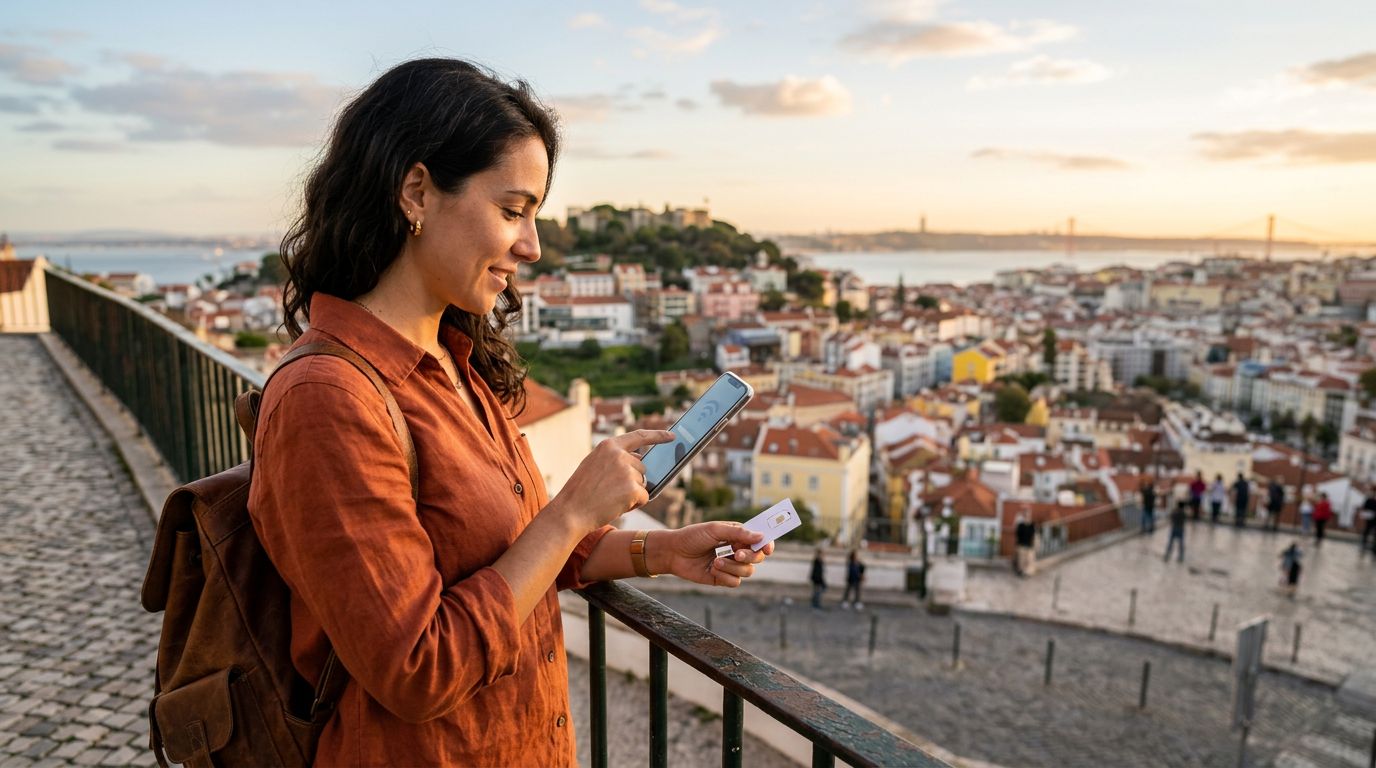
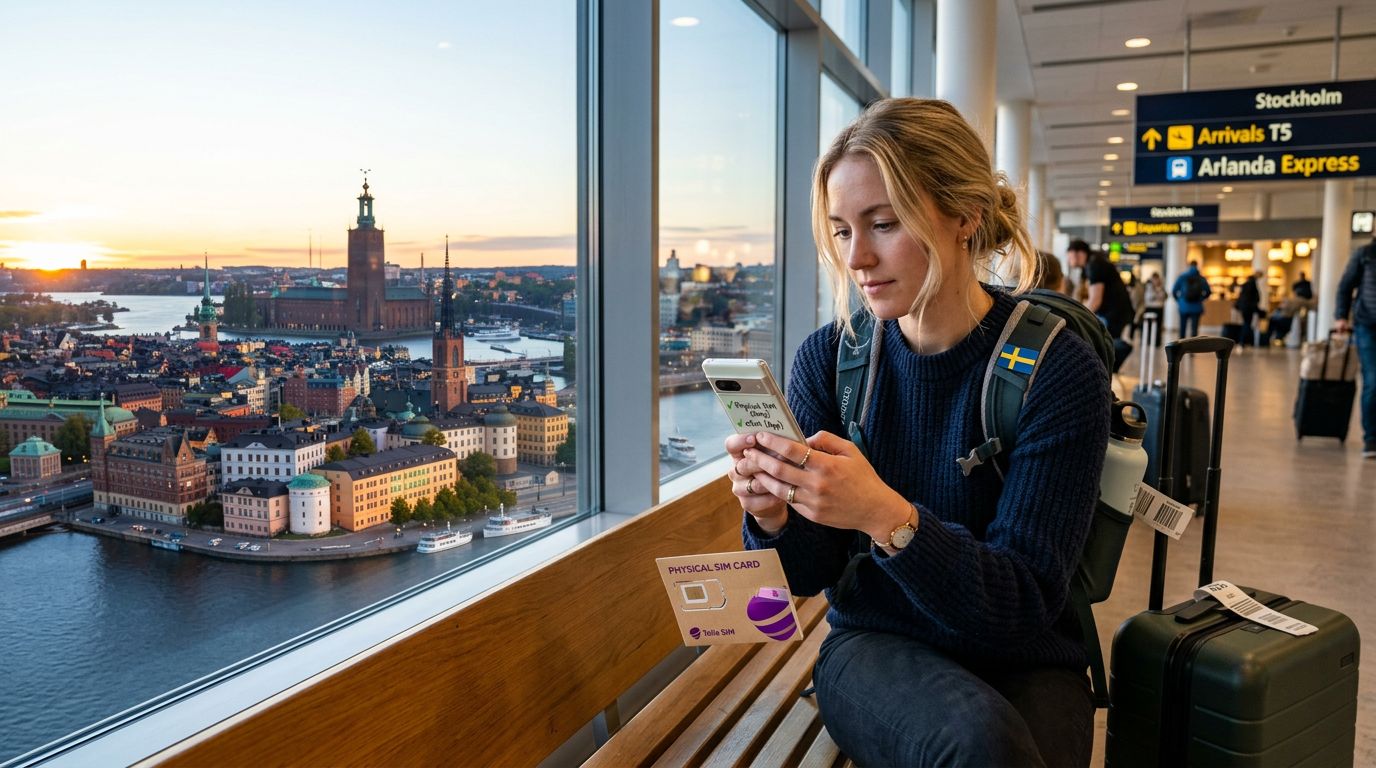
A physical SIM card is the traditional method of connecting to a cellular network. It involves inserting a small, removable chip into your phone’s SIM tray. This has been the standard for decades, and for many travelers, it is a familiar process. You arrive at your destination, visit a local provider’s kiosk or retail store, purchase a card, and swap it with your home SIM.
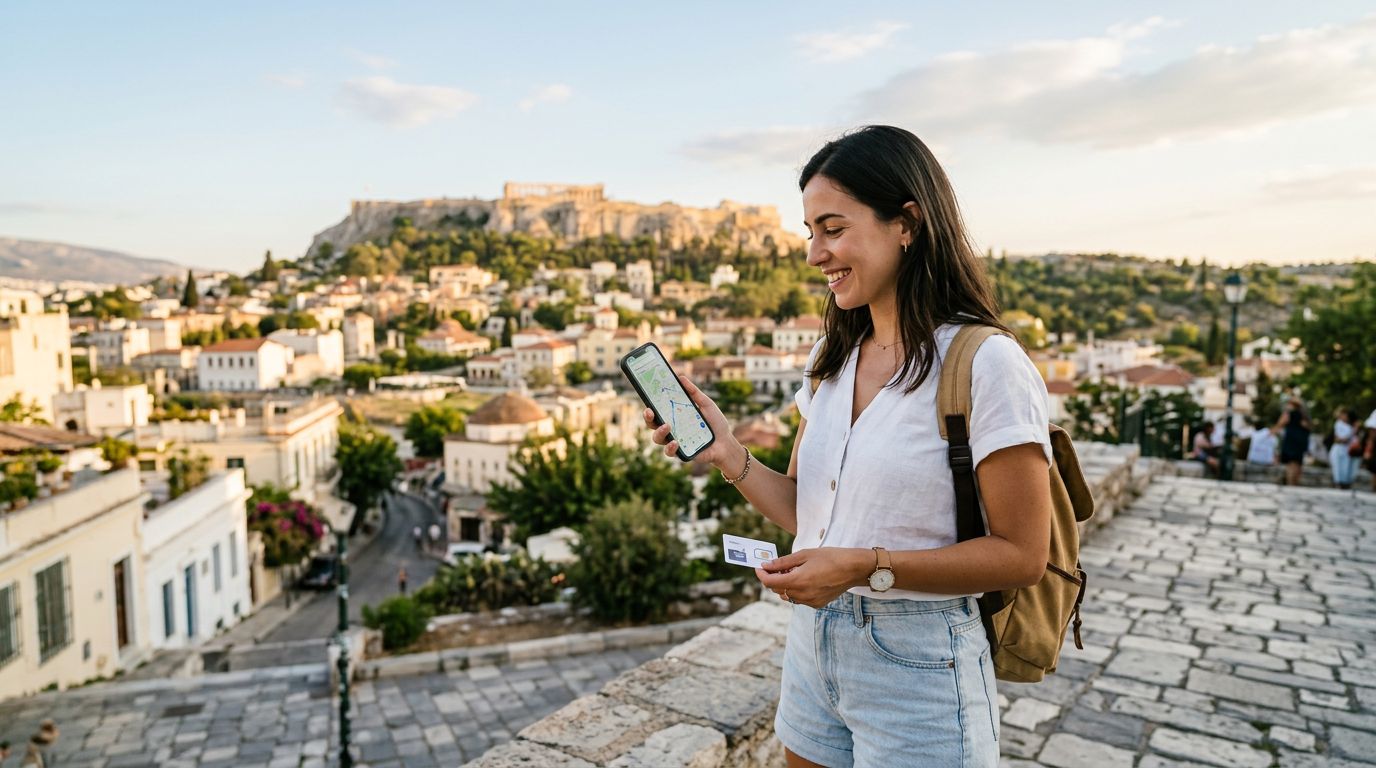
An eSIM, or embedded SIM, represents the modern evolution of this technology. It is a digital version of a SIM card that is already built into the hardware of your smartphone. Instead of physically handling a chip, you activate a data plan by scanning a QR code or downloading a profile directly to your device. This technology has gained significant traction because it eliminates the need to open your phone’s SIM tray or carry around tiny, easily lost pieces of plastic.
For travelers visiting Sweden, both options provide access to the country’s high-quality cellular infrastructure. Sweden boasts excellent network coverage, even in remote northern regions, making it a fantastic destination for digital nomads and casual tourists alike. However, the convenience, flexibility, and setup process differ significantly between the two.
The Practical Differences: Physical SIM vs eSIM
The most immediate difference between a traditional Sweden SIM card vs eSIM is the installation process. With a physical SIM card, you are required to find a local vendor upon arrival. This can be challenging if your flight lands late at night or if you are heading straight to a remote area where shops are not readily available. You also run the risk of losing your original home SIM card while it is removed from your phone.
In contrast, an eSIM offers a seamless digital transition. You can purchase your plan well before your departure, ensuring that you have connectivity the moment you step off the plane. Because the eSIM is software-based, you do not have to worry about physical hardware compatibility beyond ensuring your phone is unlocked and supports the technology. If you are using a modern smartphone, you can typically store multiple eSIM profiles, allowing you to switch between them with a few taps in your device settings.
Another critical factor is the management of your home number. When you use a physical SIM card, you must remove your primary card, which means you can no longer receive calls or texts on your home number unless you carry a second device. With an eSIM, many modern phones allow you to keep your primary SIM active for calls and texts while using the secondary eSIM exclusively for data. This is a massive advantage for travelers who need to stay reachable for work or family emergencies without incurring massive roaming charges.
OneTapSIM simplifies this experience by providing a streamlined interface for managing your data needs. By removing the friction of physical retail interactions, you can focus on enjoying the Swedish landscape rather than searching for a mobile shop. The ability to manage your connection digitally means that if your travel plans change—perhaps you decide to extend your stay or venture into neighboring Nordic countries—you can adjust your data usage without hunting for another physical card.
Making the Right Choice for Your Swedish Adventure
When deciding between a Sweden SIM card vs eSIM, consider your personal travel style and your device’s capabilities. If you are using a device that does not support eSIM technology, a physical SIM card remains a reliable and necessary choice. However, if your smartphone is compatible, the benefits of an eSIM are difficult to ignore.
The primary benefit of the eSIM is the elimination of "bill shock" and the stress of managing physical components. Because you can set up your connection before you leave home, you avoid the common pitfalls of international roaming, such as unexpected fees or unreliable public Wi-Fi networks. In a country like Sweden, where digital services are highly integrated into daily life—from public transport apps to museum ticketing—having a stable, pre-activated connection is a significant convenience.
It is also worth noting the environmental impact. Physical SIM cards require plastic manufacturing, packaging, and shipping, all of which contribute to waste. By choosing an eSIM, you are opting for a more sustainable, paperless, and plastic-free method of staying connected. This aligns well with the values of many travelers who prefer to minimize their environmental footprint while exploring new destinations.
Reliability is another pillar of the Swedish mobile experience. Both physical SIMs and eSIMs utilize the same local towers, meaning you will receive the same high-speed internet quality regardless of which format you choose. The difference lies entirely in the user experience and the ease of activation. By choosing a provider like OneTapSIM, you benefit from a service designed specifically for the modern traveler who values efficiency and clear, straightforward data management.
Ultimately, the choice comes down to your preference for convenience versus tradition. If you enjoy the ritual of visiting a local store and handling physical hardware, a traditional SIM card may suit you. However, for those who want to land in Stockholm, Gothenburg, or Malmö and have their map and translation apps ready to go immediately, the eSIM is the superior choice. As travel technology continues to advance, the shift toward eSIMs is becoming the new standard, offering a more flexible and stress-free way to explore the world. By planning ahead and understanding your device’s capabilities, you can ensure that your connectivity in Sweden is as smooth and efficient as the rest of your trip.
Get an eSIM for
Plans for the destinations covered in this guide, with instant QR delivery.