Understanding Your Connectivity Options in Sweden
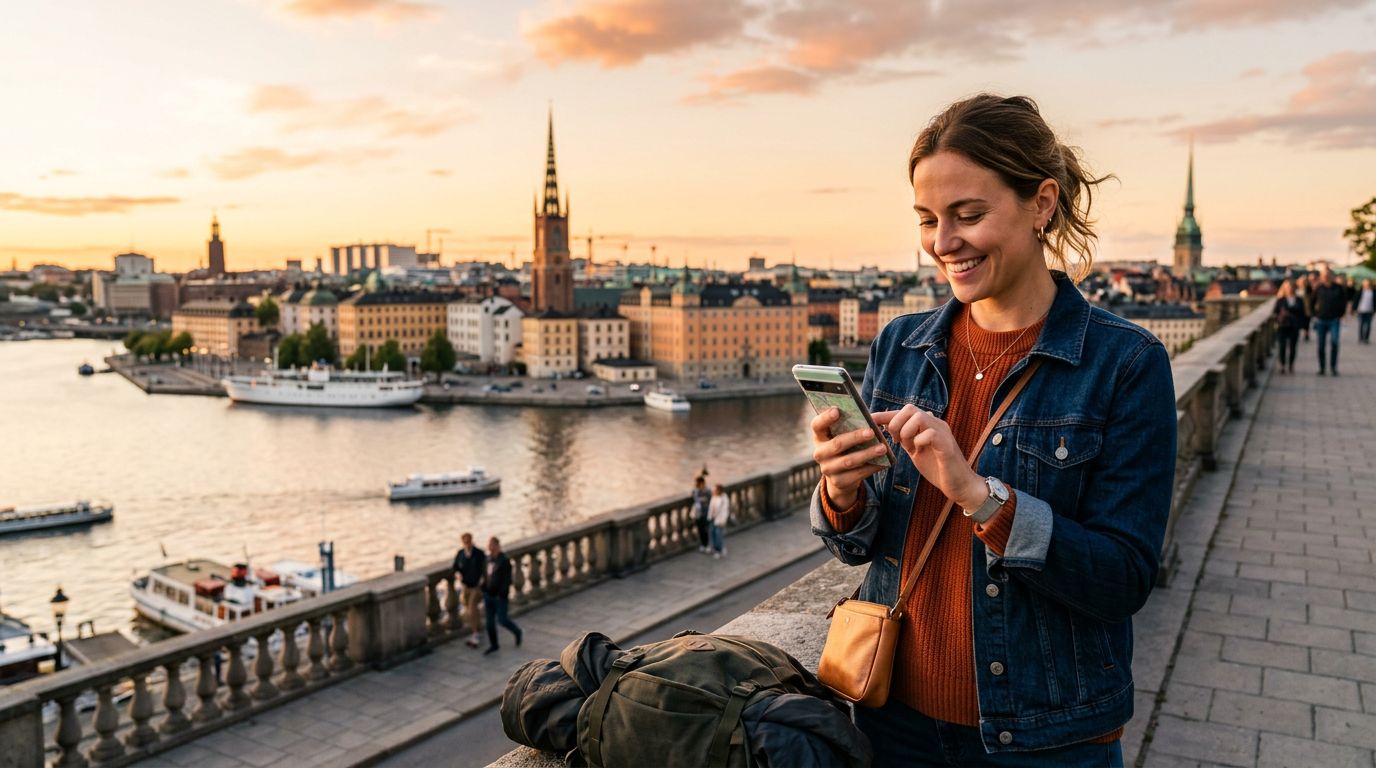
When planning a trip to Sweden, staying connected is essential for everything from checking train schedules to finding the best local cafes. Sweden is a highly digitized country where almost every service, including public transportation and museum ticketing, relies on mobile connectivity. Travelers generally have two main choices when it comes to mobile data: purchasing a physical SIM card upon arrival or opting for an eSIM before they even step off the plane.
A physical SIM card is the traditional method. It involves removing your home SIM card and replacing it with a local one from a Swedish provider. This requires finding a physical store, presenting your identification, and physically swapping the tiny cards. While this method is reliable, it comes with the risk of losing your original SIM card during the transition.
On the other hand, an eSIM is a digital version of a SIM card. It is embedded directly into the hardware of modern smartphones. By choosing an eSIM, you can activate your data plan through a simple digital process. For many travelers, this eliminates the stress of searching for a kiosk at the airport or dealing with small, easily misplaced pieces of plastic. Services like OneTapSIM allow you to manage your connectivity entirely through your phone, ensuring you have data the moment you land in Stockholm or Gothenburg.
Comparing Physical SIM Cards and eSIMs
The primary difference between these two options lies in convenience and flexibility. Physical SIM cards often require you to visit a retail location. If you arrive late at night or on a weekend, finding an open shop can be a challenge. Furthermore, you must ensure your phone is unlocked by your home carrier to accept a foreign SIM card. If your phone is locked, a local SIM card will not function, leaving you without service.
eSIM technology simplifies this significantly. Because the eSIM is software-based, you do not need to open your phone’s SIM tray. This is particularly beneficial if you want to keep your home number active for calls or texts while using a secondary data plan for your internet needs. With an eSIM, you can maintain your home SIM in the primary slot and use the eSIM for your data requirements in Sweden.
Another factor to consider is the environmental impact and physical maintenance. Physical SIM cards generate plastic waste and require shipping or retail packaging. eSIMs are entirely digital, which aligns with the sustainable travel practices often encouraged in Scandinavia. Additionally, if you are traveling to multiple countries, managing multiple physical cards can be cumbersome. With an eSIM, you can switch between different regional data profiles with just a few taps in your phone settings.
Why eSIMs Are Often the Preferred Choice for Sweden
Sweden is a country that embraces technology, and the infrastructure there is perfectly suited for eSIM users. Most major Swedish networks support eSIM technology, meaning you get the same high-speed 4G and 5G coverage regardless of whether you use a physical card or a digital one. The coverage quality is consistent across urban centers like Malmö and Uppsala, as well as in more remote northern regions.
One of the most significant advantages of using an eSIM for your Swedish trip is the ability to prepare in advance. You can purchase and install your data plan while still at home. Once you arrive in Sweden, your phone will automatically connect to the local network. This means you can use ride-sharing apps, access maps, and contact your accommodation immediately without needing to hunt for a Wi-Fi hotspot at the airport.
For those who value security, an eSIM is also a safer option. Because you never have to remove your primary SIM card, there is no risk of losing it or damaging your phone’s SIM tray. If you encounter any issues with your connection, providers like OneTapSIM offer digital support that can often resolve configuration problems remotely. This is a stark contrast to physical SIM cards, where a faulty card might require you to return to a store to get a replacement.
To ensure your device is compatible, you should check your phone settings. Most smartphones released in the last few years support eSIM functionality. You can verify this by checking the official documentation provided by your device manufacturer. If your phone is compatible, the transition to a digital plan is seamless.
Practical Tips for a Smooth Experience
Regardless of which option you choose, there are a few steps to take before you travel. First, ensure your phone is not carrier-locked. If you are unsure, contact your home service provider to confirm that your device is free to use with other networks. Second, check your data usage habits. If you plan on streaming high-definition video or uploading large files, ensure your chosen plan provides enough data to cover your needs.
If you decide to go the eSIM route, the setup process is generally straightforward. You will receive a QR code or an activation code. You simply navigate to your phone’s cellular settings, select the option to add a new plan, and scan the code. Your phone will then download the necessary profile, and you will be ready to go.
Remember that while Sweden is a leader in digital connectivity, it is still wise to have a backup plan. Keep a portable power bank in your bag, as using GPS and data-heavy apps will drain your battery faster than usual. Additionally, while most places in Sweden accept digital payments, having a backup method for connectivity ensures you can always access your digital wallet or banking apps if needed.
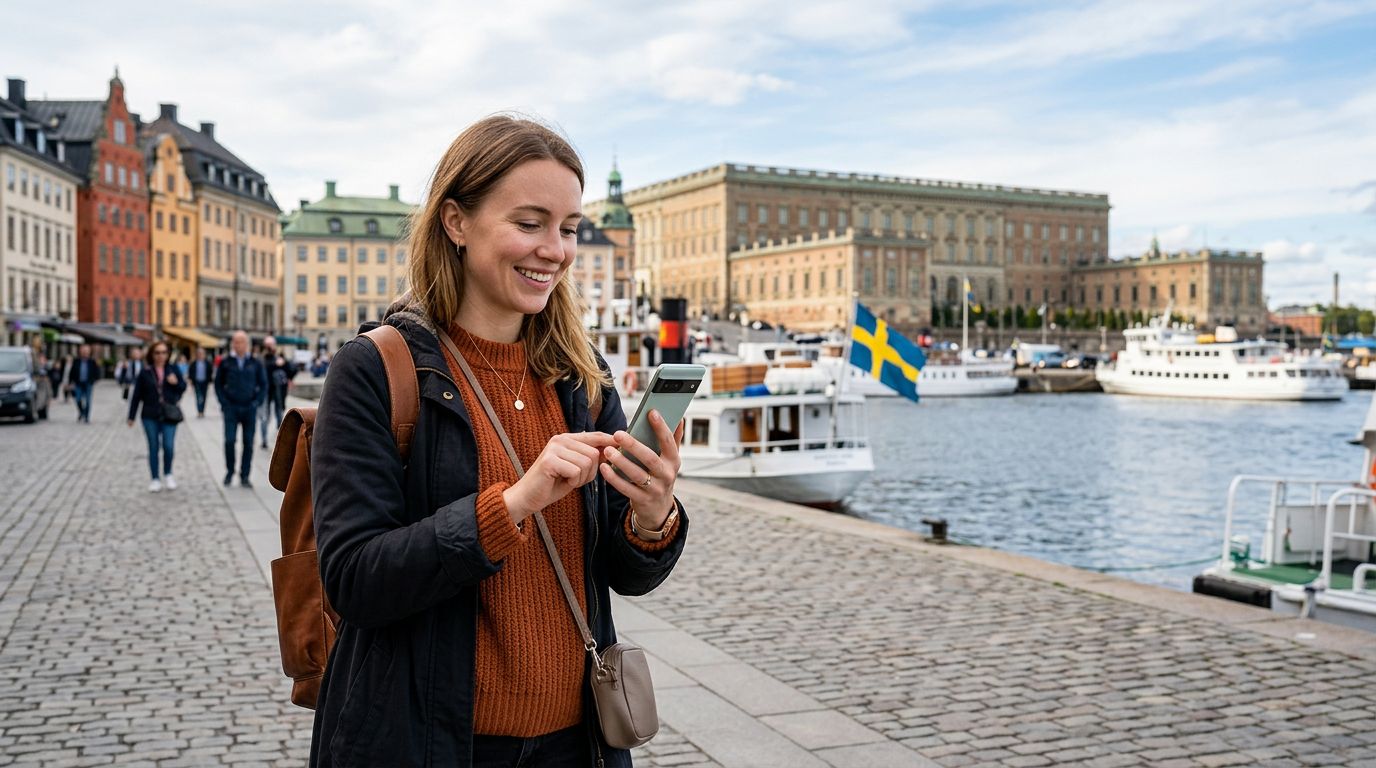
By opting for an eSIM, you are choosing a modern, efficient, and hassle-free way to stay connected. Whether you are exploring the cobblestone streets of Gamla Stan or hiking through the vast Swedish wilderness, having reliable data at your fingertips allows you to focus on the experience rather than the logistics of your mobile service. With the right preparation, your trip to Sweden will be as connected as it is memorable.