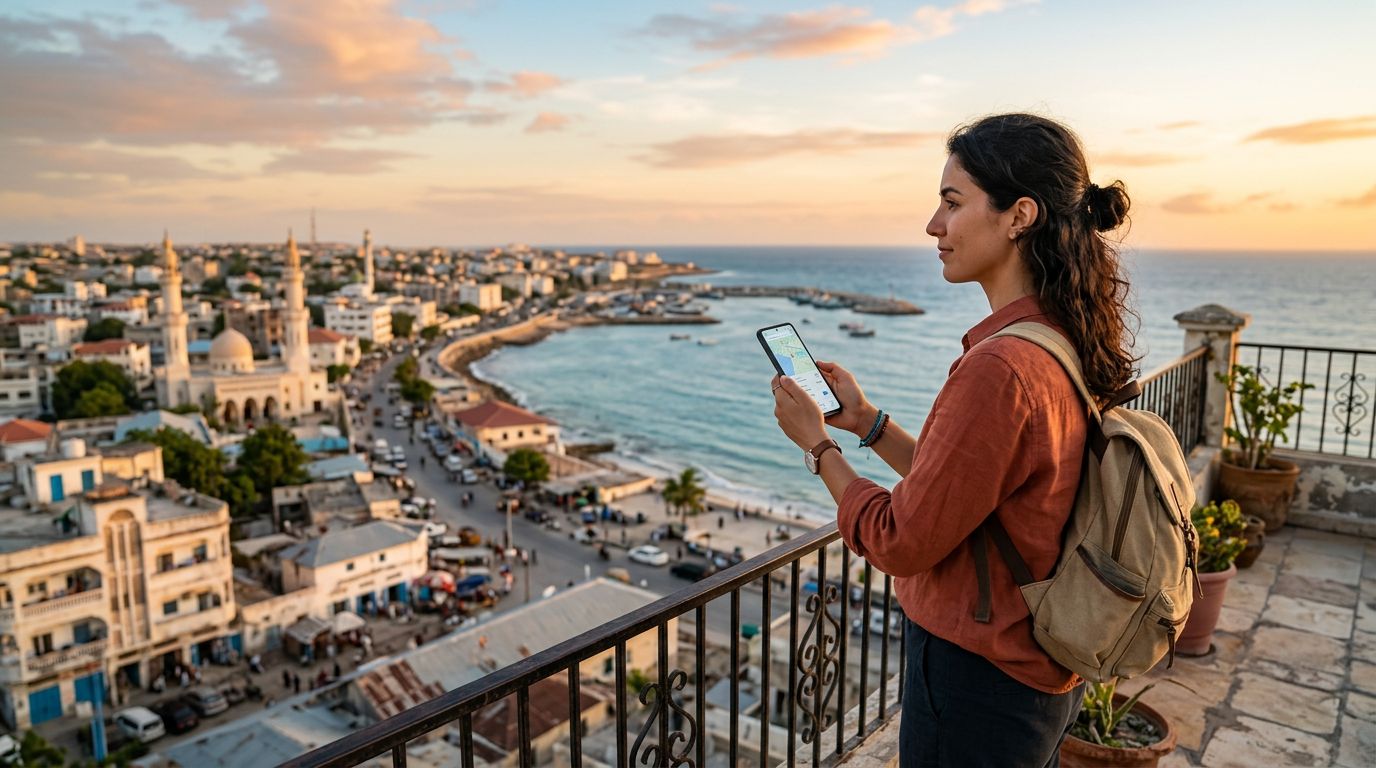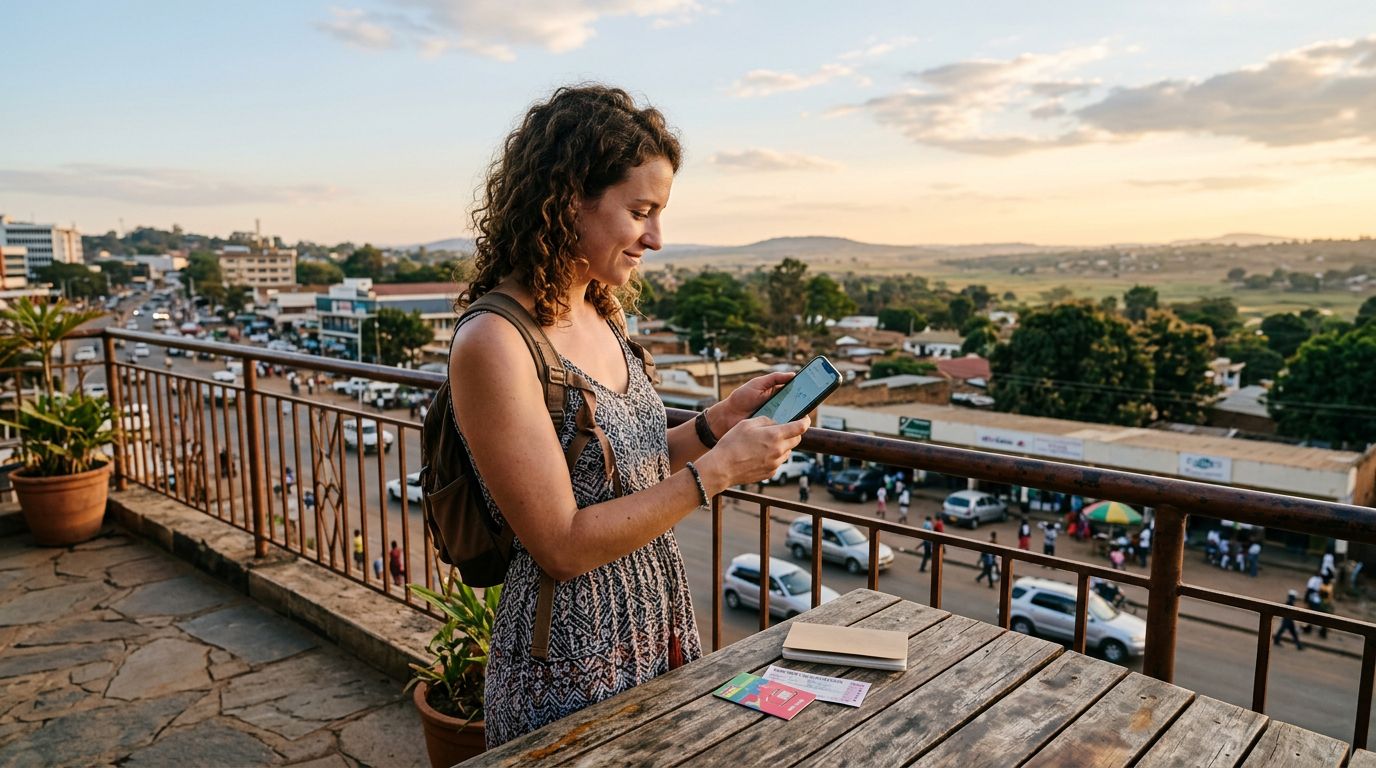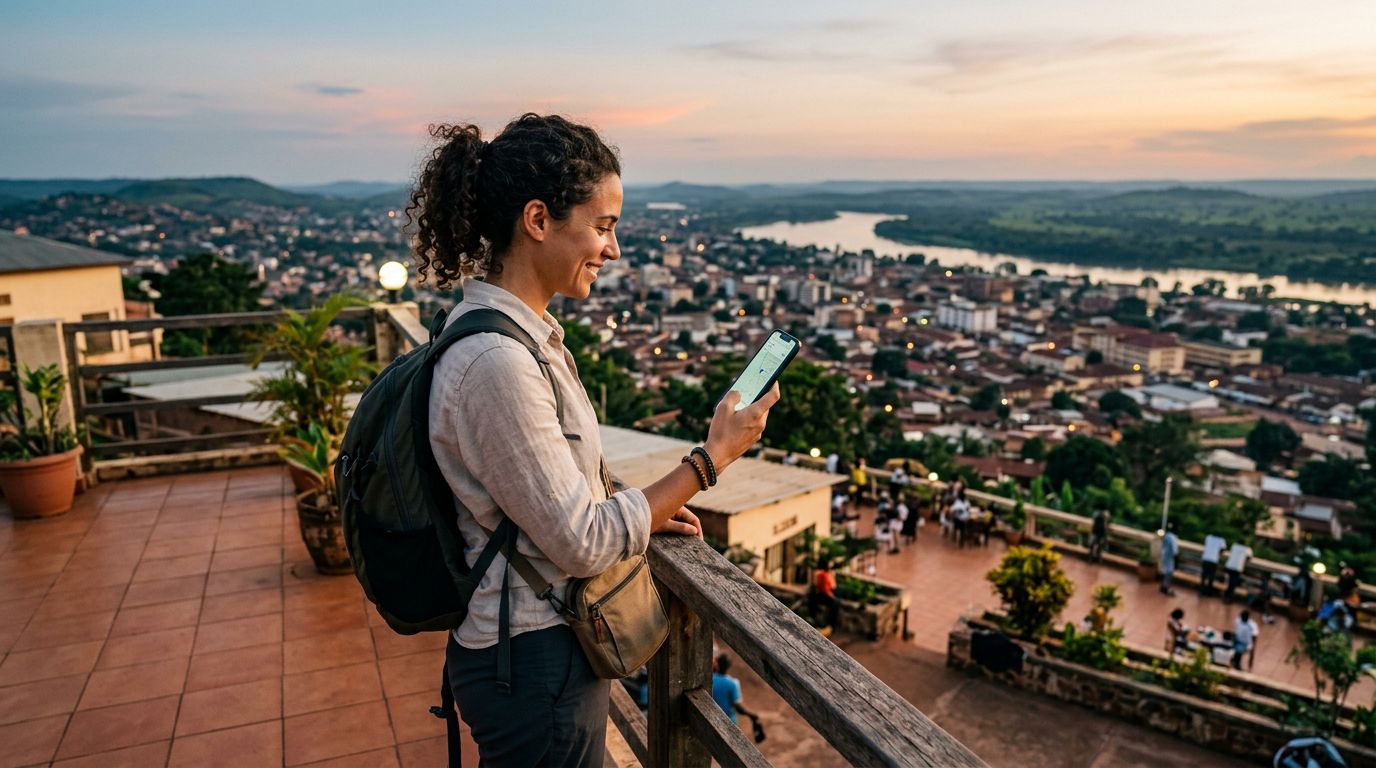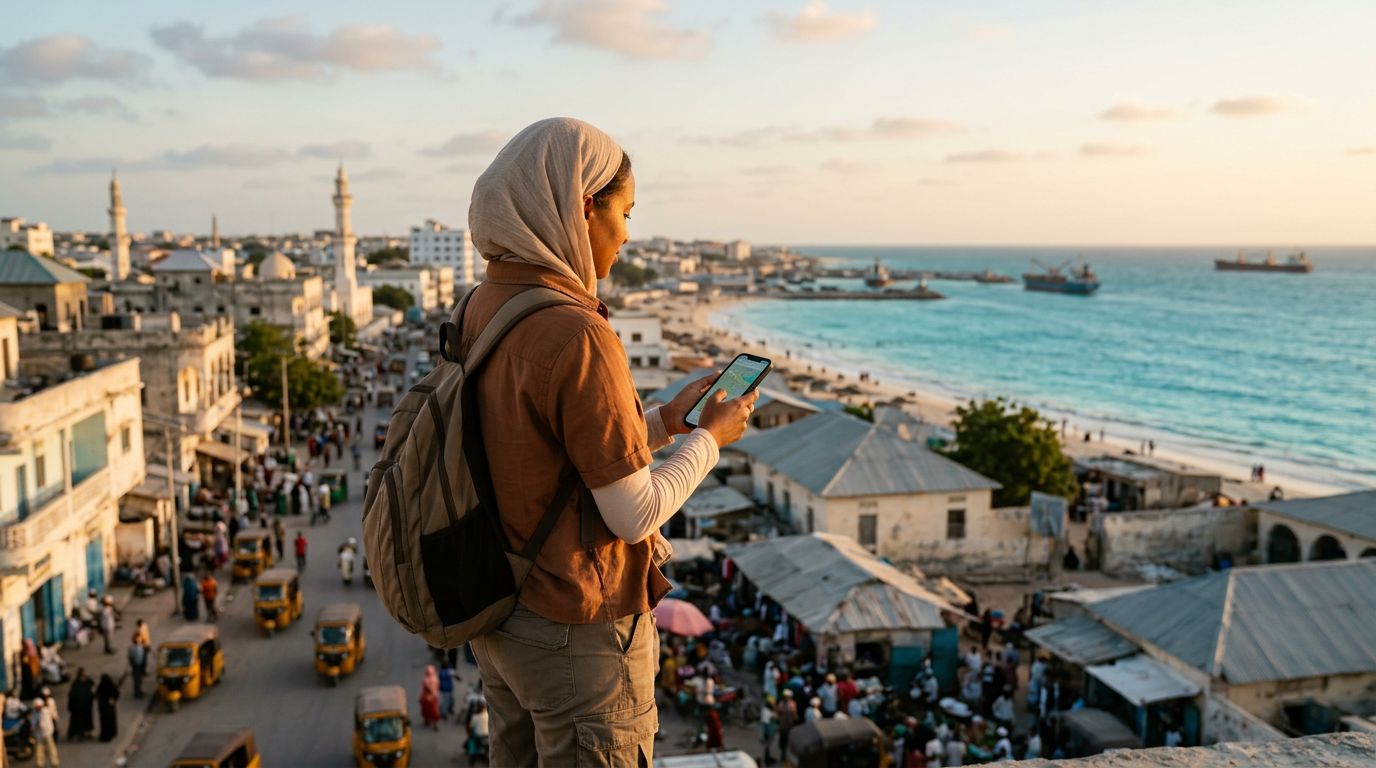
Understanding the Connectivity Landscape in Somalia
Travelers preparing for a trip to Somalia often prioritize staying connected. Whether you are visiting for business, humanitarian work, or tourism, having a reliable internet connection is essential for communication, navigation, and accessing local information. When comparing a Somalia SIM card vs eSIM, the choice largely depends on your device compatibility, the duration of your stay, and your preference for convenience.
Traditional physical SIM cards have been the standard for decades. In Somalia, local carriers offer various prepaid options that can be purchased upon arrival. These cards require you to visit a physical kiosk, present your identification documents, and manually insert a small plastic chip into your phone. While this method is tried and true, it involves a few logistical hurdles. You must find a store that is open, navigate potential language barriers, and ensure your phone is unlocked to accept a foreign carrier.
On the other hand, eSIM technology represents a shift toward digital-first connectivity. An eSIM is a virtual SIM card embedded directly into the hardware of modern smartphones. Instead of swapping out a physical card, you download a data profile to your device, which allows you to connect to local networks instantly. For many international travelers, the transition to eSIMs has simplified the process of arriving in a new country, as they can activate their connection before their plane even touches the ground.
Comparing Convenience and Practicality
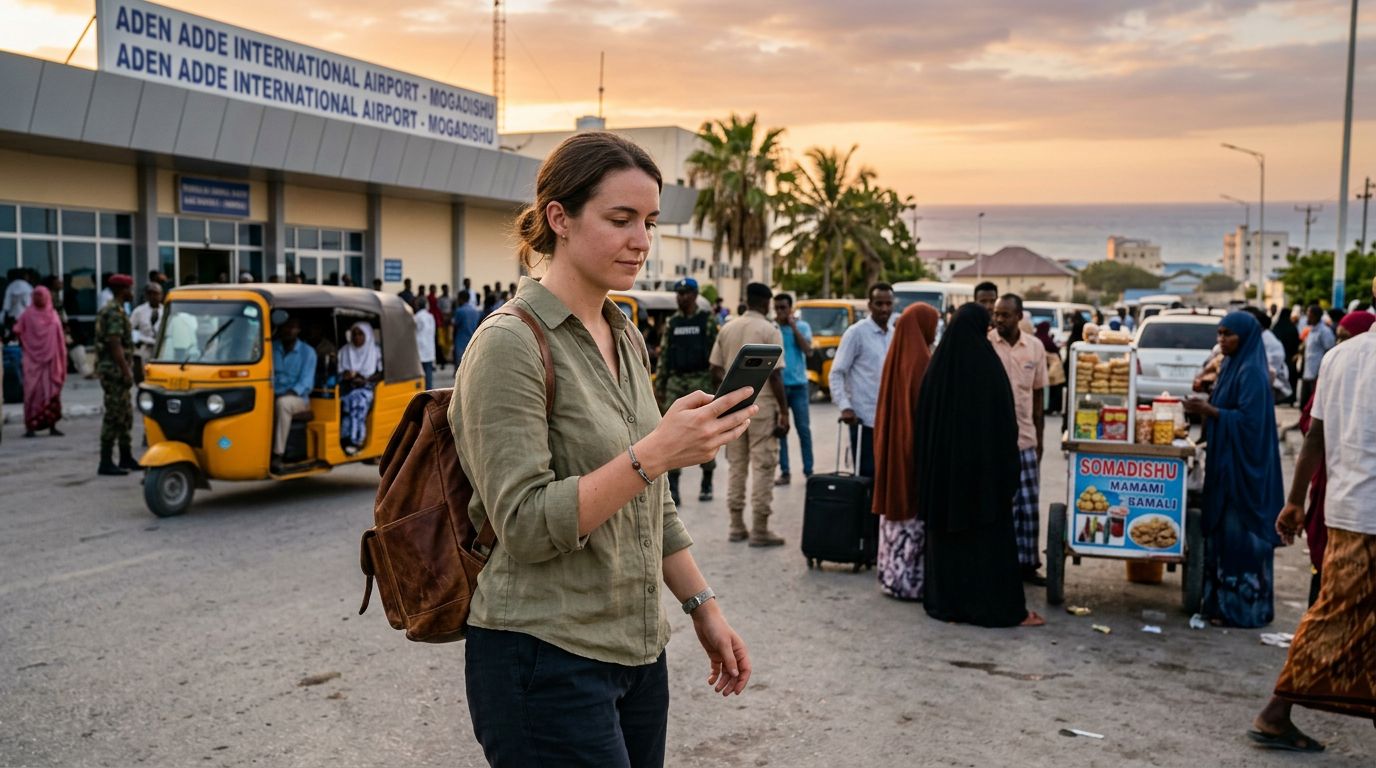
The primary advantage of choosing an eSIM over a physical SIM card is the elimination of physical friction. When you land at an airport, the last thing you want to do is hunt for a mobile shop, wait in a queue, or fumble with a tiny SIM tray and a needle tool. With an eSIM, the setup process happens entirely through your device’s settings. Providers like OneTapSIM allow you to select your destination, purchase a data package, and install the profile via a simple QR code or manual entry.
Physical SIM cards do have their own set of considerations. If you are staying in Somalia for an extended period, a local physical SIM might offer specific voice and SMS packages that are tailored to local residents. However, for most short-term visitors, the need for a local phone number is secondary to the need for reliable mobile data. If your primary goal is to use messaging apps, check emails, and access maps, data-only eSIMs are often more than sufficient.
Another factor to consider is the risk of loss or damage. Physical SIM cards are small and easy to misplace. If you lose your primary SIM card while swapping it out, you could lose access to your home number and potentially face a difficult replacement process. An eSIM remains safely inside your device, meaning there is no risk of losing a physical component. Furthermore, many modern smartphones allow you to keep your home SIM active alongside your travel eSIM, enabling you to receive important calls or two-factor authentication codes from home while using the eSIM for data in Somalia.
Compatibility and Technical Requirements
Before deciding between a traditional SIM and an eSIM, you must verify that your device supports the technology. While most flagship smartphones released in the last few years are eSIM-compatible, older or budget-oriented models may not have this functionality. You can verify your device’s capabilities by checking the manufacturer's support pages, such as those provided by Apple or Google.
If your phone is locked to a specific carrier in your home country, neither a physical local SIM nor an eSIM will work. You must ensure your device is carrier-unlocked before you travel. If your phone is unlocked, the setup process for an eSIM is generally straightforward. You will receive an installation guide that directs you to your phone's cellular settings menu, where you can add a new data plan. Once the profile is downloaded, you simply toggle it on when you arrive in Somalia.
OneTapSIM provides a streamlined interface for managing these connections, ensuring that even users who are not particularly tech-savvy can get online without confusion. By choosing an eSIM, you avoid the common pitfalls of international roaming, which can be prohibitively expensive and often requires complex settings adjustments. Instead, you get a dedicated data bucket that functions as if you were using a local connection.
Ultimately, the choice between a Somalia SIM card vs eSIM comes down to your personal travel style. If you enjoy the traditional experience of interacting with local vendors and require a local phone number for voice calls, a physical SIM card remains a viable option. However, if you value efficiency, security, and the ability to land in Somalia with an active internet connection, an eSIM is the superior choice for the modern traveler. By preparing your device before departure, you can focus on your trip rather than the logistics of staying connected.
Get an eSIM for
Plans for the destinations covered in this guide, with instant QR delivery.