Understanding Connectivity in the Central African Republic
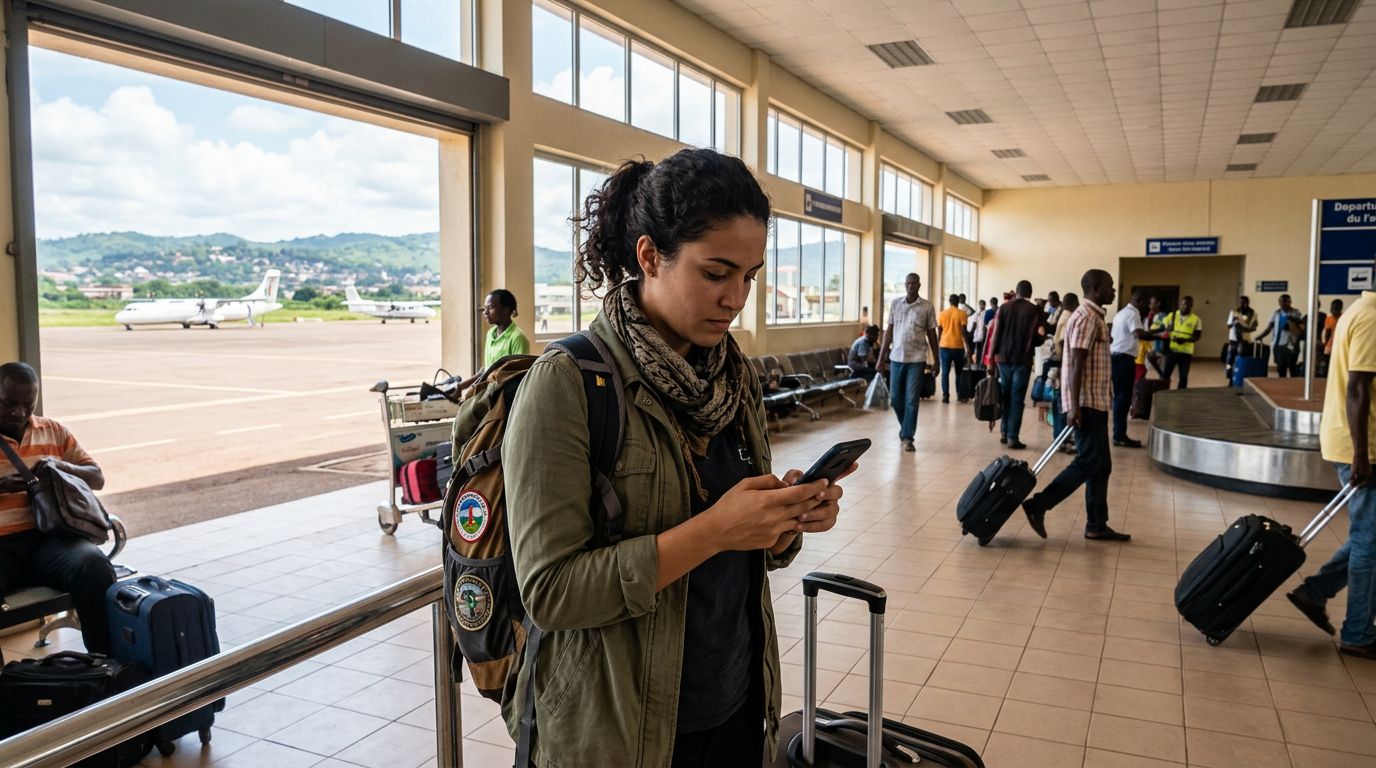
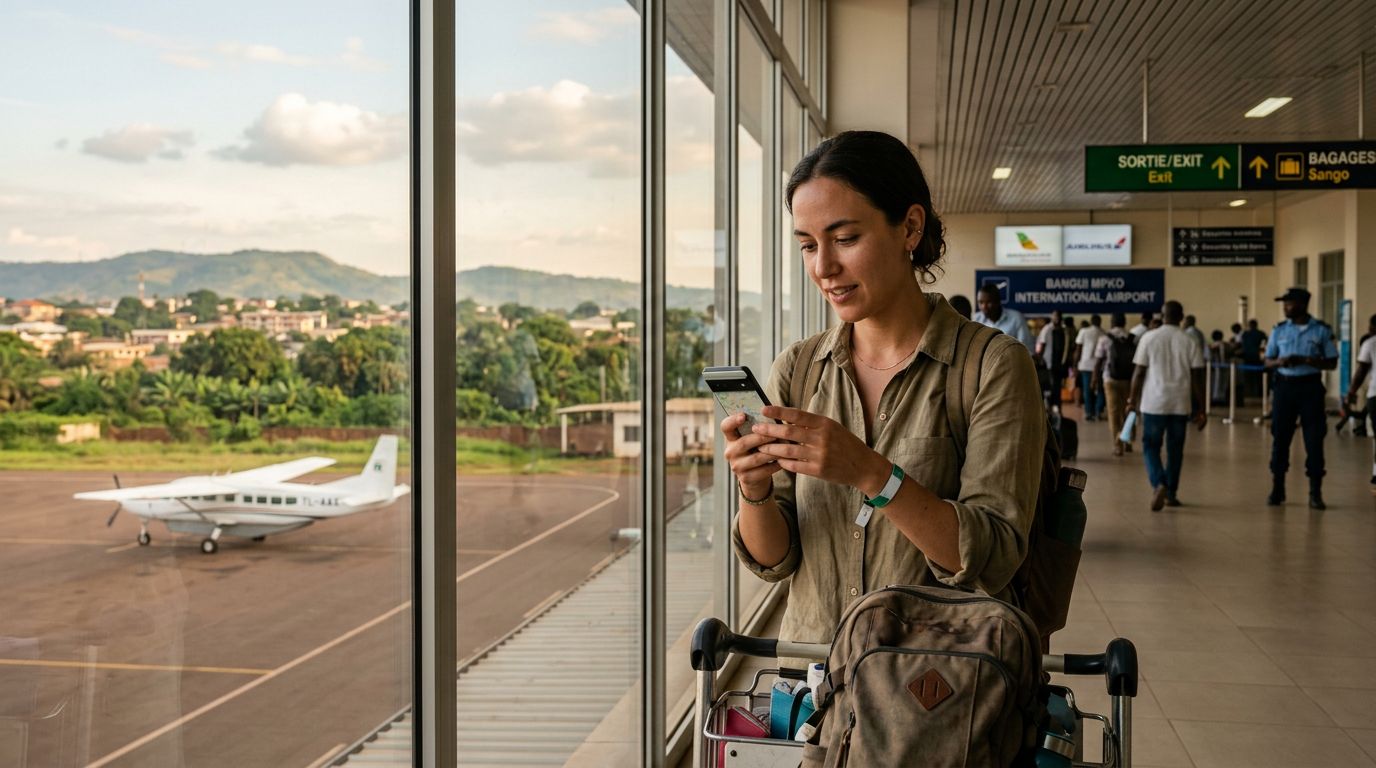
Traveling to the Central African Republic is an adventure that requires careful planning, especially when it comes to staying connected. Whether you are visiting Bangui for business or exploring the diverse landscapes and cultural heritage of the region, having a reliable internet connection is essential for safety, navigation, and keeping in touch with home. Travelers often find themselves choosing between two primary methods: carrying a physical pocket WiFi device or using an eSIM.
The Central African Republic presents unique challenges for connectivity. Infrastructure can be inconsistent, and roaming charges from domestic carriers back home are often prohibitively expensive. When you rely on a pocket WiFi device, you are essentially carrying a secondary piece of hardware that requires its own battery management and physical space in your luggage. Conversely, an eSIM allows you to activate a digital SIM profile directly on your smartphone, bypassing the need for a physical card or an extra device.
For most travelers, the decision comes down to convenience versus hardware dependency. If you are accustomed to traveling with multiple gadgets and don’t mind the extra weight, a pocket WiFi might seem familiar. However, for those who prioritize efficiency and a streamlined travel experience, the eSIM has become the modern standard for international connectivity.
Comparing the Practicality of Pocket WiFi and eSIM
A pocket WiFi device functions as a portable cellular hotspot. You insert a local SIM card into the device, and it broadcasts a WiFi signal that your phone and laptop can connect to. While this allows you to share data with multiple devices, it introduces several logistical hurdles. First, you must ensure the device is charged throughout the day. If the battery dies, you lose your connection, which can be dangerous if you are relying on digital maps in an unfamiliar area. Second, you must keep the device within reach at all times. If you lose the pocket WiFi, you lose your entire connection, and you are often liable for the cost of the hardware itself.
An eSIM, by contrast, integrates directly into your existing smartphone. Because it is embedded software, you do not need to worry about losing a physical device or managing an extra battery. You simply install the profile, activate it when you arrive, and your phone connects to the local network as if it were a native device. OneTapSIM simplifies this process by providing a digital setup that eliminates the need to visit a local kiosk or swap out physical SIM cards upon arrival.
Another factor is the setup time. With a pocket WiFi, you often have to pick up the device at an airport kiosk or wait for it to be shipped to your hotel. If your flight is delayed or your arrival time changes, you may find yourself without a connection for hours or even days. An eSIM can be purchased and installed in advance, meaning you have service the moment your plane touches the tarmac. This immediate connectivity is a significant advantage when you are trying to arrange transportation or find your accommodation in a new city.
Why eSIM is the Preferred Choice for Modern Travelers
When considering the specific environment of the Central African Republic, the benefits of using an eSIM become even more apparent. Because the infrastructure for cellular data can vary, having a system that is easy to manage is vital. eSIM technology allows you to switch between different networks if one happens to have better coverage in a specific region. You can store multiple eSIM profiles on your device, giving you a level of flexibility that a single-SIM pocket WiFi device simply cannot match.
Security is another often-overlooked aspect of this comparison. Pocket WiFi devices create an open or password-protected hotspot, which can be vulnerable if not managed correctly. Using your phone’s native connection via an eSIM is generally more secure, as it utilizes the encrypted protocols of the cellular network directly. Furthermore, because your phone is always on your person, you are less likely to leave your connection behind in a taxi or restaurant, a common risk with standalone hotspots.
OneTapSIM focuses on providing a seamless experience for those who want to avoid the technical headaches associated with international roaming. By removing the need for physical hardware, you reduce the clutter in your travel bag and eliminate the stress of managing another electronic device. You can manage your data usage directly from your phone’s settings, ensuring that you stay within your limits without needing to check a secondary screen.
For travelers visiting the Central African Republic, the goal is usually to spend less time worrying about logistics and more time experiencing the location. Whether you are navigating the streets of Bangui or traveling to more remote areas, having a reliable, always-on connection is key. The eSIM represents a shift toward a more integrated, user-friendly approach to global connectivity. By choosing a digital solution, you ensure that your phone is ready to go as soon as you arrive, allowing you to focus on your trip rather than your technology.
As mobile technology continues to evolve, the reliance on physical hardware for connectivity is rapidly decreasing. Most modern smartphones now support eSIM functionality, making it easier than ever to adopt this technology. Before your next trip, check your device compatibility through official manufacturer resources to ensure you are ready to make the switch. Embracing the digital route not only makes your travel lighter but also provides a more robust and reliable way to stay connected in the Central African Republic and beyond. By opting for an eSIM, you are choosing a smarter, more efficient way to travel, leaving the bulky pocket WiFi devices of the past behind.
Get an eSIM for
Plans for the destinations covered in this guide, with instant QR delivery.