Mozambique is a destination of breathtaking contrasts, from the vibrant, bustling streets of Maputo to the pristine, turquoise waters of the Bazaruto Archipelago. Whether you are planning to explore the historic architecture of Ilha de Moçambique or seeking the ultimate relaxation on the beaches of Tofo, staying connected is essential. Having reliable internet access allows you to use navigation apps, translate local languages, and share your journey with friends and family in real-time. When planning your logistics, you will likely encounter the debate regarding pocket WiFi versus eSIM for Mozambique. Understanding the pros and cons of each will ensure you choose the most convenient option for your travel style.
Understanding the Connectivity Landscape in Mozambique
Before deciding on your hardware, it is helpful to understand how connectivity works in Mozambique. The country relies on a few major mobile network operators that provide varying levels of coverage. While urban centers like Maputo and Beira have robust 4G signals, remote coastal areas and national parks may have limited or inconsistent service.
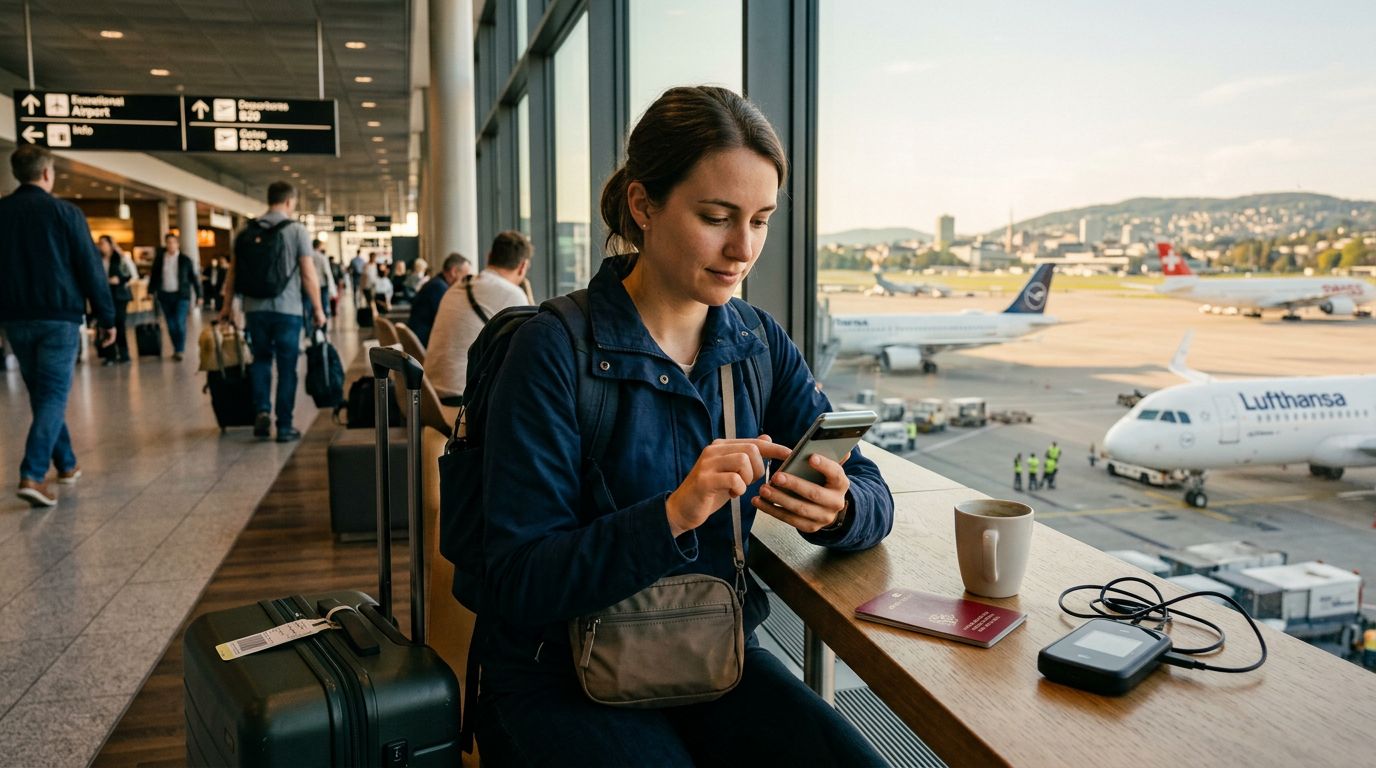
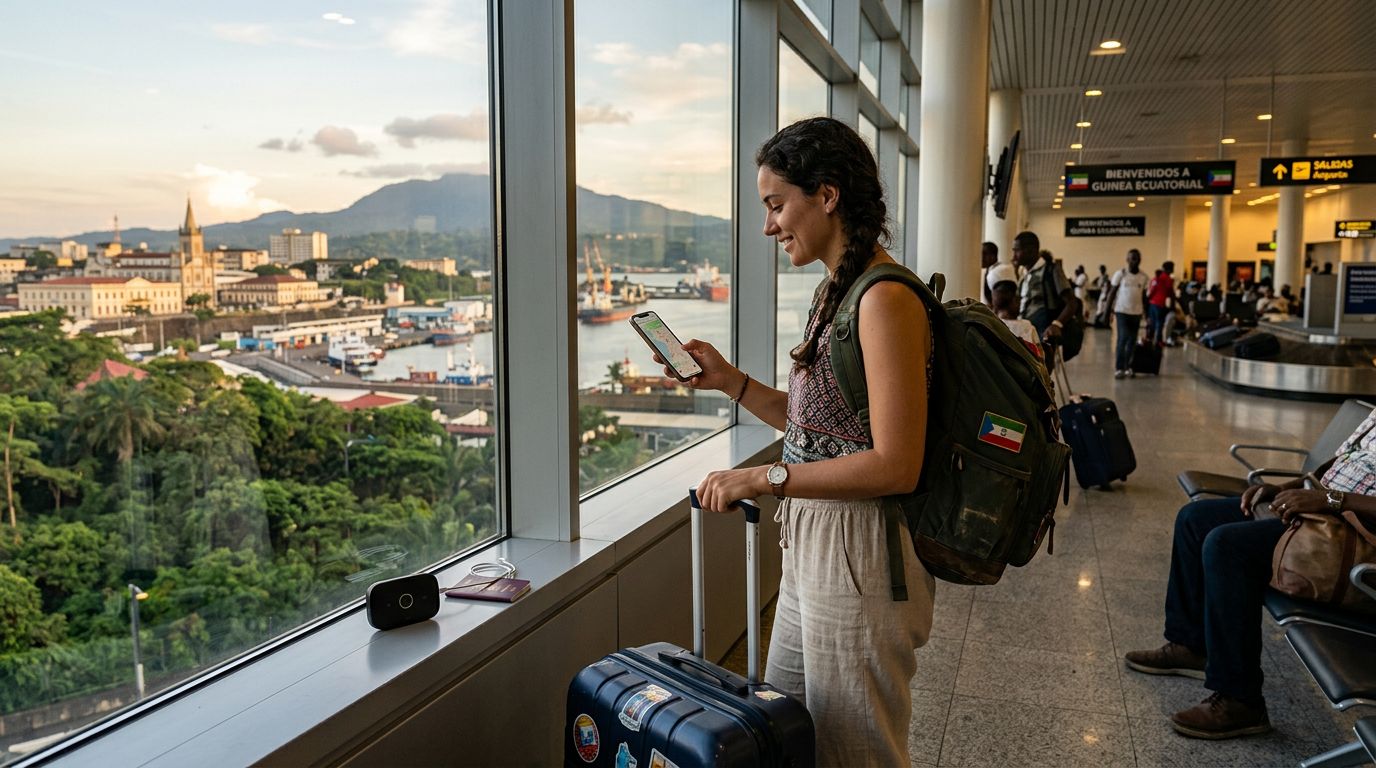
A pocket WiFi device is a portable router that creates a local hotspot, allowing multiple devices to connect to the internet simultaneously. It typically requires you to carry a dedicated piece of hardware, a charging cable, and often a power bank to ensure it stays operational throughout the day. Because these devices rely on a physical SIM card inserted into them, they function similarly to a mobile phone.
An eSIM, or embedded SIM, is a digital alternative to the traditional plastic card. It is built directly into the hardware of modern smartphones. By choosing an eSIM, you download a data plan directly to your device via a QR code or an app. This removes the need to physically swap out your home SIM card or carry extra equipment. For many travelers, the simplicity of a digital solution like OneTapSIM is the primary reason for switching away from traditional hardware rentals.
Comparing Convenience and Practicality
The most significant difference between these two technologies is the logistical burden. When you opt for a pocket WiFi device, you are responsible for an extra piece of luggage. You must pick it up upon arrival or have it shipped to your accommodation, ensure it is charged every night, and manage the return process before you leave the country. If you lose the device or damage it, you may face significant liability fees. Furthermore, you must keep the device within range of your phone, which can be cumbersome during long treks or beach days.
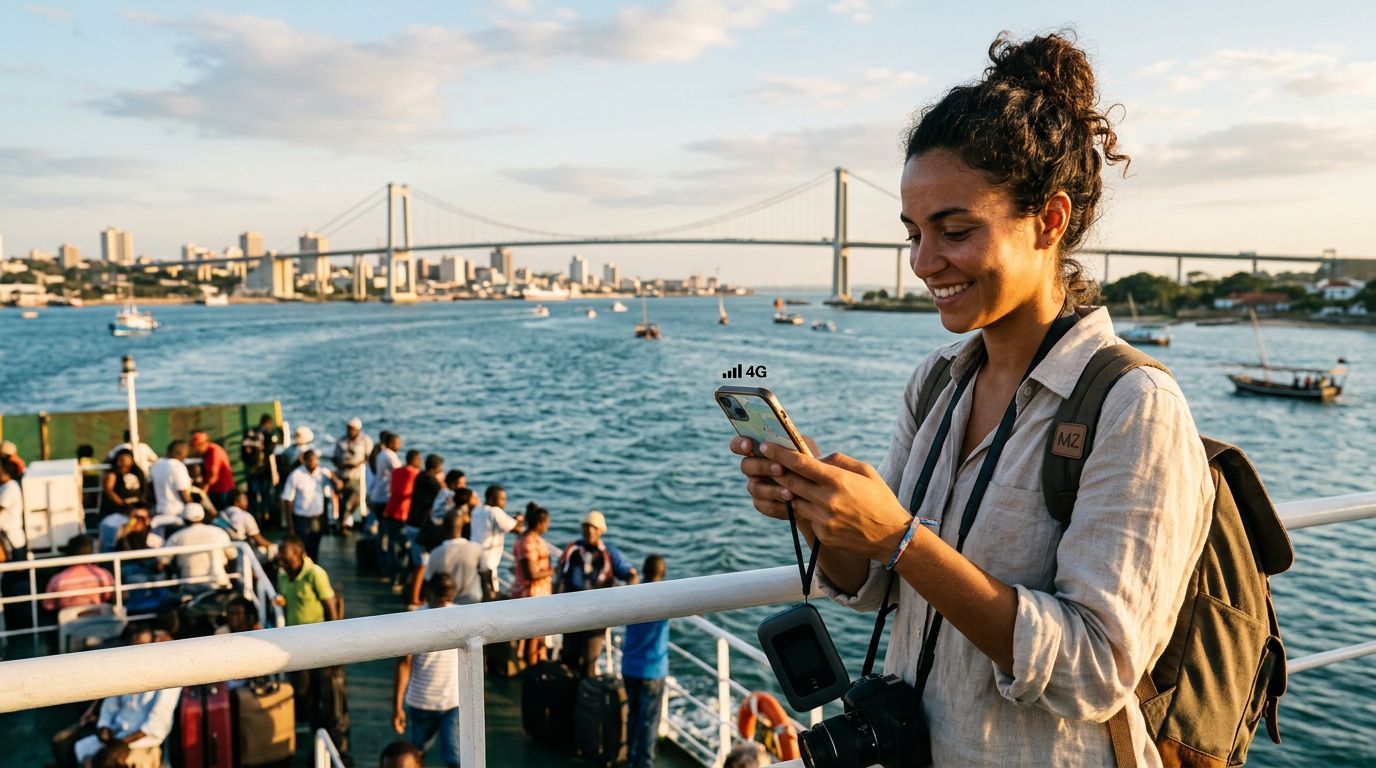
In contrast, an eSIM provides a seamless experience. Because the technology is integrated into your phone, you do not have to worry about carrying extra gadgets or keeping another battery charged. Once you activate your OneTapSIM plan, your phone connects to the local network as if you were a local resident. This is particularly advantageous for travelers moving between different provinces in Mozambique, as you have one less item to keep track of while navigating airports or bus stations.
Security is another factor worth considering. Public WiFi networks in cafes or hotels can be vulnerable to data breaches. While a pocket WiFi creates a private network, an eSIM allows you to use your phone's own secure cellular data connection, which is generally safer than relying on public hotspots. By maintaining your own dedicated connection, you reduce the risk of unauthorized access to your personal information while you are on the move.
Performance and Flexibility for Mozambique Travelers
When considering pocket WiFi vs eSIM for Mozambique, performance is often a major concern. Pocket WiFi devices are often advertised as having "unlimited" data, but they frequently come with fair-usage policies that throttle speeds after a certain amount of consumption. Additionally, the signal strength of a pocket WiFi device is only as good as the network the included SIM card uses. If that specific carrier has poor coverage in a remote area, you are stuck with a useless device.
eSIM technology often allows for more flexibility. Many modern phones support multiple eSIM profiles, meaning you can switch between different network providers if one is not performing well in a specific region. Furthermore, because you are using your own device, you benefit from the internal antenna quality of your smartphone, which is often superior to the compact antennas found in budget pocket WiFi routers.
OneTapSIM offers a streamlined approach to this, providing clear data packages that are easy to manage directly from your device. You can monitor your usage in real-time, avoiding the surprise of running out of data in the middle of a remote excursion. Because you do not need to deal with physical hardware, you can activate your service the moment you land, ensuring you have access to ride-sharing apps or maps as soon as you exit the terminal.
For those traveling in groups, the pocket WiFi argument is that it allows multiple people to share one connection. However, most modern smartphones support personal hotspots. If one person in your group has a robust data plan via an eSIM, they can share that connection with travel companions just as easily as a pocket WiFi device, but without the extra hardware. This makes the eSIM a more versatile choice for both solo travelers and those moving in small groups.
Ultimately, the choice depends on your priorities. If you are a minimalist traveler who values convenience, speed, and security, an eSIM is the modern standard for international connectivity. It removes the stress of managing hardware and allows you to focus on the beauty of Mozambique. By choosing a digital solution, you ensure that your focus remains on the vibrant culture and stunning landscapes rather than the logistics of keeping a router powered and connected. Whether you are wandering through the markets of Maputo or diving in the Bazaruto Archipelago, having a reliable digital connection will undoubtedly enhance your travel experience.
Get an eSIM for
Plans for the destinations covered in this guide, with instant QR delivery.