Understanding the Basics: Physical SIMs vs. eSIMs
When planning a trip to Singapore, connectivity is a top priority. Whether you need to navigate the efficient MRT system, book rides, or share photos of your visit to Gardens by the Bay, having reliable data is essential. The two primary ways to stay connected are the traditional physical SIM card and the modern eSIM.
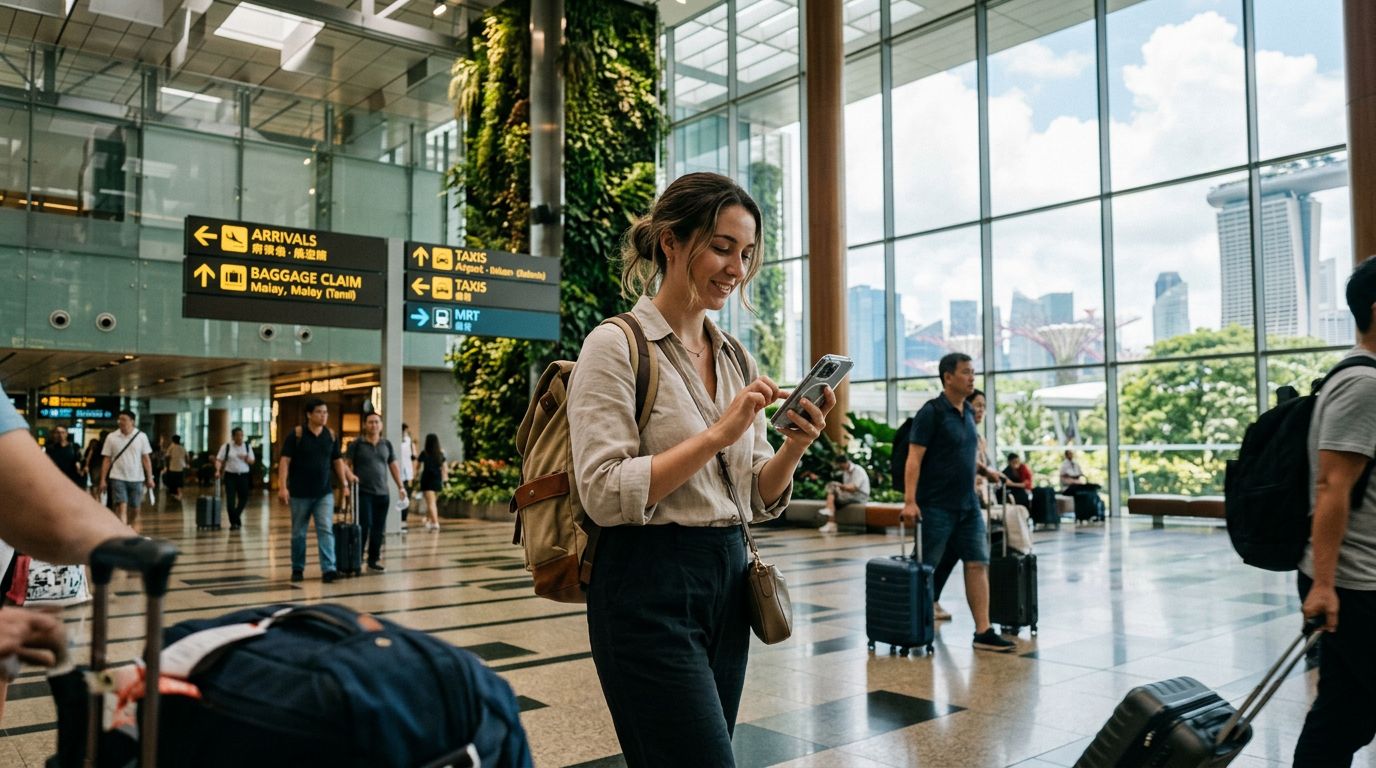
A physical SIM card is a small, removable chip that you insert into your smartphone. For years, this has been the standard method for travelers. Upon arrival at Changi Airport, many tourists head straight to a kiosk to purchase a local SIM card. This involves removing your home SIM card, storing it safely so it does not get lost, and inserting the new one. While effective, this process can be inconvenient, especially after a long flight when you just want to reach your hotel.
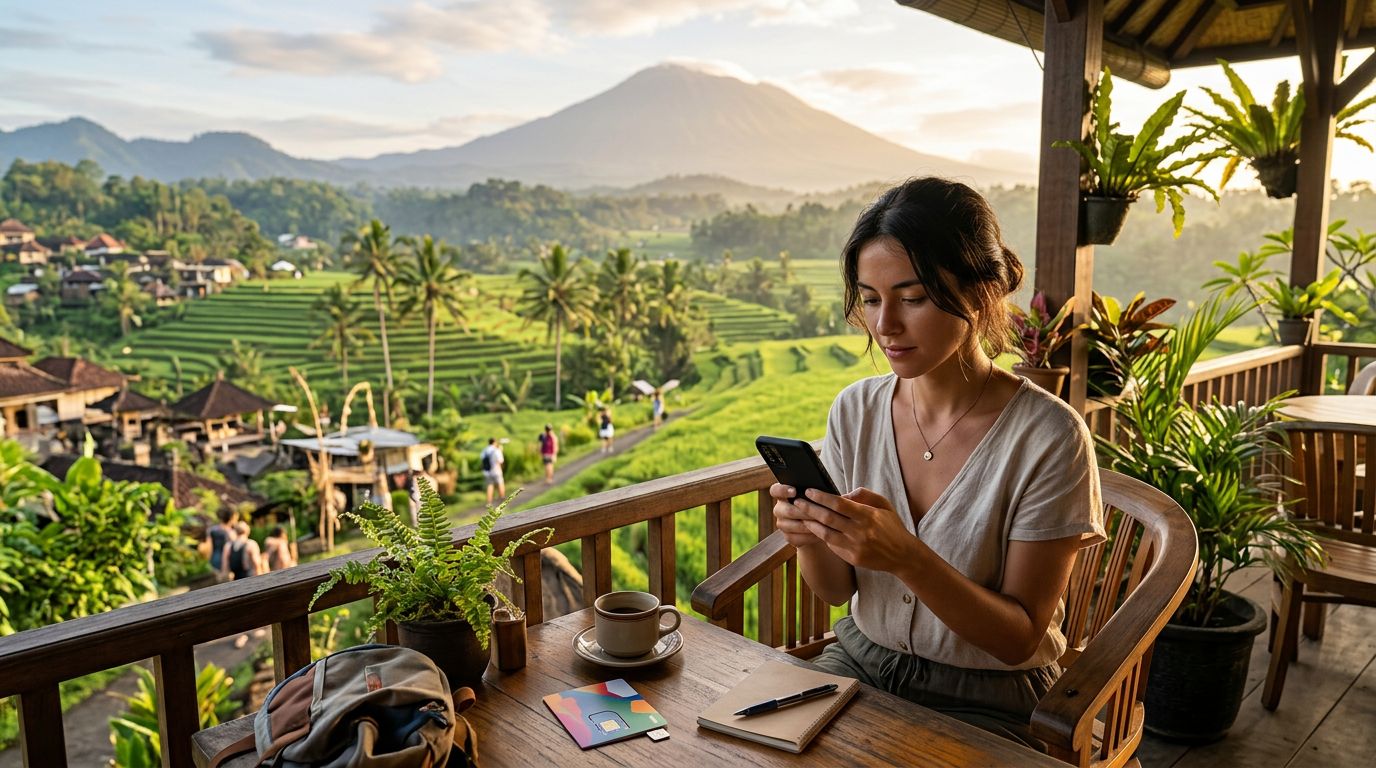
An eSIM, or embedded SIM, is a digital version of that physical chip. It is built directly into the hardware of compatible smartphones. Instead of swapping out a piece of plastic, you activate an eSIM by scanning a QR code or entering details provided by a service provider. This technology allows you to keep your home SIM card active in your phone while simultaneously using a local data plan. For travelers comparing a Singapore SIM card vs eSIM, the primary difference lies in the convenience of activation and the ability to manage multiple profiles without physical hardware changes.
The Advantages of Choosing an eSIM for Singapore
The shift toward eSIM technology has simplified travel connectivity significantly. One of the most prominent benefits is the ability to set up your connection before you even leave home. With a service like OneTapSIM, you can purchase and install your data plan days or even weeks before your flight. Once you land in Singapore, your phone automatically connects to the local network as soon as you turn off airplane mode. This eliminates the need to stand in queues at airport kiosks or search for a shop that sells prepaid cards.
Another significant advantage is the preservation of your primary phone number. When you remove your home SIM card, you lose access to calls and text messages sent to your regular number, which can be problematic if you need to receive two-factor authentication codes for banking or other secure services. With an eSIM, your primary SIM remains in the device. You can designate your eSIM as the primary source for cellular data while keeping your home SIM active for incoming calls or SMS.
Furthermore, eSIMs are inherently more secure and durable. Because there is no physical card to handle, there is no risk of damaging the tiny gold contacts or losing the card during the swapping process. For those who travel frequently or visit multiple countries, managing several eSIM profiles is much cleaner than carrying a collection of small plastic cards. If you decide to switch providers or add more data during your stay, you can do so digitally without needing to visit a physical store.
Factors to Consider Before Your Trip
Before deciding between a traditional Singapore SIM card vs eSIM, there are a few technical requirements you must verify. First and foremost, your smartphone must be carrier-unlocked. If your device is locked to a specific mobile provider, it will not accept a SIM from another carrier, regardless of whether it is physical or digital. You should check your device settings or contact your home provider to ensure your phone is unlocked for international use.
Second, you must confirm that your device supports eSIM technology. Most modern flagship smartphones released in the last few years are compatible, but it is always wise to check your device specifications. You can find information regarding eSIM compatibility on the official support pages for Apple or Google, depending on your phone manufacturer. If your device is older or a budget model, it may not have the necessary hardware to support an eSIM, in which case a physical SIM card remains your only option.
Finally, consider your data usage habits. Singapore offers excellent network coverage across the entire island, so both physical SIMs and eSIMs will provide high-speed connectivity. However, the ease of managing your data usage is often superior with an eSIM. Many digital providers offer clear interfaces where you can track how much data you have consumed in real-time. If you find yourself running low, you can often top up your plan through an app or website without needing to find a physical retail location.
When you weigh the convenience of instant activation against the traditional method of buying a physical card, the eSIM often emerges as the more efficient choice for modern travelers. By preparing your connection ahead of time, you allow yourself to focus on the experience of exploring Singapore rather than the logistics of staying connected. Whether you are visiting for a short layover or an extended vacation, having your data ready to go the moment you touch down provides a level of peace of mind that is hard to match with physical alternatives.
Get an eSIM for
Plans for the destinations covered in this guide, with instant QR delivery.