Understanding Your Connectivity Options in Serbia
Planning a trip to Serbia involves more than just booking flights and finding the perfect accommodation. Staying connected is essential for using navigation apps, translating local signs, and sharing your travel experiences. When you arrive in Belgrade, Novi Sad, or the scenic countryside, you are faced with a fundamental choice: should you purchase a physical SIM card upon arrival, or should you opt for the convenience of an eSIM?
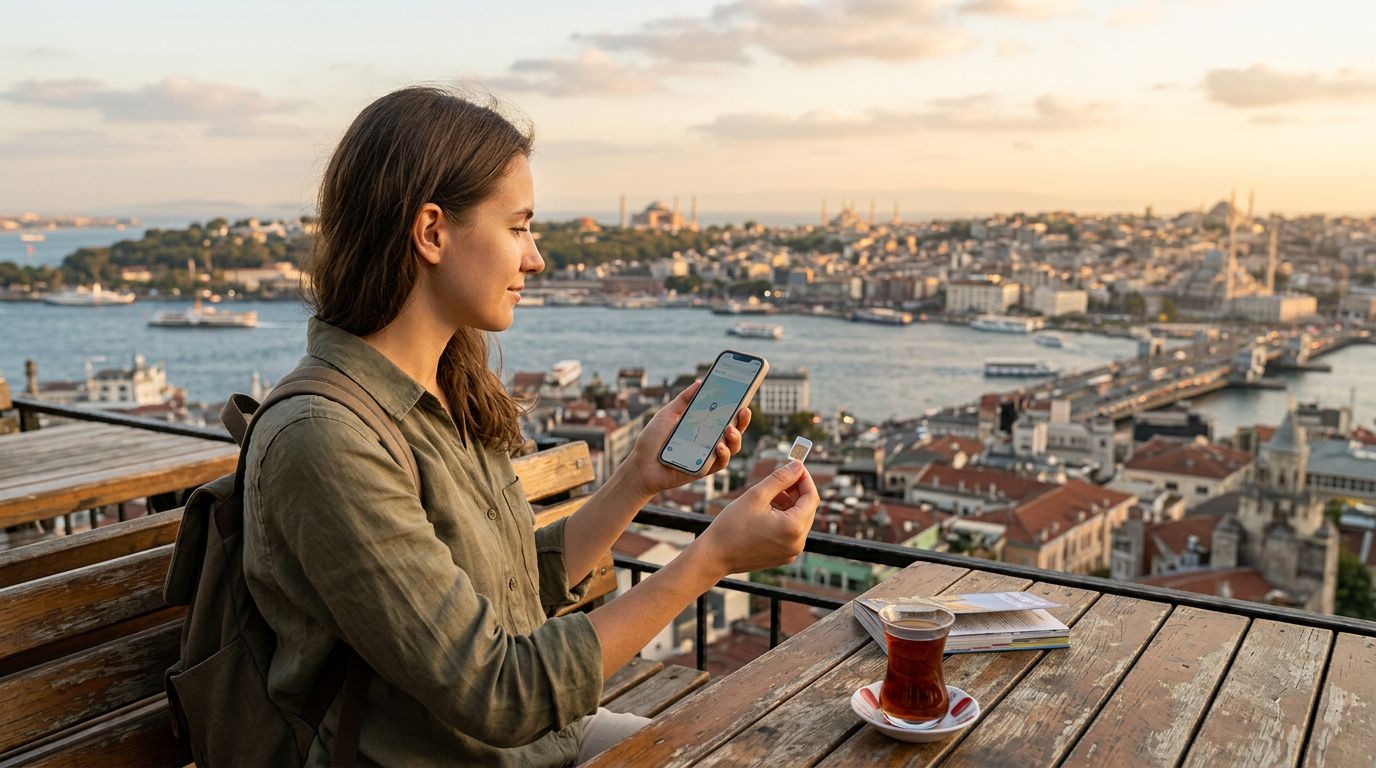
A traditional physical SIM card has been the standard for decades. You visit a local kiosk, a mobile carrier shop, or a convenience store, provide your identification, and insert a small piece of plastic into your phone. While this method is time-tested, it comes with logistical hurdles. You must find a shop that is open during your arrival time, navigate potential language barriers, and physically swap out your home SIM card, which carries the risk of losing your original chip.
On the other hand, an eSIM—or embedded SIM—is a digital alternative. It is a virtual version of a SIM card that is already built into the hardware of modern smartphones. Instead of visiting a physical store, you download a profile directly to your device. This technology has transformed how travelers manage connectivity, allowing them to activate a local data plan before their plane even touches the tarmac. Comparing a Serbia SIM card vs eSIM requires looking at your specific travel style, your device compatibility, and how much you value your time while on vacation.
The Pros and Cons of Physical SIM Cards
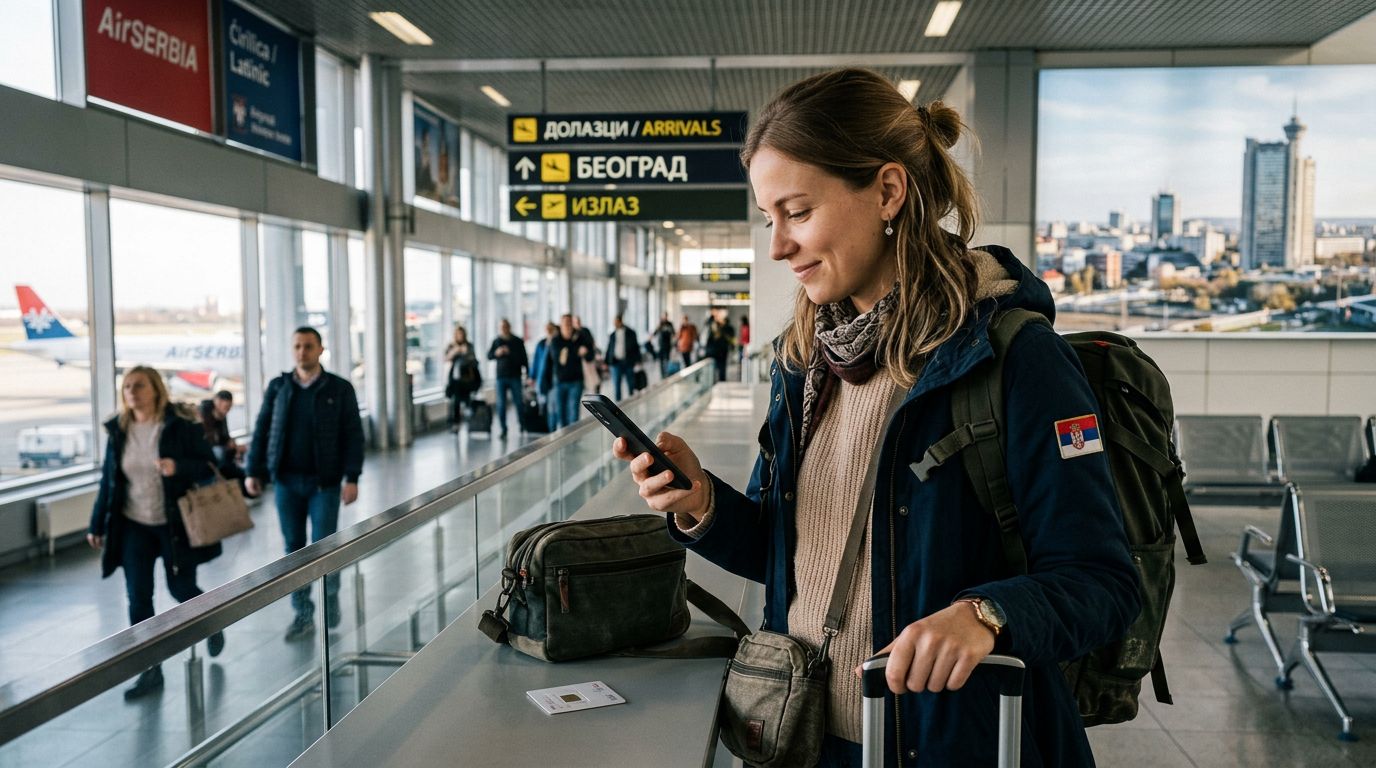
For many travelers, the physical SIM card feels familiar. When you land at Belgrade Nikola Tesla Airport, you will likely see advertisements for local mobile operators. The primary advantage of a physical SIM is its ubiquity. If you have an older device that does not support eSIM technology, a physical card is your only option for local data. Furthermore, some travelers prefer the tangible nature of a physical card, feeling that it provides a clearer sense of "switching" to a local network.
However, the downsides are significant. The process of acquiring a physical SIM card in Serbia often requires presenting your passport for registration. This can lead to long queues at airport kiosks, especially during peak tourist seasons. You also have to deal with the physical act of removing your home SIM card. If you are not careful, these tiny chips are easily misplaced or damaged. Once you swap the card, you lose the ability to receive calls or SMS messages on your primary phone number unless your phone supports dual-SIM functionality with two physical slots, which is rare in many regions.
Additionally, physical SIM cards often come with excess packaging and plastic waste. You are also limited by the operating hours of the local shops. If your flight arrives late at night or during a public holiday, you might find yourself without any connectivity until the following morning. This lack of immediate access can be stressful when you are trying to find your hotel or contact a ride-sharing service in an unfamiliar city.
Why eSIMs are Becoming the Preferred Choice
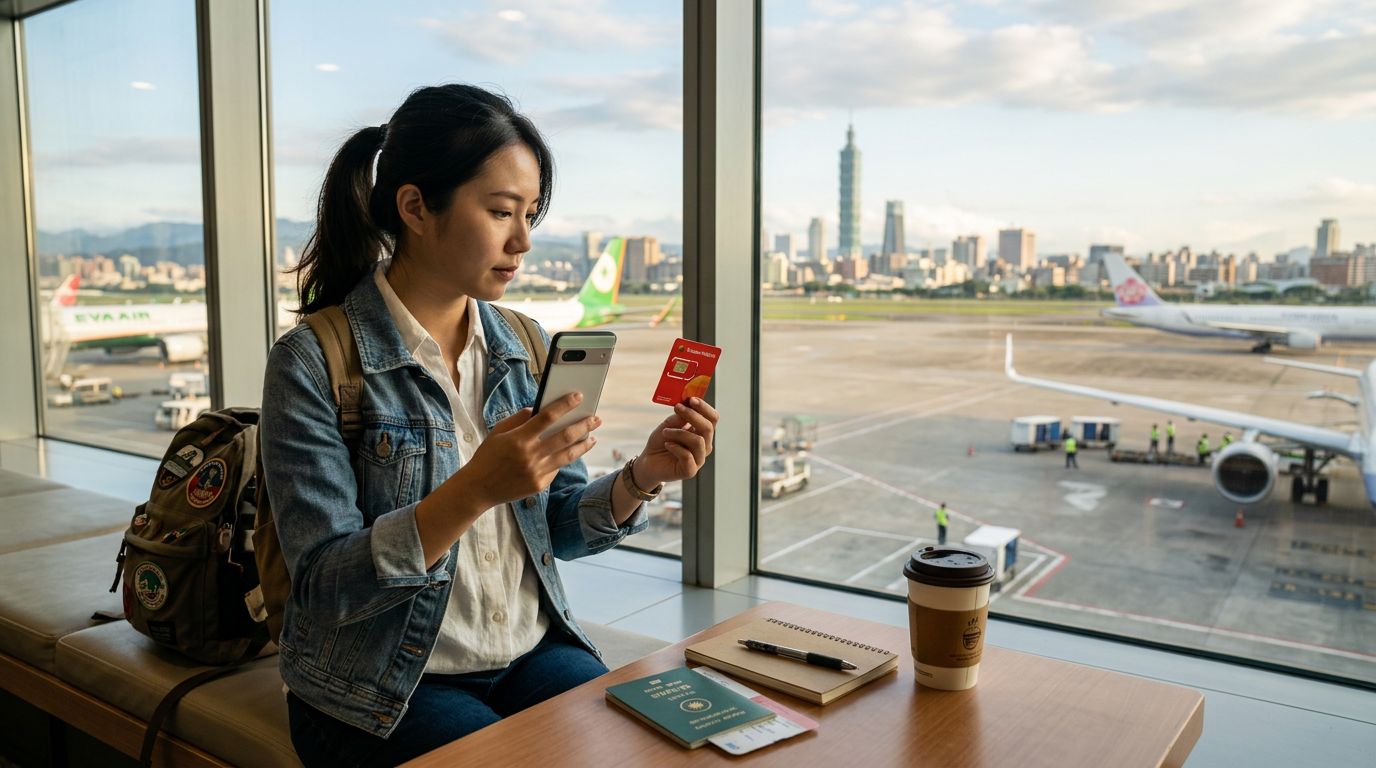
The shift toward eSIM technology is driven by the need for efficiency and seamless transitions. With an eSIM, you bypass the need to visit a physical store or wait in line. You can purchase your plan online, receive a QR code, and activate your connection in minutes. This is where services like OneTapSIM provide a distinct advantage. By allowing you to set up your data plan before you leave home, you ensure that as soon as your plane lands, your phone automatically connects to a local network.
One of the most compelling reasons to choose an eSIM is the ability to keep your home SIM card active. Because the eSIM functions as a secondary profile, you can continue to receive important two-factor authentication codes or urgent messages on your primary number while using the eSIM for data. This dual-layer approach provides peace of mind, especially for business travelers or those who need to remain reachable on their home number while exploring the Balkans.
Device compatibility is the main factor to consider. Most smartphones released in the last few years support eSIM technology. You can verify if your device is compatible by checking your phone’s settings menu or visiting the official support pages for your manufacturer. If your phone is unlocked and eSIM-ready, the setup process is straightforward. You simply scan a code or enter the details provided by your service provider, and your phone handles the rest.
Making the Final Decision for Your Serbia Trip
When deciding between a Serbia SIM card vs eSIM, consider the duration of your stay and your technical comfort level. If you are a light user who prefers a traditional approach and does not mind the minor inconvenience of visiting a store, a physical SIM card will get the job done. However, if you value your time and want to avoid the hassle of searching for a shop after a long flight, an eSIM is the superior choice.
The flexibility of an eSIM allows you to manage your data usage more effectively. You can monitor your consumption through your phone’s settings and, if necessary, top up your data without needing to find a physical retailer. This digital-first approach aligns with the needs of the modern traveler who wants to spend less time managing logistics and more time enjoying the historic streets of Belgrade or the natural beauty of the Tara National Park.
Ultimately, the choice comes down to convenience and reliability. By opting for an eSIM, you eliminate the risk of losing your home SIM card and ensure that you have a stable data connection from the moment you arrive. Whether you are navigating the city center or heading out to explore the Serbian countryside, having a reliable digital connection ensures that you can look up information, use maps, and stay in touch with loved ones without interruption. As you prepare for your journey, take a moment to check your device settings and consider how a digital solution could simplify your travel experience.