Understanding Your Connectivity Options in Saudi Arabia
Planning a trip to Saudi Arabia requires careful preparation, and staying connected is a top priority for most travelers. Whether you are visiting for business, tourism, or a pilgrimage, you need a reliable way to access maps, translation tools, and communication apps. When comparing a Saudi Arabia SIM card vs eSIM, the choice often comes down to convenience, device compatibility, and how much time you want to spend setting things up upon arrival.
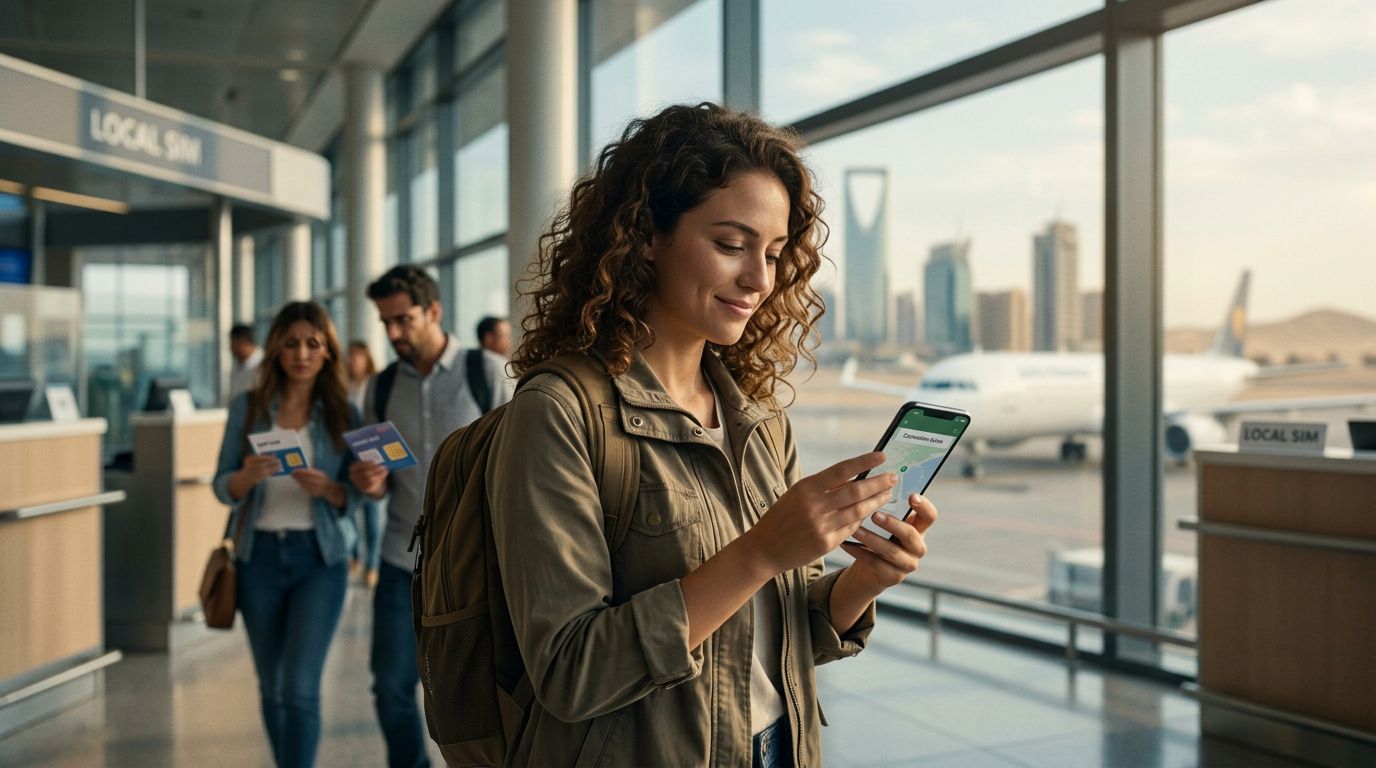
A traditional physical SIM card has been the standard for decades. You purchase a small plastic chip, insert it into your phone, and configure the APN settings to get online. While this method is familiar, it often involves visiting a physical kiosk at the airport, waiting in line, and dealing with language barriers or registration requirements.
On the other hand, an eSIM—or embedded SIM—is a digital version of that same technology. It is built directly into the hardware of modern smartphones. Instead of swapping out a physical card, you simply scan a QR code or download a profile to activate your cellular service. This shift toward digital connectivity has made travel significantly smoother, allowing you to manage your data needs before you even board your flight.
Comparing Physical SIM Cards and eSIMs
The primary difference between these two options lies in the installation process and hardware requirements. A physical SIM card requires you to physically open your phone’s SIM tray, which can be cumbersome if you are fumbling with a tiny tool while standing in a busy airport terminal. Furthermore, you must keep track of your original home SIM card to ensure you do not lose it while it is removed from your device.
An eSIM eliminates these logistical headaches. Because the technology is integrated into your phone, you do not need to handle any small parts. You can keep your home SIM card inside your device, allowing you to stay reachable on your primary number for important calls or messages while using your eSIM for data. This dual-SIM capability is a major advantage for travelers who need to balance local data usage with their home network requirements.
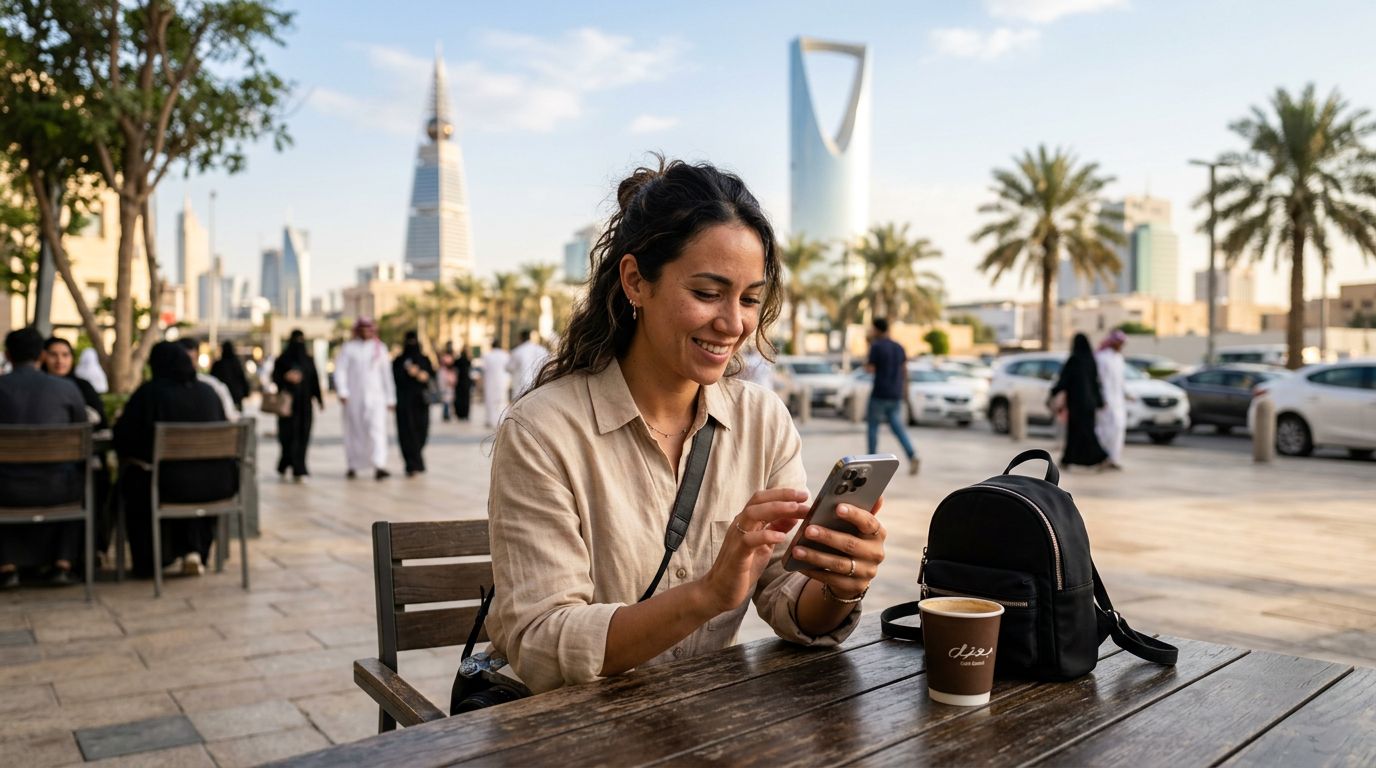
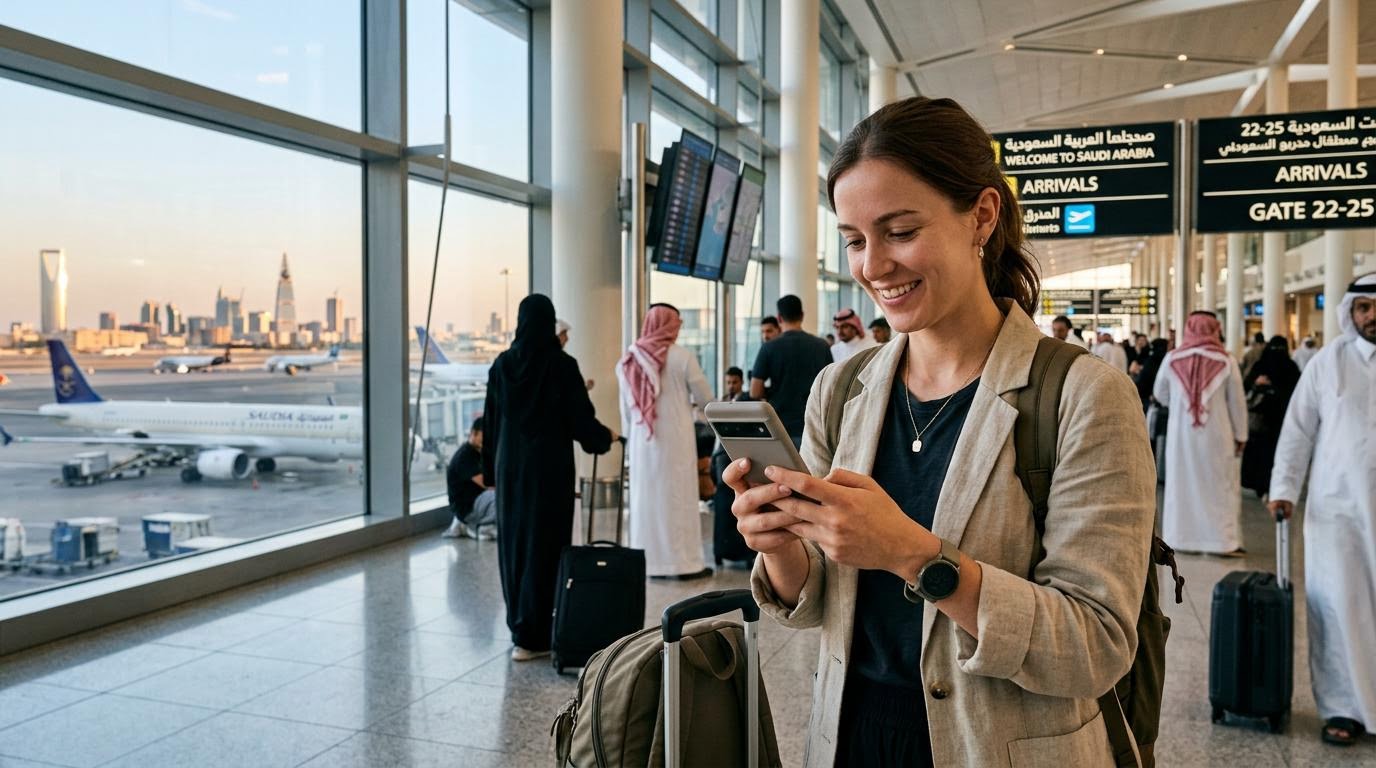
When you choose a service like OneTapSIM, the process is streamlined to ensure you are ready to go the moment you land. You select your plan, receive your digital credentials, and activate the service through your phone’s settings. This eliminates the need to hunt for a mobile provider shop in a foreign city, giving you immediate access to navigation and ride-sharing apps as soon as you step off the plane.
Compatibility is the only major hurdle for eSIM users. While most flagship smartphones released in the last few years support eSIM technology, older or budget-friendly models may not. Before deciding between a physical Saudi Arabia SIM card vs eSIM, verify that your specific device is unlocked and eSIM-compatible. You can usually find this information in your phone’s cellular settings or through the manufacturer's official support pages.
Why Digital Connectivity is Ideal for Saudi Arabia
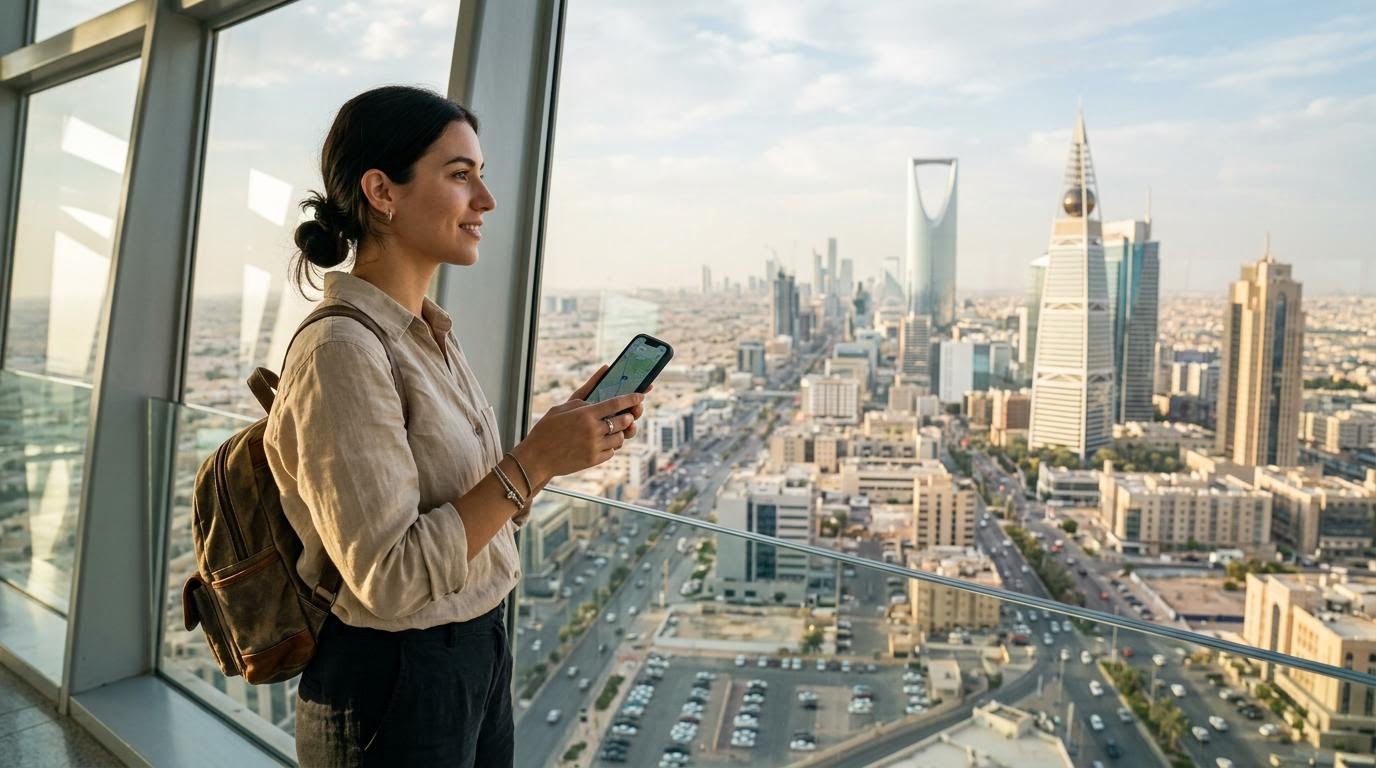
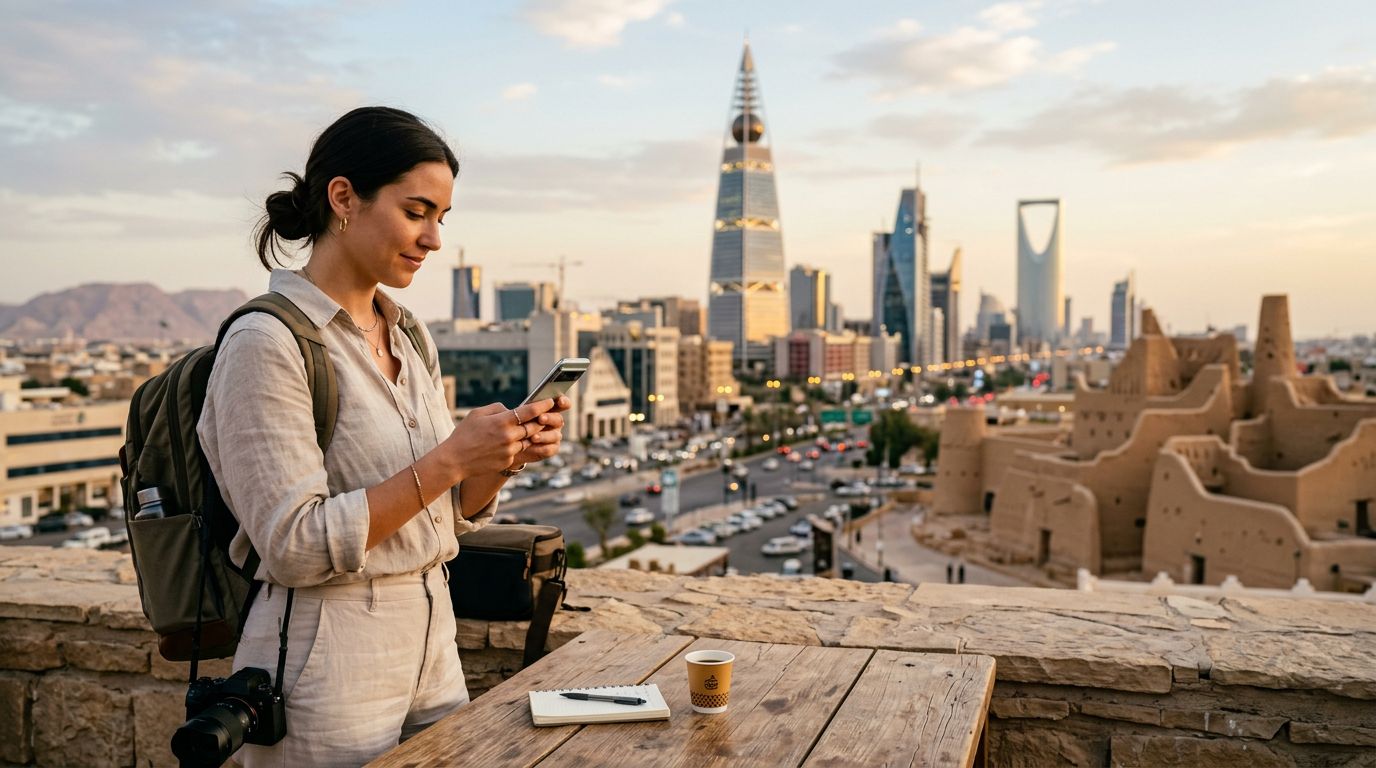
Saudi Arabia is a country that has embraced rapid technological growth, making it an excellent environment for using an eSIM. From the high-tech urban centers of Riyadh to the historical sites of AlUla, having a stable data connection is essential for a seamless experience.
One of the most significant benefits of using an eSIM for your trip is the ability to manage your data usage remotely. If you find yourself running low on data while exploring, you can easily top up your plan through your provider’s portal without needing to find a local store. This flexibility is particularly useful for travelers who may have fluctuating data needs depending on their itinerary.
Security is another factor to consider. When you purchase a physical SIM card from an unofficial kiosk, you may be required to provide sensitive personal information or passport details to a third-party vendor. By using a reputable digital provider, you can often manage your connectivity through a secure platform, reducing the risk of your data being handled by multiple intermediaries.
Furthermore, the environmental impact of eSIMs is worth noting. By removing the need for plastic cards, packaging, and shipping, digital SIMs offer a more sustainable way to stay connected. As you move between cities or visit remote areas, having a reliable network profile already installed on your device ensures that you are never left without a map or a way to call for assistance.
If you are concerned about the technical setup, remember that modern smartphones are designed to make this transition simple. Most devices allow you to label your SIMs, meaning you can easily distinguish between your "Home" line and your "Travel" line. This organization helps prevent accidental data roaming charges on your primary carrier, which can be a common and expensive mistake for international travelers.
Ultimately, the decision between a physical Saudi Arabia SIM card vs eSIM depends on your comfort with technology and your specific device capabilities. If you have a modern smartphone and value the ability to land in a new country with an active internet connection, the eSIM is the superior choice. It saves time, reduces the physical clutter of your travel gear, and provides a level of flexibility that traditional SIM cards simply cannot match. By preparing your connectivity in advance, you can focus on enjoying the rich culture and stunning landscapes of Saudi Arabia rather than worrying about finding a store to buy a plastic chip.
Get an eSIM for
Plans for the destinations covered in this guide, with instant QR delivery.