Understanding Your Connectivity Options Upon Arrival
When you touch down at King Khalid International Airport in Riyadh, King Abdulaziz International Airport in Jeddah, or any other gateway in the Kingdom of Saudi Arabia, your first instinct is likely to find a way to get online. Whether you need to call a ride-share service, check your hotel reservation, or share your arrival with family, having a reliable internet connection is essential.
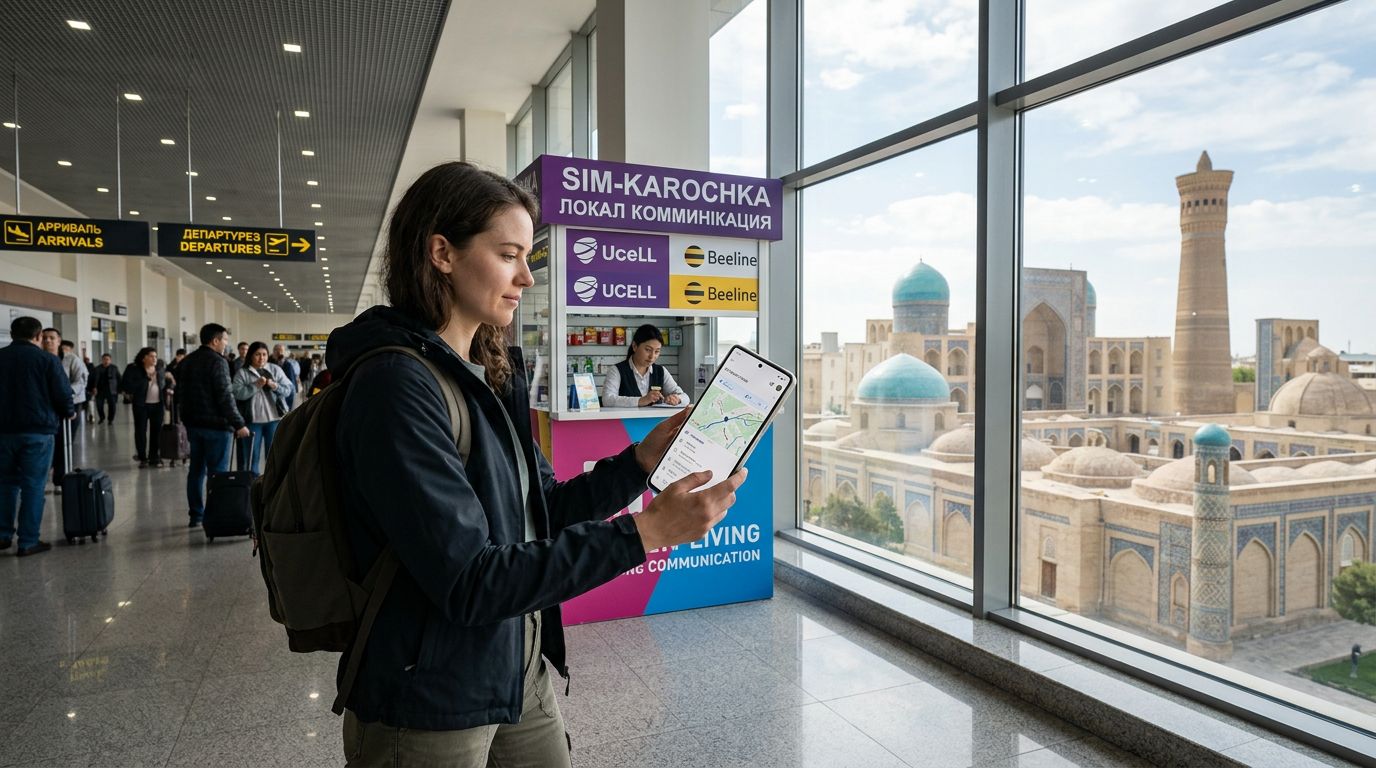
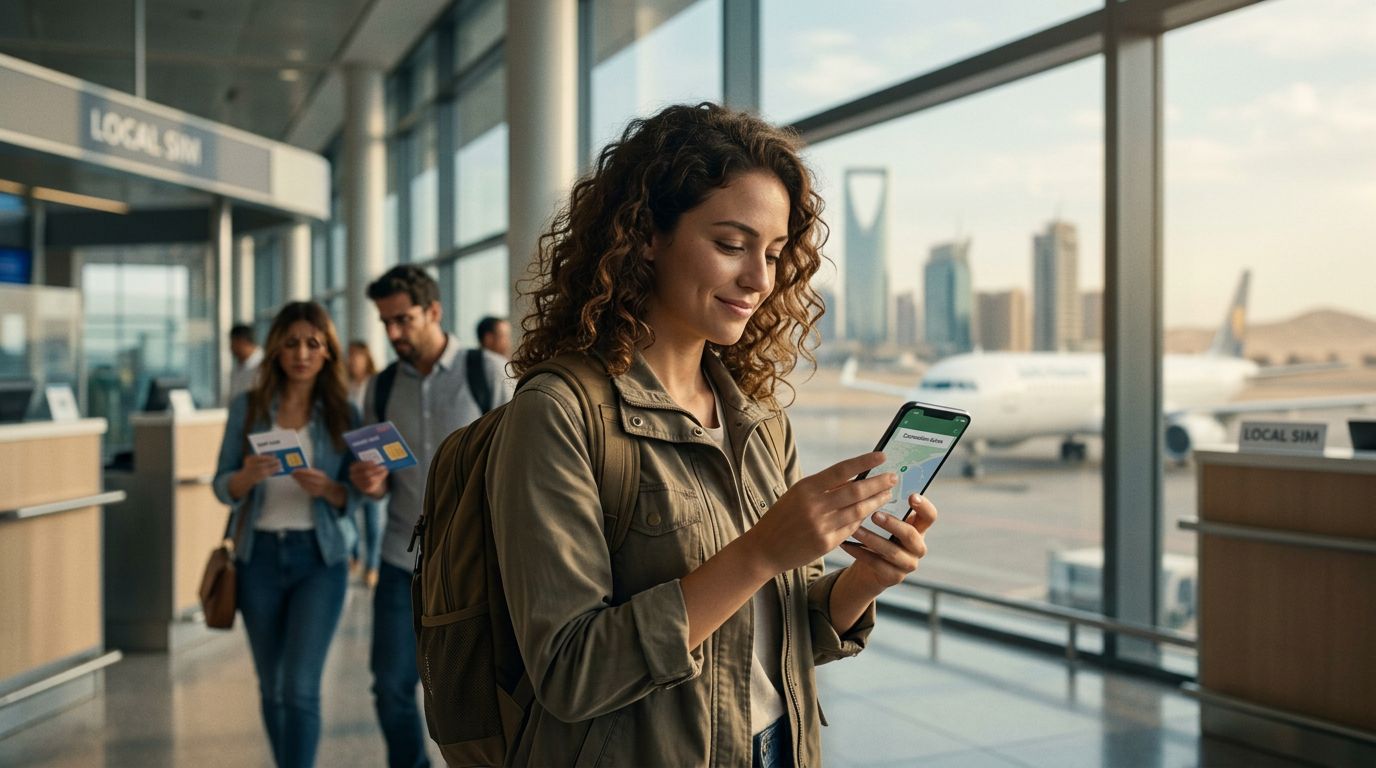
Travelers generally face two primary choices: purchasing a physical SIM card at an airport kiosk or activating an eSIM before they even leave home. While airport kiosks are highly visible and offer a sense of immediate physical security, they often come with significant drawbacks. You are frequently met with long queues, especially during peak flight arrival times. Once you reach the counter, you may have to provide physical documentation, wait for the staff to manually register your details, and physically swap out your home SIM card—a tiny piece of hardware that is incredibly easy to lose in the chaos of a busy terminal.
In contrast, an eSIM—or embedded SIM—is a digital alternative that resides directly on your device’s hardware. By choosing an eSIM, you bypass the physical retail environment entirely. You can manage your connectivity from your phone’s settings menu, keeping your primary number active for essential calls or texts while using a secondary data plan for your Saudi Arabian travel needs.
The Practical Differences Between Physical SIMs and eSIMs
The debate of airport SIM vs eSIM in Saudi Arabia often centers on convenience versus tradition. When you opt for an airport SIM, you are at the mercy of the physical shop’s operating hours. If your flight lands in the middle of the night or during a busy holiday period, you might find the kiosks closed or understaffed, leaving you without connectivity until you reach your hotel. Furthermore, physical SIM cards require you to handle a small tray and a delicate chip, which can be cumbersome if you are tired from a long-haul flight.
eSIM technology removes these physical barriers. Because the activation process happens digitally, you can have your data plan ready to go the moment your plane touches the tarmac. Products like OneTapSIM allow you to manage your connection through a streamlined digital interface, ensuring that your transition from flight mode to active browsing is seamless.
Another technical advantage of the eSIM is the ability to manage multiple profiles. Most modern smartphones allow you to store several eSIM profiles simultaneously. This means you can keep your home plan active for incoming SMS verification codes—often necessary for banking or travel apps—while designating your Saudi Arabian eSIM as the primary source for cellular data. This dual-setup is a major advantage over physical SIMs, which typically require you to remove your home card, effectively cutting off your access to your domestic phone number.
Why Digital Connectivity is the Smarter Choice for Saudi Arabia
Saudi Arabia has undergone a rapid digital transformation, and its telecommunications infrastructure is world-class. The country boasts extensive 5G coverage in major cities and along primary travel routes. However, to take full advantage of this high-speed network, you need a service that is as modern as the infrastructure itself.
Using an eSIM provides a level of flexibility that physical cards simply cannot match. If you find that your travel plans change—perhaps you decide to extend your stay in Riyadh or add a trip to the historic sites of AlUla—you can easily update or add data packages through your device. There is no need to hunt for a local mobile store or navigate a foreign language interface in a crowded shop.
Security is another factor to consider. When you purchase a physical SIM at an airport, you are handing your passport and personal information to a third-party vendor in a transient environment. While these vendors are legitimate, the digital process used by reputable providers like OneTapSIM is often more secure, as it minimizes the number of physical touchpoints and keeps your data management centralized within your own device.
Furthermore, the environmental impact of physical plastic SIM cards and their accompanying packaging is non-negligible. By switching to a digital-only format, you are reducing your travel footprint. The transition to eSIM technology is supported by all major smartphone manufacturers, and you can verify your device's compatibility through official resources provided by Apple or Google.
Ultimately, the choice between an airport SIM and an eSIM comes down to how you want to spend your time. Do you want to spend your first hour in the Kingdom standing in a line at a kiosk, or would you rather step off the plane and have your maps, ride-sharing apps, and messaging services already connected? By preparing your digital connection in advance, you ensure that your focus remains on the experience of exploring Saudi Arabia, rather than the logistics of getting online. Whether you are visiting for business or leisure, the efficiency of an eSIM allows you to hit the ground running, providing a stress-free start to your journey.
Get an eSIM for
Plans for the destinations covered in this guide, with instant QR delivery.