Understanding Connectivity Options for Uzbekistan Travelers
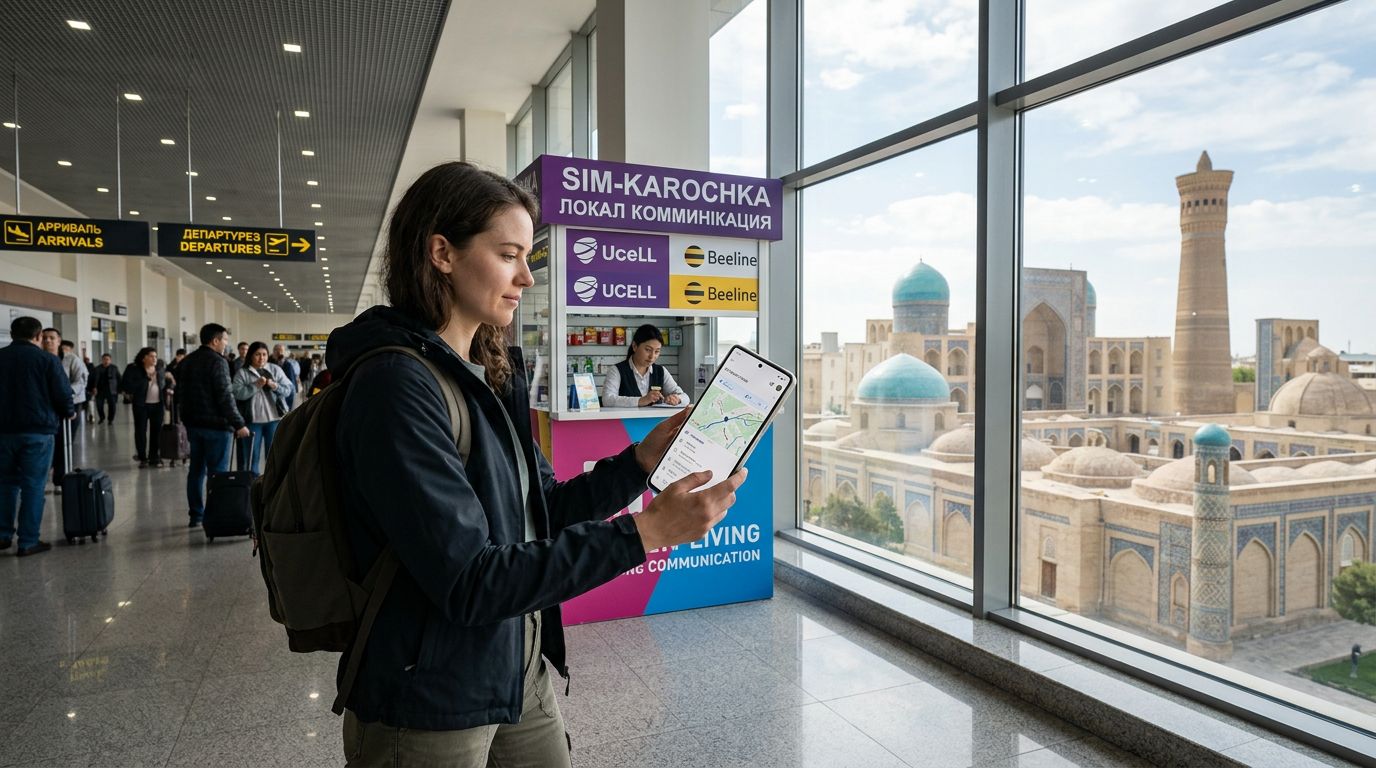
Uzbekistan is a country of immense historical beauty, from the blue-tiled domes of Samarkand to the ancient walls of Khiva. As you plan your itinerary through the Silk Road cities, staying connected is essential for using maps, translating local signs, and sharing your travel experiences. When you arrive at Tashkent International Airport, you will likely notice kiosks offering physical SIM cards. However, the rise of eSIM technology has changed how travelers manage their mobile data. Choosing between an airport SIM and an eSIM depends on your priorities regarding convenience, cost-effectiveness, and reliability.
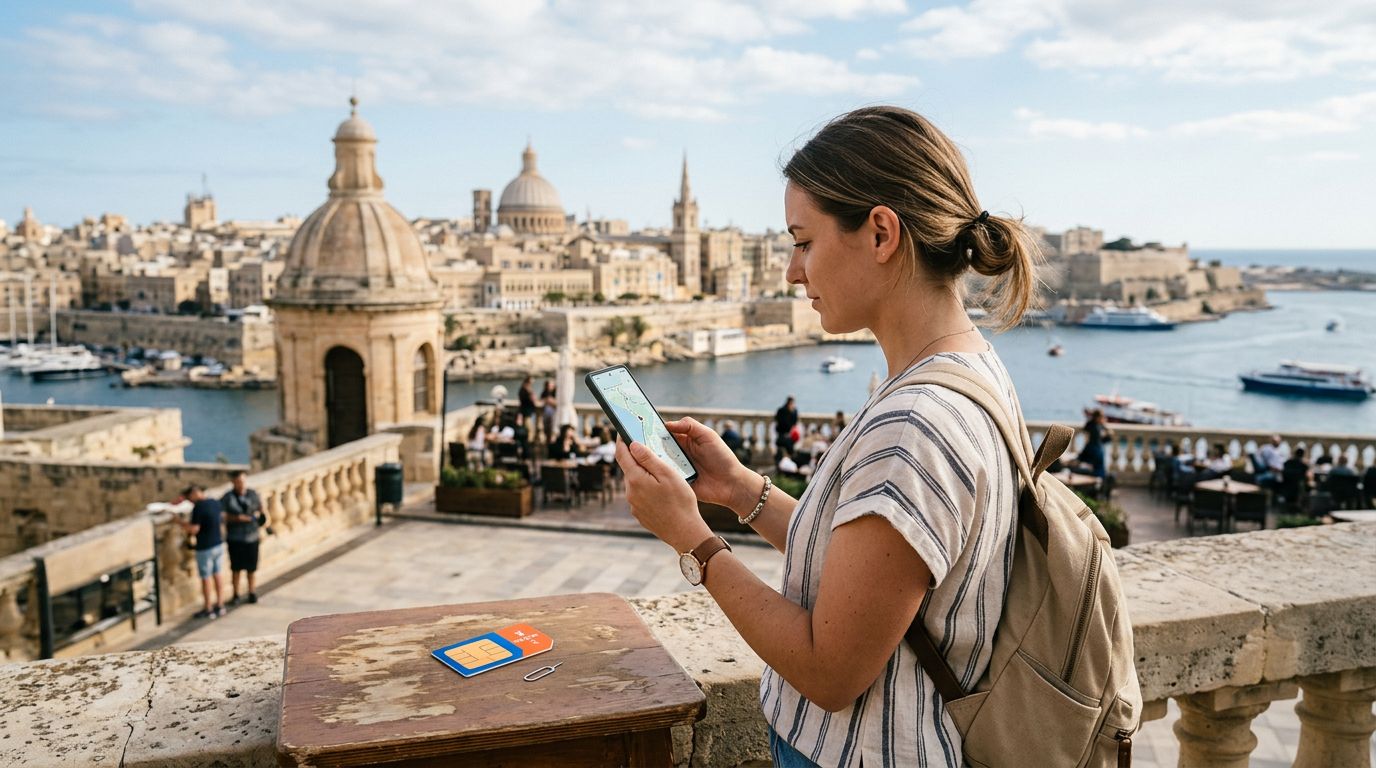
A physical SIM card purchased at the airport is the traditional method for travelers. You walk up to a counter, hand over your passport, and wait for the attendant to swap your card and configure your settings. While this is a familiar process, it comes with inherent risks. You are often at the mercy of airport queues, which can be long after a tiring flight. Furthermore, you must handle your original physical SIM card carefully to avoid losing it while traveling. If you misplace your home SIM, you lose access to your primary phone number, which can be a significant headache when you return home.
In contrast, an eSIM—or embedded SIM—is a digital alternative that allows you to activate a mobile data plan without needing a physical card. Because the technology is built into the hardware of modern smartphones, you can switch between networks seamlessly. By setting up your data plan before you even board your plane, you ensure that you have coverage the moment you land on the tarmac.
The Pros and Cons of Airport SIM Cards
The primary advantage of purchasing a physical SIM card at a local airport is the human element. If you are not tech-savvy, having a staff member handle the installation and activation can provide peace of mind. They can ensure that the APN settings are correct and that the data connection is active before you leave the terminal. For travelers who prefer a tangible product, holding a physical card can feel more secure than relying on a digital profile.
However, the downsides of the airport SIM model are significant. First, there is the time factor. After clearing customs and retrieving your luggage, the last thing you want to do is stand in a slow-moving line at a telecom kiosk. These locations are often crowded, and the staff may be overwhelmed during peak arrival times. There is also the issue of language barriers and potential misunderstandings regarding the plan details. You might end up with a data package that is either too small for your needs or unnecessarily expensive, and once you have paid and left the counter, returning to resolve issues is rarely practical.
Additionally, physical SIM cards require your phone to be carrier-unlocked. If your device is locked to your home provider, a local physical SIM will not work, leaving you without a connection until you find a workaround. While this is also true for eSIMs, the digital nature of eSIMs often makes it easier to troubleshoot or switch providers if you find yourself in a situation where your initial choice is not performing as expected.
Why eSIMs Are Changing the Travel Landscape
The shift toward eSIM technology has been driven by the need for efficiency. Services like OneTapSIM allow you to manage your connectivity entirely through your device. By installing a digital profile, you avoid the physical clutter of multiple SIM cards and the risk of damaging your phone’s SIM tray. This is particularly beneficial for travelers visiting multiple countries or those who want to keep their home SIM active for receiving important SMS verification codes while using a separate data plan for navigation and social media.
One of the most compelling reasons to choose an eSIM for your Uzbekistan trip is the ability to prepare in advance. You can purchase and install your data plan while sitting in your living room. Once you touch down in Tashkent or Bukhara, your phone automatically connects to the local network. This eliminates the "airport stress" of finding a kiosk, waiting in line, and worrying about whether the card will work properly. You can walk straight out of the airport and call a ride-sharing service or check your hotel location on a map immediately.
Compatibility is rarely an issue for modern travelers, as most smartphones manufactured in the last few years support this technology. You can verify your device compatibility through official resources provided by your phone manufacturer, such as the support pages for Apple or Google. Once you confirm that your device is eSIM-ready, the setup process usually involves scanning a QR code or entering details provided by your service provider.
Making the Final Decision for Your Uzbekistan Adventure
When weighing the airport SIM vs eSIM in Uzbekistan debate, consider your travel style. If you are a minimalist traveler who values time and autonomy, an eSIM is the clear winner. It removes the need for physical hardware changes and allows you to land in Uzbekistan with full confidence that your connection is ready to go. The ability to manage your data usage through an app or a digital dashboard means you are never surprised by your connectivity status.
On the other hand, if you are traveling with a device that does not support eSIM technology, or if you feel uncomfortable with digital setups, a physical SIM card remains a viable fallback. Just be prepared to allocate extra time upon arrival and keep your original SIM card in a safe place, such as a dedicated travel wallet or the original packaging.
Ultimately, your goal is to enjoy the stunning architecture of the Registan and the bustling markets of Tashkent without worrying about your internet connection. Whether you choose the traditional route or the modern digital path, ensure your phone is unlocked and ready to accept a new network provider before you leave home. By planning ahead, you can spend less time managing your mobile settings and more time immersing yourself in the rich culture and history of Uzbekistan. For those who want a seamless experience, opting for a digital solution like OneTapSIM provides a reliable way to stay connected throughout your journey across Central Asia.
Get an eSIM for
Plans for the destinations covered in this guide, with instant QR delivery.