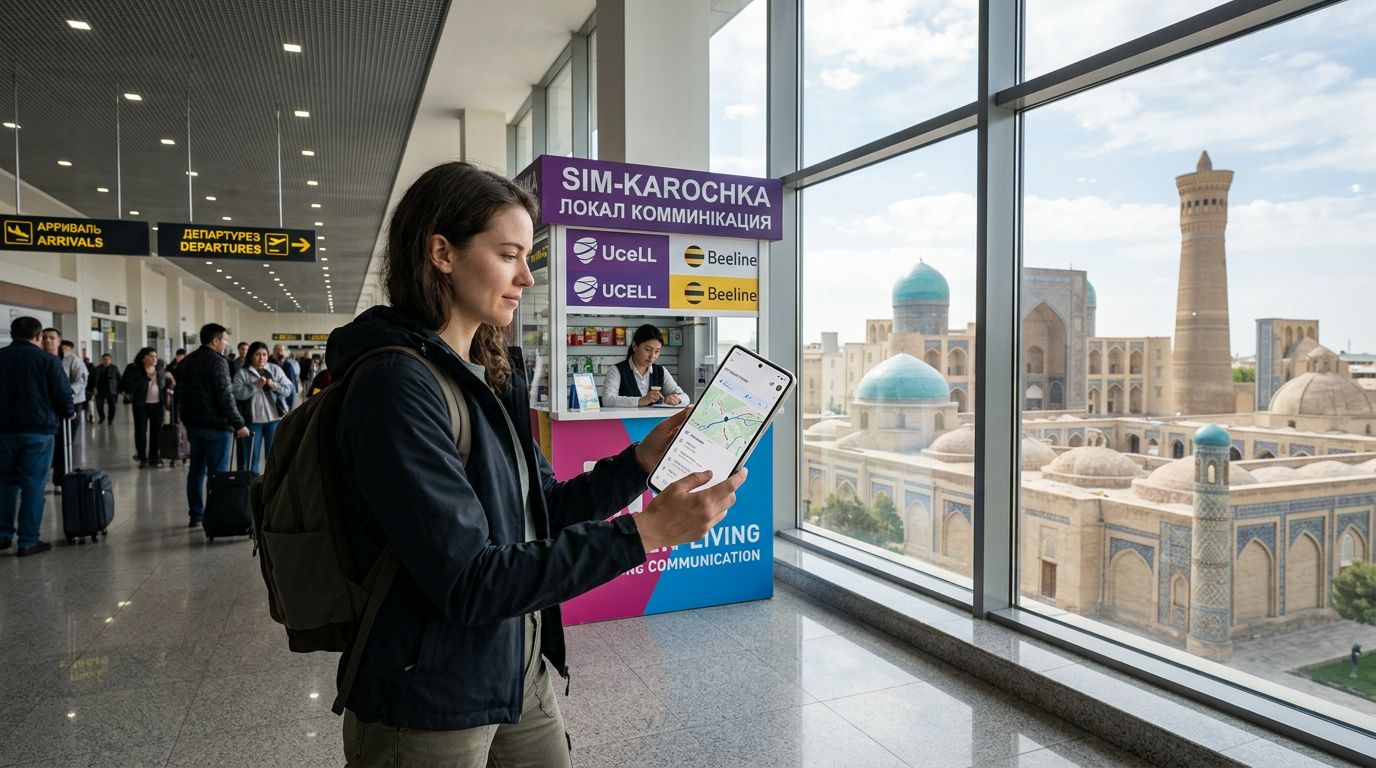
Uzbekistan is a country of breathtaking architecture, ancient Silk Road history, and warm hospitality. From the turquoise domes of Samarkand to the desert fortresses of Khiva and the bustling bazaars of Tashkent, the experience is transformative. However, traveling through a country with such a rich linguistic and cultural landscape requires preparation. To make the most of your journey, having the right digital tools is essential. A reliable data connection is the foundation of these tools, and using an eSIM from OneTapSIM ensures you stay connected the moment you land, avoiding the hassle of hunting for physical SIM cards at the airport.
Essential Navigation and Transportation Apps
Getting around Uzbekistan involves a mix of high-speed trains, domestic flights, and local taxis. The infrastructure is modernizing rapidly, and digital apps have become the standard for booking travel.
Yandex Go is arguably the most important app to have on your phone for urban travel. It functions much like other global ride-hailing services, allowing you to request a car, see the price upfront, and track your driver. It works exceptionally well in major cities like Tashkent, Bukhara, and Samarkand. Because it uses GPS and real-time data, you will need a stable internet connection to request rides reliably. Having a OneTapSIM eSIM installed means you can request a taxi as soon as you step off the train or plane, ensuring you aren't reliant on airport Wi-Fi.
For intercity travel, the Uzbekistan Railways app is vital. The Afrosiyob high-speed train is the most popular way to travel between Tashkent, Samarkand, and Bukhara, but tickets sell out weeks in advance. The app allows you to check schedules and manage your bookings digitally. Because these trains require digital tickets, being able to access your confirmation email or the app interface while on the go is critical.
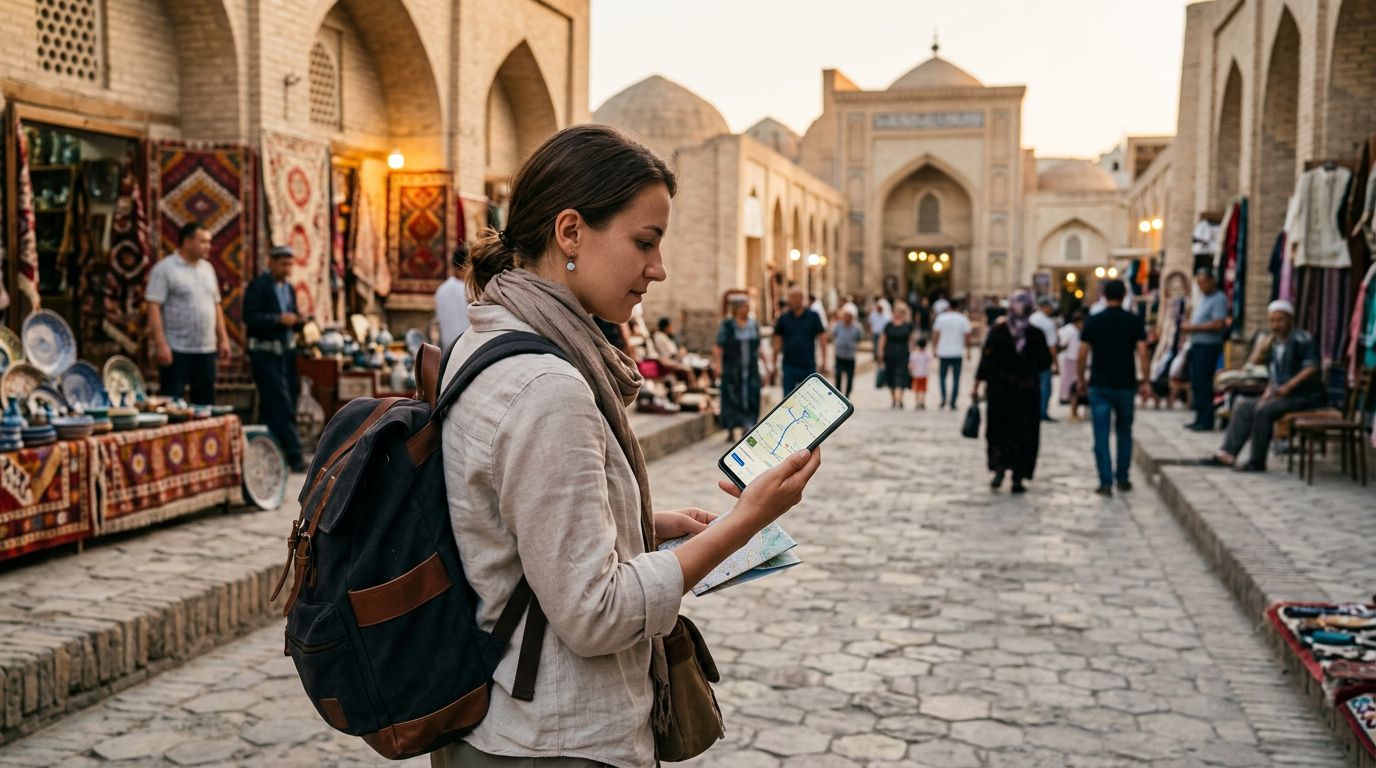
Google Maps remains a standard for general orientation. While it may not always show the most obscure backstreets in the oldest parts of Khiva or Bukhara, it is excellent for finding landmarks, restaurants, and walking routes. Downloading offline maps for the regions you plan to visit is a smart backup, but having live data allows you to check for traffic updates or find spontaneous stops along your route.
Language and Cultural Communication Tools
Uzbek is the official language, and while Russian is widely spoken, especially among the older generation and in urban centers, English is becoming more common in the tourism sector. However, in smaller towns or when interacting with local artisans and market vendors, a translation tool is indispensable.
Google Translate is the gold standard here. One of its most useful features is the camera translation tool. If you encounter a menu, a sign, or a document in Uzbek or Russian, simply point your camera at the text to see an instant overlay in your preferred language. This is particularly helpful when navigating the Cyrillic alphabet, which is used for the Uzbek language. To ensure this works seamlessly, you should download the offline language packs for Uzbek and Russian before you leave, but keep your data active so you can use the voice conversation mode. This mode allows you to speak into your phone and have it play the translation aloud, which is a wonderful way to bridge the gap during friendly interactions with locals.
Beyond translation, apps that provide cultural context can enhance your trip. While not a navigation app, having access to search engines to look up the history of the Registan or the architectural significance of the Shah-i-Zinda complex adds depth to your visit. Relying on a consistent data plan means you can look up historical facts, check opening hours for museums, or read reviews of local teahouses in real-time, rather than waiting until you return to your hotel Wi-Fi.
Staying Connected and Managing Your Digital Life
The backbone of your trip is your connectivity. Without a reliable way to access the internet, even the best navigation apps become useless. Relying on public Wi-Fi in Uzbekistan can be hit-or-miss; while many cafes and hotels offer it, the connection speeds can be inconsistent, and security is always a concern when accessing sensitive accounts.
An eSIM from OneTapSIM provides a dedicated data connection that follows you throughout the country. This is particularly useful for travelers who are moving between cities. Instead of worrying about local roaming charges or the logistics of swapping physical SIM cards in every new region, you have a digital solution that activates automatically. This constant connectivity allows you to use messaging apps like WhatsApp or Telegram—which is extremely popular in Uzbekistan—to stay in touch with your family, your tour guides, or your accommodation hosts.
When traveling, your battery life and data usage become precious resources. To maximize your experience, keep your phone's location services optimized. Use your navigation apps only when necessary, and close background apps that consume data. If you are using a map app for a long walk, consider checking your route and then putting the phone away to enjoy the scenery, rather than staring at the screen.
Additionally, ensure your cloud services are set to sync only over Wi-Fi if you are trying to conserve data, though with a generous eSIM plan, you will likely find you have plenty of bandwidth to upload your photos and share your journey as it happens. Whether you are checking the weather in the Fergana Valley or verifying the departure time of a shared taxi in the desert, having a seamless digital experience allows you to focus on the beauty of the Silk Road rather than the logistics of your connectivity. By preparing your device with these essential apps and a reliable eSIM before you arrive, you set yourself up for a smooth, stress-free exploration of one of Central Asia’s most fascinating destinations.
Get an eSIM for
Plans for the destinations covered in this guide, with instant QR delivery.