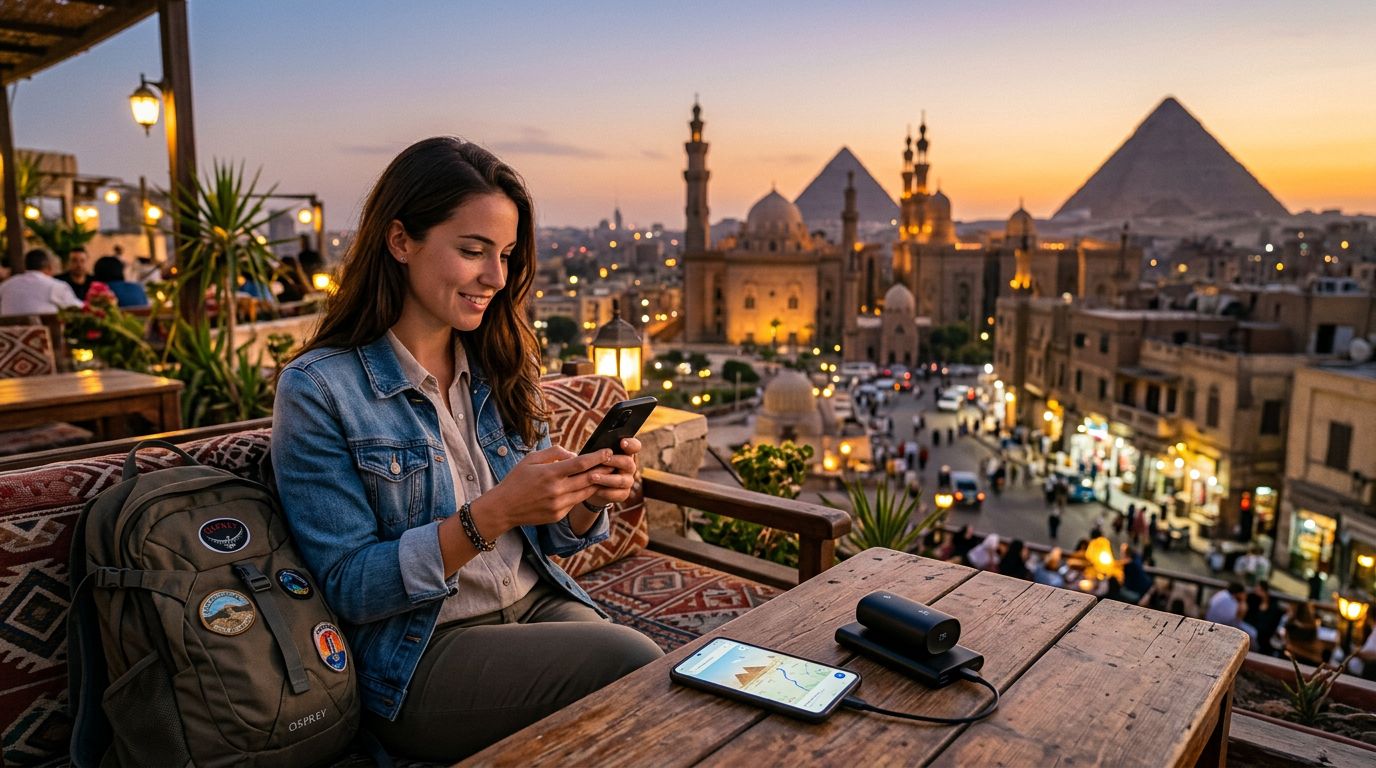
Egypt is a land of ancient wonders, from the towering pyramids of Giza to the vibrant underwater life of the Red Sea. Whether you are planning to cruise down the Nile or get lost in the bustling markets of Cairo, staying connected is essential for maps, translation apps, and sharing your journey. When preparing for your trip, the debate between pocket WiFi vs eSIM for Egypt often comes down to convenience, reliability, and how you prefer to manage your data.
Understanding the Differences in Connectivity
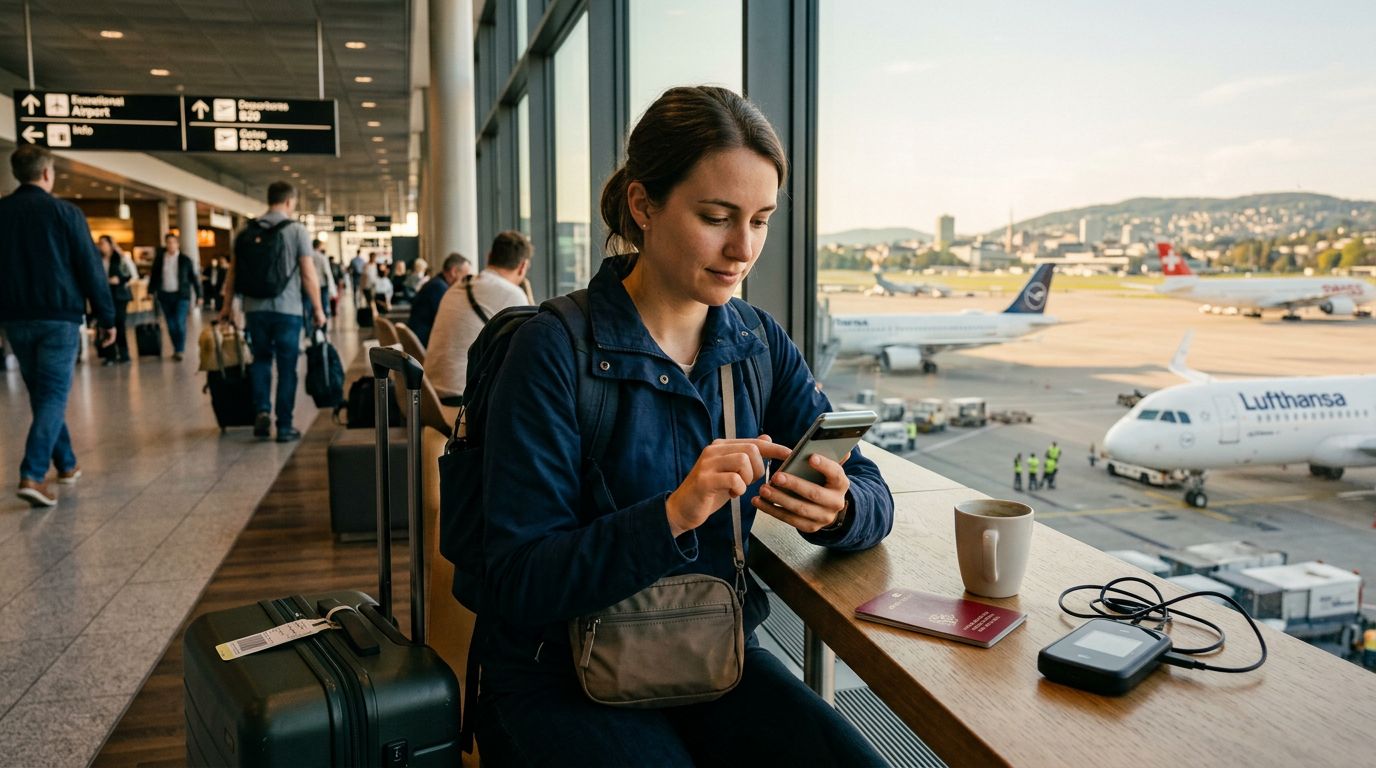
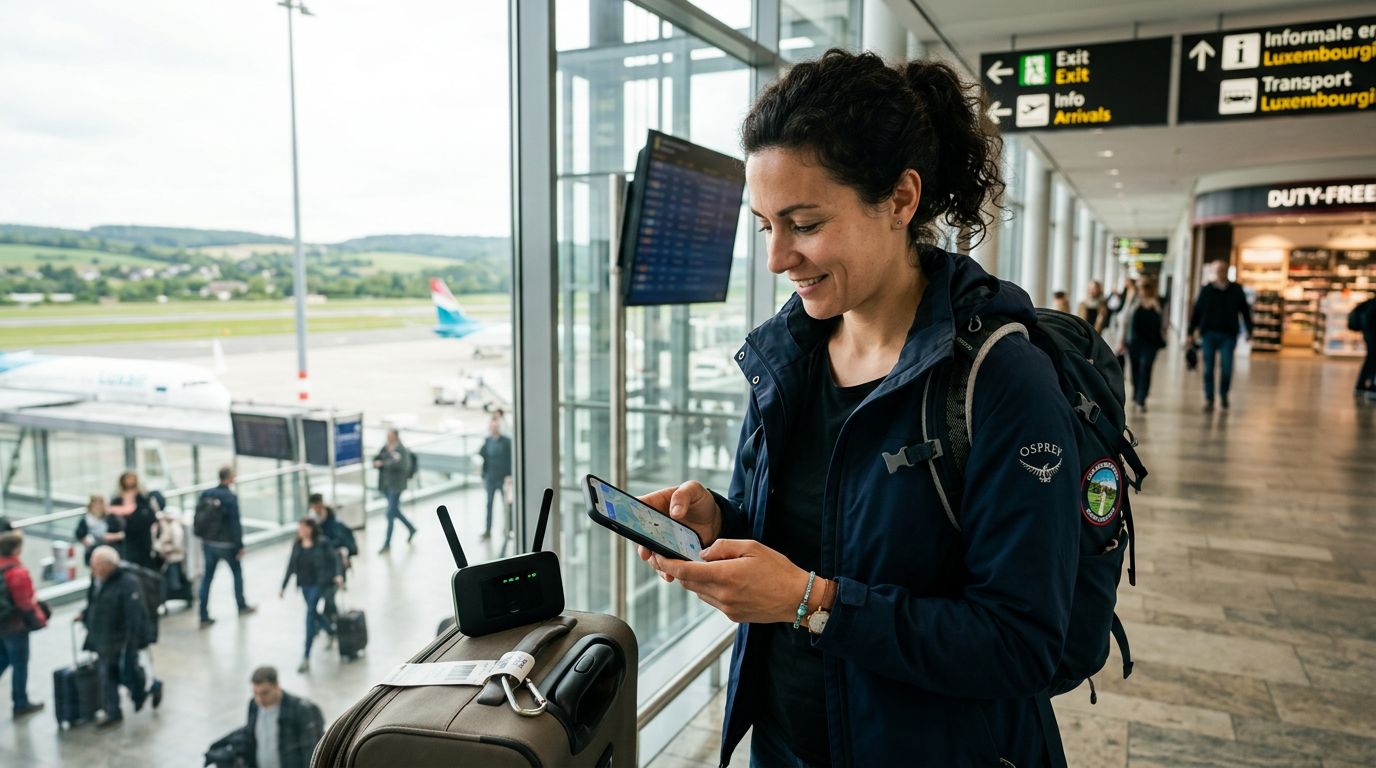
A pocket WiFi device is a portable router that creates a local hotspot for your devices. You carry the unit with you, charge it daily, and connect your phone, tablet, or laptop to its network. In Egypt, these devices typically connect to local cellular towers and convert that signal into WiFi. While they allow multiple devices to connect at once, they require you to carry an extra piece of hardware, manage battery life, and often deal with rental logistics, such as picking up and dropping off the device at the airport.
An eSIM, or embedded SIM, is a digital alternative to the physical plastic cards we have used for decades. Because the technology is built directly into modern smartphones, you do not need to swap anything out or carry extra equipment. You simply download a profile, activate it, and your phone connects to the local network in Egypt as if it were a native line. OneTapSIM provides a streamlined way to handle this process, allowing travelers to activate their data before they even land in Cairo. This eliminates the need to stand in long lines at airport kiosks or search for rental counters after a long flight.
Why eSIMs Are Often the Preferred Choice for Travelers
The primary advantage of choosing an eSIM over a pocket WiFi device is the sheer freedom of movement. When you travel through Egypt, you are often moving between different types of transport—trains, feluccas, and taxis. Carrying a pocket WiFi device adds a layer of responsibility; you must ensure it stays charged, protected from the heat, and safe from theft. If you leave your pocket WiFi at a cafe or in a taxi, your connectivity is gone for the duration of the trip.
With an eSIM, your connectivity is integrated into the device you are already using. Because OneTapSIM operates on local networks, you get the same coverage quality without the extra baggage. You can switch between your home SIM and your data eSIM effortlessly through your phone’s settings. This is particularly useful if you need to receive important SMS messages on your primary number while using your eSIM for navigation and social media.
Furthermore, setting up an eSIM is a one-time process. Once you have installed your profile, it remains on your device until you choose to remove it. This means you can land in Egypt, turn on your phone, and immediately have access to maps to find your hotel. There is no need to wait for a rental agent or worry about return windows for hardware. If you are a solo traveler or a couple, the ease of having individual data plans on your respective phones often outweighs the benefit of a single shared hotspot that forces everyone to stay within a few feet of the person carrying the device.
Considerations for Reliability and Coverage
Egypt’s infrastructure is vast, and while major cities like Cairo, Alexandria, and Luxor have excellent network coverage, connectivity can be more variable in the deep desert or remote coastal areas. Both pocket WiFi and eSIM rely on the same underlying local cellular infrastructure. Therefore, the physical signal strength is generally identical regardless of the method you choose.
However, the reliability of a pocket WiFi device can be hindered by hardware failure. Batteries can degrade, charging ports can become loose, and the device itself can overheat in the intense Egyptian sun. If the device fails, you are effectively disconnected. An eSIM, by contrast, relies on the internal hardware of your smartphone, which is likely a high-quality device designed to handle modern connectivity standards.
When you use a service like OneTapSIM, you are utilizing established network partnerships to ensure that your data remains stable as you move between regions. Because the eSIM is digital, you are not dependent on a physical chip that could be damaged or lost. If you find yourself needing more data during your trip, you can often manage your plan directly through your digital account without needing to visit a physical store or meet a courier to exchange a pocket WiFi unit.
Another factor to consider is the environment. Egypt is dusty, hot, and busy. A pocket WiFi device is an extra object that can be dropped, covered in sand, or forgotten. If you are planning an adventurous itinerary—such as hiking in the Sinai Peninsula or exploring the Valley of the Kings—the last thing you want is to be tethered to a portable router. An eSIM allows you to keep your phone in your pocket and your hands free, which is much more practical for an active vacation.
Making the Final Decision
When deciding between these two options, think about your travel style. If you are traveling as a large group of five or more people who will always be together, a pocket WiFi device might seem like a cost-effective way to share a single data pool. However, even in these scenarios, the inconvenience of staying in a group to maintain the signal often outweighs the savings. If one person walks away to buy a drink or take a photo, the rest of the group loses their connection.
For most travelers, the eSIM is the clear winner for its simplicity and efficiency. It removes the stress of managing hardware, charging cables, and return logistics. By choosing an eSIM through a provider like OneTapSIM, you gain the ability to arrive in Egypt with your digital infrastructure already in place. You can focus on the history, the culture, and the scenery rather than worrying about whether your router is charged or where you left your rental device.
Before you finalize your plans, ensure that your smartphone is carrier-unlocked and compatible with eSIM technology. Most modern flagship phones support this, and you can verify your device's capabilities through your manufacturer’s support pages. Once confirmed, you can prepare for your Egyptian adventure with the peace of mind that comes from having reliable, seamless, and hardware-free connectivity. Whether you are standing before the Sphinx or wandering through the Khan el-Khalili bazaar, your digital connection will be as reliable as your curiosity.