Understanding Your Connectivity Options in Oman
Planning a trip to Oman requires a mix of logistics, from securing your visa to mapping out your itinerary through the dunes of Wahiba Sands or the bustling souqs of Muscat. Among these preparations, deciding how to stay connected is a priority. Travelers generally choose between a traditional physical SIM card or the modern, digital alternative known as an eSIM. Understanding the differences between an Oman SIM card vs eSIM is the first step toward a seamless travel experience.
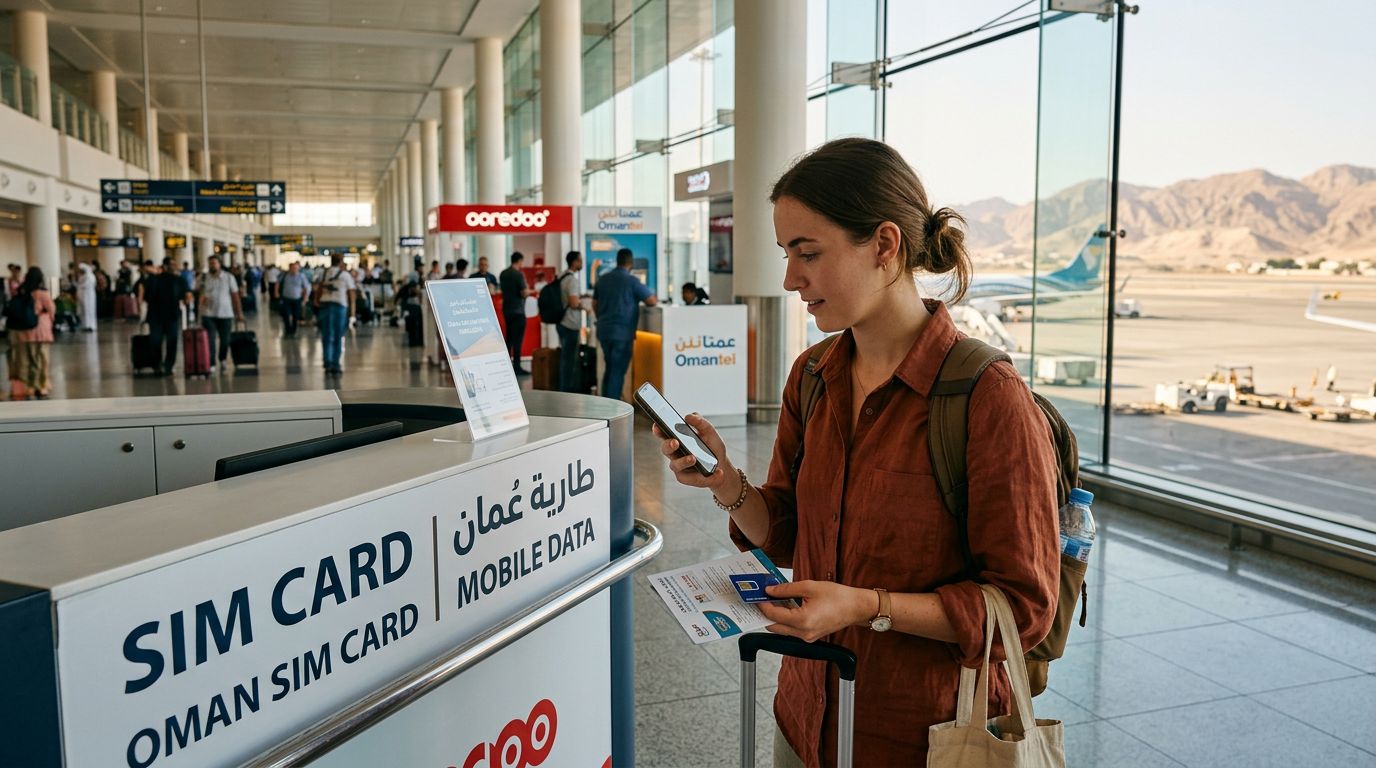
A physical SIM card is the standard plastic chip that has been the industry norm for decades. To use one in Oman, you typically visit a local provider’s kiosk after landing, present your passport for registration, and manually swap the card into your device. It is a tried-and-true method, but it comes with the inconvenience of handling tiny hardware and potentially waiting in long queues at the airport.
An eSIM, or embedded SIM, is a digital version of that same technology. It is built directly into the hardware of modern smartphones. Instead of handling a physical chip, you activate your plan by scanning a QR code or installing a profile through an app. This allows you to set up your connectivity before you even board your flight, ensuring you have a data signal the moment your wheels touch the tarmac in Muscat. For many travelers, the elimination of physical installation makes the eSIM a superior choice for convenience and reliability.
Comparing Convenience and Installation
The primary advantage of choosing an eSIM over a traditional SIM card is the sheer ease of the setup process. When you arrive in a new country, the last thing you want to do is hunt for a mobile shop, wait behind other tourists, and struggle with small plastic cards that are easy to lose. With an eSIM, you manage your connectivity entirely through your phone’s interface.
If you opt for a local physical SIM, you are subject to the operating hours of airport kiosks and the documentation requirements of local carriers. You must also keep track of your original SIM card, which is easily misplaced when you swap it out. If you lose your home SIM, you face a significant headache upon returning to your home country.
OneTapSIM streamlines this process by providing a digital-first experience. Because the eSIM is software-based, you can purchase and activate your plan from the comfort of your home or hotel. Once your device is compatible, you can switch between your home network and your Oman data plan with a few taps in your settings menu. This flexibility is particularly useful for travelers who want to keep their home number active for important calls or two-factor authentication codes while using a separate data plan for navigation, social media, and translation apps.
Before purchasing, always verify that your device is carrier-unlocked. Most modern smartphones, including recent models from major manufacturers, support eSIM functionality. You can verify your device’s capabilities by checking the settings menu or visiting the official support pages for your device manufacturer, such as Apple or Google.
Performance, Reliability, and Coverage
When comparing an Oman SIM card vs eSIM, many travelers worry about whether one offers better signal quality than the other. In reality, the quality of your connection depends on the underlying network infrastructure, not the format of the SIM card itself. Both physical SIMs and eSIMs connect to the same local cellular towers.
In Oman, the major network providers have invested heavily in expanding coverage across both urban centers and more remote regions. Whether you are exploring the historic forts of Nizwa or driving along the coast, you will generally find reliable service. Because an eSIM allows you to connect to these local networks just as a physical SIM would, you do not sacrifice speed or coverage by choosing the digital route.
Another factor to consider is the ability to manage your data usage. With a physical SIM, you often have to rely on the provider’s portal or wait for text message notifications to know how much data you have left. Using a travel-focused service like OneTapSIM often provides a clearer overview of your data consumption, helping you avoid unexpected overages or sudden loss of connectivity.
Furthermore, if your travel plans change or you decide to extend your stay in Oman, an eSIM offers greater flexibility. You can often purchase an additional data package or extend your current one remotely, without needing to visit a physical store or buy a new plastic card. This level of control is a major benefit for those who prefer to keep their travel plans fluid and spontaneous.
Ultimately, the choice between these two options comes down to your preference for physical hardware versus digital efficiency. If you value a smooth, contact-free arrival and the ability to manage your connectivity without extra steps, the eSIM is the clear winner. By preparing your connection ahead of time, you can spend less time managing your phone settings and more time enjoying the stunning landscapes and rich culture that Oman has to offer. Whether you are a solo adventurer or traveling with family, having a reliable data connection at your fingertips ensures that you can navigate, share photos, and stay in touch with ease throughout your journey.