Understanding Your Connectivity Options in Malta
Planning a trip to the sun-drenched islands of Malta requires more than just packing your swimsuit and sunscreen. Staying connected while exploring the historic streets of Valletta, the beaches of Comino, or the cliffs of Gozo is essential for navigation, sharing photos, and keeping in touch with home. When deciding between a traditional physical SIM card and a modern eSIM, it is important to weigh the convenience, reliability, and setup process of each.
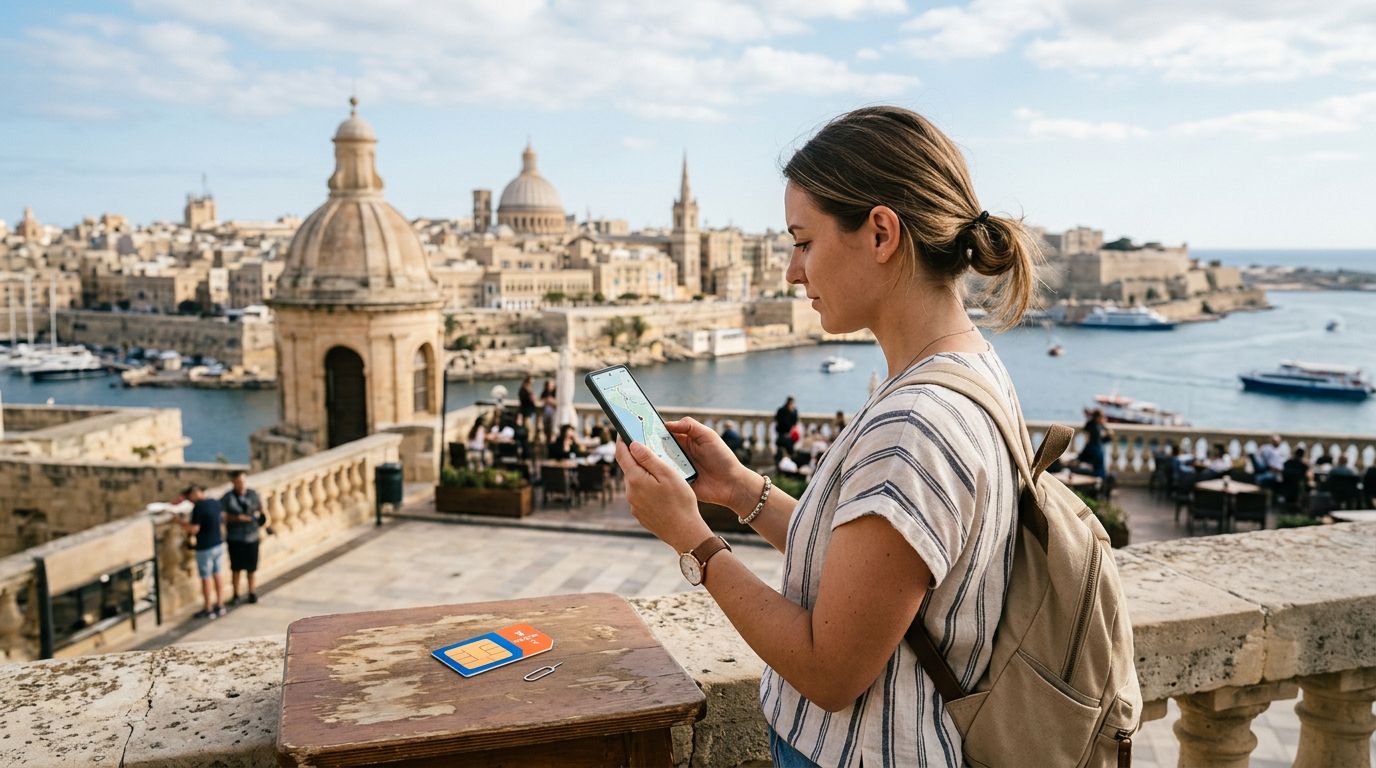
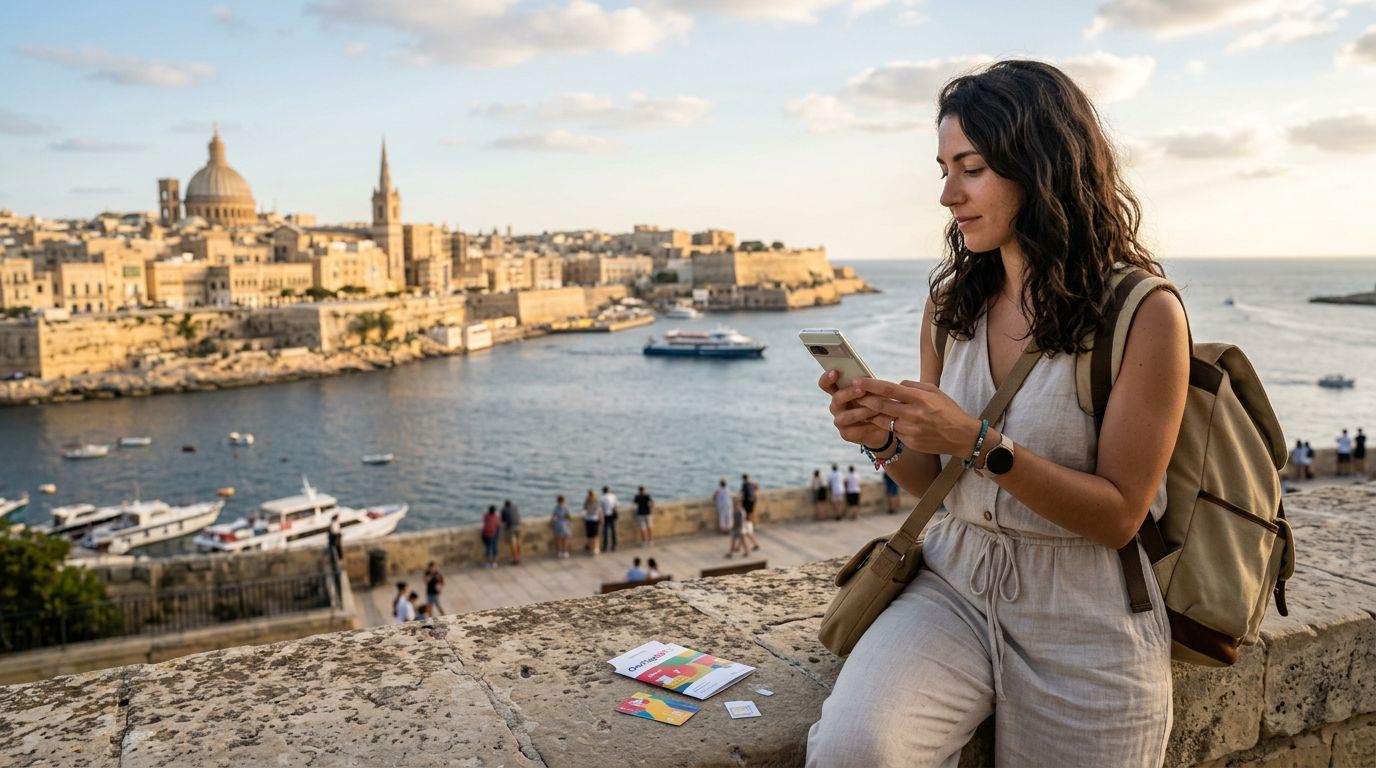
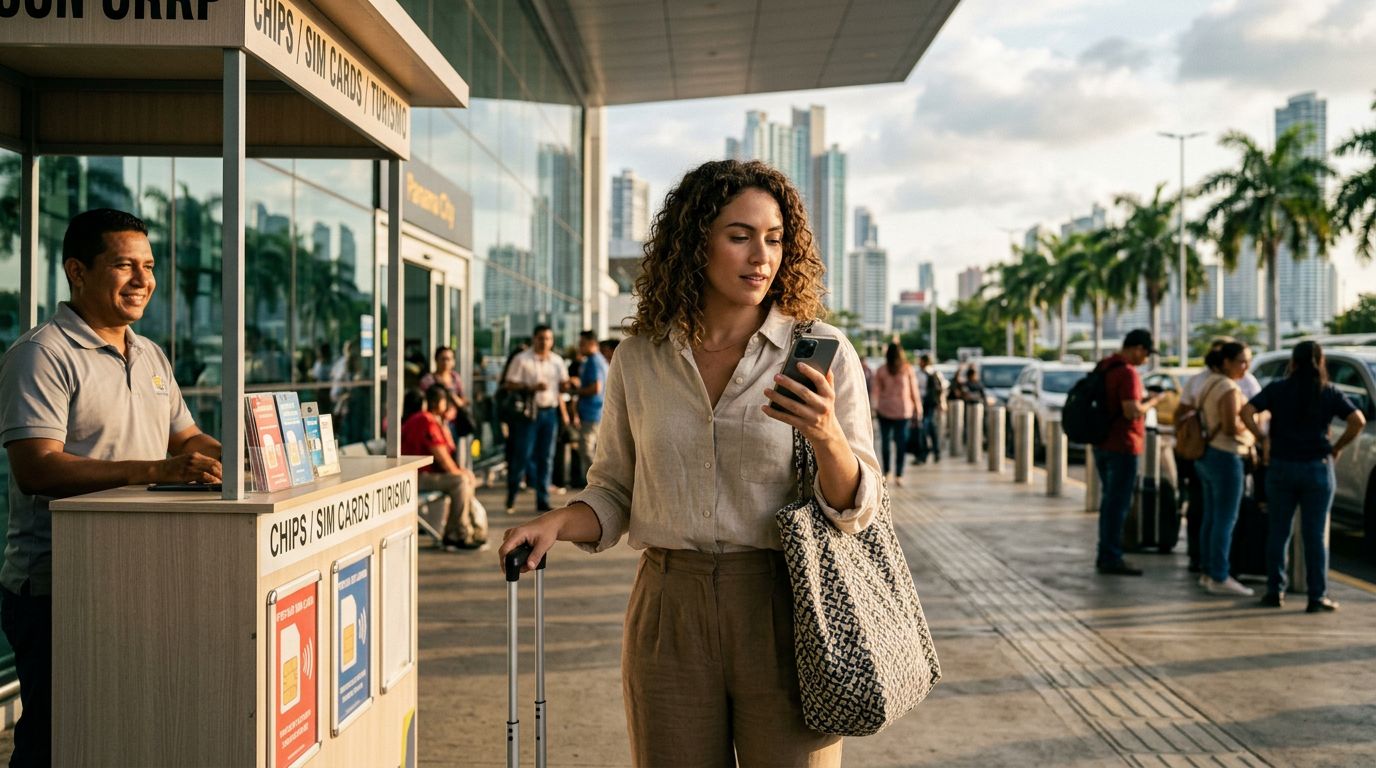
A physical SIM card has been the standard for decades. It involves purchasing a small plastic chip from a local provider, physically opening your phone’s SIM tray, and swapping out your home carrier’s card. While this method is familiar, it comes with inherent risks. You must keep track of your original SIM card to ensure you do not lose it, and you are often required to visit a physical store or a kiosk at the airport upon arrival.
On the other hand, an eSIM—or embedded SIM—is a digital alternative. It is built directly into the hardware of modern smartphones. Instead of handling a physical piece of plastic, you simply download a digital profile that allows your device to connect to local networks. For travelers, this shift toward digital connectivity has been a major upgrade in terms of efficiency. Using a service like OneTapSIM allows you to activate your connection before your plane even touches down on the runway, ensuring you have data the moment you land.
The Pros and Cons of Physical SIM Cards
For many travelers, the physical SIM card is a fallback option because it is a tangible product. When you arrive in Malta, you can find kiosks at the airport or visit carrier stores in major towns. The primary advantage here is that you are dealing with a physical object that you can see and touch. Some travelers feel more comfortable having a physical card in their device, believing it to be more reliable in areas with varying signal strength.
However, the downsides are significant. First, there is the time cost. After a long flight, the last thing most people want to do is stand in a queue at a mobile provider’s desk, present identification, and wait for a clerk to register the card. There is also the issue of hardware compatibility and safety. Opening your phone’s SIM tray can be fiddly, and if you are not careful, the tiny card can easily be dropped or misplaced in a hotel room or on a busy street. If you lose your home SIM card, you may face a stressful situation trying to replace it once you return home.
Furthermore, physical SIM cards are tied to a specific provider’s inventory. If you arrive late at night or on a public holiday, you might find that the airport kiosks are closed or understaffed, leaving you without a way to call a taxi or check your hotel location. This reliance on physical infrastructure is the main reason why many modern travelers are moving away from traditional cards in favor of digital solutions.
Why eSIMs Are Changing Travel Connectivity
The transition to eSIM technology has simplified the way we manage mobile data abroad. Because an eSIM is digital, the entire process—from purchasing to installation—happens over the internet. This removes the need for physical retail locations and eliminates the risk of losing small plastic cards.
When you use an eSIM, you can keep your primary SIM card inside your phone. This is a massive advantage for those who need to receive important text messages or two-factor authentication codes from their home bank or service providers. With a dual-SIM setup, your phone can manage both your home number and your Maltese data connection simultaneously. You simply toggle the settings to ensure your data is routed through the eSIM while your primary line remains active for calls or messages if needed.
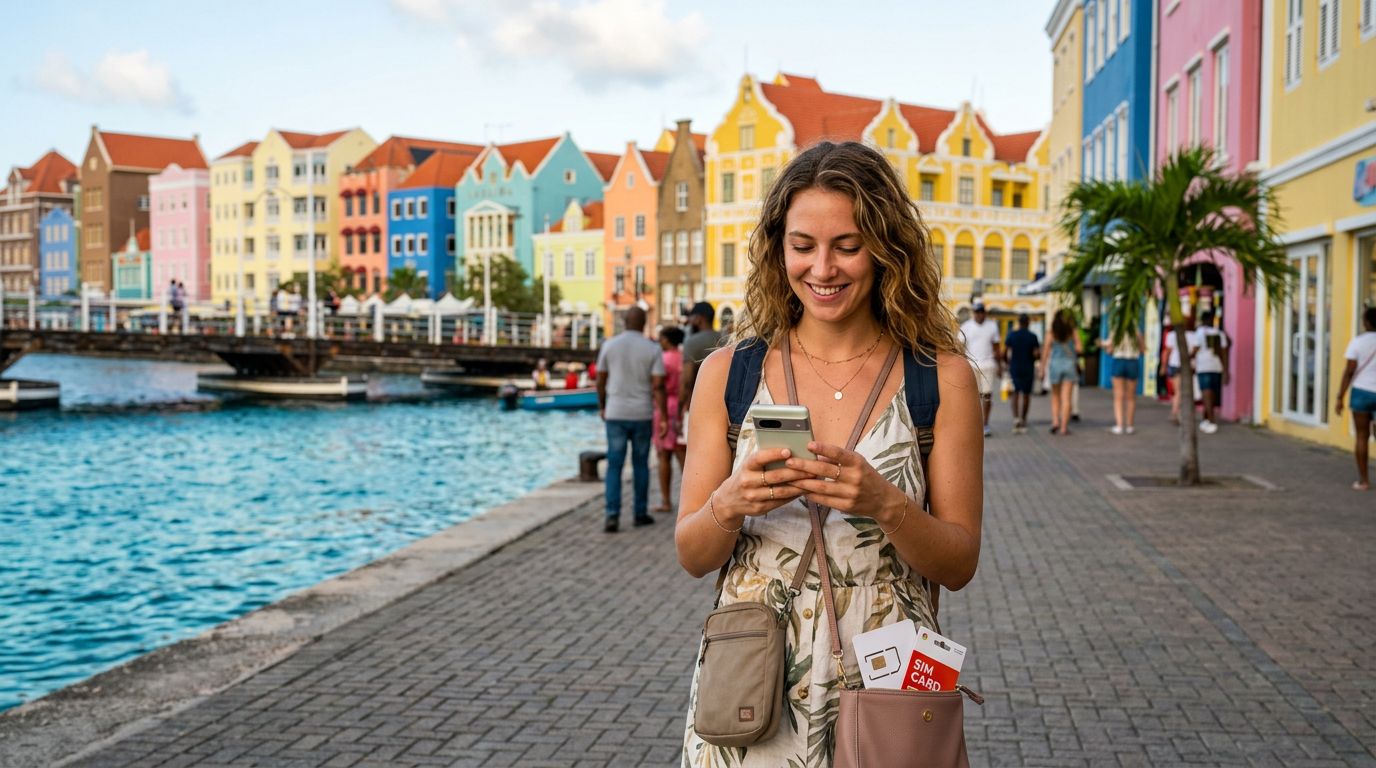
The installation process is generally straightforward. After purchasing a plan through a provider like OneTapSIM, you typically receive a QR code or an activation link. By scanning this code, your phone automatically configures the network settings for Malta. This means you can have your connection ready to go while you are still at home, or even while you are waiting at the gate for your flight. As soon as you land in Malta, your phone will detect the local network, and you will be online immediately.
Compatibility is the only real hurdle to consider. Most smartphones released in the last few years support eSIM technology, but it is always wise to check your device settings or manufacturer documentation to confirm your specific model is unlocked and eSIM-ready. If your device supports it, the experience of using an eSIM is almost universally more convenient than the alternative.
Making the Right Choice for Your Malta Trip
When comparing a Malta SIM card vs eSIM for tourists, the decision often comes down to your personal comfort with technology and your desire for convenience. If you prefer a hands-on approach and do not mind spending time at a kiosk upon arrival, a physical SIM card will get the job done. It is a proven method that has worked for decades.
However, if you value your time and want to avoid the stress of hunting for a mobile shop in a foreign country, an eSIM is the superior choice. The ability to land in Malta and have instant access to maps, ride-sharing apps, and translation tools is invaluable. By opting for a digital solution, you avoid the risk of losing your original SIM and enjoy a seamless transition from your home network to a local one.
Ultimately, the goal of any travel connectivity solution is to stay online without the headache. Whether you are wandering through the ancient streets of Mdina or relaxing by the Blue Lagoon, having reliable data allows you to focus on the experience rather than the logistics of your phone. For most modern travelers, the ease of setup, the ability to retain their primary number, and the immediate activation offered by providers like OneTapSIM make the eSIM the clear winner for a smooth and enjoyable trip to Malta.