Understanding Your Connectivity Options in Malawi
Traveling to Malawi offers an incredible experience, from the shores of Lake Malawi to the rugged peaks of Mulanje Mountain. However, staying connected while exploring this beautiful country requires a bit of planning. When you arrive, you are generally faced with two primary choices for mobile data: a traditional physical SIM card or a digital eSIM.
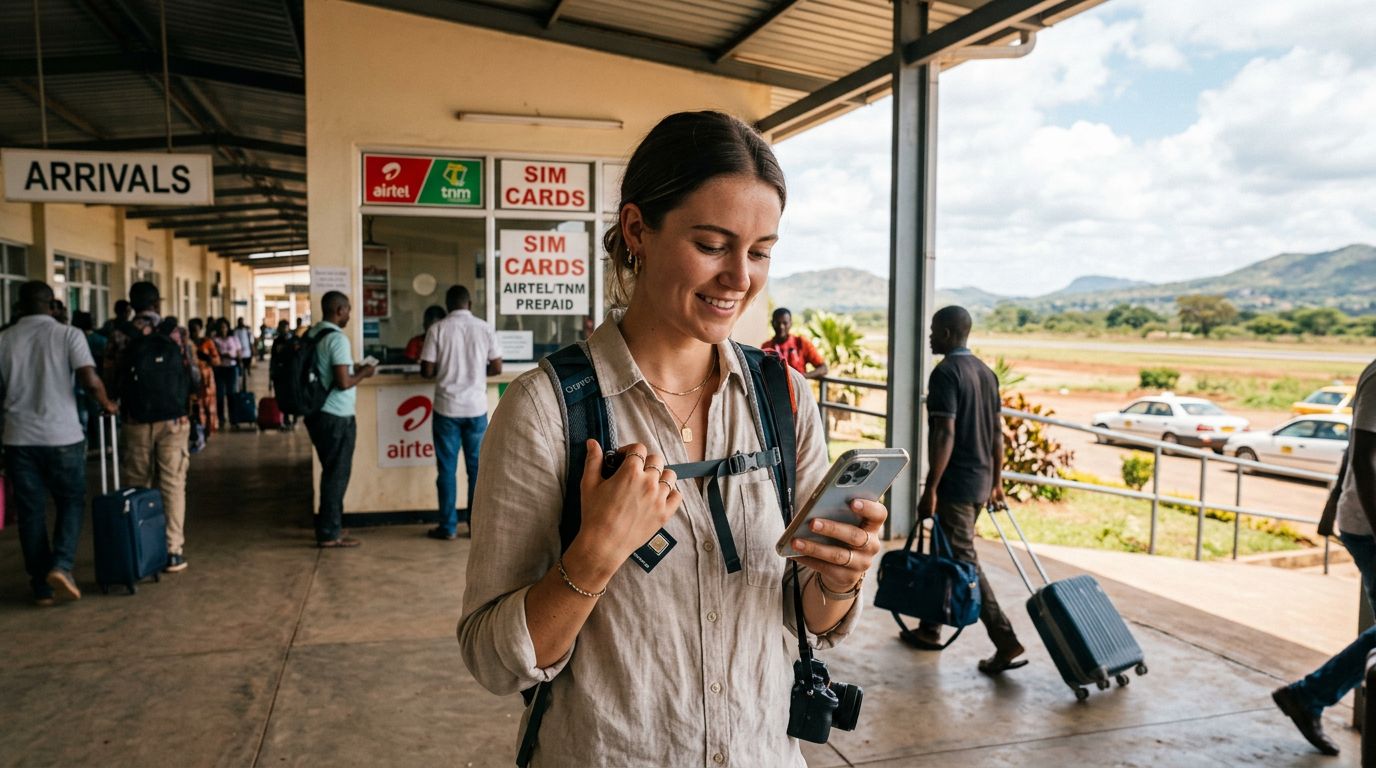
A physical SIM card is the standard plastic chip that has been the industry norm for decades. To use one in Malawi, you typically visit a local mobile network operator’s kiosk, present your passport for registration, and insert the card into your phone’s SIM tray. This process can be time-consuming, especially if you arrive during peak hours or at a busy airport terminal.
On the other hand, an eSIM is a digital version of that same technology. It is embedded directly into the hardware of modern smartphones. Instead of swapping out a physical chip, you simply download a profile that connects your device to a local network. For travelers who value efficiency and want to avoid the hassle of handling tiny plastic cards, the eSIM has become a preferred method for maintaining data access abroad.
Comparing the Logistics: Physical SIM vs. eSIM
The most significant difference between these two options lies in the setup process. When you opt for a physical SIM card in Malawi, you are committing to a manual process. You must locate a vendor, wait in line, and physically swap your home SIM card with the local one. This creates a risk of losing your original SIM card, which is a common frustration for international travelers. Furthermore, you must ensure your phone is unlocked by your home carrier before you leave, as a locked phone will not accept a local physical SIM.
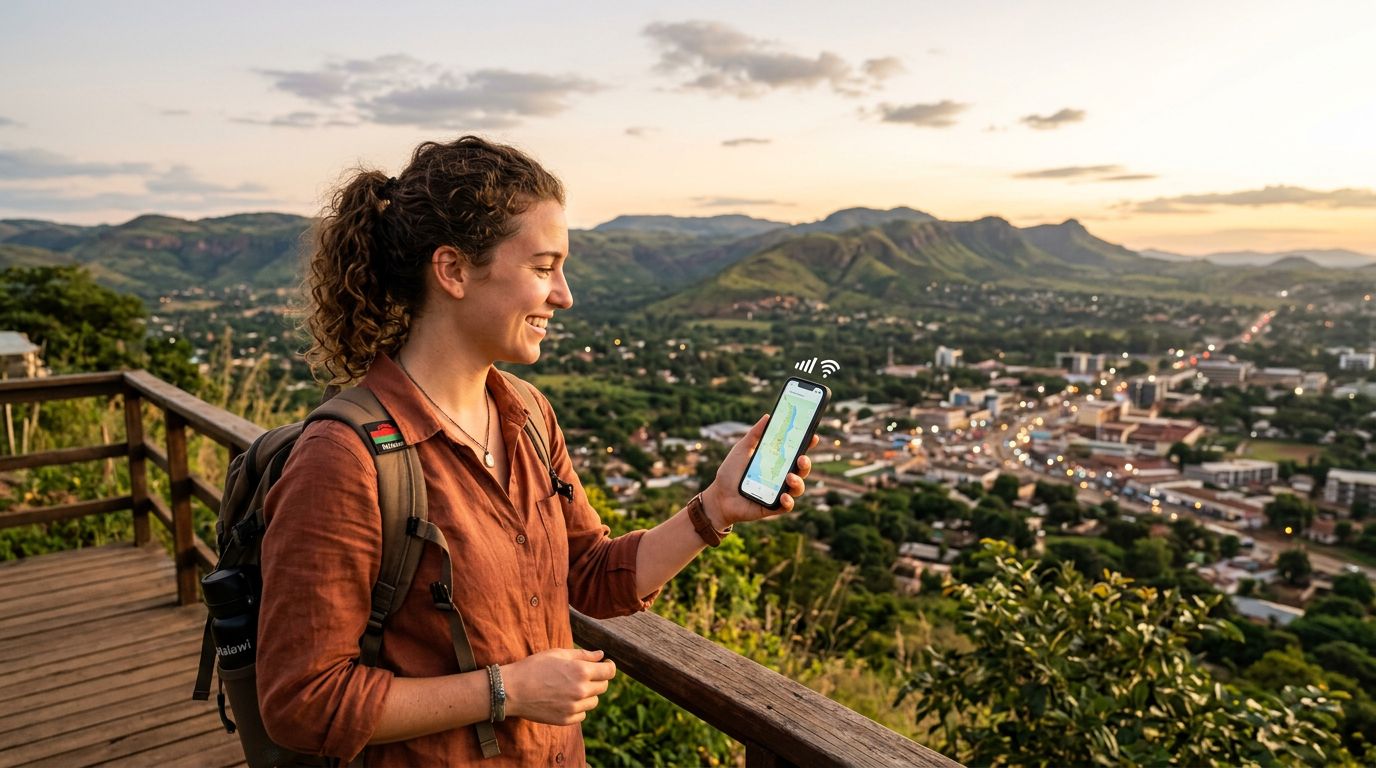
The eSIM experience is fundamentally different because it is entirely digital. You can purchase and activate your data plan before you even board your flight. By using a service like OneTapSIM, you can handle the configuration process from the comfort of your home or hotel. Once you land in Lilongwe or Blantyre, your device automatically connects to the local network as soon as you turn off airplane mode.
Another factor to consider is device compatibility. While most modern smartphones support eSIM technology, it is essential to verify that your specific model is compatible. You can check the official support pages for Apple or Google to confirm if your device supports eSIM functionality. If your phone is older or lacks this hardware, a physical SIM remains your only viable path for local connectivity. However, for those with compatible devices, the convenience of avoiding physical retail stores is a major advantage.
Why eSIM is Often the Superior Choice for Malawi Travel
When weighing the Malawi SIM card vs eSIM debate, the primary benefit of the eSIM is the preservation of your primary phone number. With a physical SIM, you must remove your home card, meaning you cannot receive calls or texts from your home country unless you carry a second device. With an eSIM, you can keep your home SIM active for calls and texts while using the eSIM specifically for your data needs. This allows you to stay reachable for urgent matters while enjoying high-speed internet for maps, translation apps, and social media.
Security is another often overlooked benefit of digital connectivity. By setting up your data plan through a reputable provider like OneTapSIM, you avoid the need to share your personal identification documents with multiple third-party kiosks in foreign airports. You maintain control over your data and your device throughout the entire trip.
Furthermore, the environmental impact and physical convenience cannot be ignored. Managing a collection of tiny plastic cards is a nuisance. If you are traveling to multiple countries in Southern Africa, a physical SIM card becomes even more cumbersome, as you would need to purchase and swap cards at every border crossing. An eSIM allows you to manage multiple travel profiles on a single device, making it much easier to transition from one country to the next without searching for a new vendor in each location.
Making the Final Decision
Choosing between a Malawi SIM card and an eSIM depends on your specific hardware and your tolerance for manual tasks. If you are using a device that supports eSIM technology, the transition to digital connectivity is almost always the more efficient route. It eliminates the need to hunt for mobile shops, wait for registration paperwork, or risk losing your primary SIM card.
If you are a traveler who prefers to have everything ready before you arrive, the digital approach is clearly superior. By securing your data plan in advance, you ensure that you have access to navigation and communication tools the moment you touch down. This is particularly helpful in a country like Malawi, where infrastructure can vary between urban centers and remote safari locations.
Ultimately, the goal of any connectivity solution is to enhance your travel experience rather than complicate it. While physical SIM cards have served travelers well for years, the industry is shifting toward more flexible, user-friendly digital solutions. By opting for an eSIM, you are choosing a modern, reliable, and secure way to stay connected, allowing you to focus on the beauty of Malawi rather than the logistics of your mobile network. Whether you are trekking through national parks or relaxing by the lake, having a seamless data connection ensures that you can share your experiences and stay in touch with those back home without unnecessary stress.
Get an eSIM for
Plans for the destinations covered in this guide, with instant QR delivery.