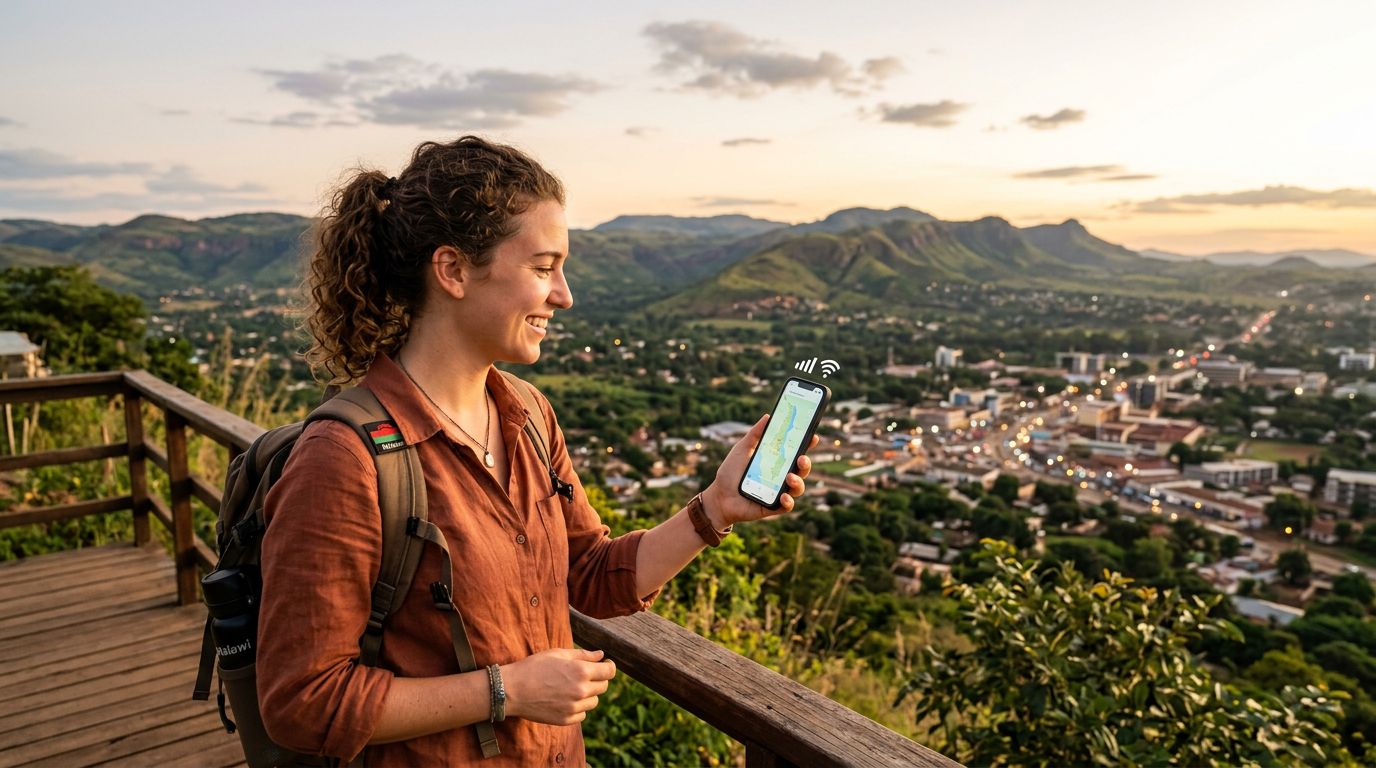
Understanding Connectivity Challenges in Malawi
Travelers heading to the "Warm Heart of Africa" often find themselves balancing the desire for an off-grid adventure with the practical necessity of staying connected. Malawi offers breathtaking landscapes, from the shores of Lake Malawi to the rugged peaks of Mount Mulanje, but infrastructure can be inconsistent. Relying on local networks or roaming services often presents unique challenges that can disrupt your travel plans if you are not prepared.
The primary hurdle for many visitors is the reliance on physical SIM cards. In many regions of Malawi, finding a reliable vendor, navigating language barriers, and dealing with the registration requirements for a local SIM can consume valuable hours of your trip. Furthermore, physical cards are fragile and easy to lose. If you are traveling through multiple countries, swapping out physical cards repeatedly increases the risk of damaging your phone’s SIM tray or losing your home SIM card entirely.
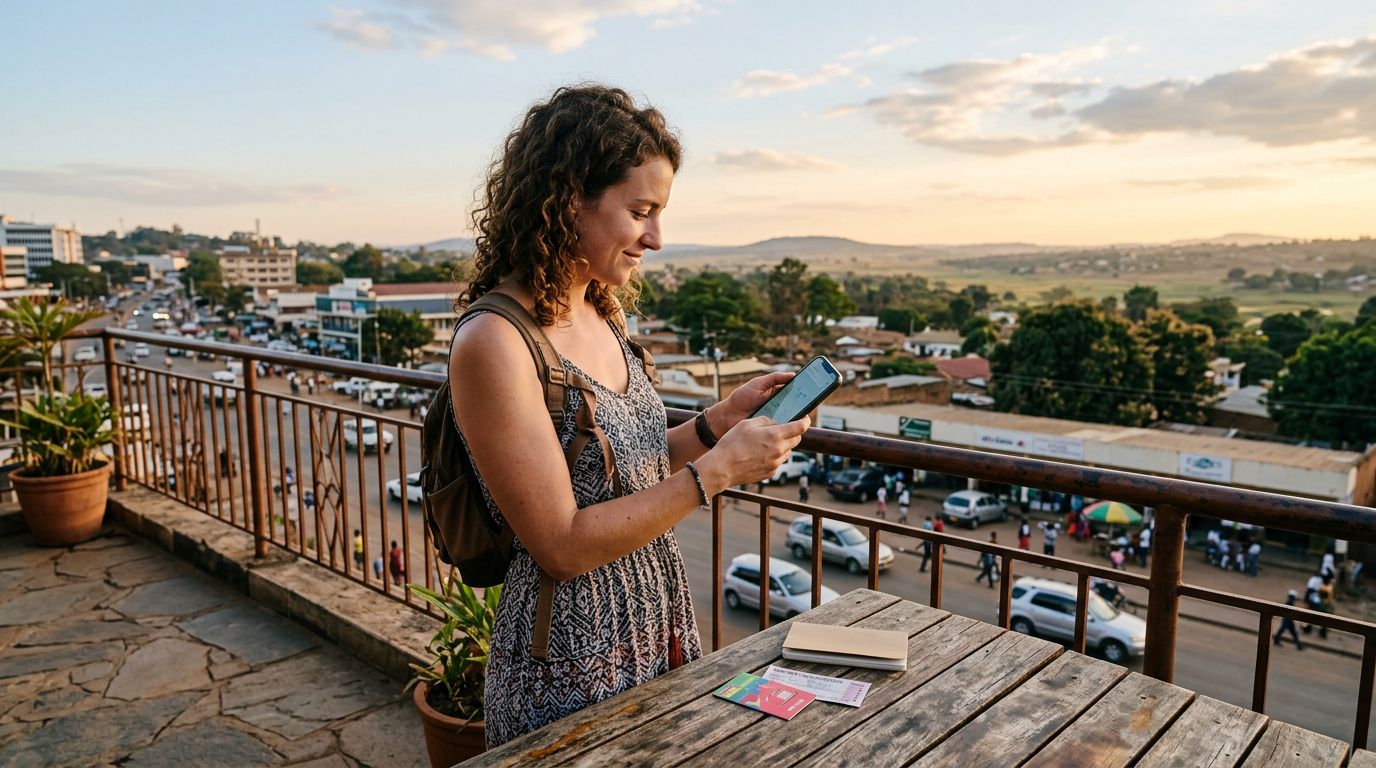
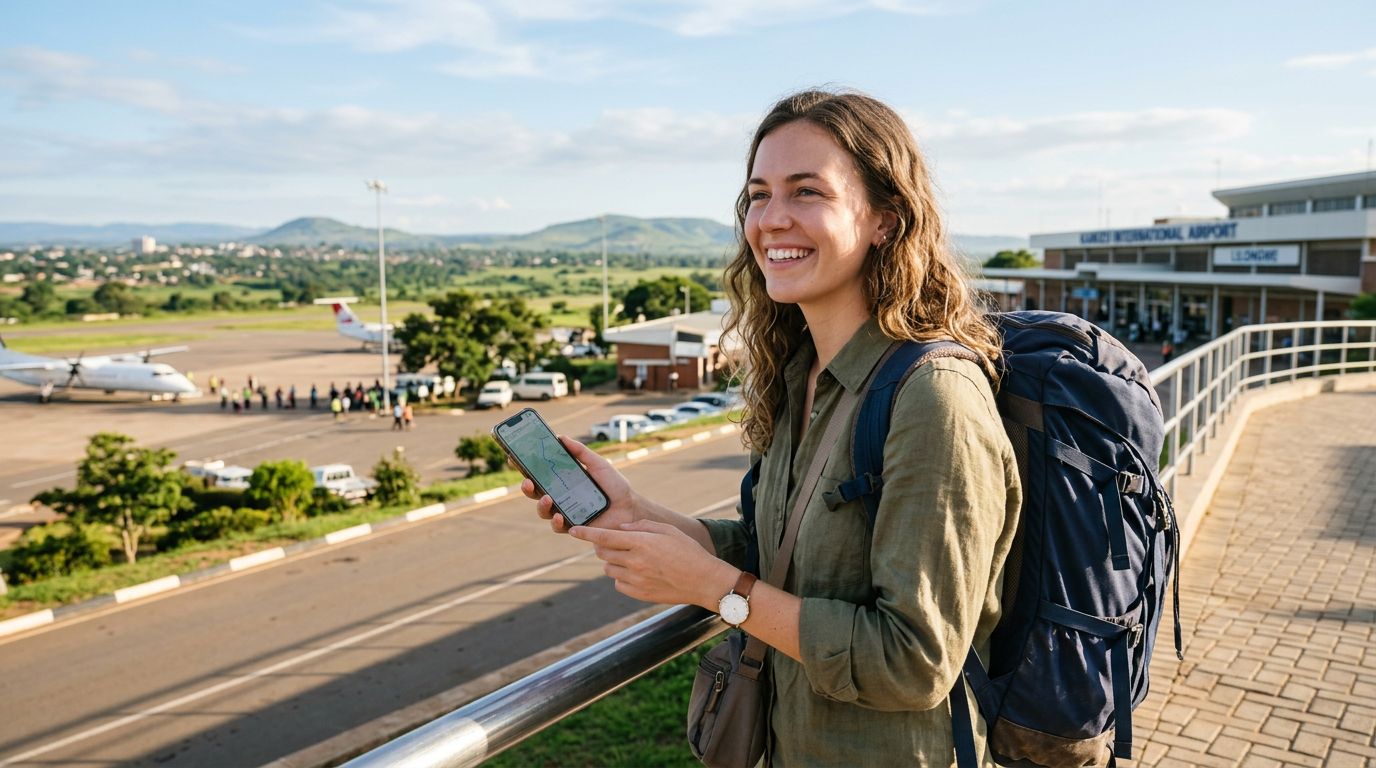
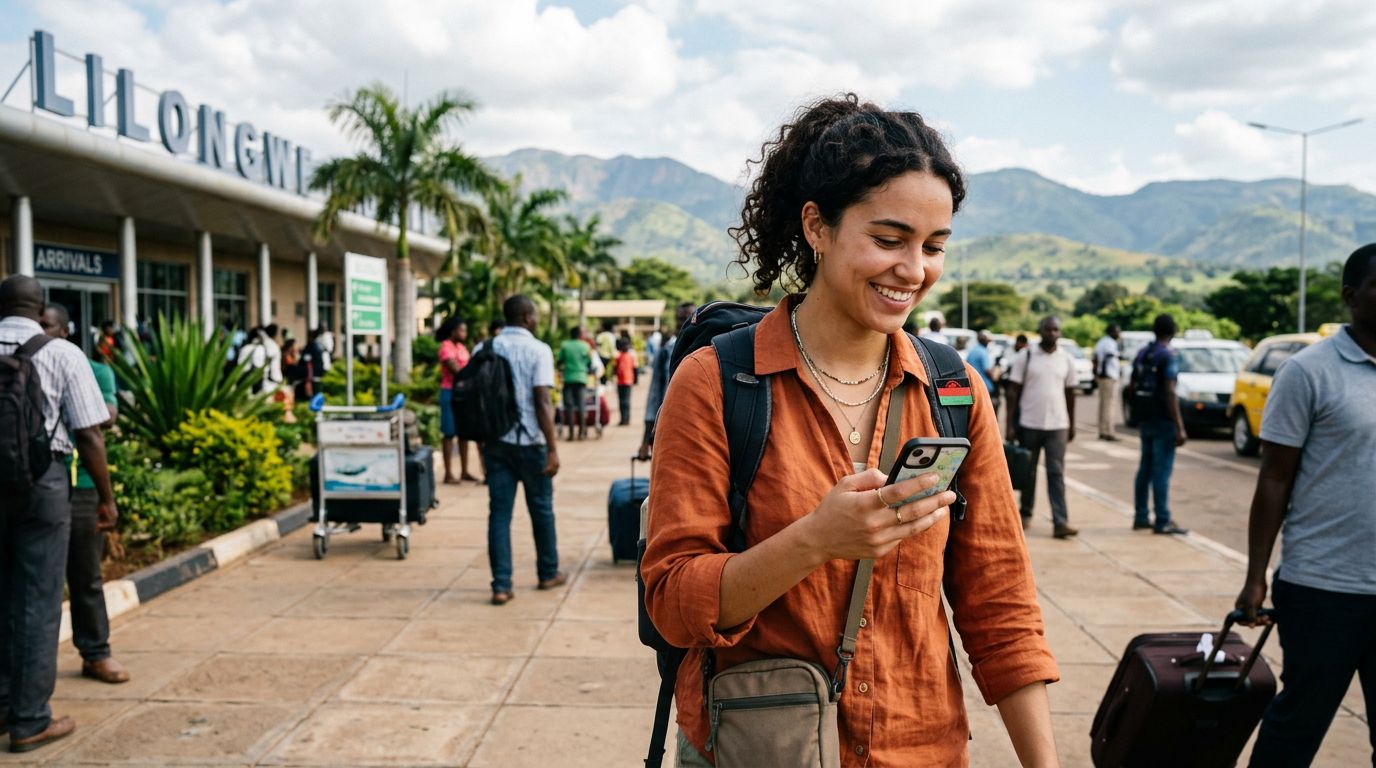
For those who prioritize efficiency, the best way to get data in Malawi is to shift away from traditional physical cards toward digital solutions. By utilizing eSIM technology, you can bypass the need to visit a kiosk or wait in line at a mobile operator’s office. Instead, your device is ready to connect the moment you touch down at Lilongwe or Blantyre, allowing you to use navigation apps, translation tools, and communication platforms immediately.
Why eSIMs Are the Modern Standard for Travelers
An eSIM, or embedded SIM, is a digital version of the traditional plastic card that has been standard in mobile phones for decades. Because it is built directly into the hardware of modern smartphones, there is no physical component to handle. This technology has revolutionized international travel by allowing users to download a data plan as easily as they download an app.
The convenience factor is unmatched. With an eSIM, you can manage your connectivity from your hotel room or even while waiting for your luggage at the airport. Because the data plan is activated through a QR code or a simple digital installation process, you retain your primary phone number for calls and texts if your device supports dual-SIM functionality. This means you can keep your home number active for important messages while using a local data plan for maps, social media, and research.
OneTapSIM provides a streamlined experience for travelers who want to avoid the technical headaches often associated with manual network configuration. By choosing a provider that focuses on the user experience, you ensure that your APN settings and network selections are handled automatically. This level of reliability is critical when you are in a remote area where technical support is not readily available. If your phone is compatible with eSIM technology—which most modern devices from major manufacturers are—this is undoubtedly the most efficient method for maintaining a stable connection throughout your journey.
Practical Tips for Staying Online Across Malawi
While having a solid data plan is the foundation of your connectivity, how you manage your data usage will determine how long your service lasts and how effective it remains. Malawi’s network coverage is strongest in urban centers like Lilongwe, Blantyre, and Mzuzu. As you head toward more remote national parks or rural villages, signal strength may fluctuate.
To maximize your experience, consider these strategies:
First, download offline maps. Even with a reliable data plan, there are pockets of the country where cellular service may drop. Having your destination map saved to your device ensures you can navigate safely regardless of your current connection status. Most major map applications offer this feature, and it is a lifesaver when exploring the scenic routes around the lake.
Second, be mindful of background data usage. Many smartphone applications automatically sync photos, update software, or refresh feeds in the background. Before you begin your trip, go into your phone’s settings and restrict background data for non-essential apps. This ensures that your data allowance is reserved for what you actually need: messaging, navigation, and emergency communication.
Third, keep a portable power bank in your day bag. Using GPS and mobile data consistently can drain a battery faster than usual. Since you will be relying on your phone as your primary tool for communication and information, maintaining a charge is just as important as maintaining a signal.
Finally, choose a reputable provider that offers clear, upfront information about their coverage. OneTapSIM is designed to offer a seamless transition for travelers who do not want to spend their holiday worrying about connectivity. By setting up your digital SIM before you depart, you eliminate the stress of searching for a shop upon arrival. You can simply land, activate your plan, and begin your journey without interruption.
Connectivity in Malawi is improving every year, and the tools available to travelers have evolved alongside it. By moving away from the outdated practice of sourcing physical SIM cards and embracing the digital convenience of an eSIM, you can focus on the real reason for your trip: experiencing the vibrant culture, the stunning wildlife, and the unparalleled beauty of the Malawian landscape. Whether you are trekking through the highlands or relaxing on the sandy beaches of the lake, having a reliable data connection at your fingertips ensures that you are never truly out of touch, unless you choose to be.
Get an eSIM for
Plans for the destinations covered in this guide, with instant QR delivery.