Understanding Your Connectivity Options in Madagascar
Planning a trip to Madagascar is an adventure into one of the most unique biodiversity hotspots on the planet. Whether you are trekking through the limestone forests of Tsingy de Bemaraha, searching for lemurs in Andasibe-Mantadia, or relaxing on the pristine beaches of Nosy Be, staying connected is essential for safety, navigation, and sharing your journey. When you arrive, you will find that your connectivity needs are best met by choosing between a traditional physical SIM card or the modern, streamlined eSIM technology.
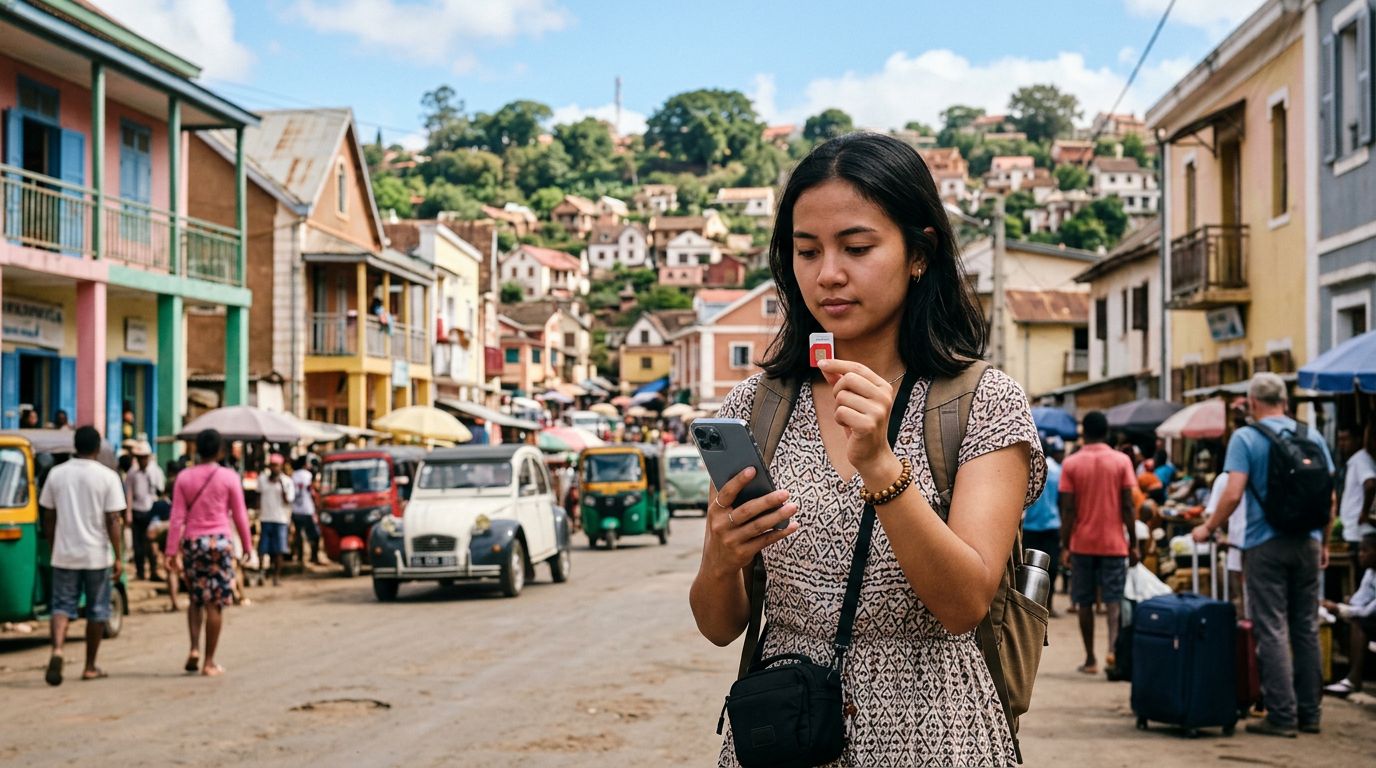
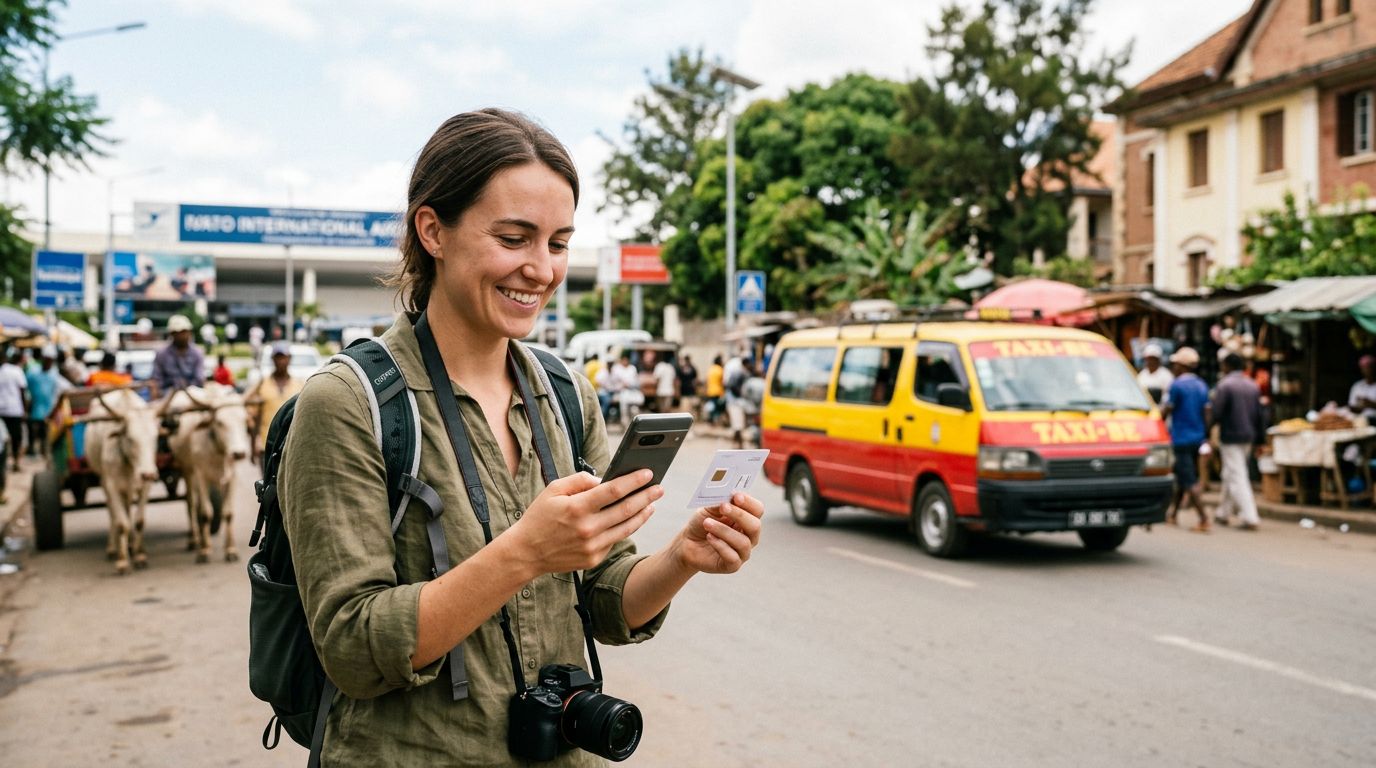
A physical SIM card has been the standard for international travelers for decades. It involves purchasing a small plastic chip from a local carrier, inserting it into your phone, and configuring your device’s network settings. While reliable, this process often requires finding a physical kiosk, presenting your passport for registration, and swapping out your home SIM card—which carries the risk of losing your original chip.
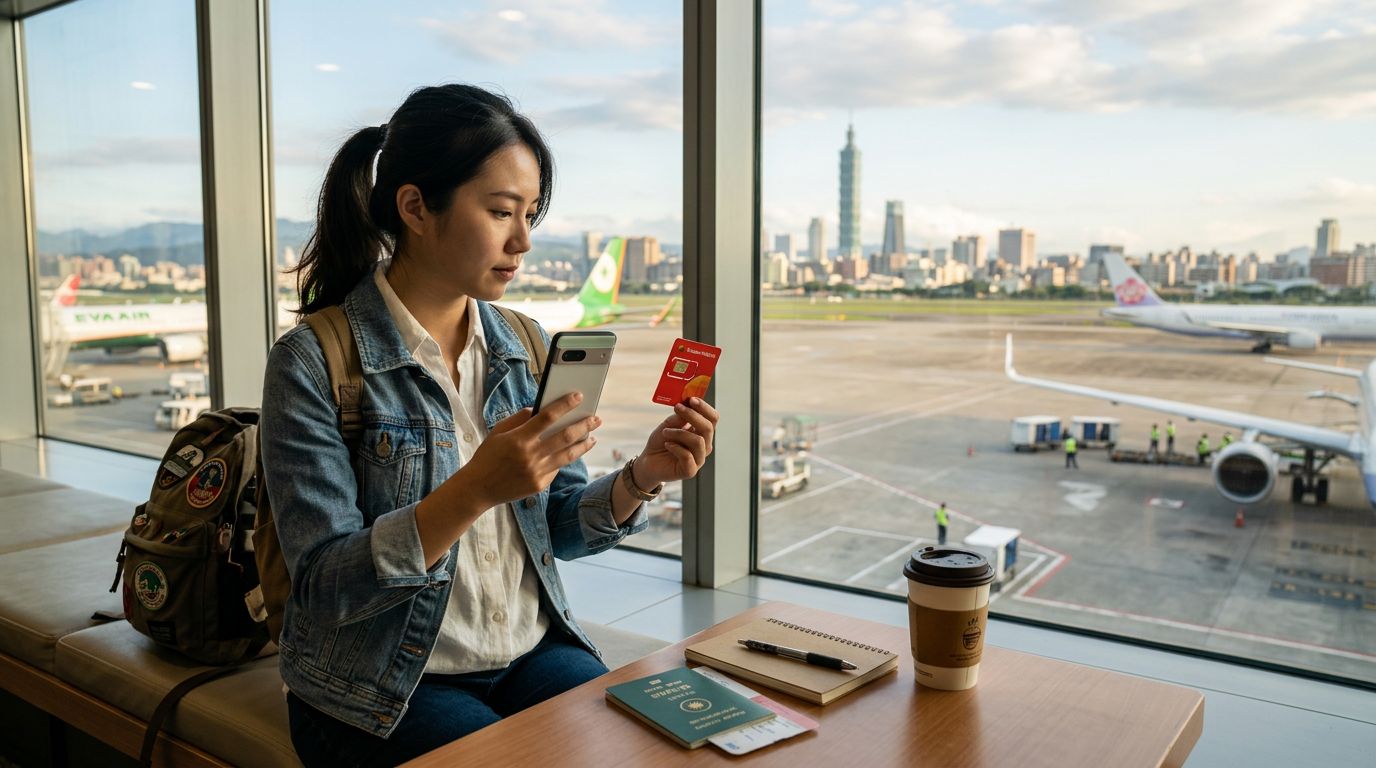
In contrast, an eSIM is a digital version of a SIM card that is embedded directly into the hardware of your smartphone. It allows you to activate a mobile plan without needing a physical card. For travelers, this means you can set up your connection before you even board your flight. By comparing a Madagascar SIM card vs eSIM, you can decide which method aligns better with your travel style, technical comfort level, and the specific requirements of your itinerary.
The Pros and Cons of Local Physical SIM Cards
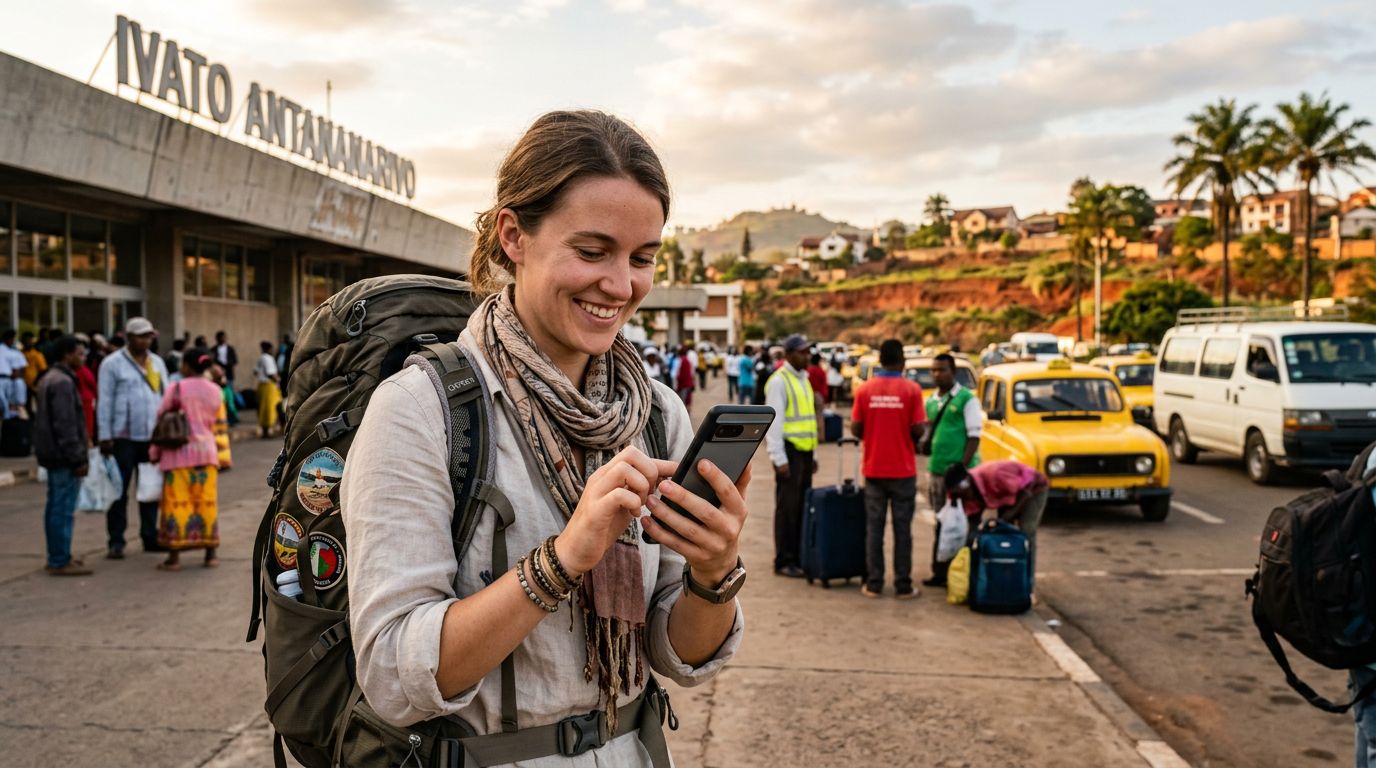
For many travelers, the local physical SIM card is the traditional route. Upon arrival at Ivato International Airport in Antananarivo, you will likely see kiosks for major local telecommunications providers. These companies offer various data packages designed for tourists.
The primary advantage of a physical SIM card is the potential for a large volume of data at a local rate. If you are planning an extended stay in Madagascar and require significant data for work or heavy media uploading, a local card might seem like the most straightforward option. You are dealing directly with the local infrastructure, which can sometimes offer the most extensive coverage in remote areas where smaller roaming partners might struggle.
However, there are significant drawbacks to this approach. First, the process can be time-consuming. You may face long queues at airport kiosks after a long international flight. Furthermore, the registration process in Madagascar often requires physical documentation, which can lead to language barriers or bureaucratic delays. There is also the physical inconvenience of removing your home SIM card. If you misplace your home SIM, you could face significant issues with two-factor authentication for your banking apps or other services that rely on your home phone number. Finally, you must ensure your phone is carrier-unlocked before you leave home; otherwise, a local SIM card will not function at all.
Why eSIMs Are Changing the Travel Experience
The rise of eSIM technology has shifted the landscape for international connectivity. Services like OneTapSIM allow travelers to bypass the airport queues and the hassle of physical hardware entirely. By choosing an eSIM, you maintain your home SIM card in your phone, allowing you to continue receiving important SMS messages or calls from home while using your secondary eSIM data plan for your internet needs while in Madagascar.
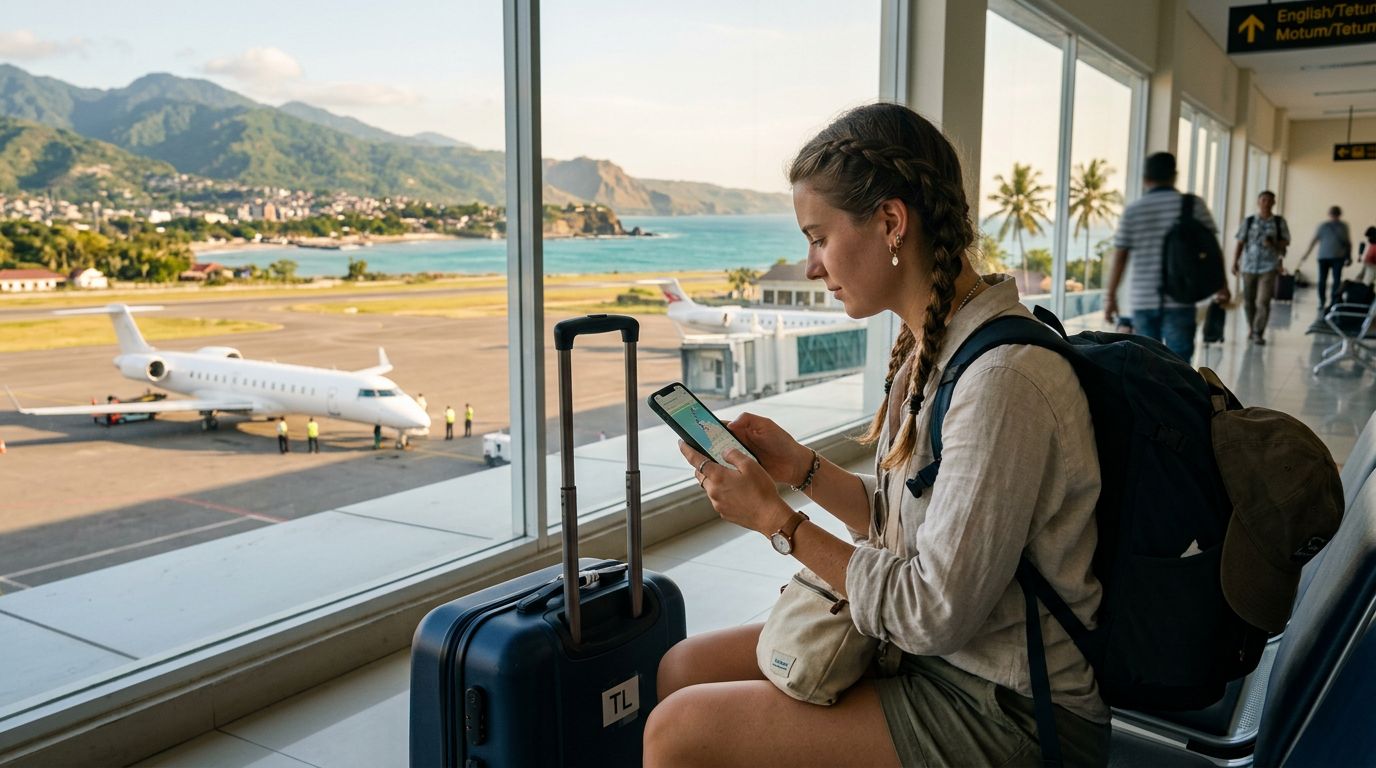
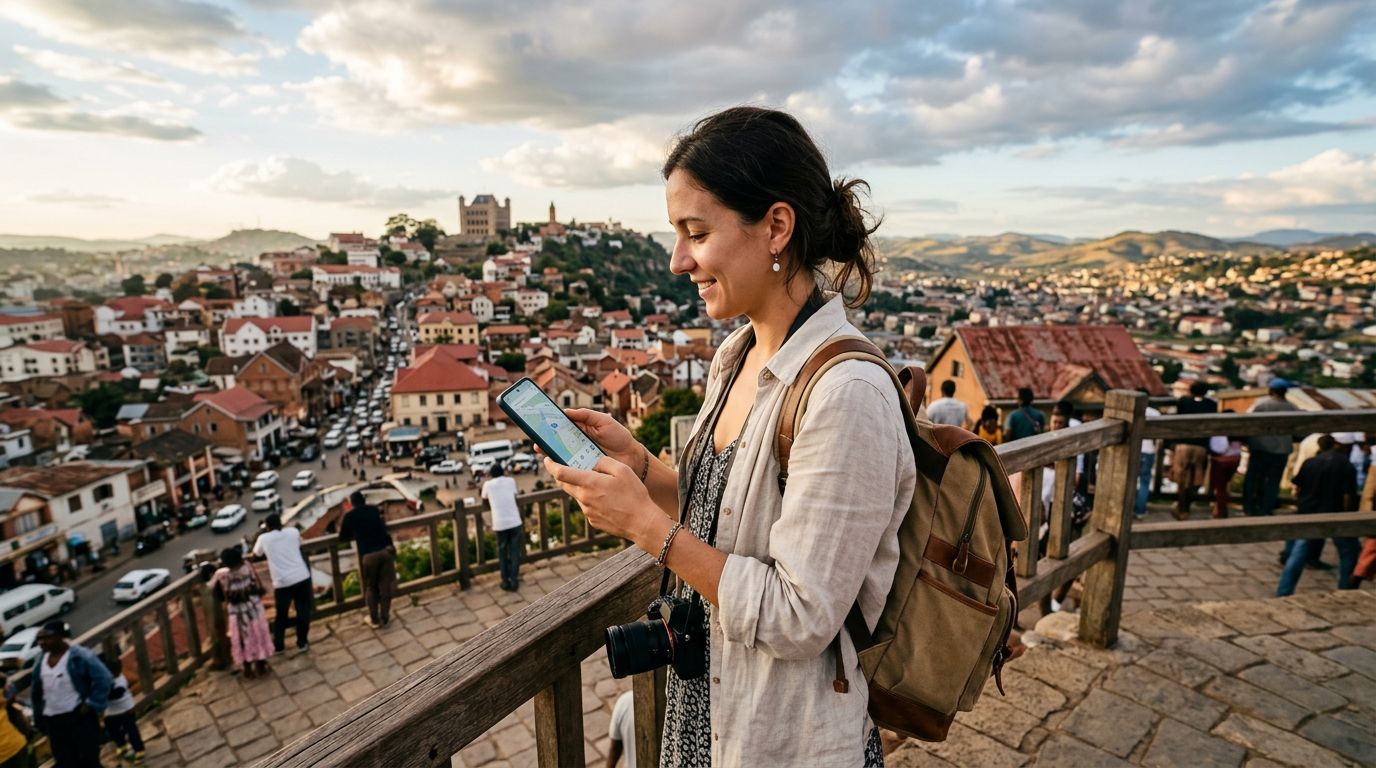
The convenience factor is the most significant benefit. With an eSIM, you can install your plan via a QR code or a manual activation code provided by your service provider. This can be done from the comfort of your home or hotel. Once you land in Madagascar, your phone automatically switches to the local network, providing you with data connectivity as soon as you step off the plane. This is particularly helpful for arranging transport, looking up maps, or contacting your accommodation immediately upon arrival.
Another major benefit is security. Because you never have to remove your primary SIM card, the risk of losing it is eliminated. You also avoid the need to handle small, fragile pieces of plastic that are easily dropped or damaged. For those who travel frequently, an eSIM profile can be stored on your device and toggled on or off as needed, making it a sustainable and efficient way to manage your mobile data.
Making the Final Decision for Your Madagascar Trip
When deciding between a Madagascar SIM card vs eSIM, consider the duration of your trip and your technical setup. If you have a modern smartphone that supports eSIM technology, it is almost always the more convenient choice. It removes the stress of finding a shop, dealing with language barriers, and managing physical hardware.
To determine if your device is compatible, check your phone’s settings to see if it supports eSIM functionality. Most flagship devices released in the last few years are fully compatible. If you opt for an eSIM, ensure that your device is not network-locked by your home carrier, as this remains a requirement for any international SIM usage.
If you are a casual traveler who values time and simplicity, the eSIM experience offered by providers like OneTapSIM is designed to keep you connected without the friction of traditional methods. You get the benefit of a local data connection without the need to sacrifice your home number or spend your first hours in Madagascar waiting in line at a kiosk.
Ultimately, the goal of your trip to Madagascar is to experience the incredible landscapes and wildlife, not to spend your time troubleshooting mobile network settings. By preparing your connectivity solution in advance, you can focus on the journey ahead. Whether you choose the traditional route or the digital convenience of an eSIM, having a reliable plan ensures that you can navigate the island with confidence, keep in touch with loved ones, and document your memories as they happen. If you decide that the ease of digital activation is right for you, exploring the options available through OneTapSIM can provide a seamless start to your Malagasy adventure.
Get an eSIM for
Plans for the destinations covered in this guide, with instant QR delivery.