Comparing Physical SIM Cards and eSIMs for Your Jordan Adventure
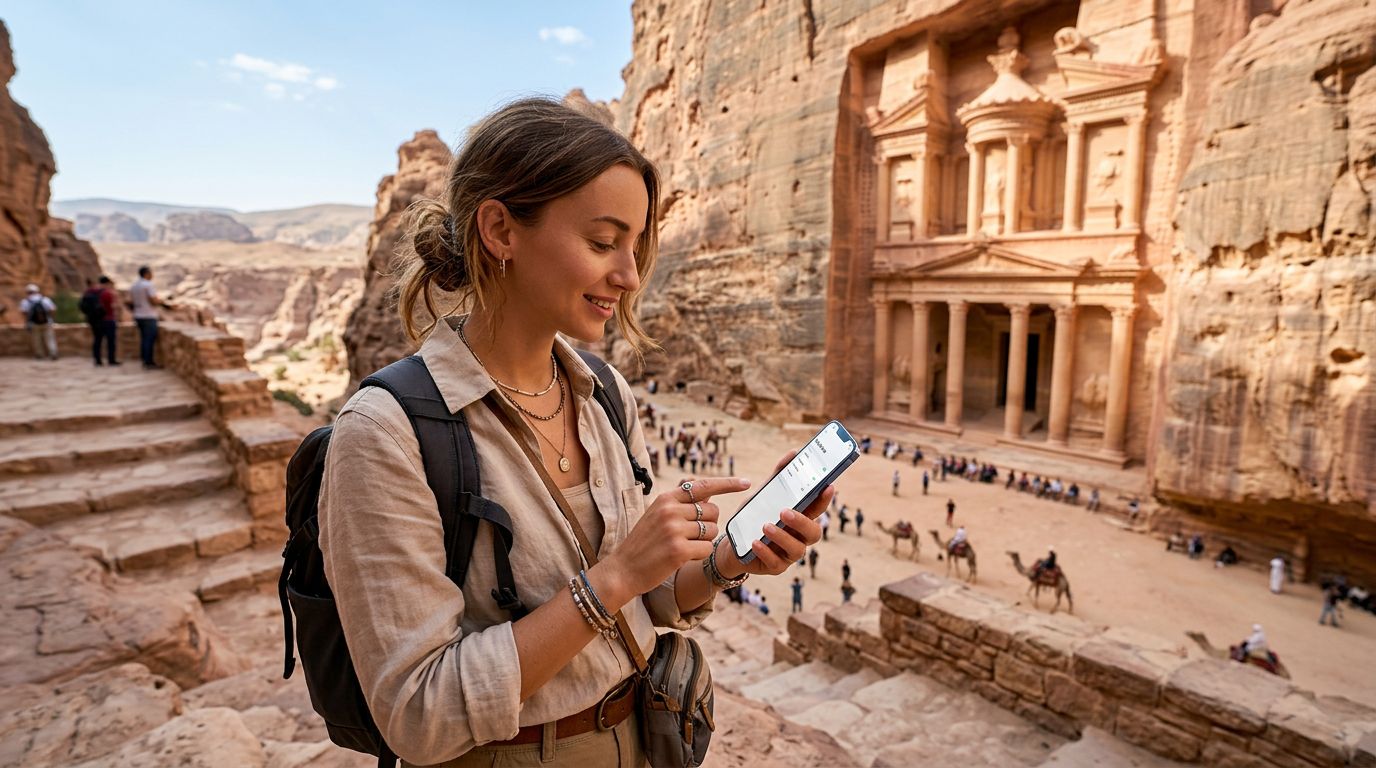
Planning a trip to Jordan involves more than just booking flights and hotels; you need a reliable way to stay connected while exploring the ancient ruins of Petra, the vast landscapes of Wadi Rum, or the vibrant streets of Amman. For many travelers, the primary question is whether to stick with a traditional physical SIM card or switch to an eSIM. Understanding the differences between these two options is essential for a stress-free experience.
A physical SIM card is the standard plastic chip that has been the go-to for mobile connectivity for decades. To use one in Jordan, you typically visit a local mobile operator’s store, provide your passport for registration, and insert the card into your phone. It is a proven method, but it comes with logistical hurdles. You must find a store, wait in line, and physically swap out your home SIM card, which creates a risk of losing your original chip.
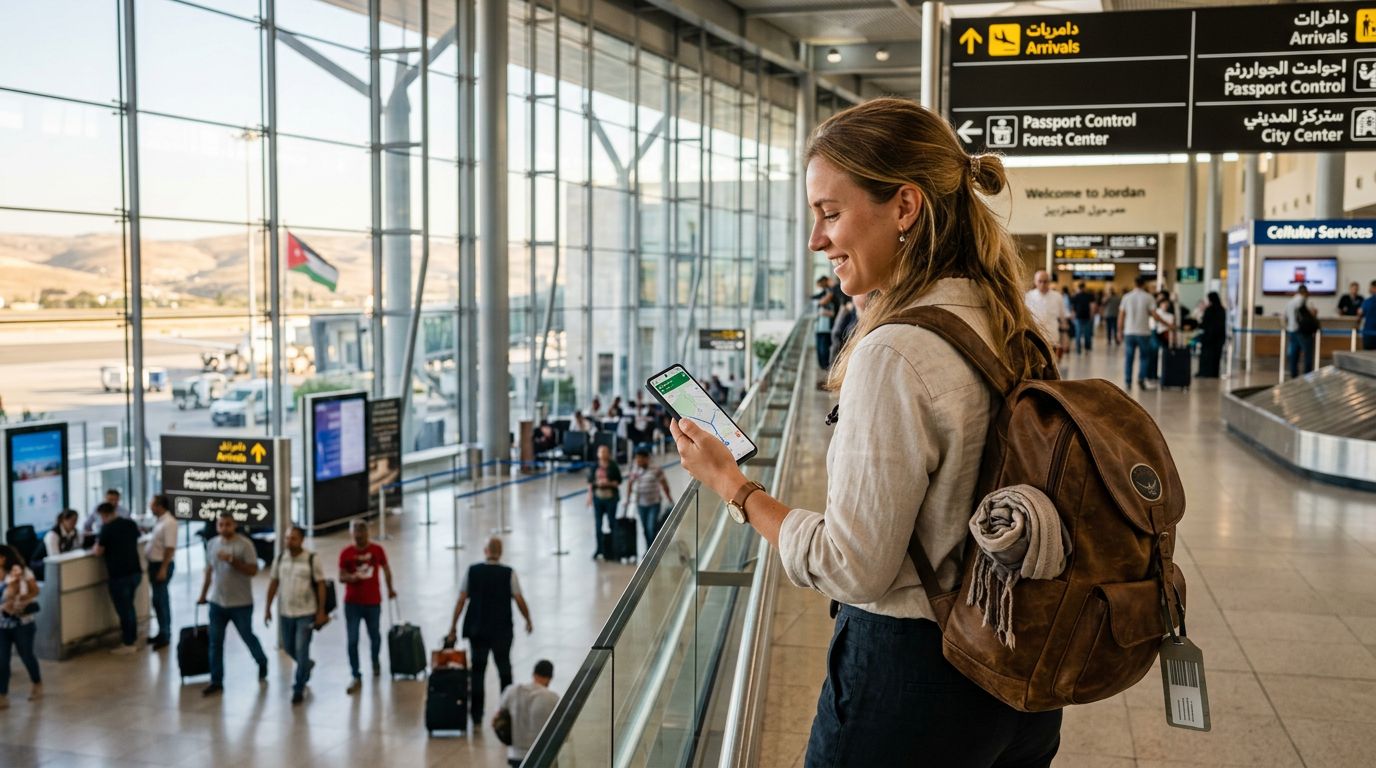
An eSIM, or embedded SIM, is a digital version of that same technology. It is built directly into the hardware of modern smartphones. Instead of visiting a physical shop, you simply download a profile to your device. This allows you to activate your service before you even board your plane. For travelers, the convenience of having a connection ready the moment the wheels touch down in Queen Alia International Airport is a significant advantage.
The Practical Advantages of Choosing an eSIM
When comparing a Jordan SIM card vs eSIM, the most immediate benefit of the eSIM is the elimination of physical friction. With a traditional SIM, you are often at the mercy of local store hours and language barriers. If your flight arrives late at night or you land on a public holiday, you might find yourself without connectivity until the next business day. An eSIM removes this uncertainty entirely.
Furthermore, an eSIM allows you to keep your home number active alongside your travel data. Many modern smartphones support dual-SIM functionality, meaning you can keep your primary SIM for receiving important SMS messages or calls from home while using your eSIM for high-speed data. This is particularly useful for travelers who need to maintain access to banking apps or two-factor authentication services that rely on their home phone number.
Security is another factor that often goes overlooked. Physical SIM cards can be damaged, lost, or stolen. If you lose your home SIM card, replacing it can be a complicated process involving your home carrier. With an eSIM, your data plan is tied to your device’s digital profile. There is no physical object to drop in the sand of the desert or leave behind in a hotel room. If you choose a provider like OneTapSIM, the setup process is streamlined to ensure you are connected without needing to handle tiny plastic cards or tools to open your SIM tray.
Factors to Consider Before Your Trip
Before deciding on your connectivity path, you must ensure your device is compatible. While most flagship phones released in the last few years support eSIM technology, it is always wise to check your device settings or the manufacturer’s support pages to confirm. If your phone is carrier-locked, you may be unable to use an eSIM from a third-party provider, so verifying the status of your handset with your home network provider is a crucial step.
Coverage is another vital consideration. Jordan has well-developed mobile infrastructure, with major providers offering strong 4G and LTE signals in urban centers and popular tourist destinations. Whether you choose a local physical SIM or an eSIM, the underlying network quality will generally be similar. The difference lies in the management of that connection. With a physical SIM, you are often locked into a single local provider’s specific terms and store-based activation process. With an eSIM, you have the flexibility to manage your data usage through a digital interface, making it easier to track your consumption and ensure you stay connected throughout your journey.
Finally, consider the duration and nature of your trip. If you are a light user who only needs data for occasional navigation and messaging, an eSIM offers a level of simplicity that is hard to beat. You can purchase and install your plan while sitting at home, avoiding the need to hunt for a vendor after a long flight. If you anticipate needing extensive local calling minutes or specific local services that might require a local phone number, a physical SIM from a local provider might still be an option to investigate, though many travelers find that data-centric eSIM plans combined with messaging apps like WhatsApp or Telegram cover all their communication needs perfectly.
Ultimately, the choice comes down to your personal preference for convenience versus tradition. By opting for an eSIM, you trade the manual labor of store visits and physical card swapping for a seamless, digital-first experience. As you prepare for your Jordanian itinerary, prioritizing a reliable, easy-to-activate connection will allow you to focus on the history and beauty of the country rather than the logistics of your mobile service. Whether you are trekking through the Siq or relaxing by the Dead Sea, having your connectivity sorted before you arrive ensures your trip remains focused on discovery.
Get an eSIM for
Plans for the destinations covered in this guide, with instant QR delivery.