Understanding Your Connectivity Options in Italy
Planning a trip to Italy involves balancing historical sightseeing, culinary exploration, and the logistics of staying connected. When you arrive in Rome, Florence, or Venice, having reliable mobile data is essential for using maps, translating menus, and sharing your travel experiences. The debate between a traditional physical Italy SIM card vs eSIM is one that every modern traveler faces before boarding their flight.
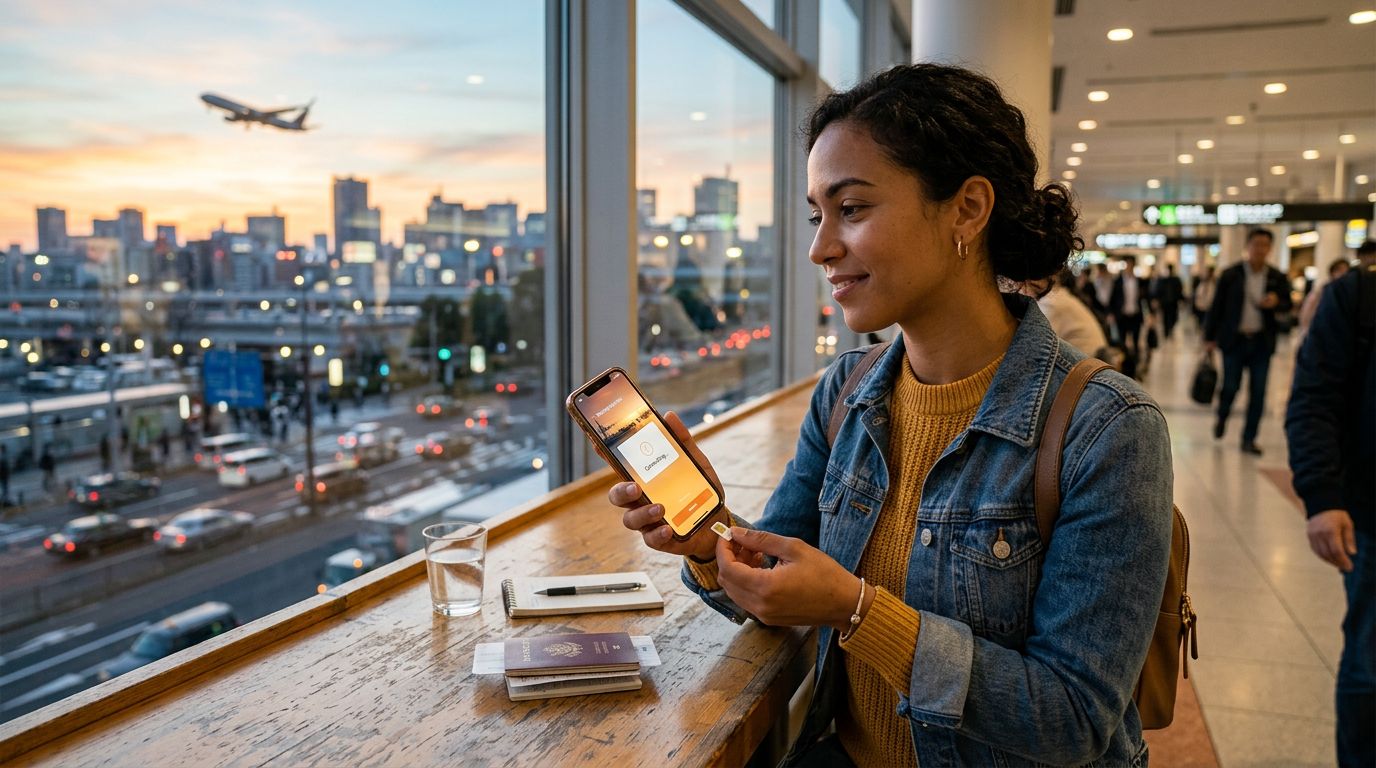
A physical SIM card has been the industry standard for decades. It involves purchasing a small plastic chip from a local provider, inserting it into your phone’s SIM tray, and configuring the network settings. This method is familiar and reliable, but it comes with several logistical hurdles. You must find a kiosk, often after a long flight, provide your passport for registration, and physically swap out your home SIM card. Losing that tiny piece of plastic while traveling can be a significant headache, as it is your link to your home bank accounts and two-factor authentication services.
In contrast, an eSIM—or embedded SIM—is a digital alternative. It is a piece of technology built directly into the hardware of modern smartphones. Instead of swapping a physical chip, you simply scan a QR code or tap a link to download a profile that connects your device to a local network. This transition has changed how travelers manage data, allowing for a seamless experience that begins the moment the plane touches the runway.
The Practical Differences Between Physical SIMs and eSIMs
When comparing an Italy SIM card vs eSIM, the primary difference lies in convenience and device management. A physical SIM card requires you to physically open your device, which carries the risk of dropping or losing your original SIM card. Furthermore, many travelers find that local Italian mobile shops have limited operating hours, long queues, or language barriers that make the setup process frustrating.
An eSIM removes these friction points. With a service like OneTapSIM, you can purchase and install your data plan before you even leave your house. Once you land in Italy, your device automatically connects to a local network. This means you do not have to waste precious vacation time standing in line at an airport kiosk or searching for a mobile provider shop in a city center.
Another major advantage of the eSIM is the ability to manage multiple lines. Many modern smartphones allow you to keep your home SIM card active for incoming calls or SMS while using an eSIM for data. This is crucial for travelers who need to receive important banking alerts or work-related messages from home while simultaneously relying on a local Italian network for high-speed internet. With a physical SIM, you are often forced to choose between your home connection and your travel connection, unless your phone supports dual physical SIM slots, which is increasingly rare.
Making the Right Choice for Your Italian Adventure
Choosing between a physical Italy SIM card vs eSIM ultimately comes down to your device compatibility and your personal preference for digital versus physical solutions. Before deciding, you should verify if your phone is carrier-unlocked. If your device is locked to your home provider, you may be unable to use any alternative SIM or eSIM, which would necessitate contacting your home carrier to request an unlock before your trip.
For those with eSIM-compatible devices, the digital route is almost universally superior. It is more environmentally friendly, more secure, and significantly more efficient. The setup process is straightforward, and the flexibility of being able to add more data on the fly via an app or website provides peace of mind. If you encounter any technical issues, digital support teams are often available to help you troubleshoot your settings remotely, which is much easier than trying to explain a hardware issue to a clerk in a busy Italian shop.
OneTapSIM offers a streamlined way to handle this process. By focusing on a user-friendly interface and reliable network coverage, it ensures that your focus remains on the Colosseum or the canals of Venice rather than your smartphone settings. If you are someone who values efficiency and wants to hit the ground running, the eSIM is the clear winner for your Italian getaway.
However, if you are traveling with an older device that does not support eSIM technology, you will need to rely on a physical SIM card. In this case, it is advisable to research reputable carriers in Italy beforehand and look for locations that are well-reviewed by other travelers. Always carry a small tool to open your SIM tray and a secure container to store your home SIM card so that it remains safe until you return home.
Regardless of which option you choose, the goal is to ensure you have consistent access to the digital tools that make travel easier. Whether it is navigating the winding streets of a hillside village or booking a last-minute ticket to a museum, having a reliable data connection is the backbone of a successful trip. By weighing the convenience of the eSIM against the traditional nature of the physical SIM, you can select the solution that best fits your travel style and technical requirements. With your connectivity sorted, you can focus on enjoying the art, history, and culture that make Italy a world-class destination.
Get an eSIM for
Plans for the destinations covered in this guide, with instant QR delivery.