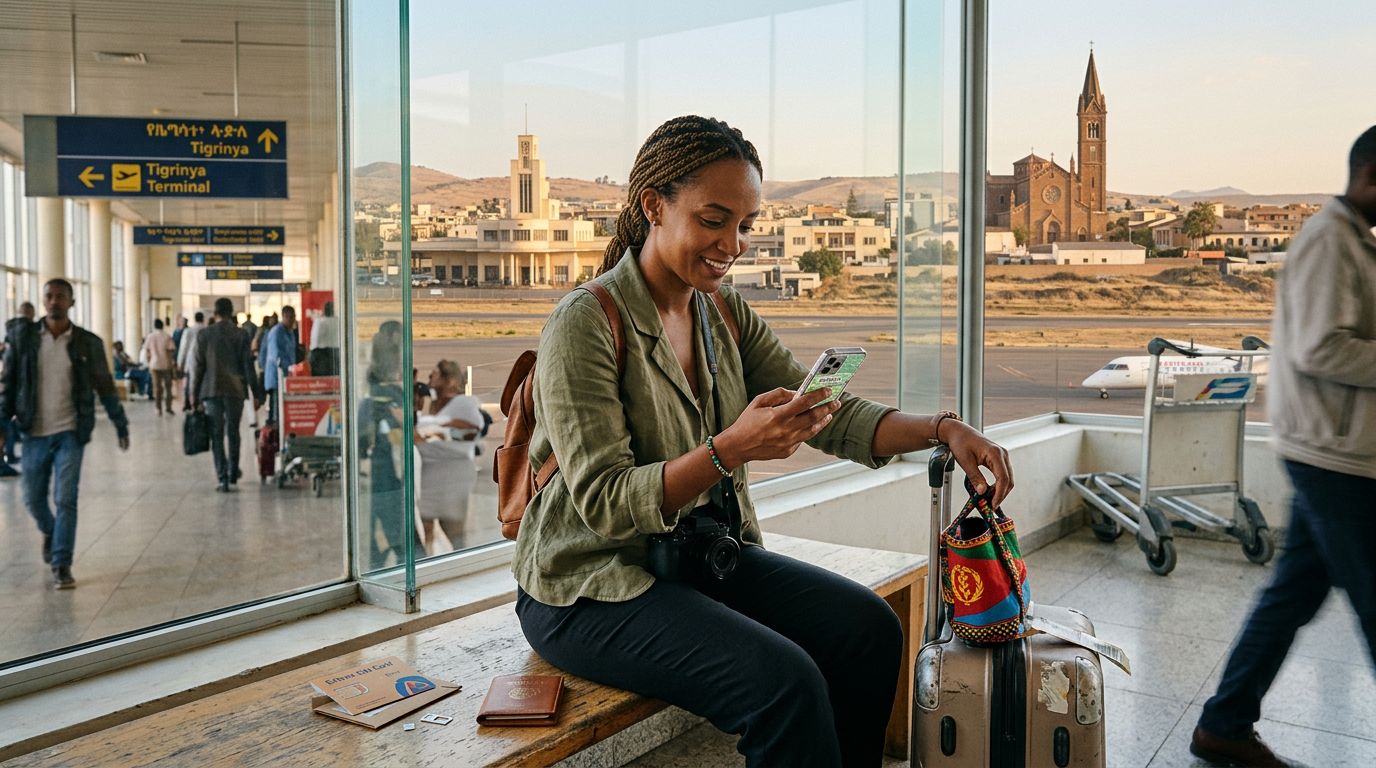
Understanding Connectivity Options in Eritrea
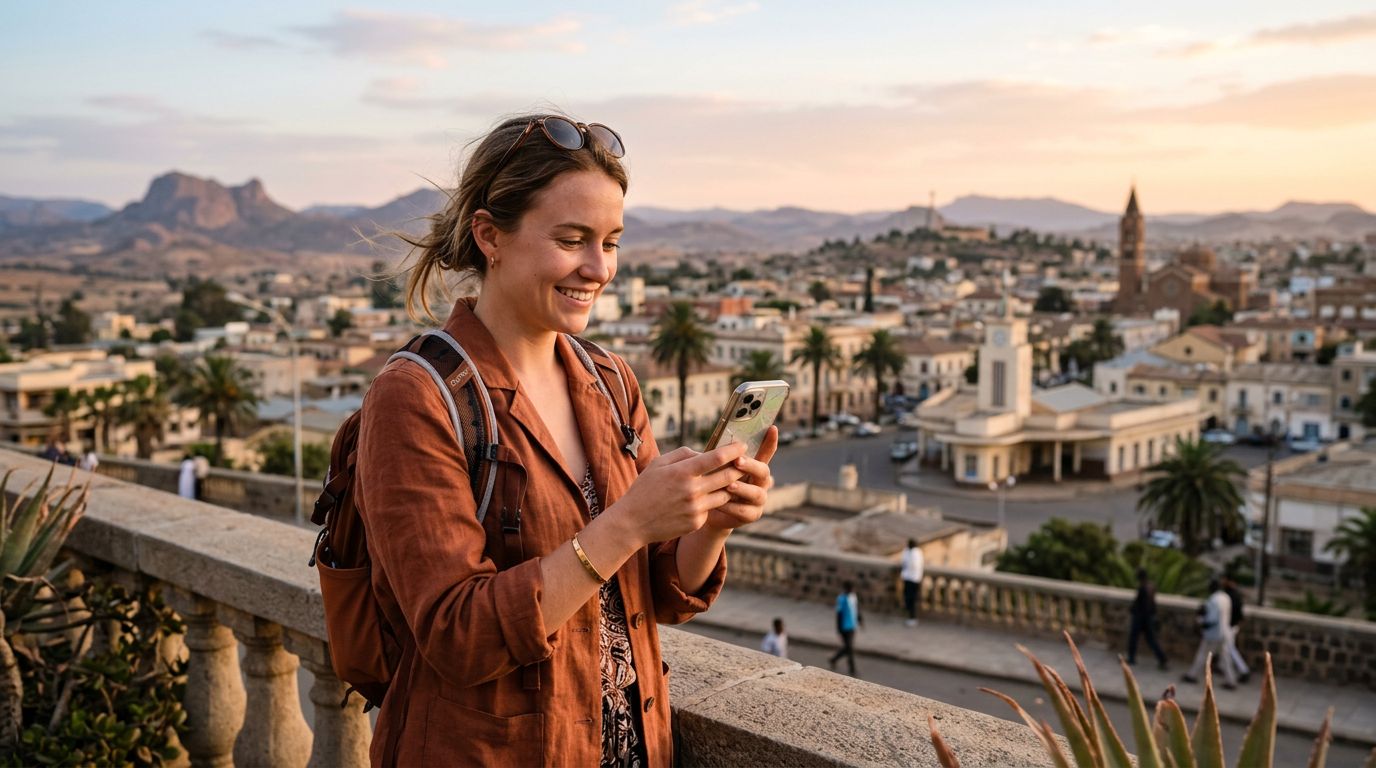
Traveling to Eritrea offers a unique experience, from the modernist architecture of Asmara to the stunning coastline of the Red Sea. However, staying connected while exploring this region requires a bit of preparation. When you arrive, you are generally faced with two primary choices: purchasing a physical local SIM card or opting for a digital eSIM. Understanding the differences between these two is essential for ensuring you remain reachable without unnecessary stress.
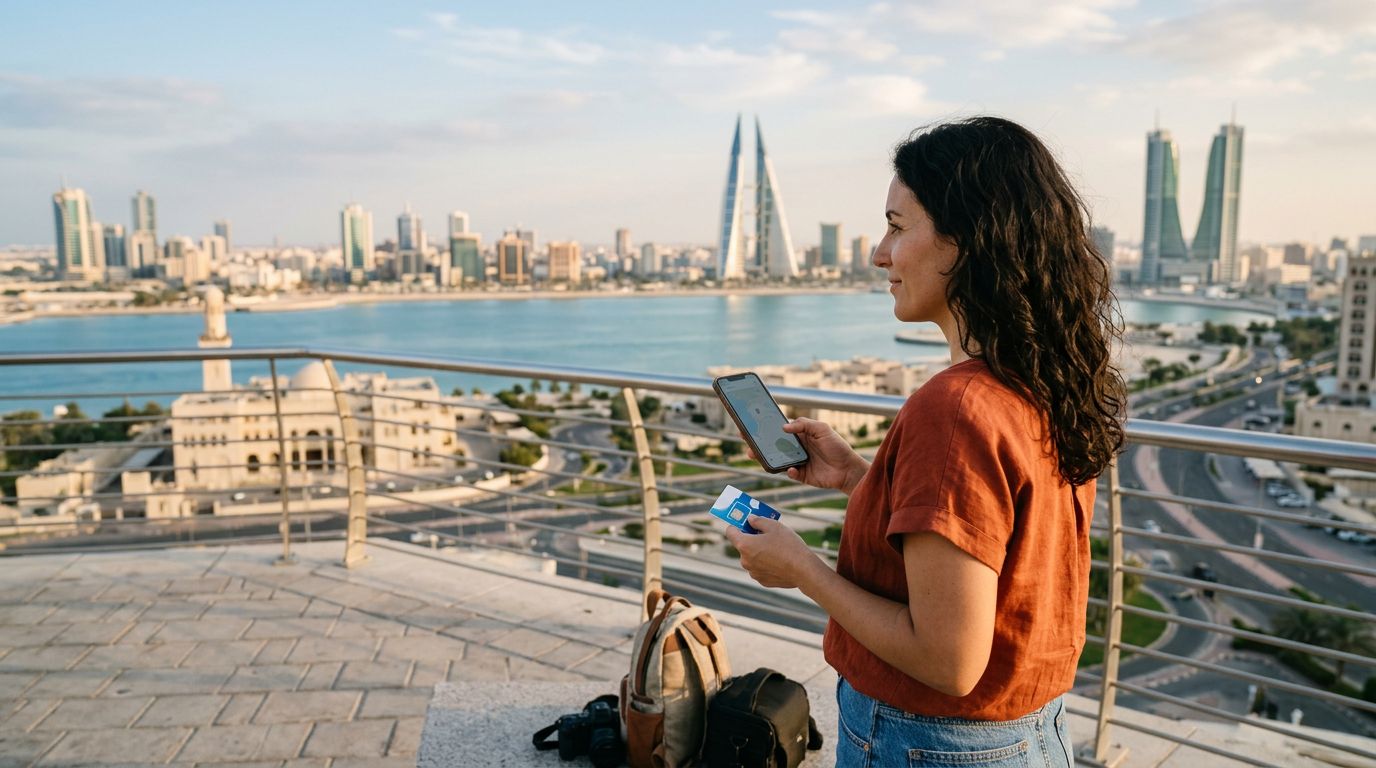
A physical SIM card is the traditional method most travelers are familiar with. It involves visiting a local provider’s office, presenting your identification, and inserting a small plastic chip into your phone. In contrast, an eSIM is a virtual version of that chip. It is embedded directly into the hardware of modern smartphones, allowing you to download a connectivity profile over a Wi-Fi connection.
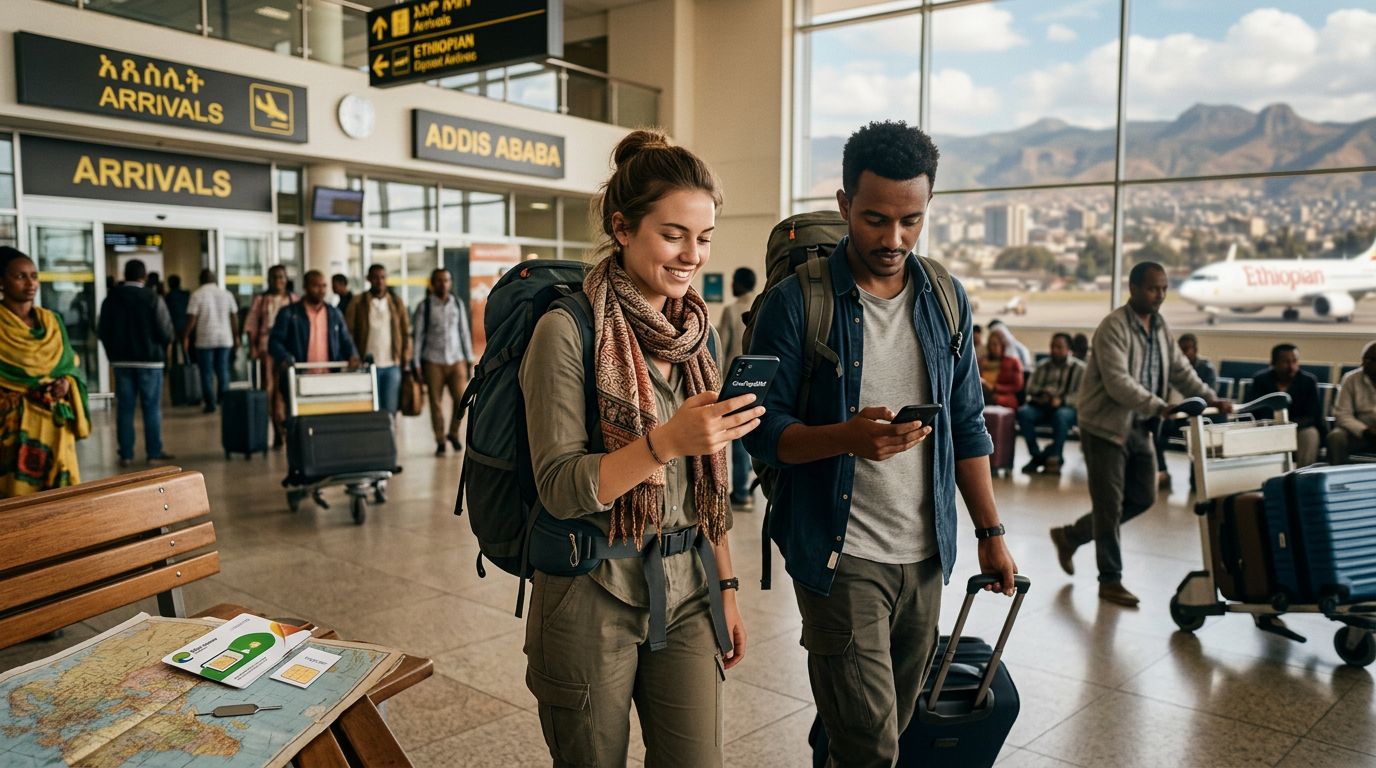
The debate regarding Eritrea SIM card vs eSIM often centers on convenience versus availability. Because Eritrea has a specific telecommunications infrastructure, the process of acquiring a local physical SIM can sometimes involve long queues and language barriers. An eSIM, on the other hand, can be prepared before you even board your flight. By choosing a provider like OneTapSIM, you can manage your connectivity requirements digitally, which is particularly useful if you are moving between multiple countries or simply want to avoid the hassle of finding a local store upon arrival.
The Practical Differences Between Physical SIMs and eSIMs
When evaluating your options, consider the physical logistics of your device. A traditional SIM card requires you to open your phone’s SIM tray, remove your home card, and store it safely. If you lose your home SIM card during this process, you may face significant difficulties when you return home. Furthermore, physical cards are susceptible to damage, moisture, and wear.
An eSIM eliminates these risks entirely. Because the technology is integrated into your device, you do not need to handle small, fragile plastic components. Most modern smartphones allow you to store multiple eSIM profiles simultaneously. This means you can keep your home number active for essential calls or texts while using a secondary data-only profile for your internet needs in Eritrea.
Another factor to consider is the activation process. To get a local Eritrean SIM card, you must physically visit a service point. This consumes valuable time that could otherwise be spent exploring. With an eSIM, the activation process is handled via a QR code or an application. Once you land, your device connects to the local network automatically. This seamless transition is a major advantage for travelers who value efficiency and want to avoid the administrative hurdles often associated with local documentation requirements in international territories.
Making the Right Choice for Your Trip
Deciding between a physical SIM and an eSIM depends largely on your device compatibility and your personal travel style. First and foremost, you must ensure your phone is carrier-unlocked. If your device is locked to a specific network provider in your home country, it will not accept a local SIM card or an eSIM from a third-party provider. You can verify your device's capabilities through the official support pages for Apple or Google.
If you are a frequent traveler, the flexibility of an eSIM is hard to beat. It allows you to switch between different data packages without visiting a shop in every country you visit. For those who prefer to keep things simple and are staying in Eritrea for an extended period, a local physical SIM might offer more robust options for long-term usage. However, for the average tourist or business traveler, the digital convenience offered by platforms like OneTapSIM provides a superior user experience.
Security is another consideration. Physical SIM cards can be stolen or compromised if your phone is lost. While a lost phone is always a problem, an eSIM profile is tied to your device’s unique hardware identity. Furthermore, because you do not need to swap cards, you reduce the risk of damaging your phone’s internal components or the SIM tray mechanism.
Ultimately, the choice comes down to your priorities. If you want to arrive in Eritrea with your data plan already active and ready to go, an eSIM is the logical choice. It removes the need to find a kiosk, wait in line, or navigate the complexities of local registration procedures. By preparing your digital profile in advance, you can focus on the sights and sounds of your destination rather than worrying about your mobile connectivity. Whether you are navigating the streets of Asmara or heading toward the Dahlak Archipelago, having a reliable and pre-configured data solution ensures that you can use maps, translation tools, and communication apps without interruption.
Before your departure, check your device settings to confirm that it supports eSIM functionality. If it does, you can explore the various data plans available through OneTapSIM to find a package that suits your usage patterns. By opting for a digital solution, you embrace a more modern, efficient, and reliable way to stay connected while traveling abroad. This approach not only saves you time but also provides peace of mind, allowing you to enjoy your journey to Eritrea to the fullest. Always ensure your software is updated to the latest version to maintain compatibility with the latest network protocols, ensuring a smooth and trouble-free experience from the moment you touch down.