Understanding eSIM Technology in Panama
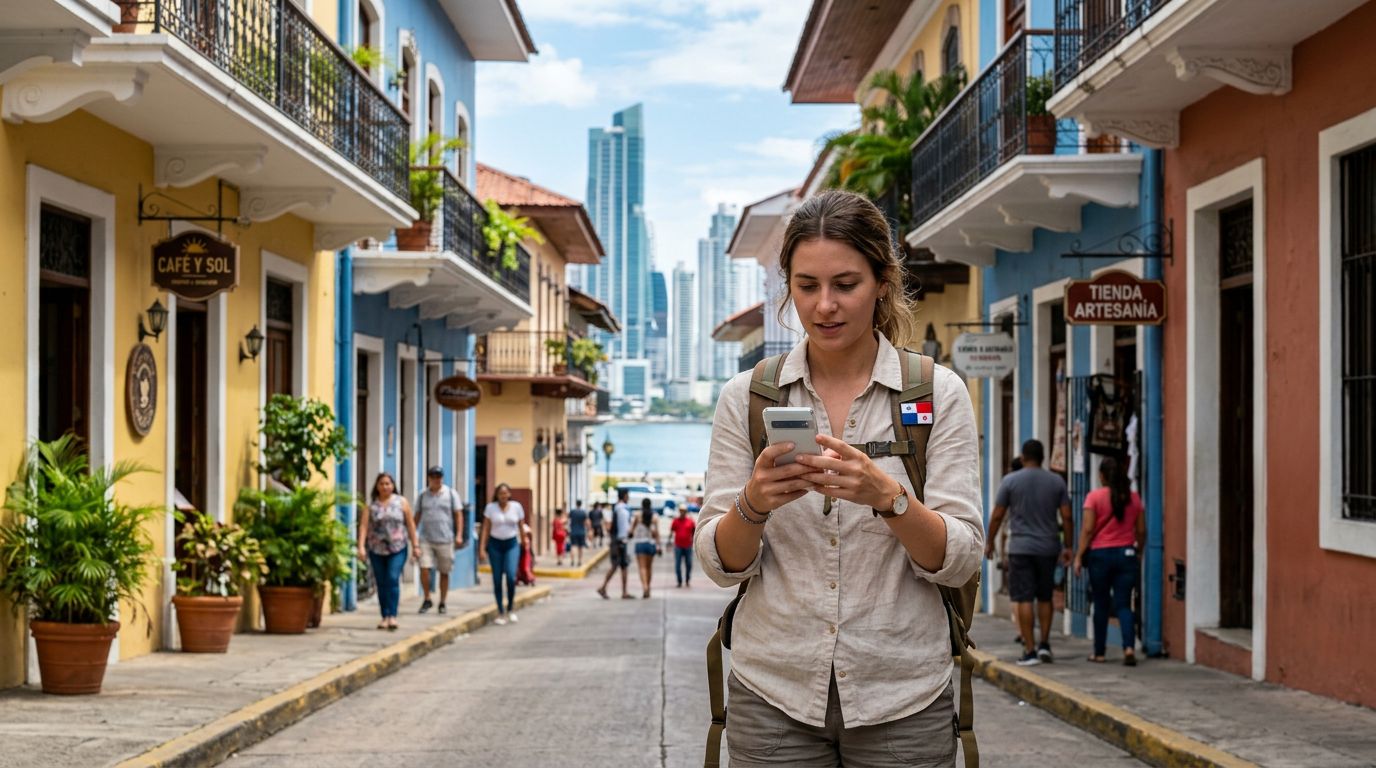
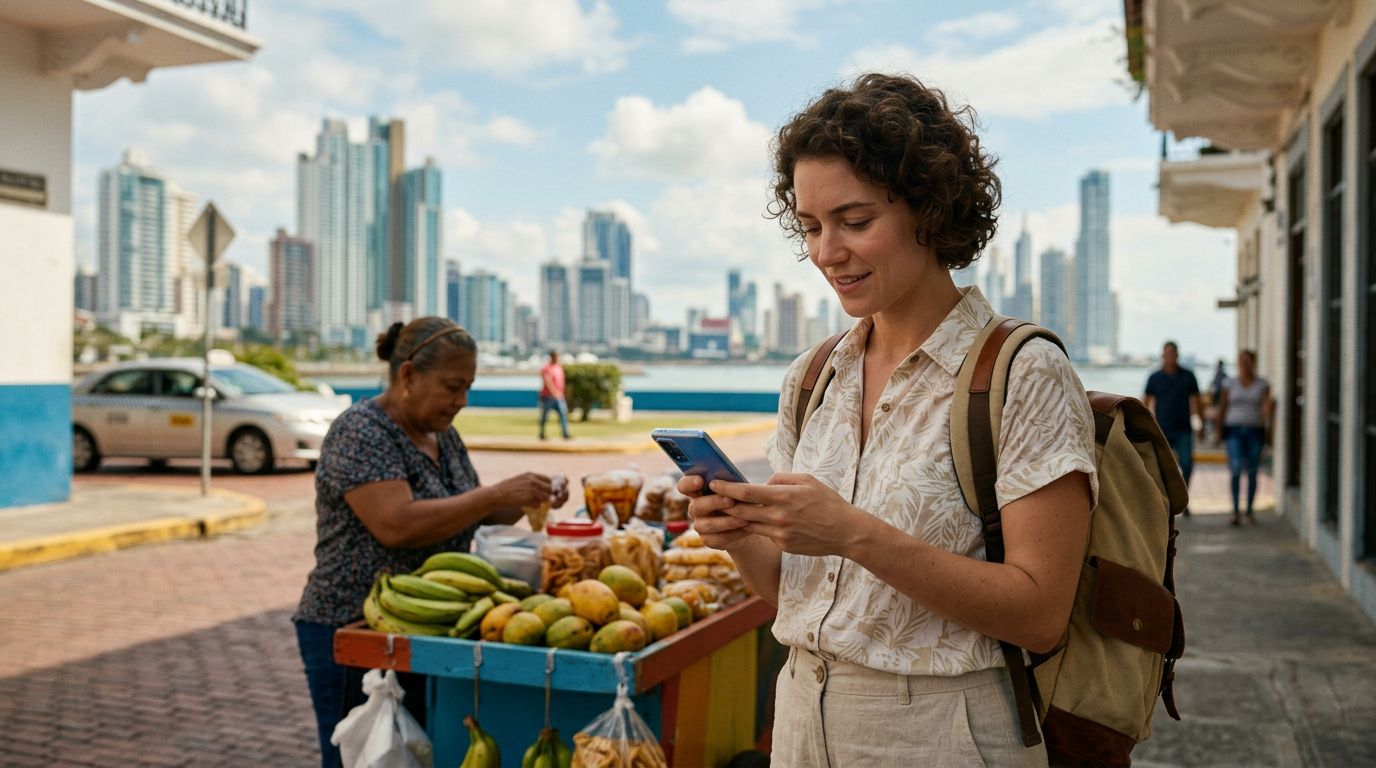
Travelers planning a trip to Panama often prioritize connectivity to navigate the vibrant streets of Panama City, find remote beaches in Bocas del Toro, or manage logistics while traversing the Panama Canal. A common question arises: does eSIM work in Panama? The answer is a resounding yes. eSIM technology has become the standard for modern international travel, allowing visitors to bypass the physical constraints of traditional plastic SIM cards.
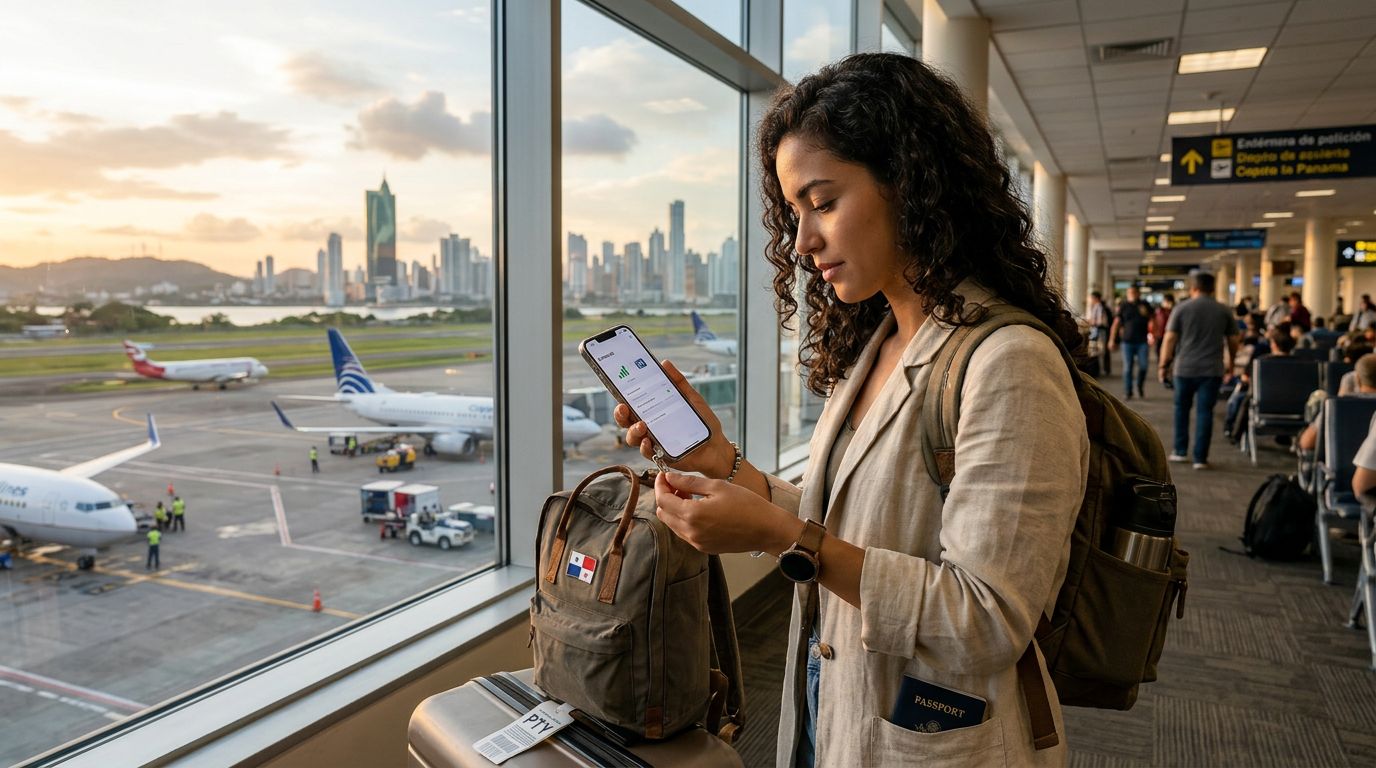
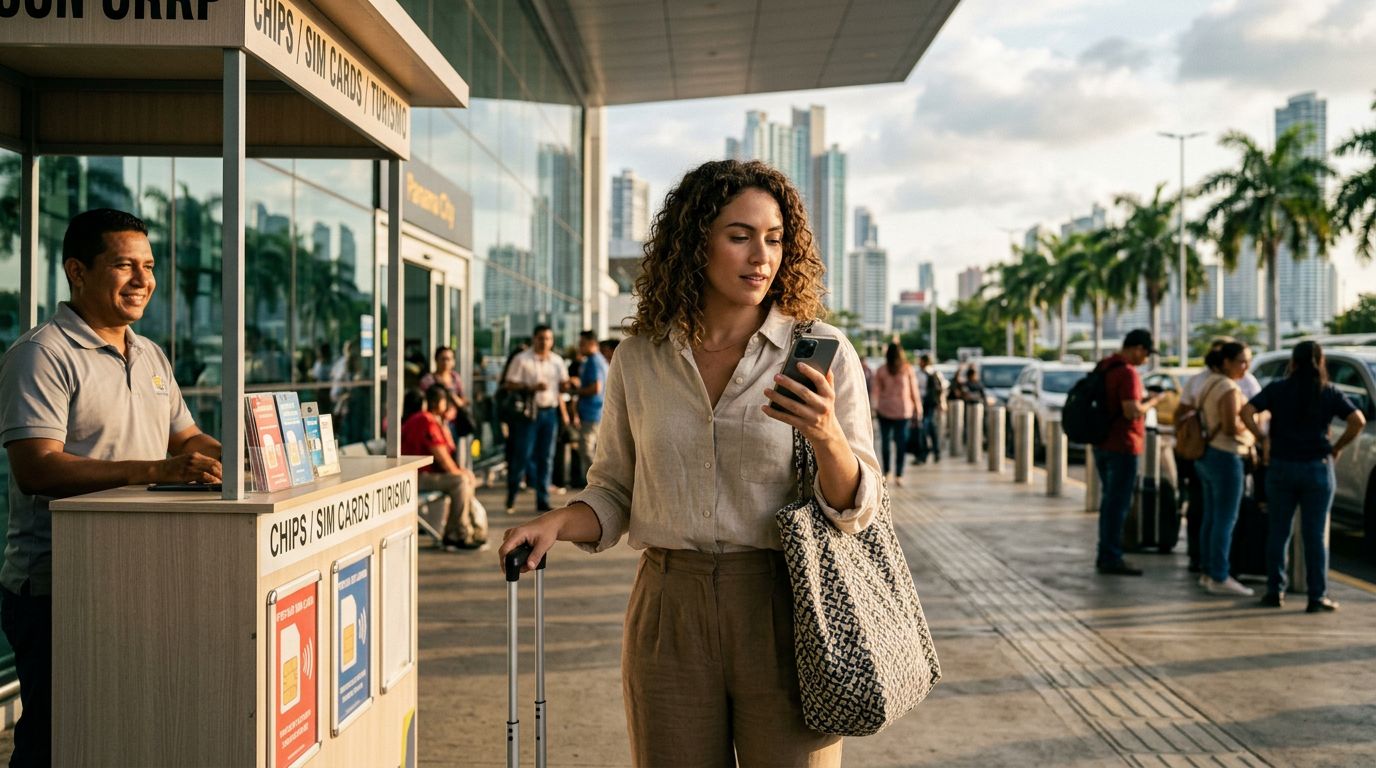
An eSIM, or embedded SIM, is a digital version of the standard SIM card. Instead of inserting a small piece of plastic into your phone, you download a data profile that allows your device to connect to local cellular networks. Because this process is entirely digital, you can set up your connection before you even board your flight. This eliminates the need to hunt for a kiosk at Tocumen International Airport or deal with the language barriers often associated with purchasing local prepaid cards.
Panama’s telecommunications infrastructure has modernized significantly, supporting the advanced network requirements of eSIMs. Most major local carriers provide robust coverage across the country, particularly in urban centers and popular tourist destinations. By using a service like OneTapSIM, you can ensure your device is ready to connect the moment you land, providing a seamless transition from your home network to the local Panamanian infrastructure.
Why Choose an eSIM for Your Panamanian Adventure
Choosing an eSIM offers several distinct advantages over traditional roaming or physical SIM cards. The primary benefit is convenience. When you travel, your time is valuable. Spending your first few hours in a new country searching for a mobile shop or waiting in line to register a physical SIM card is an unnecessary burden. With an eSIM, the setup process is handled through your phone’s settings, often taking only a few minutes.
Another significant advantage is the ability to keep your primary phone number active. Many travelers rely on their home number for two-factor authentication, banking alerts, or urgent calls from home. With an eSIM-capable device, you can keep your primary SIM active for calls and texts while using your eSIM exclusively for data. This dual-SIM functionality ensures you stay reachable while avoiding the exorbitant roaming fees often charged by home carriers for international data usage.
Security is also a factor. Public Wi-Fi networks in cafes, hotels, and airports are notoriously insecure. Relying on these networks to check emails or access sensitive accounts can expose your personal data to malicious actors. By using a dedicated eSIM data plan, you maintain a private, encrypted connection throughout your trip. Whether you are uploading photos of the rainforest or checking your flight status, you can do so with the peace of mind that your data is not being intercepted on an open network.
How to Get Started with Your eSIM
Before you depart, you must ensure your device is compatible. Most smartphones released in the last few years support eSIM technology. You can verify this by checking your device manufacturer's support pages, such as those provided by Apple or Google. Generally, your phone must be carrier-unlocked to accept an eSIM from a third-party provider. If you purchased your phone through a mobile carrier, ensure that your contract allows for international usage or that you have requested an unlock from your provider.
The installation process is straightforward. Once you select a plan from a provider like OneTapSIM, you will receive a QR code or an activation code. On an iPhone, you navigate to your cellular settings and select the option to add an eSIM. You can then scan the provided code, and your phone will automatically configure the necessary network settings. Android devices follow a similar path, typically found within the network or SIM card manager settings.
Once the profile is installed, you should wait until you arrive in Panama to activate the data roaming toggle for that specific eSIM. This prevents any accidental data usage on your home network. Because OneTapSIM provides clear instructions for each step, the technical barrier is minimal. If you encounter any issues, the support documentation provided by your device manufacturer or the eSIM provider is usually sufficient to resolve common configuration errors.
Coverage and Connectivity Across Panama
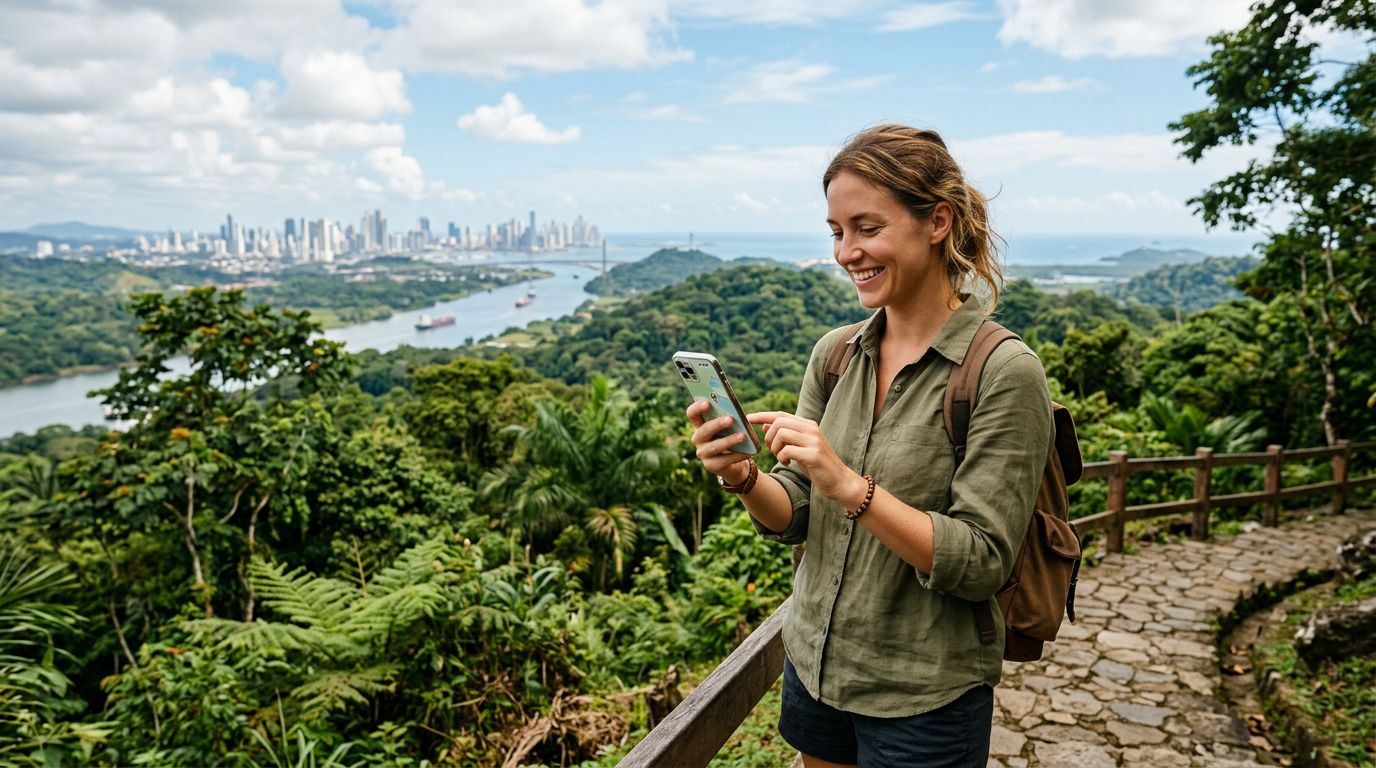
Panama offers diverse terrain, ranging from dense jungles and mountainous highlands to pristine coastal archipelagos. While connectivity is excellent in Panama City and major towns like David or Boquete, it is important to manage expectations regarding remote areas. In the heart of the Darién Gap or on very secluded islands, cellular signals may be weaker or non-existent regardless of the SIM type you use.
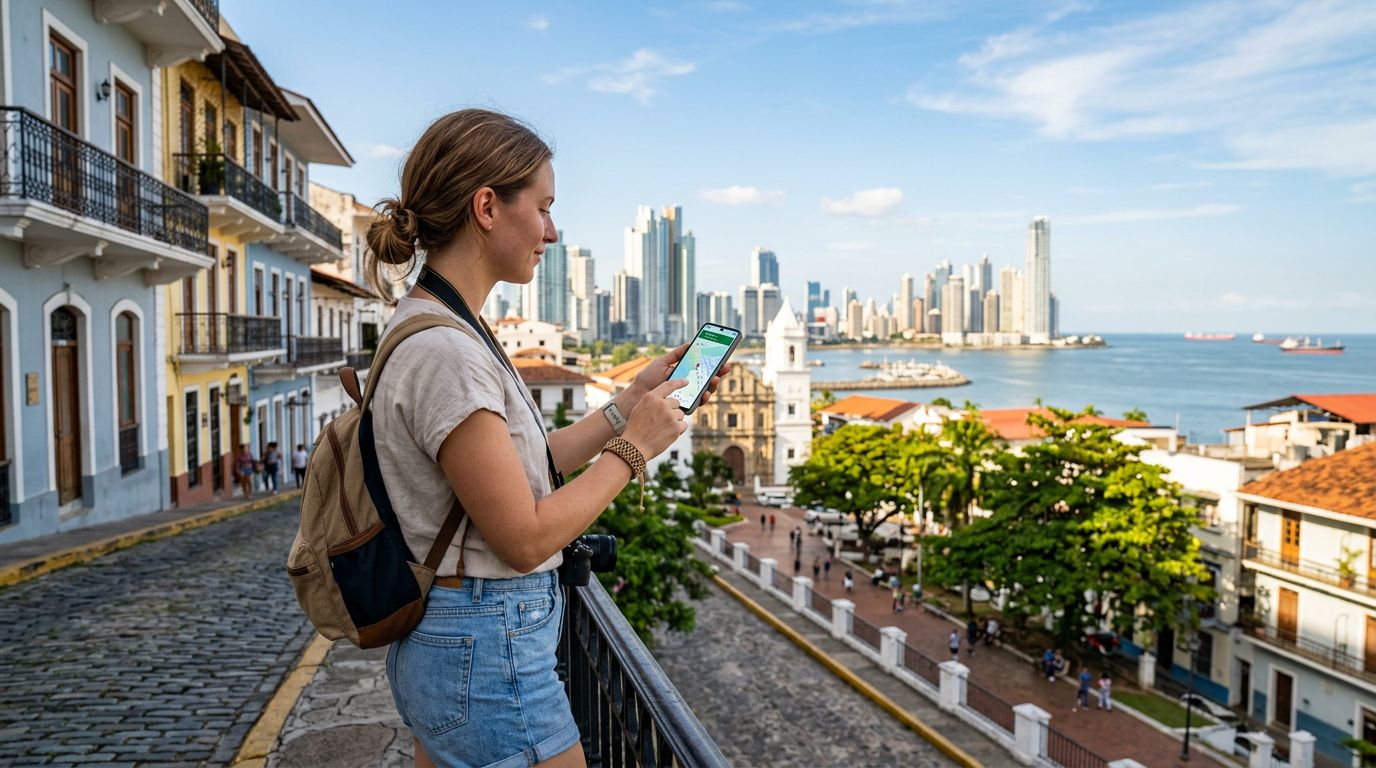
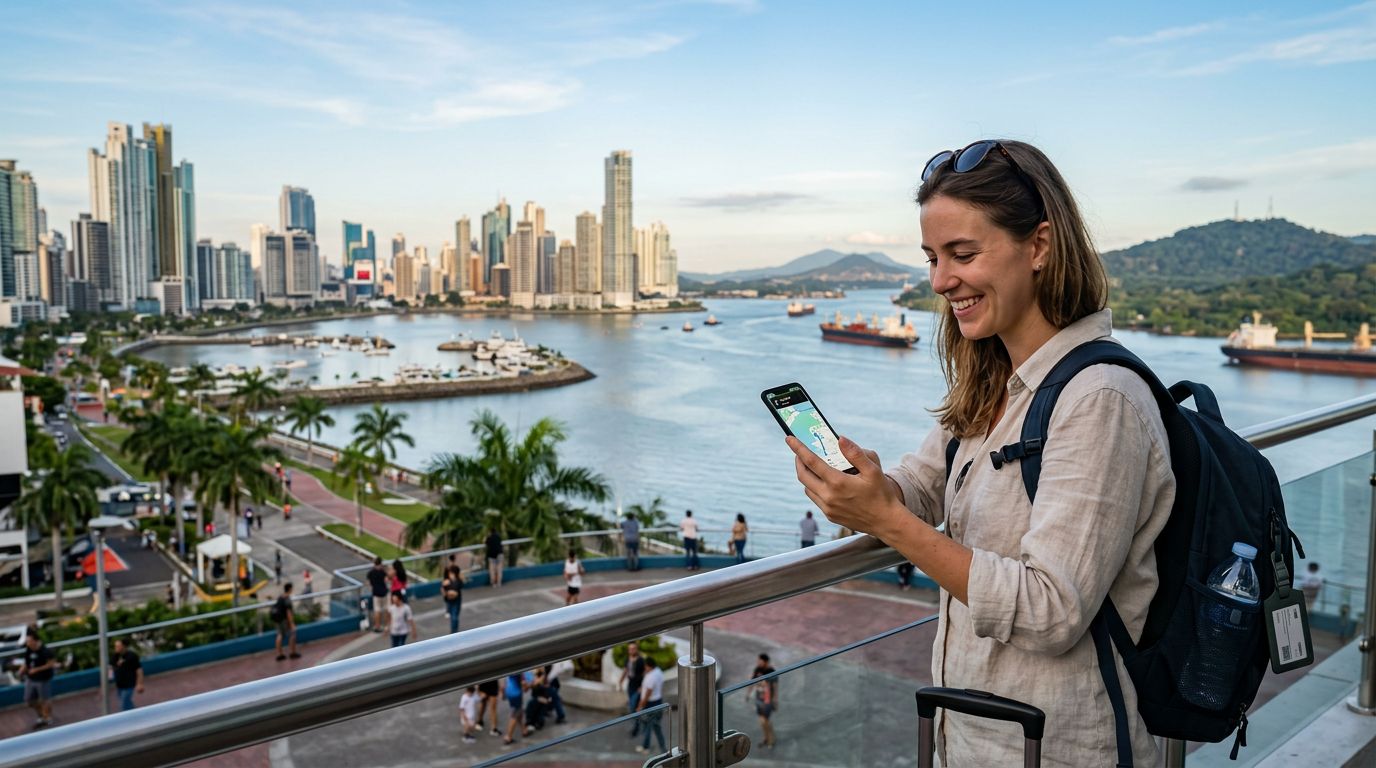
However, for the vast majority of travelers, the coverage provided by local networks is more than adequate. By utilizing an eSIM, you are essentially tapping into the same high-quality infrastructure that locals use. This means you get reliable 4G or 5G speeds where available, allowing you to use GPS navigation, translation apps, and social media without interruption.
To maximize your experience, keep an eye on your data usage through your phone’s built-in tracking tools. While many eSIM plans offer generous data packages, streaming high-definition video or downloading large files can consume your allowance quickly. If you find yourself running low, many providers allow you to top up your data remotely, provided you have a stable Wi-Fi connection.
By preparing your digital connectivity before you arrive, you transform your travel experience. You gain the freedom to explore Panama without the anxiety of being disconnected. Whether you are navigating the historic Casco Viejo or planning a trip to the San Blas Islands, having a reliable data connection via an eSIM ensures that you remain in control of your journey from start to finish.
Get an eSIM for
Plans for the destinations covered in this guide, with instant QR delivery.