Understanding eSIM Technology for New Zealand Travel
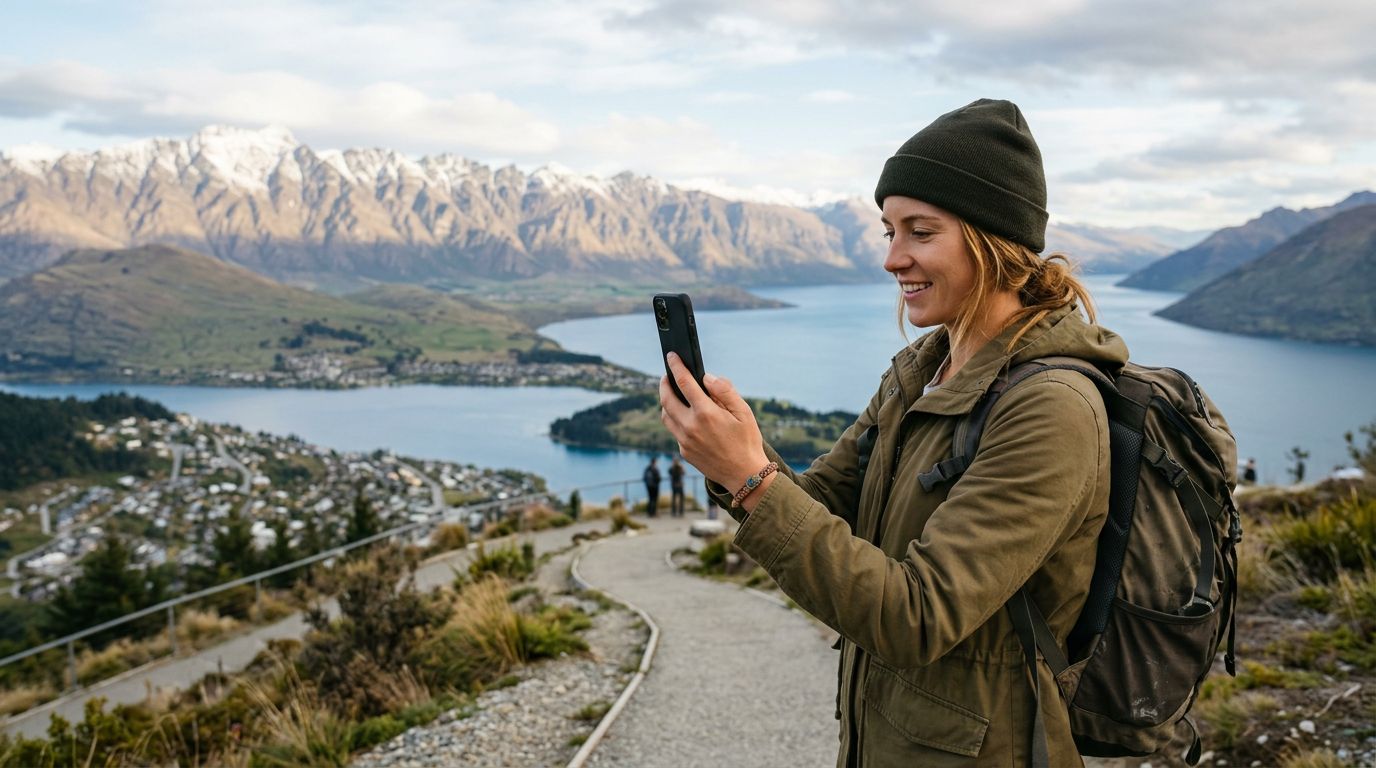
Traveling to New Zealand, a land of sprawling landscapes, rugged mountains, and vibrant cities, requires reliable connectivity. Whether you are navigating the winding roads of the South Island or checking into a boutique hotel in Auckland, having access to the internet is essential for maps, reservations, and sharing your journey. Many travelers ask, "does eSIM work in New Zealand?" The answer is a resounding yes. eSIM technology has become the standard for international travelers, replacing the need for physical plastic cards that are easily lost or damaged.
An eSIM, or embedded SIM, is a digital version of a traditional SIM card. It is built directly into the hardware of modern smartphones. Instead of physically swapping out a tiny chip, you simply download a profile that connects your device to a local mobile network. For international visitors, this means you can activate your data plan before you even touch down at Auckland or Christchurch airport. Because the technology is integrated into your phone, you do not have to worry about finding a local mobile shop or dealing with language barriers when trying to purchase a physical SIM card.
New Zealand’s telecommunications infrastructure is robust, with high-speed 4G and 5G coverage available in most populated areas and tourist hubs. By using an eSIM, you gain access to these local networks without the hassle of roaming fees from your home carrier. This allows you to maintain your primary phone number for calls or texts while using a secondary data-only eSIM for your internet needs, keeping you connected throughout your entire trip.
Compatibility and Device Requirements
Before you decide to use an eSIM for your New Zealand adventure, you must ensure your device is compatible. Most smartphones released within the last few years support eSIM technology. To verify if your phone is ready, you can check the settings menu on your device or consult the manufacturer’s support documentation. Generally, if you have a modern flagship phone from major manufacturers like Apple or Google, you are likely set to go.
One critical requirement is that your phone must be carrier-unlocked. If you purchased your phone through a mobile provider on a contract, it might be locked to their specific network. An unlocked phone allows you to add eSIM profiles from various providers, such as OneTapSIM, without restrictions. If your device is locked, it will not accept the digital profile, and you will be unable to connect to the local New Zealand networks. You can usually check your status by contacting your home mobile provider or looking for an "unlocked" status in your phone's network settings.
Setting up your connection is a straightforward process. Once you have confirmed compatibility, you choose a data plan that suits your travel duration and usage habits. After your purchase, you will receive instructions, usually in the form of a QR code or a manual activation code. You simply navigate to your phone’s cellular settings, select the option to add an eSIM, and scan the code. The process is designed to be user-friendly, allowing you to activate your plan in minutes. Using a service like OneTapSIM ensures that the installation process is streamlined, providing you with clear guidance so you can get online as soon as you land.
Benefits of Using an eSIM Over Traditional Options
When considering how to stay connected in New Zealand, you might compare eSIMs to traditional physical SIM cards or international roaming plans. International roaming is often the most expensive option, as your home carrier charges premium rates for data usage abroad. These costs can accumulate quickly, leaving you with a significant bill upon your return. Physical local SIM cards are a cheaper alternative, but they require you to visit a store, present identification, and manually install a card, which can be inconvenient after a long-haul flight.
The eSIM offers a superior balance of convenience and cost-effectiveness. Because the entire process is digital, you avoid the physical exchange of hardware. You can keep your original SIM card inside your phone, which is useful if you need to receive two-factor authentication codes or urgent calls from back home. By setting your phone to use the eSIM for data while keeping your primary line active for voice, you maintain full control over your communication.
Furthermore, the flexibility of an eSIM allows you to manage your data usage effectively. You can track how much data you have consumed through your phone’s settings, ensuring you do not run out of connectivity while exploring remote regions like Milford Sound or the Southern Alps. If you find yourself using more data than expected, many providers allow for quick, digital top-ups.
New Zealand is a country that rewards exploration, and having a reliable internet connection is vital for safety and convenience. Whether you are booking last-minute tours, checking weather conditions for a hike, or uploading photos of your travels, an eSIM provides the freedom to stay online without the stress of changing hardware. By choosing an eSIM, you are opting for a modern, efficient, and reliable way to experience everything New Zealand has to offer. With OneTapSIM, you can focus on the breathtaking scenery rather than worrying about your mobile connectivity, knowing that your digital bridge to the world is secure and ready for your arrival.
Get an eSIM for
Plans for the destinations covered in this guide, with instant QR delivery.