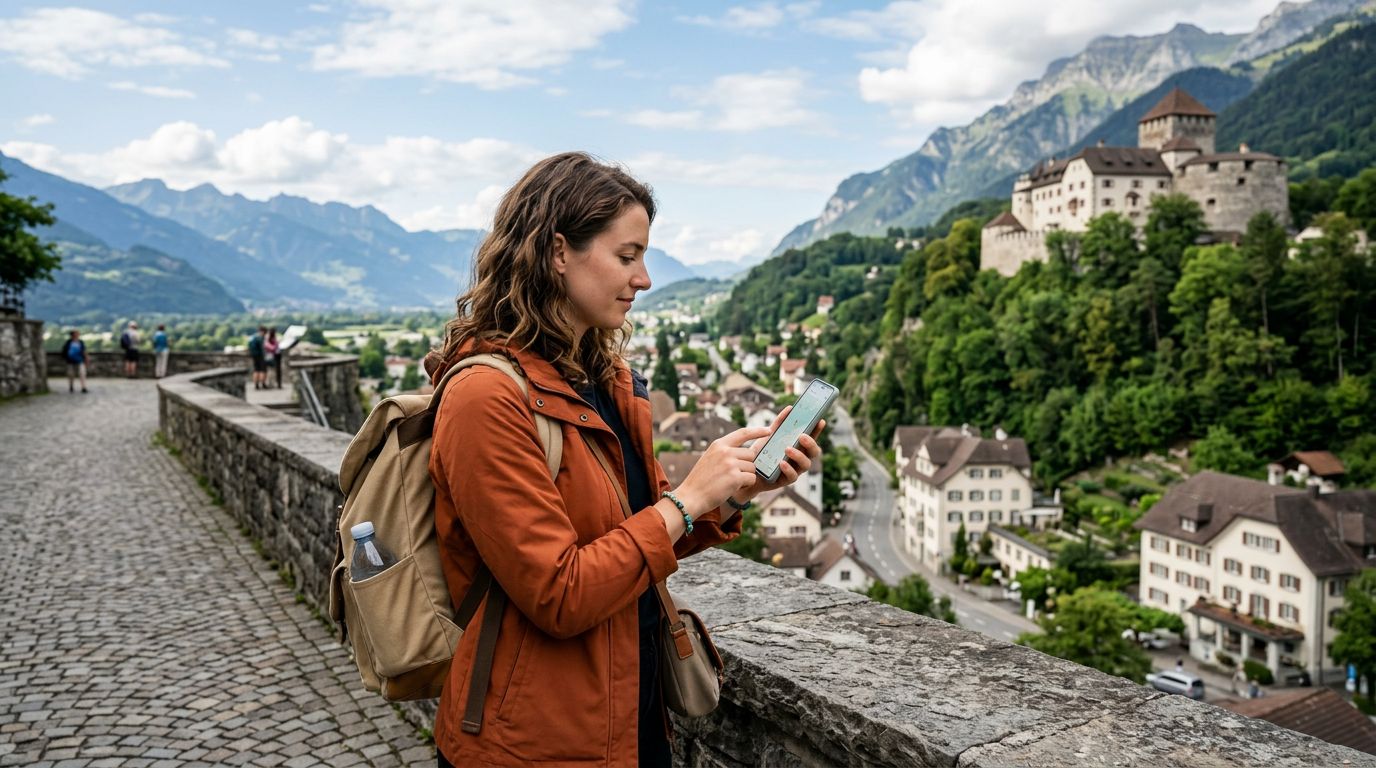
Understanding eSIM Technology in Liechtenstein
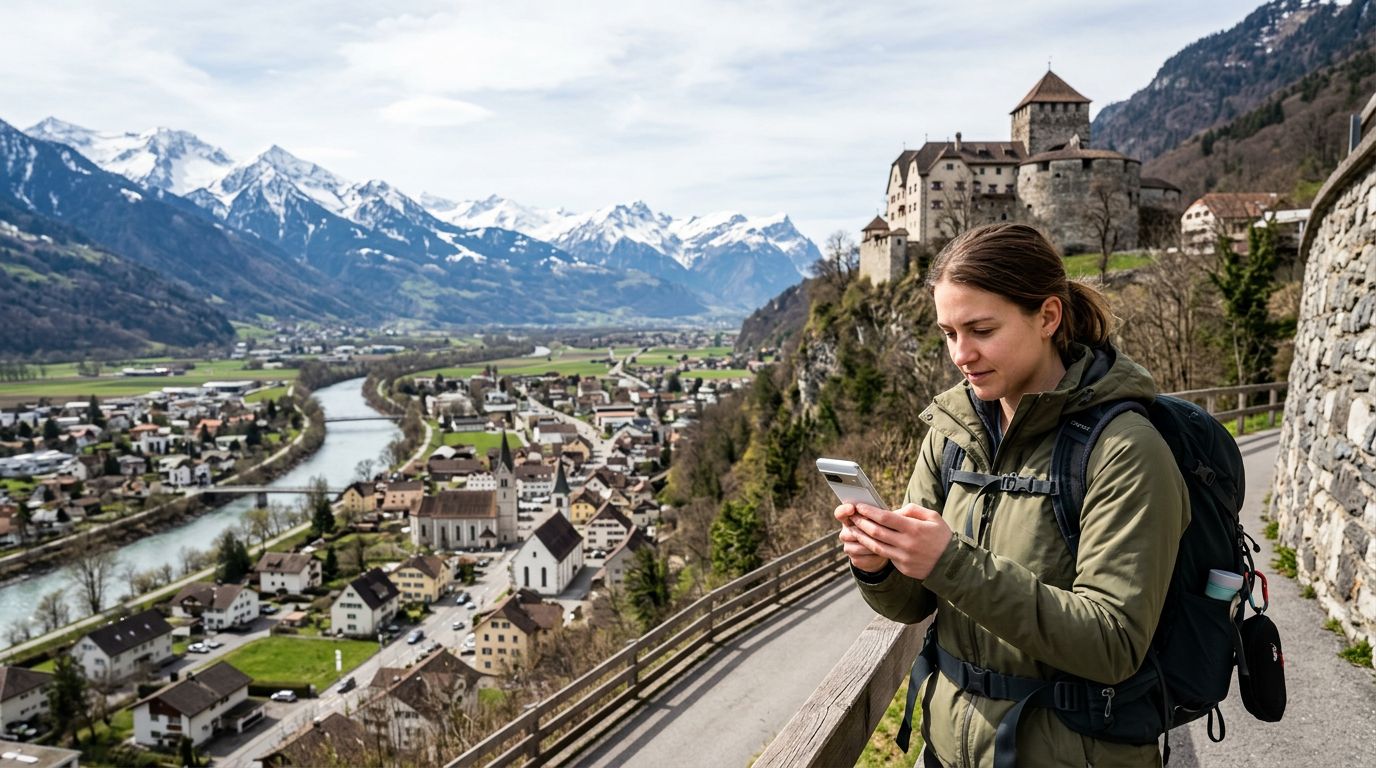
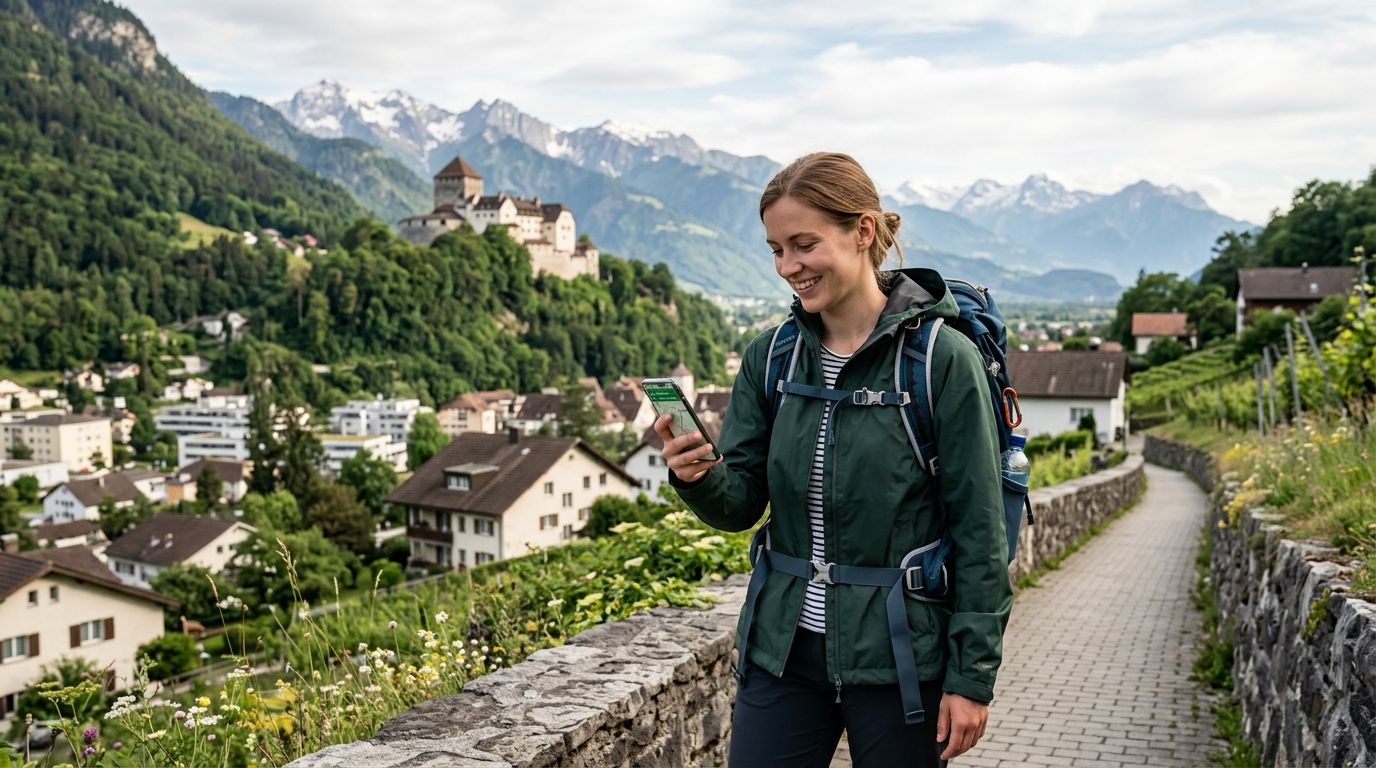
Liechtenstein is a picturesque destination nestled between Switzerland and Austria, known for its stunning Alpine scenery, medieval castles, and status as a global financial hub. Whether you are visiting for a business conference in Vaduz or hiking through the rugged trails of the Rhine Valley, staying connected is essential. Many travelers wonder, does eSIM work in Liechtenstein? The answer is a resounding yes.
An eSIM, or embedded SIM, is a digital version of the traditional physical SIM card. Instead of inserting a small plastic chip into your phone, you download a data profile directly to your device. This technology has become the standard for international travel because it eliminates the need to visit a local mobile store or swap out your home SIM card, which carries the risk of loss or damage.
In Liechtenstein, the telecommunications infrastructure is highly developed, mirroring the efficiency of its neighboring countries. Local networks support modern mobile standards, and because the country is integrated into the broader European roaming ecosystem, eSIMs function seamlessly. When you arrive in the country, your device will connect to local towers just as it would with a physical SIM, providing you with reliable internet access for maps, translation apps, and communication.
Why Choose an eSIM for Your Liechtenstein Trip
The primary advantage of using an eSIM over traditional roaming or physical SIM cards is convenience. When you travel to a small country like Liechtenstein, you want to focus on the experience rather than logistics. With a service like OneTapSIM, you can purchase and install your data plan before you even board your flight. Once you land, your phone will automatically switch to the local network, allowing you to bypass the stress of searching for a kiosk or dealing with language barriers at a retail store.
Another significant benefit is the ability to keep your primary phone number active. Most modern smartphones allow you to run two SIM profiles simultaneously. You can set your primary SIM to handle calls and texts from home, while your eSIM handles all your data needs. This ensures that you stay reachable for important contacts without incurring the high costs often associated with international roaming packages provided by domestic carriers.
Security is also a major factor. Public Wi-Fi networks in hotels, cafes, or train stations can be vulnerable to security breaches. By using your own dedicated eSIM data, you maintain a private, encrypted connection that is far safer than relying on open networks. Whether you are checking your bank account or uploading photos of your trip to social media, your personal data remains protected under your own control.
Compatibility is rarely an issue for modern travelers. Most smartphones released in the last few years are eSIM-capable. If you are unsure whether your device supports this technology, you can check your phone’s settings menu under the cellular or mobile data section. If you see an option to "Add eSIM" or "Add Cellular Plan," your device is ready to go. Apple and Google provide extensive documentation on their respective support pages regarding how to manage these digital profiles, ensuring that the setup process is intuitive for users of all technical backgrounds.
Tips for a Seamless Connectivity Experience
To ensure your connectivity in Liechtenstein is as smooth as possible, there are a few best practices to follow. First, ensure your device is unlocked. An unlocked phone is one that is not tied to a specific carrier contract. If your phone is locked, it will not accept an eSIM from a third-party provider. If you are unsure about your device status, contact your home mobile carrier before your departure to request an unlock.
Second, consider your data usage habits. While Liechtenstein has excellent coverage, high-definition video streaming and large file downloads can consume data quickly. To conserve your allowance, adjust your phone settings to restrict background app refreshes and disable automatic updates while you are on your travel data plan. This allows you to focus your bandwidth on essential tasks like navigation and communication.
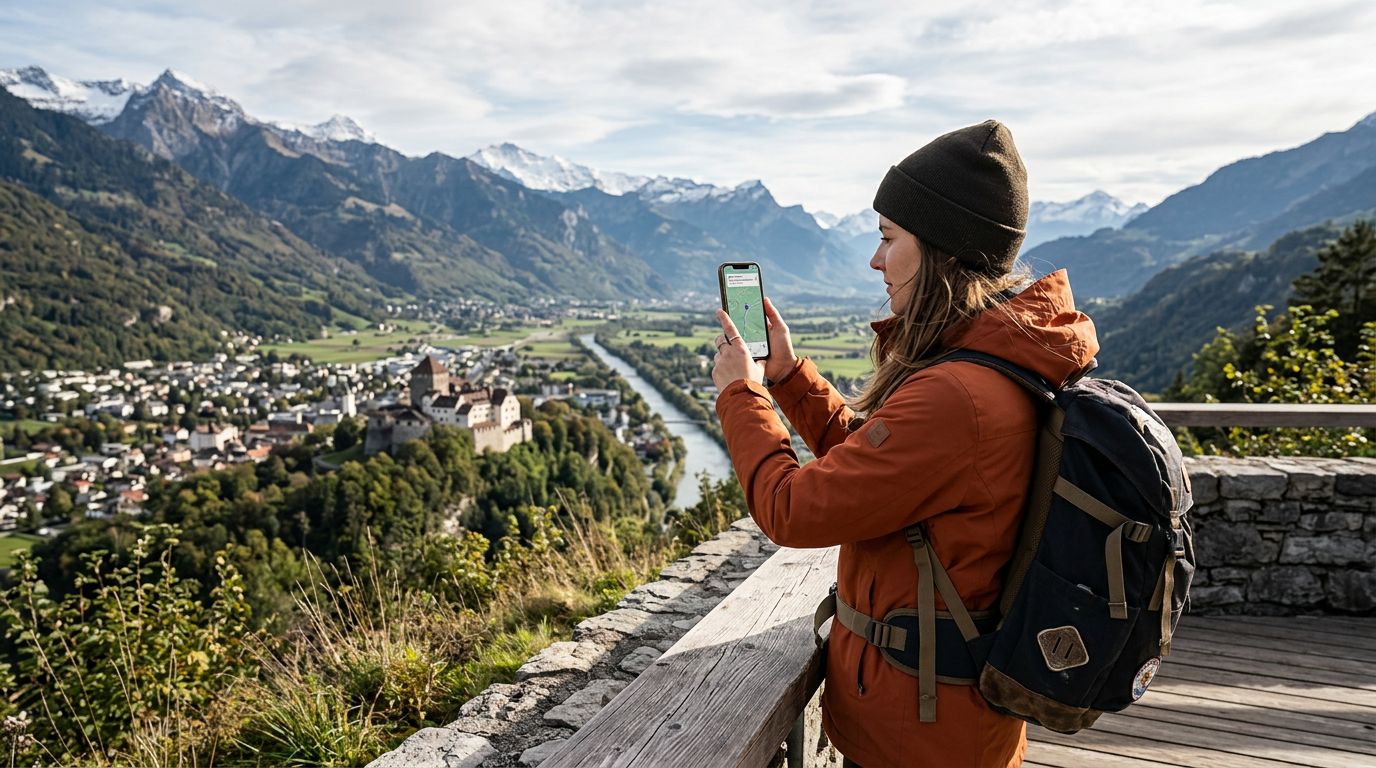
Third, always have a backup plan. While eSIMs are incredibly reliable, it is good practice to save offline maps of the Liechtenstein region before you arrive. Google Maps allows you to download specific areas for offline use, which is a lifesaver if you find yourself in a remote mountain area with limited signal.
Finally, remember that your eSIM is a data-only solution. This is perfect for the vast majority of travelers who rely on messaging apps like WhatsApp, Telegram, or Signal to stay in touch. If you need to make traditional voice calls, you can use these apps to call over the internet, or you can use your primary SIM for voice minutes if your home carrier offers affordable roaming rates.
By preparing your device before you arrive, you eliminate the "does eSIM work in Liechtenstein" question entirely. You gain the freedom to move through the country with confidence, knowing that your digital connection is secured. Whether you are exploring the Prince’s Way or attending meetings in the capital, having a OneTapSIM profile installed means you are ready to connect the moment you step off the plane or cross the border. The simplicity of digital connectivity is changing the way we travel, making it easier to explore even the smallest and most secluded corners of the world without losing touch with what matters most.
Get an eSIM for
Plans for the destinations covered in this guide, with instant QR delivery.