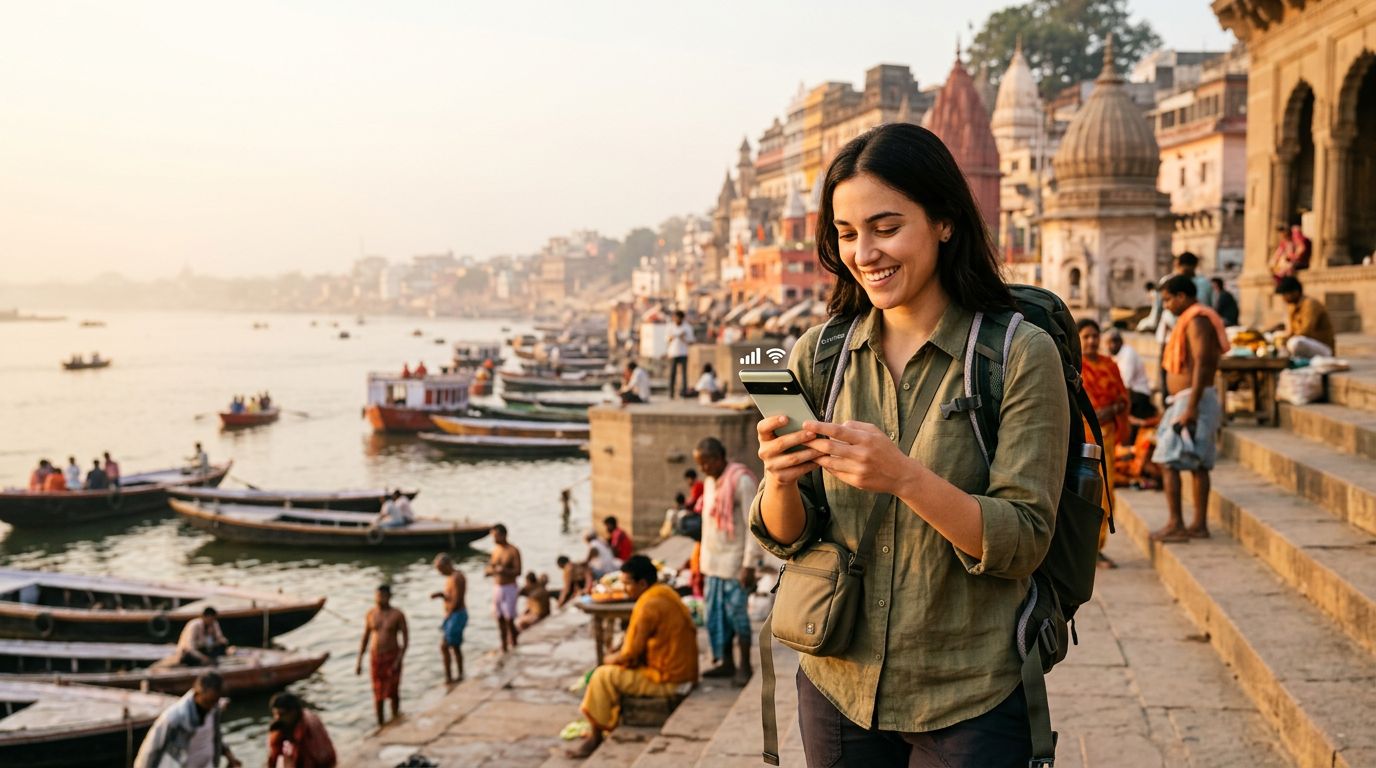
Traveling to India is an incredible experience, offering a vibrant mix of bustling cities, serene landscapes, and a deep, ancient history. Whether you are visiting for the architectural marvels of the Taj Mahal, the tech hubs of Bangalore, or the beaches of Goa, staying connected is essential. Modern travelers often wonder, does eSIM work in India? The short answer is yes, and it is rapidly becoming the preferred way for international visitors to manage their mobile data without the hassle of physical SIM cards.
Understanding eSIM Technology for India Travel
An eSIM, or embedded SIM, is a digital version of the traditional plastic SIM card that has been a staple of mobile phones for decades. Instead of needing to visit a local kiosk, show your passport, and wait for a physical card to be activated, an eSIM allows you to download your connectivity profile directly to your device. This technology is built into the hardware of most modern smartphones, making it a seamless solution for international travel.
India has embraced this technology, and major network providers across the country support eSIM functionality. For a traveler, this means you can arrive in New Delhi, Mumbai, or any other major city and have your data connection ready the moment you step off the plane. Because the eSIM is digital, you do not need to remove your home SIM card, which is a major advantage. You can keep your primary number active for essential calls or messages from home while using a dedicated data plan for your navigation, translation apps, and social media updates.
To use an eSIM, your smartphone must be unlocked by your home carrier. If your phone is locked to a specific network, it will not accept a secondary eSIM profile. Before you depart, check your device settings or contact your home provider to ensure your device is ready for international use. Most devices from the last few years are fully compatible, but confirming this early prevents any technical headaches upon arrival.
The Advantages of Using OneTapSIM in India
When you choose to use an eSIM, you want a provider that offers reliability and ease of use. OneTapSIM simplifies the process by providing a streamlined experience for travelers heading to India. One of the primary benefits of using a specialized travel eSIM service is the ability to manage your connectivity before you even leave your home country. By setting up your profile in advance, you ensure that your internet access is ready to go the moment you land.
One of the biggest frustrations when traveling to a new country is the language barrier or the logistical complexity of finding a local mobile shop. In India, local registration requirements for physical SIM cards can be time-consuming and often require extensive documentation. By opting for a travel eSIM, you bypass these hurdles entirely. You gain immediate access to local networks, allowing you to use ride-sharing apps, look up train schedules, or find the best local eateries without having to search for a Wi-Fi hotspot.
Additionally, using a dedicated travel eSIM helps you avoid the high roaming fees often charged by domestic carriers. These roaming charges can accumulate quickly, turning a budget-friendly trip into an expensive one. With a clear data plan, you know exactly what you are getting, and you can monitor your usage through your device settings. OneTapSIM provides a user-friendly interface that helps you track your data, ensuring you stay connected throughout your journey without unexpected costs.
How to Set Up and Use Your eSIM Successfully
Setting up your eSIM is a straightforward process, but it requires a few specific steps to ensure everything works perfectly. First, ensure your device is connected to a stable Wi-Fi network during the installation phase. You will receive a QR code or an activation link from your provider. On an iPhone, you generally navigate to your cellular settings and select the option to add an eSIM. On Android devices, the process is similar, usually found within the SIM card manager or network settings menu.
Once the profile is downloaded, you can label your eSIM to distinguish it from your primary line. For example, labeling it "India Travel" makes it easy to toggle the connection on or off. When you arrive in India, you simply need to turn on the eSIM line and ensure that "Data Roaming" is enabled for that specific profile. Enabling data roaming for your travel eSIM does not mean you are incurring home-carrier roaming fees; it simply allows the eSIM to handshake with the local Indian network.
It is also important to manage your data usage effectively. While many travel eSIM plans offer generous data packages, streaming high-definition video or downloading large files can deplete your allowance quickly. Use Wi-Fi at your hotel or cafe whenever it is available to save your mobile data for when you are on the move. If you find that you are using more data than expected, many providers allow you to purchase additional data directly through their portal, keeping you connected without interruption.
Finally, keep in mind that coverage can vary depending on your location. While major urban centers and popular tourist destinations in India have excellent 4G and 5G coverage, remote or rural areas may have more limited connectivity. If your travel itinerary includes trekking in the Himalayas or visiting remote wildlife sanctuaries, it is wise to download offline maps and essential information in advance. By preparing your device, choosing a reliable service like OneTapSIM, and understanding how to toggle between your home and travel profiles, you can enjoy a stress-free trip with constant access to the information you need. The transition to digital connectivity is one of the most significant upgrades for modern travelers, and India is a fantastic place to experience the convenience of eSIM technology firsthand.
Get an eSIM for
Plans for the destinations covered in this guide, with instant QR delivery.