Understanding eSIM Technology for Your Honduras Trip
Planning a trip to Honduras involves coordinating many moving parts, from booking rainforest tours in Pico Bonito to arranging transportation to the Bay Islands. Among these preparations, securing reliable mobile data is often overlooked until the moment a traveler lands at the airport. If you are wondering, "does eSIM work in Honduras," the answer is a definitive yes. Modern mobile technology has made it easier than ever to maintain connectivity without the traditional headaches associated with physical SIM cards.
An eSIM, or embedded SIM, is a digital version of the standard plastic card you have used in your phone for years. Instead of physically swapping out a tiny chip, you download a profile directly to your device. This allows you to connect to local cellular networks in Honduras as soon as you arrive, providing immediate access to maps, translation tools, and messaging apps. Because the eSIM is integrated into the hardware of your smartphone, it functions exactly like a local SIM card, utilizing the same towers and infrastructure as domestic users.
Travelers often worry about the compatibility of their devices. Most smartphones manufactured within the last few years support eSIM technology. Before you depart, it is wise to check your device settings to ensure your phone is carrier-unlocked and eSIM-compatible. If your phone is locked to a specific home carrier, it may restrict your ability to add a secondary data profile, regardless of the technology used. By choosing a provider like OneTapSIM, you can streamline the setup process, ensuring that your digital profile is ready to activate the moment you touch down in Tegucigalpa or San Pedro Sula.
Why eSIMs are the Superior Choice for Travelers
The traditional method of buying a physical SIM card upon arrival in a new country is fraught with inconvenience. You might find yourself standing in long queues at airport kiosks, struggling with language barriers, or trying to find a retail store that is open during your arrival time. Furthermore, physical SIM cards are fragile and easy to lose. If you misplace your home SIM card while switching it out, you face the significant frustration of losing your primary phone number and authentication capabilities.
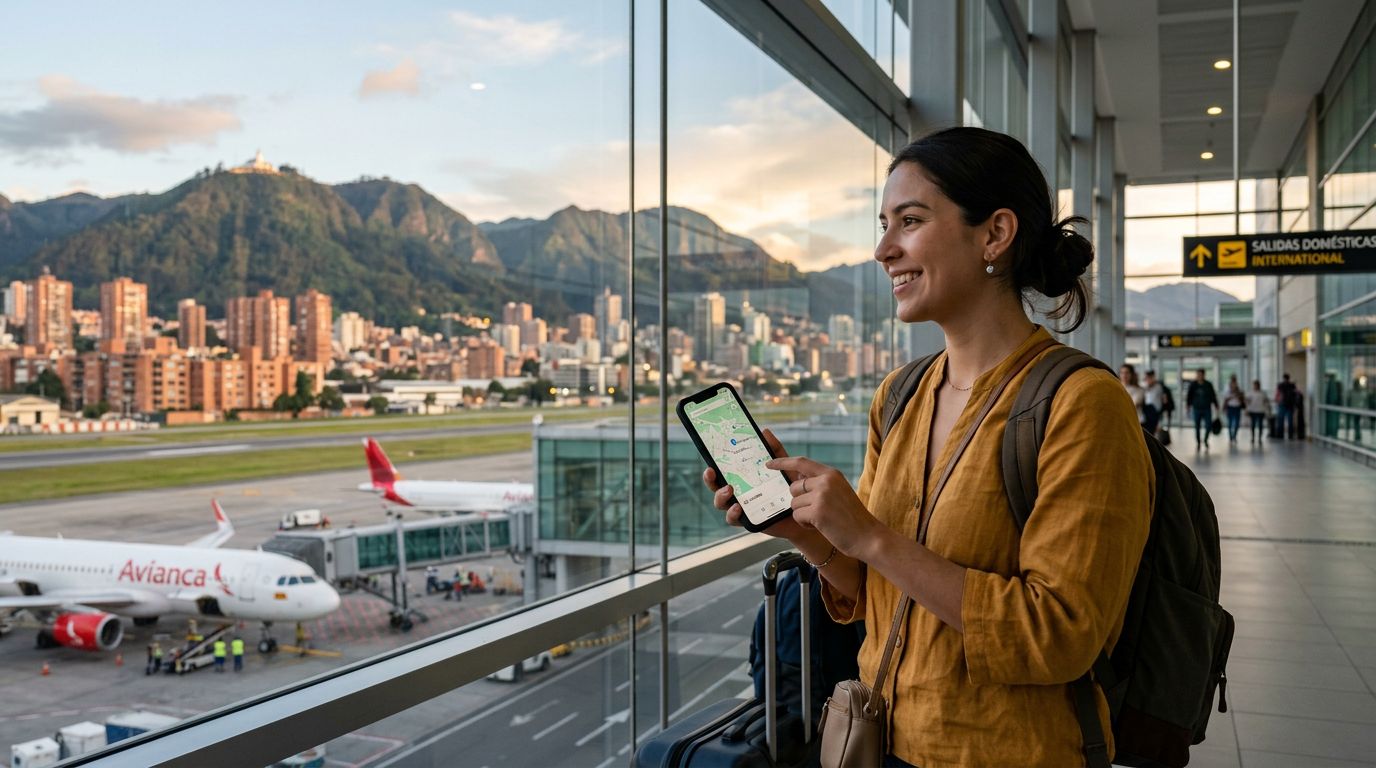
Using an eSIM eliminates these risks entirely. Because the process is entirely digital, you can purchase and install your data plan from the comfort of your home before you even pack your suitcase. Once you land in Honduras, you simply toggle the eSIM on in your settings, and your phone will automatically connect to a local network. This transition is seamless, allowing you to call an Uber or check your hotel reservation immediately upon exiting the terminal.
Beyond convenience, eSIMs offer superior flexibility. With a physical SIM, you are often tied to one specific network provider for the duration of your trip. With an eSIM, you can manage multiple profiles on a single device. If you find that coverage is better in the remote regions of the Copán ruins with one provider, you can easily switch to a different profile if your device supports it. OneTapSIM provides a user-friendly interface that simplifies this management, allowing you to monitor your data usage and stay connected throughout your journey across the diverse Honduran landscape.
Tips for Maximizing Connectivity in Honduras
Honduras features a mix of bustling urban centers and rugged, remote terrain. While major cities like San Pedro Sula and Tegucigalpa have robust 4G and LTE coverage, connectivity can become more sporadic as you travel into the mountains or toward the more isolated coastal regions. To ensure you have the best experience, there are several steps you can take to optimize your mobile data usage.
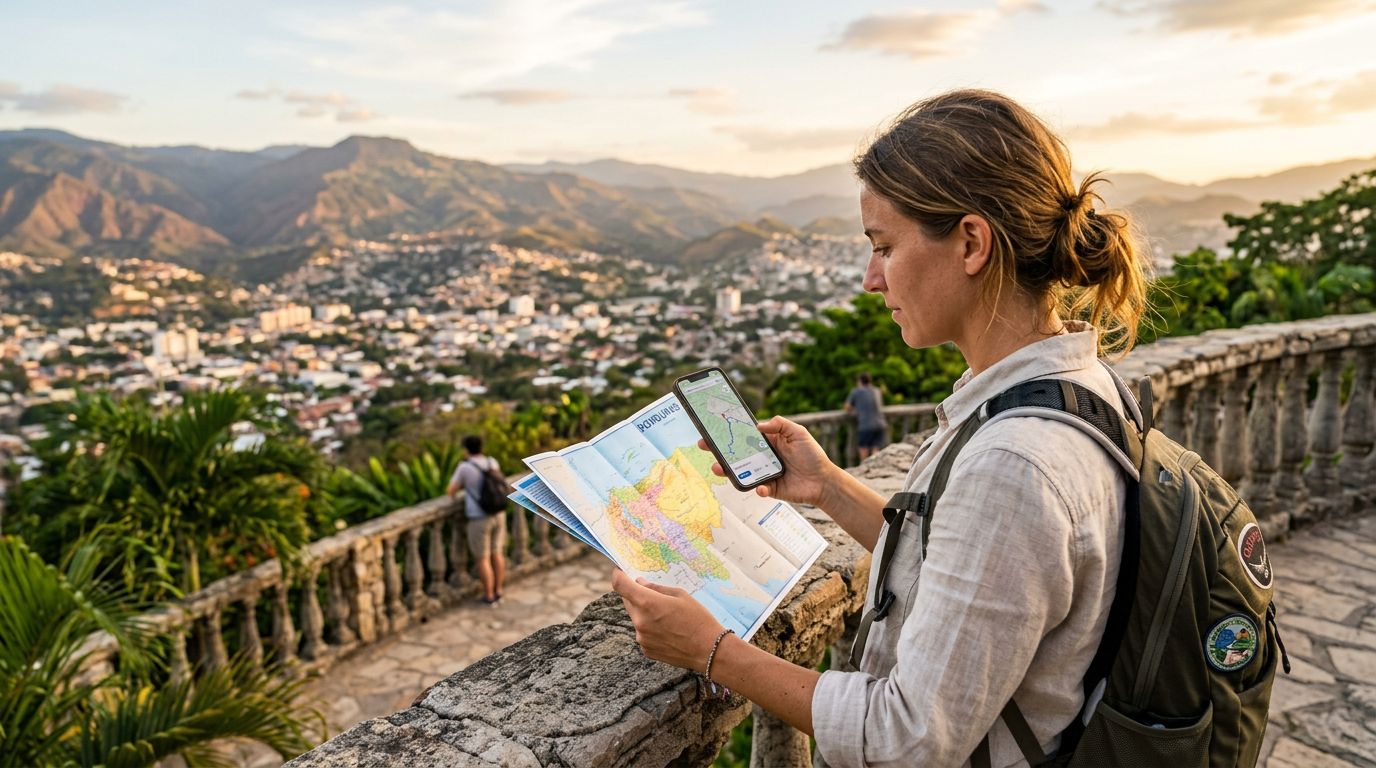
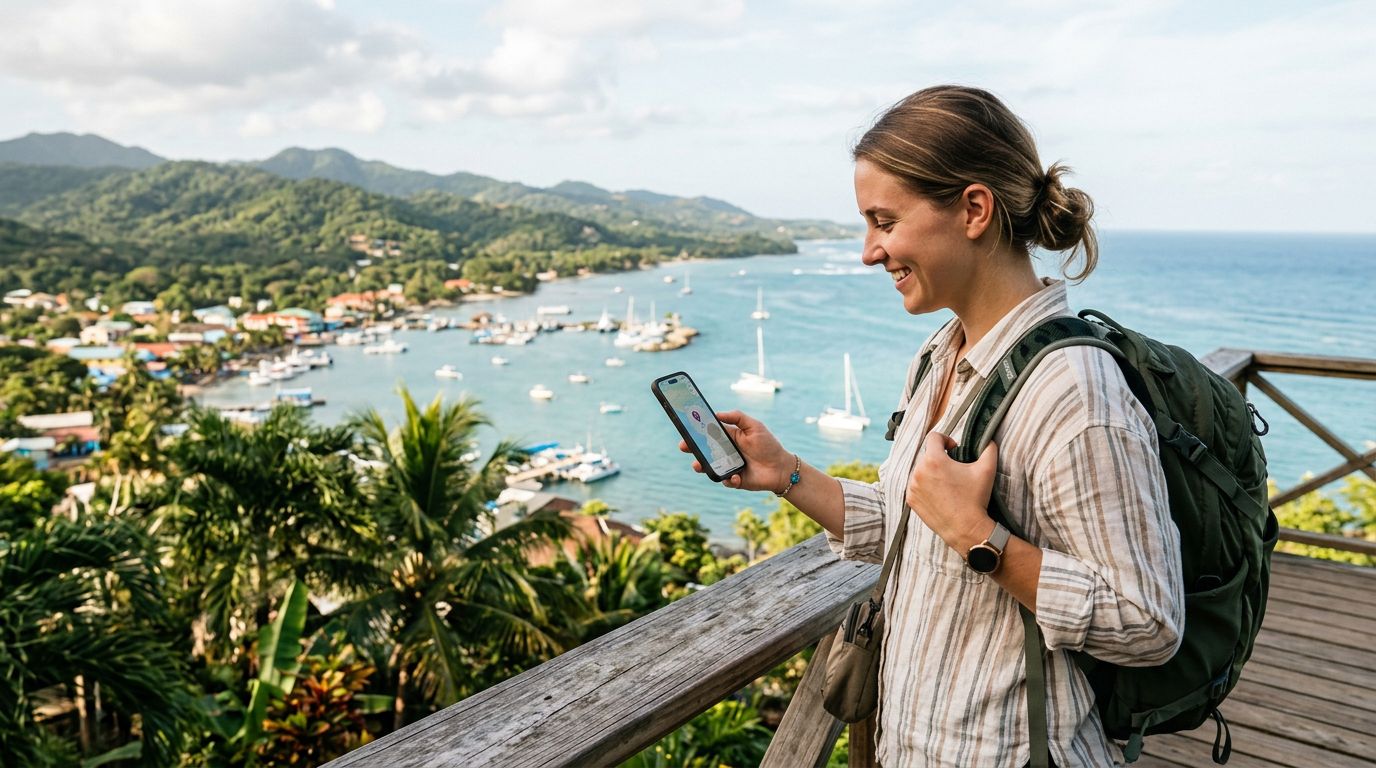
First, adjust your phone settings to prioritize data-heavy tasks for Wi-Fi environments. Download offline maps of the areas you plan to visit, such as the Bay Islands or the Bay of Tela, before you leave your hotel. Many navigation apps allow you to save specific regions for offline use, which saves your data allowance for essential tasks like checking emails or looking up local restaurant reviews.
Second, be mindful of background data usage. Many modern applications refresh content, sync photos, and download updates in the background without your explicit permission. You can restrict this in your phone’s settings menu, ensuring that your data plan is dedicated solely to the apps you are actively using. If you are traveling with a group, consider using a single device as a mobile hotspot, though be aware that this will deplete your data significantly faster than standard phone usage.
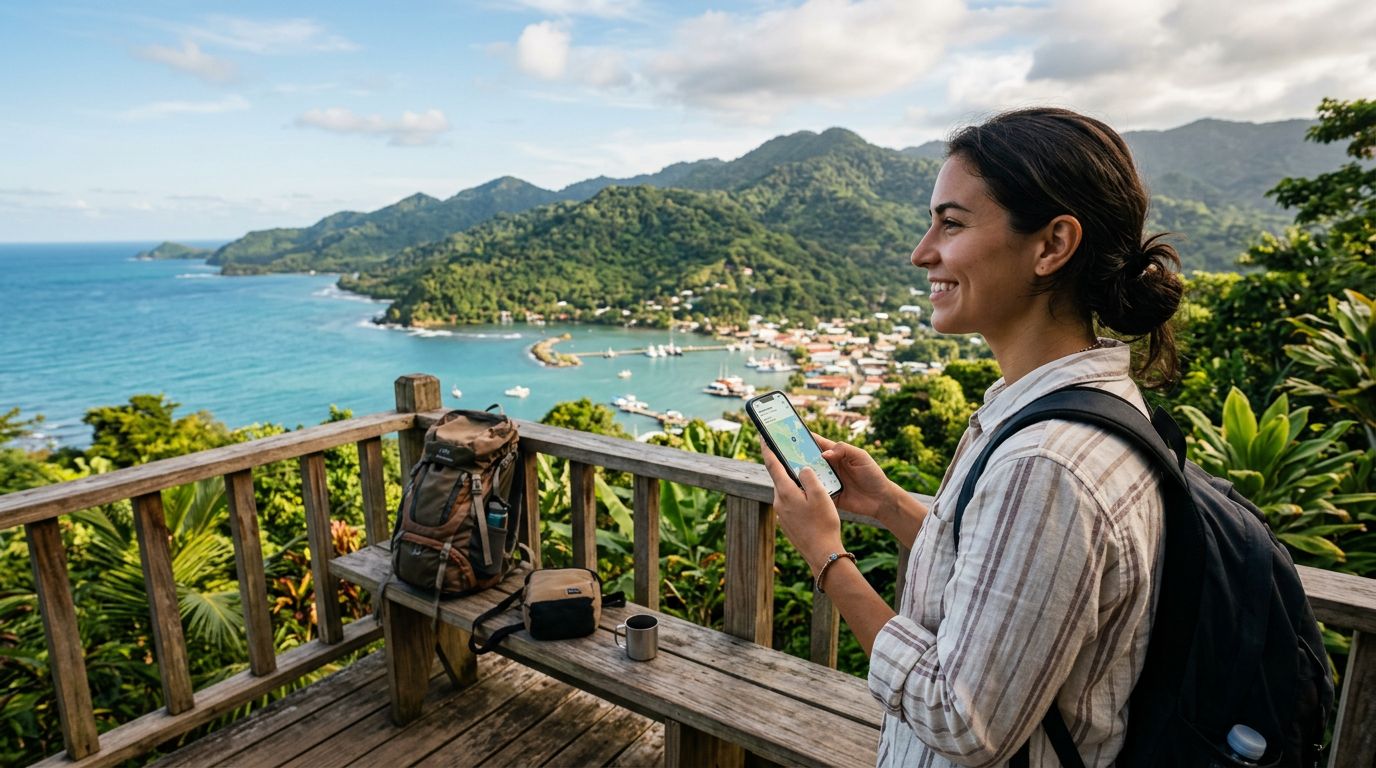
Finally, always keep your operating system updated. Whether you are using an iOS or Android device, software updates often include patches that improve cellular connectivity and eSIM management. If you encounter any issues with network registration, a simple restart of your device or toggling "Airplane Mode" on and off is often enough to force the phone to re-scan for the strongest available signal. By preparing your device in advance and utilizing a reliable service like OneTapSIM, you can focus on enjoying the vibrant culture, history, and natural beauty of Honduras rather than worrying about your connection. Whether you are snorkeling in the crystal-clear waters of Roatán or exploring the ancient Mayan ruins, having a consistent data connection ensures that you can share your experiences and stay in touch with loved ones back home without interruption.
Get an eSIM for
Plans for the destinations covered in this guide, with instant QR delivery.