Understanding eSIM Technology for Your Trip to Cameroon
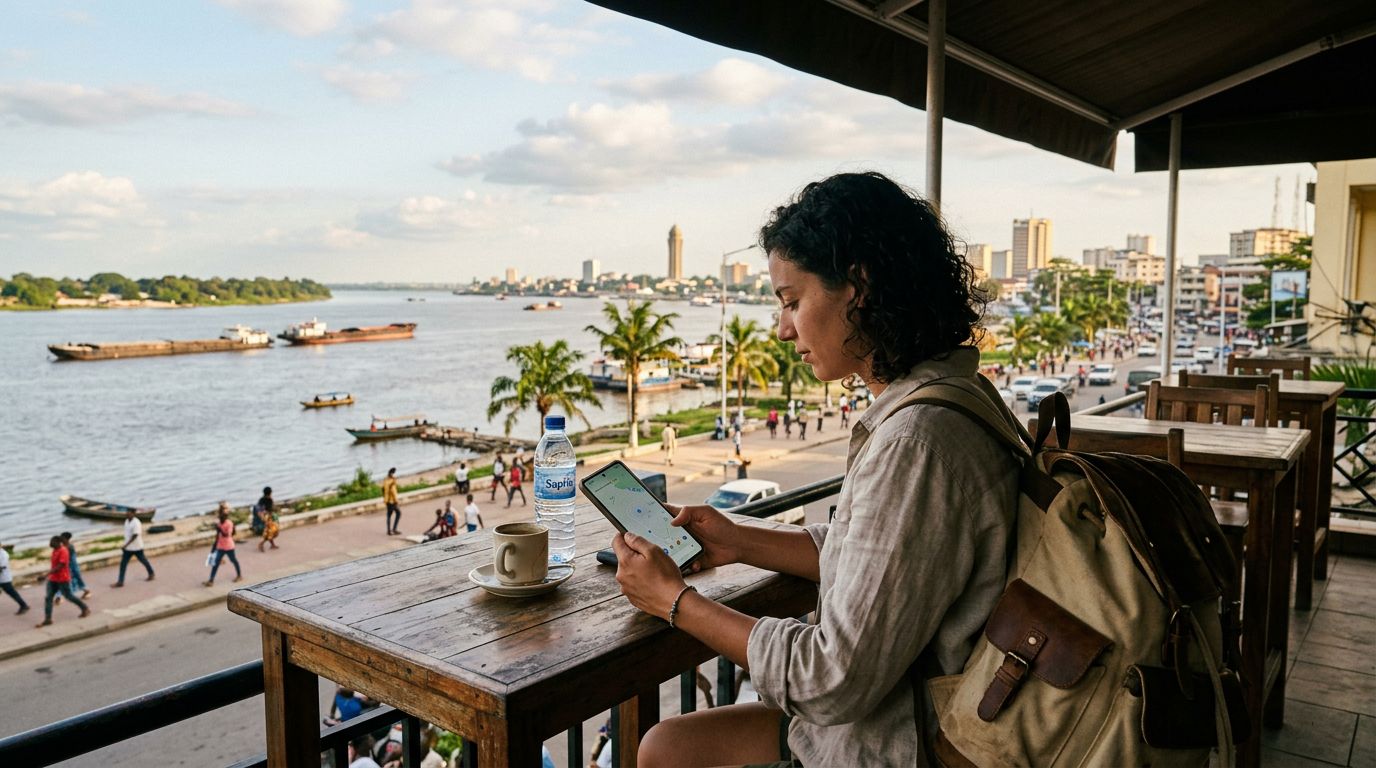
Traveling to Cameroon offers a rich experience, from the vibrant markets of Douala to the scenic landscapes of Mount Cameroon. As you prepare for your journey, staying connected is likely a top priority for navigation, translation, and keeping in touch with home. Many travelers ask, "does eSIM work in Cameroon?" The answer is yes, provided your device is compatible and you have selected a reliable provider.
An eSIM, or embedded SIM, is a digital version of the traditional physical SIM card. Instead of inserting a small piece of plastic into your phone, you download a data profile that activates your cellular service. This technology has become the gold standard for international travel because it eliminates the need to visit local kiosks or swap out your home SIM card, which carries the risk of loss or damage.
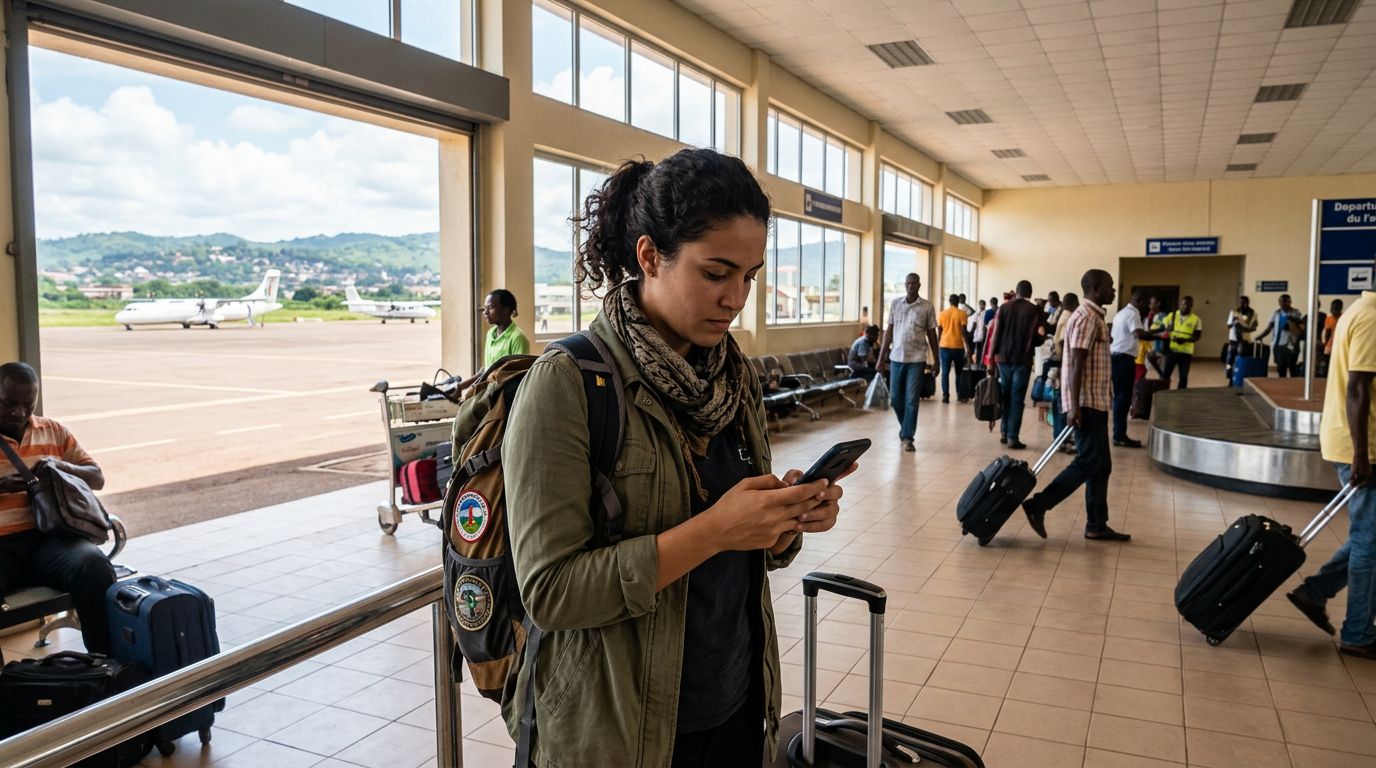
For your trip to Cameroon, using an eSIM means you can land at the airport and have connectivity almost immediately. Because the eSIM is integrated into your phone’s hardware, you can manage your cellular settings directly through your device’s menu. This convenience is particularly valuable in a country where finding a physical SIM card vendor might be time-consuming or confusing upon arrival. OneTapSIM provides a streamlined way to acquire this connectivity, ensuring that your device is ready to connect to local networks as soon as you step off the plane.
Device Compatibility and Activation
Before you commit to using an eSIM for your travels, you must ensure your smartphone supports this technology. Most modern flagship devices from major manufacturers are eSIM-ready. If you are using an iPhone or a recent Android device, there is a high probability that your phone is compatible. You can verify this by checking your device settings or visiting the official support pages for your manufacturer, such as those provided by Apple or Google.
The process of activating an eSIM is straightforward. Once you purchase a plan through a provider like OneTapSIM, you will typically receive a QR code or an activation string. You navigate to your cellular settings, select the option to add a new plan, and scan the code. Your phone then registers the profile, and you can toggle between your primary SIM and your travel eSIM as needed.
It is important to note that your device must be carrier-unlocked to use an eSIM from a third-party provider. If your phone is locked to your home network provider, it may not accept a secondary SIM profile. Contact your home carrier before your trip to ensure your device is unlocked. Once you have confirmed compatibility and unlocked status, the setup process takes only a few minutes. This allows you to keep your primary number active for important calls or texts while using the eSIM specifically for data roaming in Cameroon.
Managing Connectivity in Cameroon
Connectivity in Cameroon can vary depending on your location. In major urban centers like Yaoundé and Douala, mobile network coverage is generally robust, allowing for reliable browsing, map usage, and messaging. As you move into more rural or mountainous regions, signal strength may fluctuate. By using an eSIM, you are essentially tapping into the existing local infrastructure through roaming agreements established by your provider.
One of the primary advantages of using a service like OneTapSIM is the ability to manage your data usage effectively. When you rely on traditional roaming through your home carrier, you often face unpredictable billing and high costs. With an eSIM, you are typically prepaying for a specific data package, which gives you total control over your spending. You can monitor your data consumption through your phone’s settings, ensuring you do not run out of connectivity when you need it most.
To get the most out of your connection, consider these tips for your time in Cameroon:
- Prioritize Wi-Fi for Heavy Tasks: Use hotel or café Wi-Fi for downloading large files, updating apps, or streaming high-definition video. Save your cellular data for essential tasks like GPS navigation, searching for local information, or using messaging apps.
- Download Offline Maps: Before you leave your accommodation, download offline maps of the areas you plan to visit. This ensures that even if you encounter a spot with a weaker signal, you can still navigate the streets effectively.
- Adjust Background Data: Many apps consume data in the background without you realizing it. Check your phone’s settings to restrict background data usage for non-essential applications. This helps your data package last longer throughout your trip.
- Keep Your Primary SIM Active if Needed: If you are expecting important calls on your home number, you can keep your primary SIM active alongside your eSIM. Most modern phones allow you to designate which SIM is used for data, ensuring you don't accidentally incur roaming charges on your home plan.
By preparing your device and understanding how to manage your data, you can enjoy a seamless experience in Cameroon. The transition to digital SIM technology has made international travel significantly easier, removing the friction of traditional connectivity methods. Whether you are traveling for business or leisure, having a reliable data connection at your fingertips provides peace of mind and allows you to focus on the sights, sounds, and culture of your destination. OneTapSIM remains a practical choice for those who value efficiency and want to avoid the common pitfalls of international roaming.
Get an eSIM for
Plans for the destinations covered in this guide, with instant QR delivery.