Understanding eSIM Technology in Cambodia
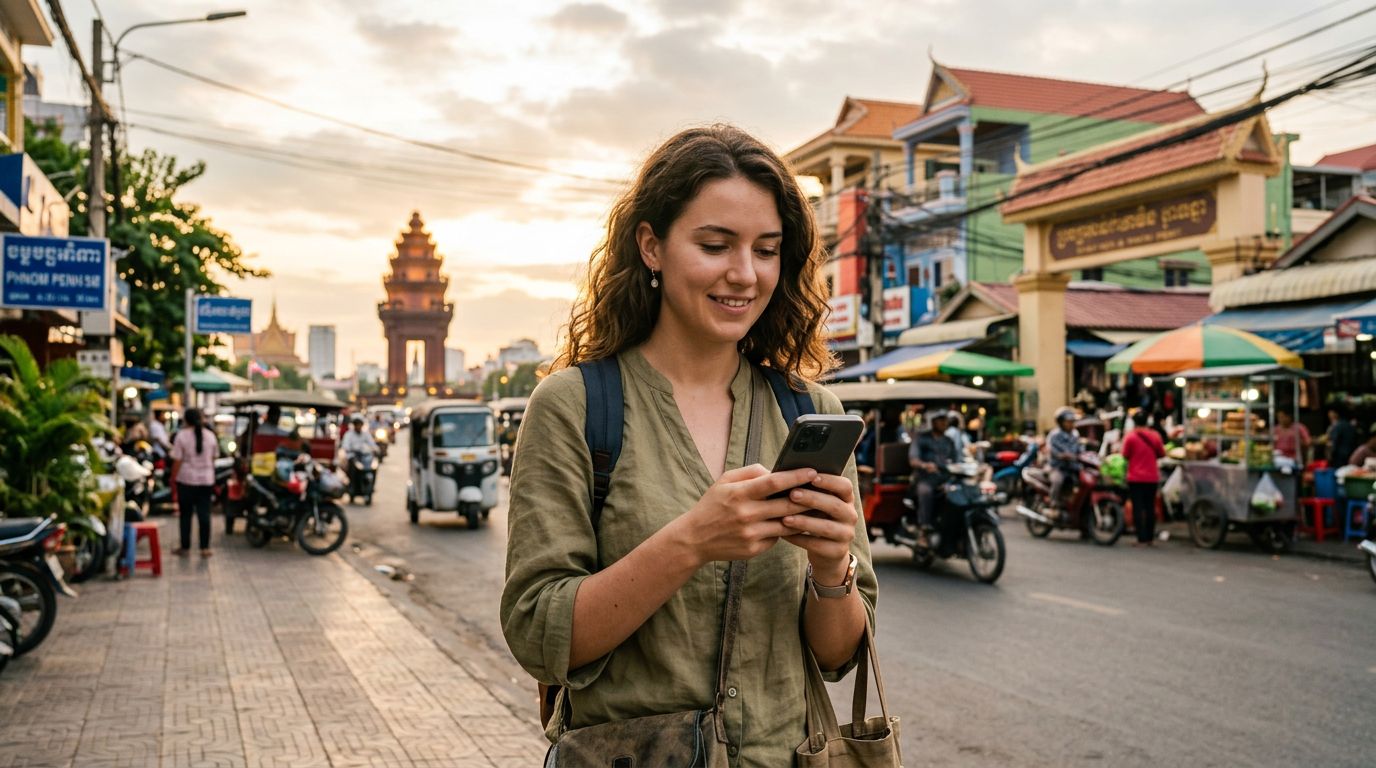
Travelers heading to Cambodia often wonder about the best way to stay connected while exploring ancient temples, bustling night markets, and serene riverfronts. The short answer to the question "does eSIM work in Cambodia?" is a resounding yes. eSIM technology has become widely available and is an excellent alternative to traditional physical SIM cards.
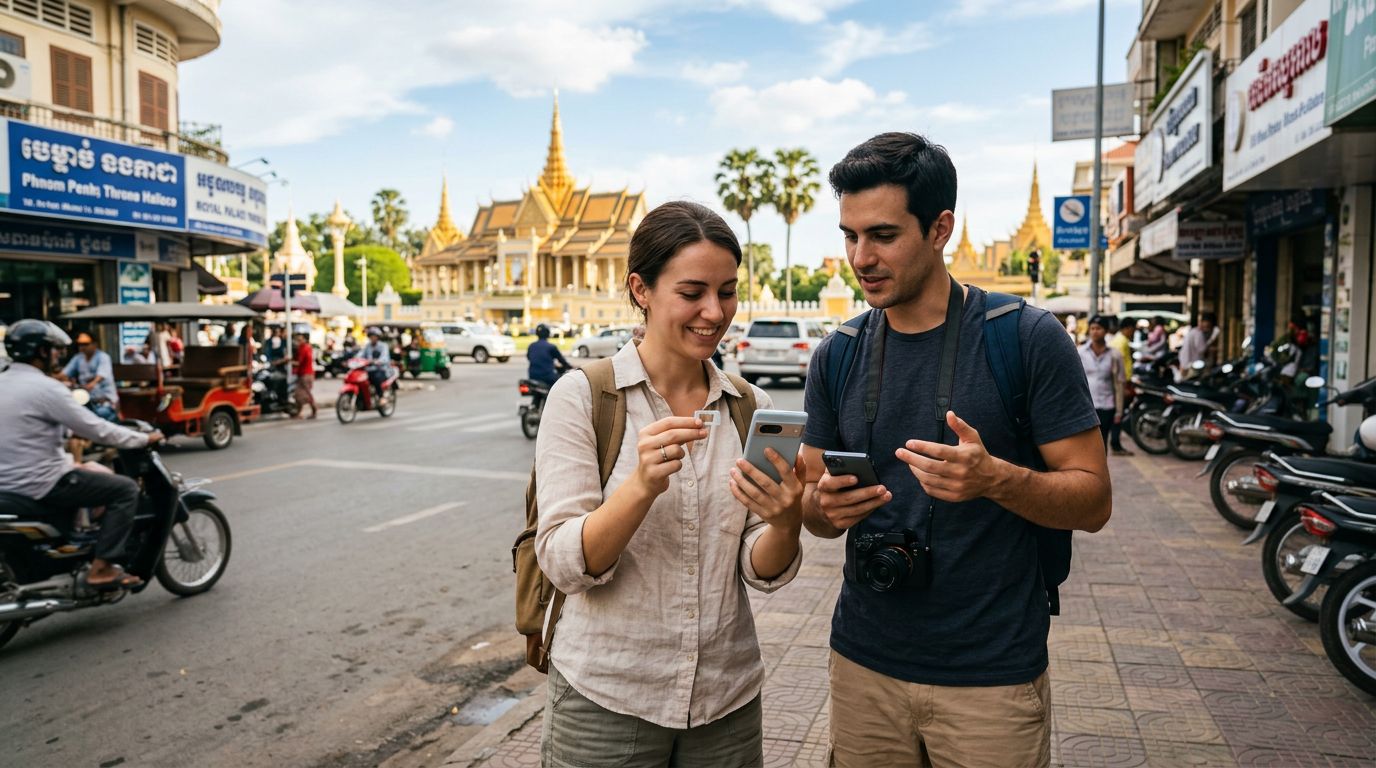
An eSIM, or embedded SIM, is a digital version of the standard plastic SIM card you are likely accustomed to. Instead of inserting a physical chip into your device, you download a digital profile that allows your phone to connect to local mobile networks. This technology is supported by most modern smartphones, including recent models from major manufacturers. Because it is entirely digital, you can manage your connectivity before you even step off the plane.
The primary benefit of using an eSIM in Cambodia is the convenience it offers. You no longer need to search for a local kiosk at the airport, wait in long queues, or fumble with tiny plastic cards and ejector tools. By setting up your eSIM through a provider like OneTapSIM, you can ensure that your device is ready to access data the moment you arrive in Phnom Penh or Siem Reap. This is particularly useful for travelers who rely on ride-sharing apps, digital maps, and translation tools to get around.
How to Check Your Device Compatibility
Before you decide to use an eSIM for your trip, you must confirm that your device is capable of supporting this technology. Most smartphones released within the last few years are compatible, but it is always wise to verify your specific model. You can check the official support pages for Apple or Google to see if your device is eSIM-ready.
Generally, if you have a modern flagship phone, it likely supports eSIM. To verify this on your own device, you can usually look in your cellular or mobile network settings. If you see an option to "Add eSIM" or "Add Cellular Plan," your phone is compatible. It is also important to ensure that your device is carrier-unlocked. If your phone is locked to a specific domestic carrier, it may prevent you from adding a secondary digital profile, regardless of whether the hardware supports it. Contact your home service provider if you are unsure about your device's lock status.
Once you have confirmed compatibility, the setup process is straightforward. You will receive a QR code or an activation link from your provider. By scanning this code or following the digital instructions, your phone will download the necessary network configurations. This process usually takes only a few minutes and can be done while you are still at home, ensuring that you have a seamless transition to a local network upon landing.
Benefits of Using OneTapSIM for Your Cambodian Adventure
When traveling to a country like Cambodia, having reliable internet access is essential for both logistics and safety. While public Wi-Fi is available in many cafes and hotels, it is often unreliable or insecure. Relying on a dedicated eSIM ensures that you have a private, consistent connection throughout your journey.
OneTapSIM provides a streamlined experience for travelers who want to avoid the complexities of local roaming agreements or the hassle of physical SIM cards. By choosing a digital solution, you maintain your primary phone number for calls and texts if your device supports dual-SIM functionality. This allows you to keep your home number active for important contacts while using your eSIM exclusively for data.
Furthermore, using an eSIM is a more sustainable and efficient way to manage your mobile needs. Because there is no physical waste, you are contributing to a smaller environmental footprint. The digital nature of the service also means that you can easily track your data usage through your phone's settings, helping you avoid unexpected overages.
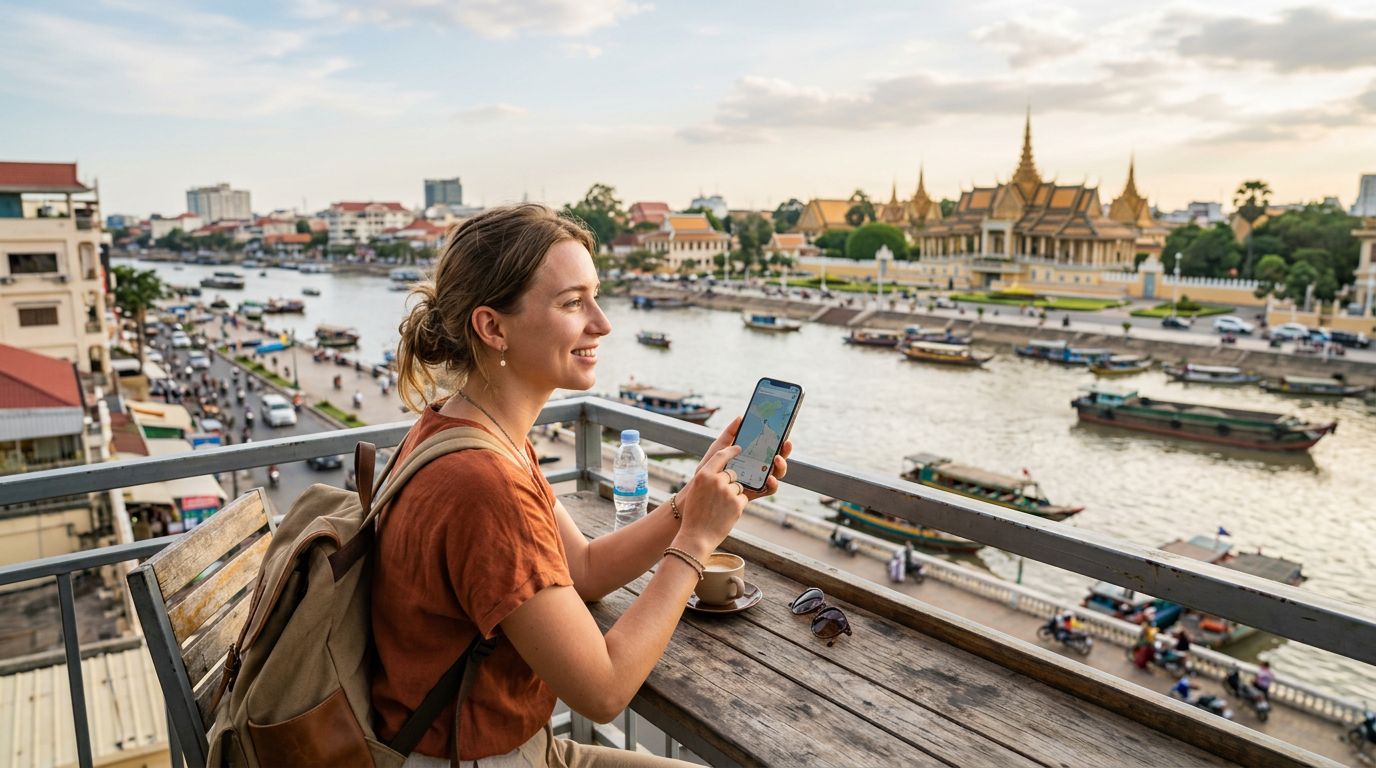
When you arrive in Cambodia, your phone will automatically attempt to connect to the strongest available local network. This means you can immediately use navigation apps to find your hotel, look up historical information about the temples of Angkor Wat, or contact your tour guide without searching for a Wi-Fi password. The peace of mind that comes with having a pre-activated connection is one of the most significant advantages of modern travel technology.
Tips for a Smooth Connectivity Experience
To ensure your trip to Cambodia remains stress-free, consider these practical tips for managing your eSIM. First, keep your primary SIM card active if you need to receive SMS verification codes for banking or travel apps, but ensure that "Data Roaming" is turned off for that specific line. You should set your eSIM as the primary source for "Cellular Data" in your phone's settings.
Second, be mindful of your data consumption. While many eSIM plans offer generous data packages, streaming high-definition video or downloading large files can deplete your allowance quickly. If you are concerned about usage, consider downloading offline maps or music before you leave your accommodation where Wi-Fi is available. This preserves your data for tasks that require a live connection, such as checking train schedules or using real-time translation services.
Third, if you experience any connectivity issues, a simple restart of your device often resolves the problem. This forces the phone to re-scan for available local towers and re-establish a handshake with the network. If you are still having trouble, check your cellular settings to ensure that the eSIM profile is toggled "On" and that the correct network is selected.
Finally, remember that Cambodia has a mix of urban and rural areas. While major cities and tourist hubs have excellent 4G and even 5G coverage, connectivity can be more intermittent in remote, mountainous, or heavily forested regions. Planning your itinerary with this in mind will help you manage your expectations. By preparing your digital connectivity in advance, you can focus on the rich history and vibrant culture of Cambodia rather than worrying about your signal strength. Using a reliable service like OneTapSIM allows you to stay connected on your own terms, providing the flexibility and freedom that every traveler deserves.