Understanding Your Connectivity Options in Chile
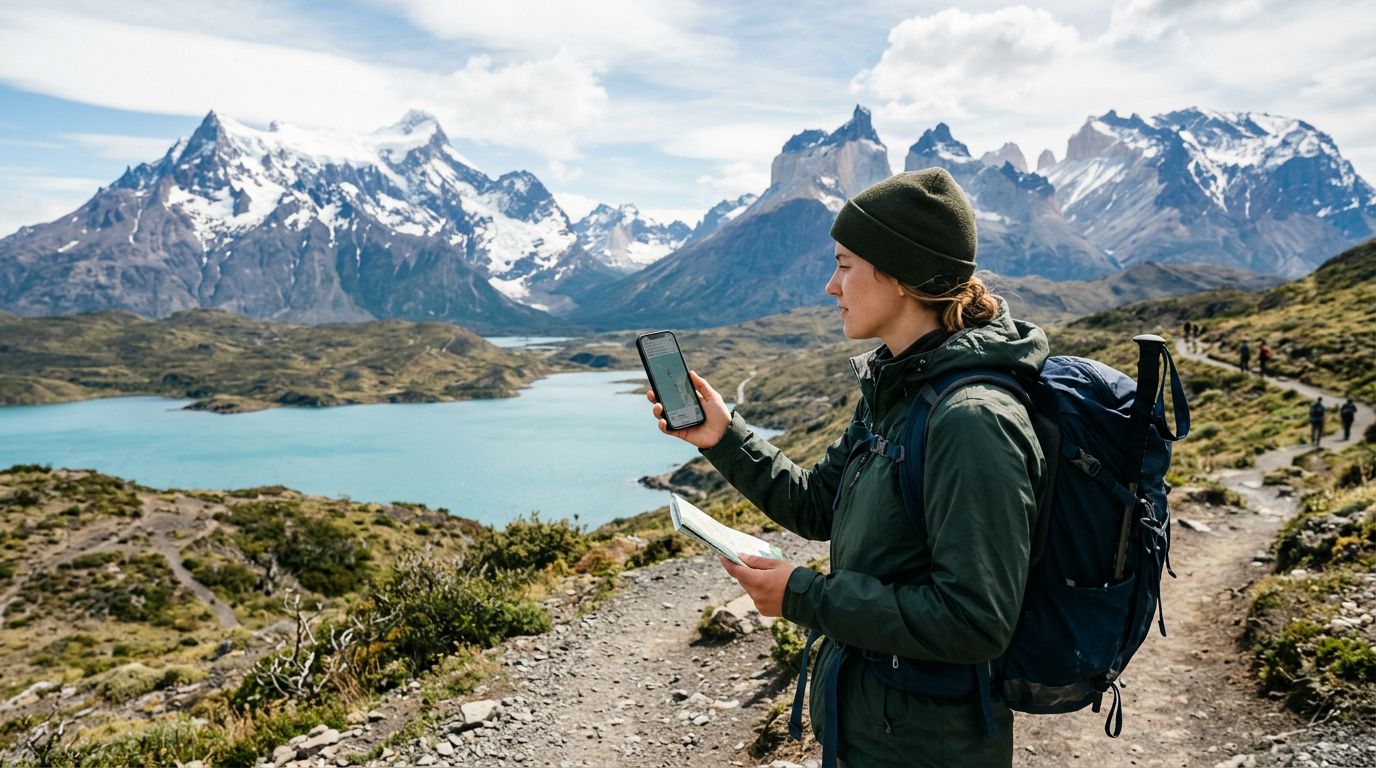
Planning a trip to Chile involves managing a vast landscape that stretches from the driest deserts in the north to the glacial fjords of the south. Whether you are exploring the vibrant streets of Santiago, trekking through Torres del Paine, or stargazing in the Atacama, staying connected is essential for maps, translation, and sharing your journey. When deciding between a traditional physical SIM card and a modern eSIM, it is important to weigh the convenience of digital technology against the familiarity of the hardware you have used for years.
A physical SIM card is the traditional method of connecting to a local network. Upon arrival in Chile, you might visit a mobile operator’s store, provide your passport for registration, and insert a plastic chip into your device. This process, while reliable, can be time-consuming. You must find a store during business hours, wait in line, and potentially deal with language barriers or complex activation procedures. Once you have the card, you must keep track of your original SIM card to avoid losing it, which can be a stressful task for travelers constantly on the move.
An eSIM, or embedded SIM, is a digital alternative that eliminates the need for a physical chip. It is a feature built directly into the hardware of modern smartphones. Instead of swapping out a tray, you download a data plan profile that activates your device on a local network. This technology has transformed how international travelers manage connectivity, allowing for a seamless transition from your home network to a local Chilean provider without ever opening your phone’s SIM tray.
Comparing Convenience and Installation
The primary difference between a Chile SIM card and an eSIM lies in the setup process. With a physical SIM card, you are tethered to the physical logistics of the country. If you arrive at an airport late at night or on a weekend, finding an open kiosk or store can be difficult. Furthermore, registration requirements in Chile often mandate that you present your passport to staff, which can lead to delays if the store is busy.
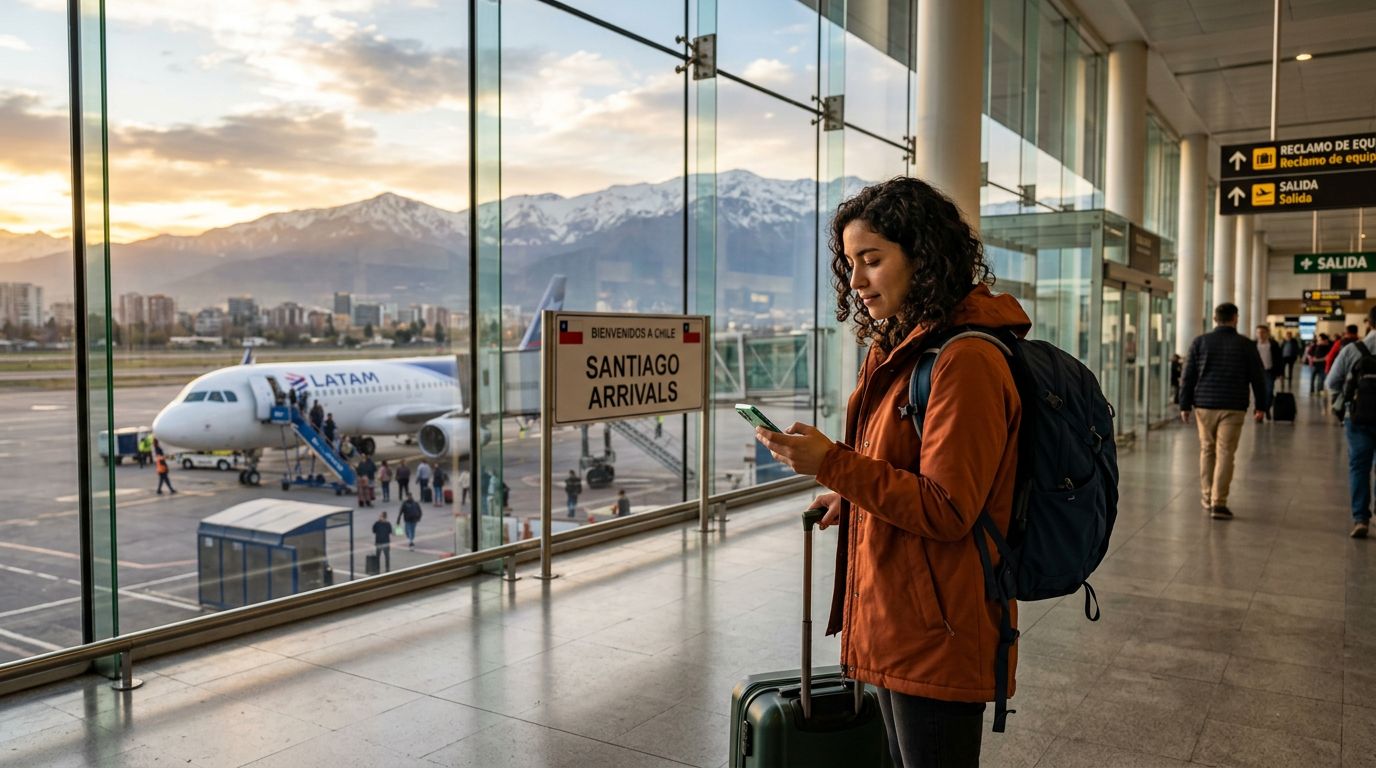
In contrast, an eSIM allows you to set up your connection before you even board your flight. By selecting a provider like OneTapSIM, you can purchase your data package in advance and receive a QR code or an activation link. Once you land in Santiago or any other entry point, you simply activate the profile in your phone’s settings. This saves you valuable vacation time that would otherwise be spent searching for a mobile shop.
Another factor to consider is device compatibility. While most modern smartphones support eSIM technology, it is always wise to check your device settings or the manufacturer's support pages to ensure your specific model is compatible. If your phone is locked to a specific carrier, you may need to contact your home provider to unlock it before you can use a local SIM or an eSIM. This step is necessary regardless of which option you choose, but the digital nature of an eSIM makes it easier to manage multiple profiles if you are traveling through several countries in South America.
Reliability and Network Performance
When traveling across a country as geographically diverse as Chile, network coverage is a top priority. Both physical SIM cards and eSIMs rely on the same local cellular infrastructure. Whether you choose a traditional card or a digital eSIM, you are connecting to the same towers operated by the major Chilean mobile networks. Therefore, the actual signal strength and data speed are determined by the network provider, not the form factor of the SIM.
However, the reliability of your service often depends on how easily you can manage your data. With a physical SIM card, if you run out of data, you may need to find a store or a kiosk to top up your credit. This can be problematic if you are in a remote area, such as the remote regions of Patagonia, where mobile shops are non-existent. An eSIM offers a distinct advantage here; because it is managed entirely through software, you can often purchase additional data or extend your plan through your provider’s app or website, provided you have a temporary Wi-Fi connection.
Using an eSIM also provides a layer of security for your primary phone number. By keeping your home SIM card in your device alongside an eSIM, you can continue to receive important SMS messages or calls from home while using your eSIM solely for local data. This dual-SIM functionality is a significant benefit for travelers who need to stay reachable for work or family emergencies without incurring exorbitant roaming fees.
Ultimately, the choice comes down to your personal preference for hardware versus software. If you prefer the tactile nature of a physical card and do not mind the setup process, a local SIM card remains a functional choice. If you value efficiency, the ability to prepare in advance, and the convenience of not handling tiny plastic components, an eSIM is the superior option for most modern travelers. By choosing a reliable service, you ensure that your focus remains on the breathtaking landscapes of Chile rather than the technicalities of your mobile connection. Whether you are navigating the bustling markets of Valparaíso or the quiet trails of the Lake District, having a reliable data plan ensures you can look up information, navigate with ease, and document your experiences in real-time.
Get an eSIM for
Plans for the destinations covered in this guide, with instant QR delivery.