Understanding the Connectivity Landscape in Chile
Planning a trip to Chile involves managing a vast geography, from the arid landscapes of the Atacama Desert to the icy fjords of Patagonia. Whether you are trekking through Torres del Paine or exploring the vibrant streets of Santiago, staying connected is essential for navigation, translation, and sharing your journey. Travelers often find themselves choosing between the traditional physical SIM card and the modern eSIM technology.
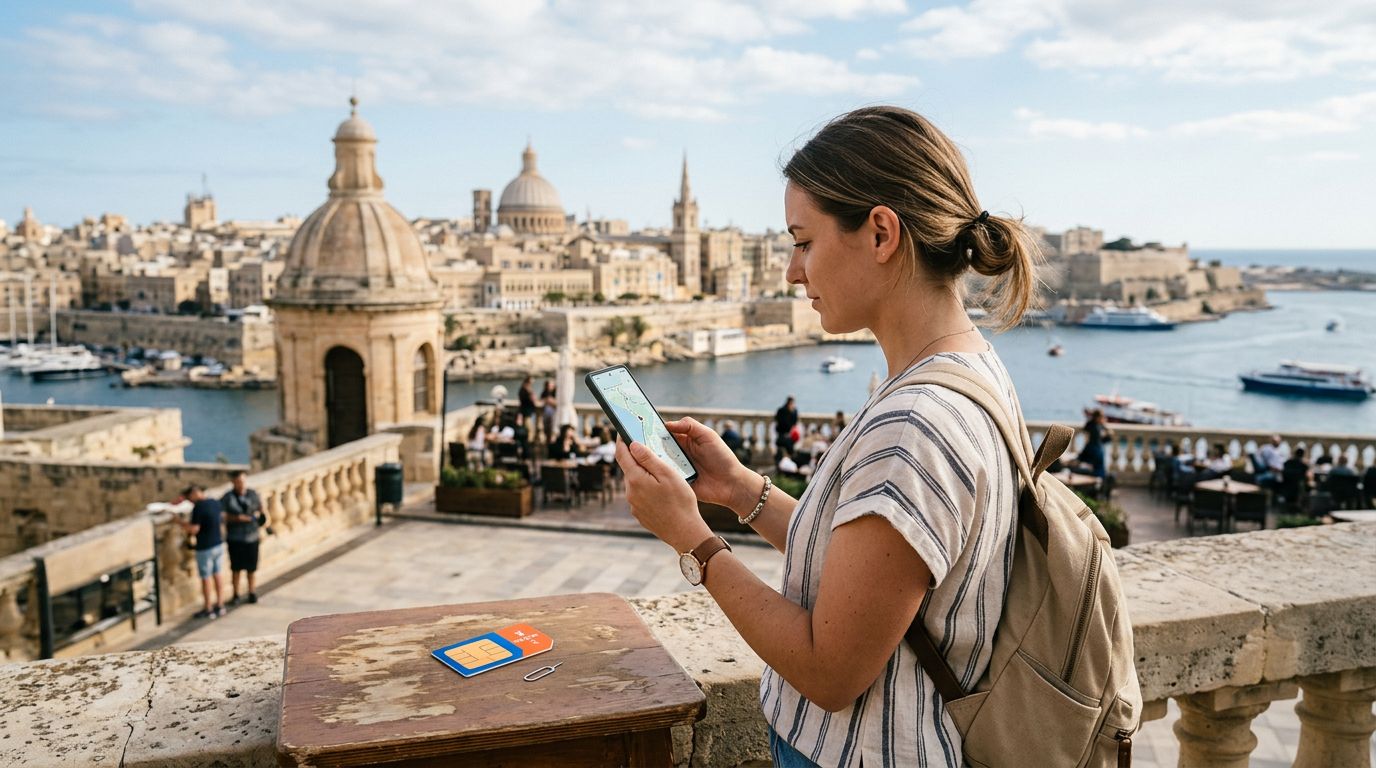
A physical SIM card is the standard plastic chip that has been used in mobile phones for decades. To use one in Chile, you typically visit a local provider’s store upon arrival, present your passport for registration, and swap out your home SIM card. While this method is time-tested, it requires finding a retail location, waiting in queues, and physically handling a tiny, fragile piece of plastic that can easily be lost or damaged.
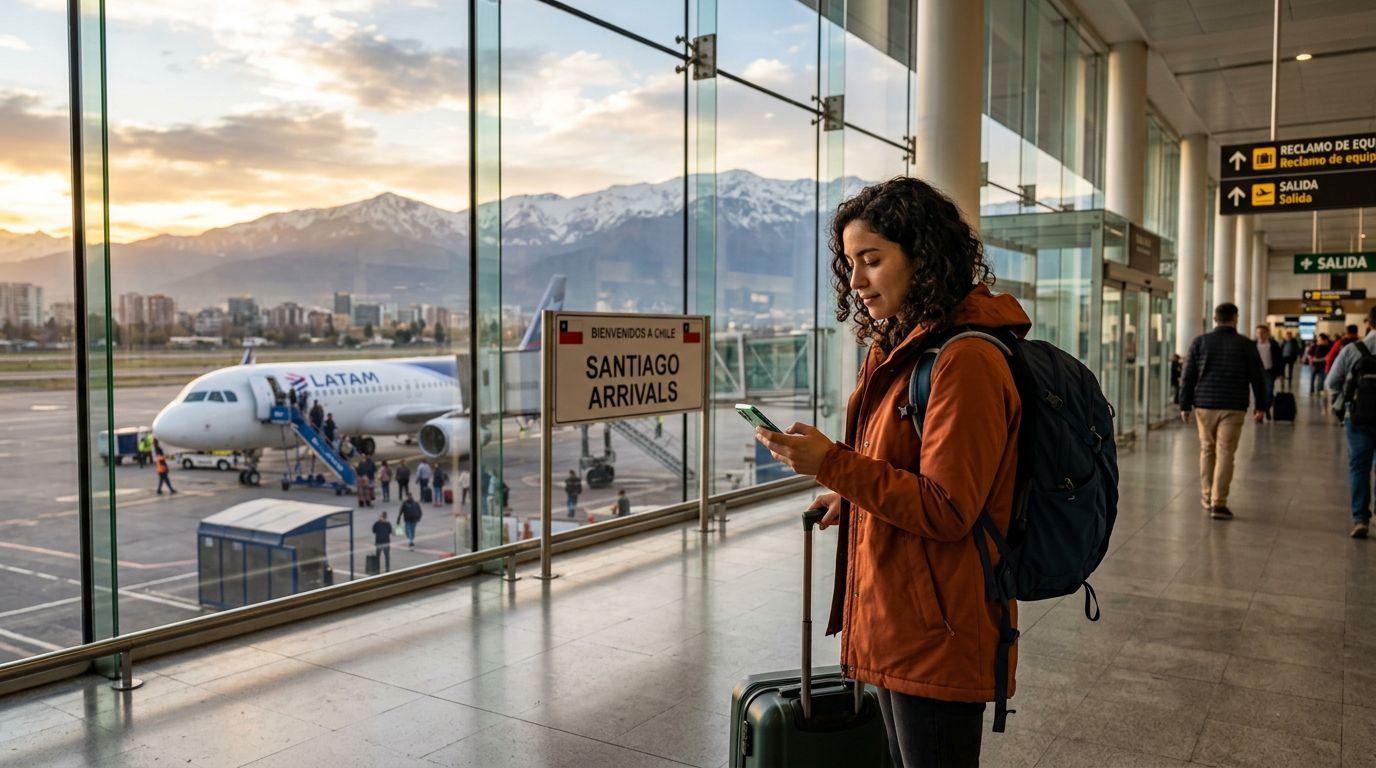
An eSIM, or embedded SIM, is a digital version of that same technology. It is built directly into the hardware of modern smartphones. Instead of inserting a physical card, you download a data profile that activates your cellular service. This shift changes how travelers approach international roaming. Because the eSIM is software-based, you can prepare your connectivity before you even step onto the plane, ensuring you have a signal the moment you land at Arturo Merino Benítez International Airport.
Comparing Convenience and Practicality
When evaluating the Chile SIM card vs eSIM debate, convenience is usually the deciding factor for most international travelers. The traditional process of buying a local SIM card in Chile can be cumbersome. Language barriers at retail kiosks, the requirement to register your passport information in a specific format, and the potential for long wait times can consume precious hours of your vacation. Furthermore, you must keep track of your original home SIM card, which is easily misplaced when swapped out in a busy airport or hotel lobby.
eSIMs eliminate these physical headaches. With a provider like OneTapSIM, you can purchase and install your data plan well in advance. The process involves scanning a QR code or entering manual details provided after your purchase, which configures your phone to connect to local Chilean networks automatically. Since the eSIM lives alongside your primary SIM card, you do not need to remove your home number. This allows you to continue receiving important SMS messages or verification codes from your home bank while using the eSIM for high-speed data.
Another practical advantage of the eSIM is the ability to manage multiple profiles. If your journey takes you across borders—perhaps a side trip to Argentina or Peru—you can switch between pre-installed data plans with a few taps in your phone’s settings. You are no longer tethered to a single physical slot, which makes the eSIM a superior tool for multi-destination travelers who value efficiency and want to avoid the stress of hunting for mobile shops in every new city.
Technical Requirements and Compatibility
Before deciding on your connectivity strategy, you must ensure your device supports the technology you intend to use. Most modern smartphones released in the last few years are eSIM-compatible. However, it is always wise to check your device settings or consult the manufacturer’s support pages to confirm that your specific model is unlocked and capable of handling eSIM profiles. If your phone is locked to a specific carrier from your home country, it may not accept an eSIM from an international provider, which would force you to rely on a physical SIM card or contact your home carrier to request a temporary unlock.
If your device is compatible, the setup process is straightforward. You will need a stable internet connection—such as home Wi-Fi—to download the eSIM profile initially. Once the profile is installed, it remains dormant until you arrive in Chile and enable it. Upon arrival, you simply toggle your data settings to prioritize the eSIM, and your phone will latch onto the local network.
OneTapSIM focuses on streamlining this technical transition. By providing clear instructions and reliable network coverage, the service minimizes the common frustrations associated with international roaming. While physical SIM cards remain a functional backup for older devices or travelers who prefer tactile hardware, the industry is clearly moving toward a digital-first approach. The ability to manage your data usage, monitor your balance, and maintain your primary phone number simultaneously makes the eSIM the preferred choice for modern travelers visiting Chile.
Final Considerations for Your Chilean Adventure
As you weigh the Chile SIM card vs eSIM options, consider the nature of your trip. If you are visiting for a short period and require immediate, reliable data for GPS navigation and local research, the eSIM offers a seamless experience that saves you time and reduces stress. It allows you to hit the ground running, whether you are heading straight to a vineyard in the Maipo Valley or catching a flight to the southern regions.
Conversely, if you are traveling for an extended duration or possess an older device that does not support digital profiles, a physical SIM card remains a viable, albeit less convenient, alternative. You will need to be prepared to navigate local shops and handle the registration process, which can be part of the cultural experience for some, but a hurdle for others.
Ultimately, the goal of any connectivity solution is to enhance your travel experience rather than complicate it. By choosing a solution that aligns with your phone’s capabilities and your personal tolerance for logistical tasks, you can focus on what truly matters: experiencing the breathtaking landscapes and unique culture that Chile has to offer. Whether you opt for the digital flexibility of an eSIM or the traditional route of a physical card, ensuring you have a plan in place before departure is the hallmark of a well-prepared traveler. With the right setup, you can enjoy uninterrupted access to maps, translation tools, and communication throughout your entire Chilean journey.
Get an eSIM for
Plans for the destinations covered in this guide, with instant QR delivery.