Why Travelers Are Switching to eSIM Technology
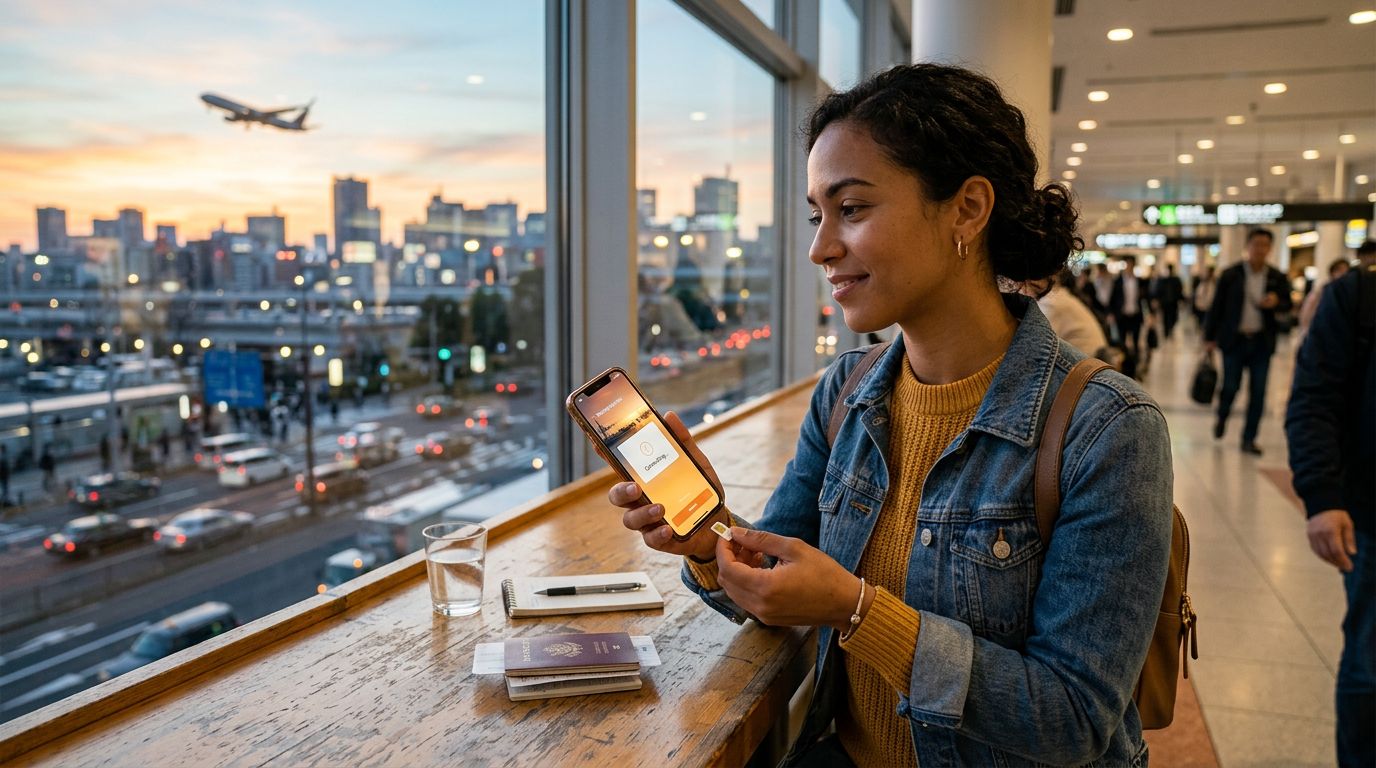
Traveling across borders used to involve a complicated dance of finding local kiosks, swapping out physical SIM cards, and worrying about losing your original chip. For many, the arrival of eSIM technology has completely changed how we stay connected while abroad. An eSIM is a digital version of a traditional SIM card that is embedded directly into your device’s hardware. Because it is software-based, you no longer need to physically open your phone or handle tiny plastic cards that are easily misplaced.
The primary advantage of using an eSIM is the sheer convenience of activation. You can purchase a data plan before you even leave your home, allowing you to land at your destination with immediate connectivity. This means no more searching for airport Wi-Fi to call a ride or struggling to find a local vendor in a foreign language. By choosing a provider like OneTapSIM, you can manage your connectivity needs through a streamlined digital process that respects your time and your travel itinerary.
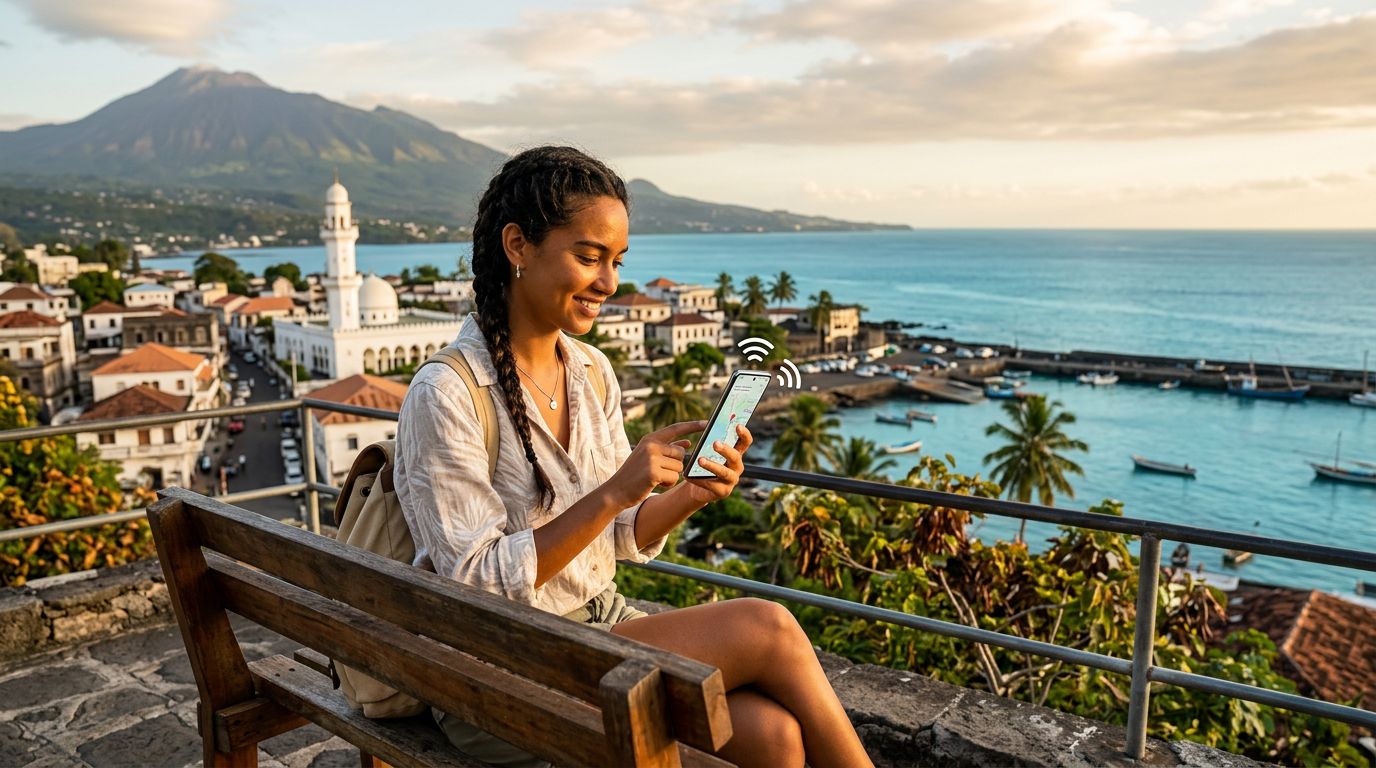
Furthermore, eSIMs allow for dual-SIM functionality. Most modern smartphones allow you to keep your primary phone number active for calls and texts while dedicating the eSIM profile strictly to mobile data. This setup ensures you remain reachable by family and colleagues back home while enjoying high-speed internet for maps, translation apps, and social media at your destination. It is the most efficient way to maintain a digital lifeline without the risk of roaming charges from your home carrier.
How to Identify the Cheapest eSIM Options
Finding the cheapest eSIM requires a shift in how you evaluate mobile data. Many travelers make the mistake of looking only at the total cost, but the true value lies in the balance between data volume, coverage area, and the duration of the plan. When you are searching for the most budget-friendly option, consider your actual usage patterns rather than just picking the largest data bucket available.
Start by assessing your data needs. If you are primarily using your phone for navigation and messaging, a smaller data package will be significantly more affordable than a plan designed for high-definition video streaming. OneTapSIM offers a variety of plan structures that cater to different types of travelers, ensuring you do not pay for data you will not use. By selecting a plan that matches your specific itinerary, you naturally keep your costs lower.
Another factor to consider is the regional scope of the plan. If you are visiting multiple countries, you might be tempted to buy a global plan. However, if your trip is confined to a specific continent or a single country, purchasing a localized plan is almost always the more economical choice. Localized plans are optimized for specific networks, which generally results in both better connectivity and lower costs. Always check if your provider offers regional or country-specific options, as these are often the most cost-effective solutions for focused travel.
Finally, avoid the trap of roaming with your home provider. Even if a local eSIM seems like an extra expense, it is invariably cheaper than the daily roaming fees charged by domestic carriers. By planning ahead and securing your eSIM through a dedicated service, you eliminate the risk of unexpected charges appearing on your monthly statement after you return home.
Ensuring Your Device is Ready for an eSIM
Before you commit to a digital plan, you must ensure your hardware is compatible. Most smartphones released in the last few years support eSIM technology, but it is essential to verify your specific model. Generally, this involves checking your phone’s settings menu to see if there is an option to add a cellular plan or an eSIM profile. If you are using an iPhone, you can check the official Apple support pages to see if your device model supports this feature. Similarly, Android users can consult Google support resources to confirm that their specific device is carrier-unlocked and eSIM-ready.
The most critical requirement is that your phone must be carrier-unlocked. If your device is locked to a specific network provider, it may restrict you from adding an eSIM from a different service. If you are unsure whether your phone is locked, contact your home carrier before your trip to request an unlock. This process can sometimes take a few days, so it is best to handle this well in advance of your departure date.
Once you have confirmed compatibility, the installation process is straightforward. With OneTapSIM, you receive instructions that guide you through the setup, which usually involves scanning a QR code or entering manual details into your phone’s cellular settings. The activation typically takes only a few minutes. Once the profile is installed, you can toggle it on as soon as you arrive at your destination.
Remember to keep your primary SIM card active if you need to receive SMS messages from your bank or home contacts. You can manage these settings in your phone’s cellular menu, choosing which SIM to use for data and which to use for voice. By preparing your device ahead of time, you ensure that your transition to a local network is seamless, allowing you to focus on your trip rather than your technology. With the right preparation and a reliable provider, you can enjoy the benefits of affordable, high-speed data anywhere in the world.