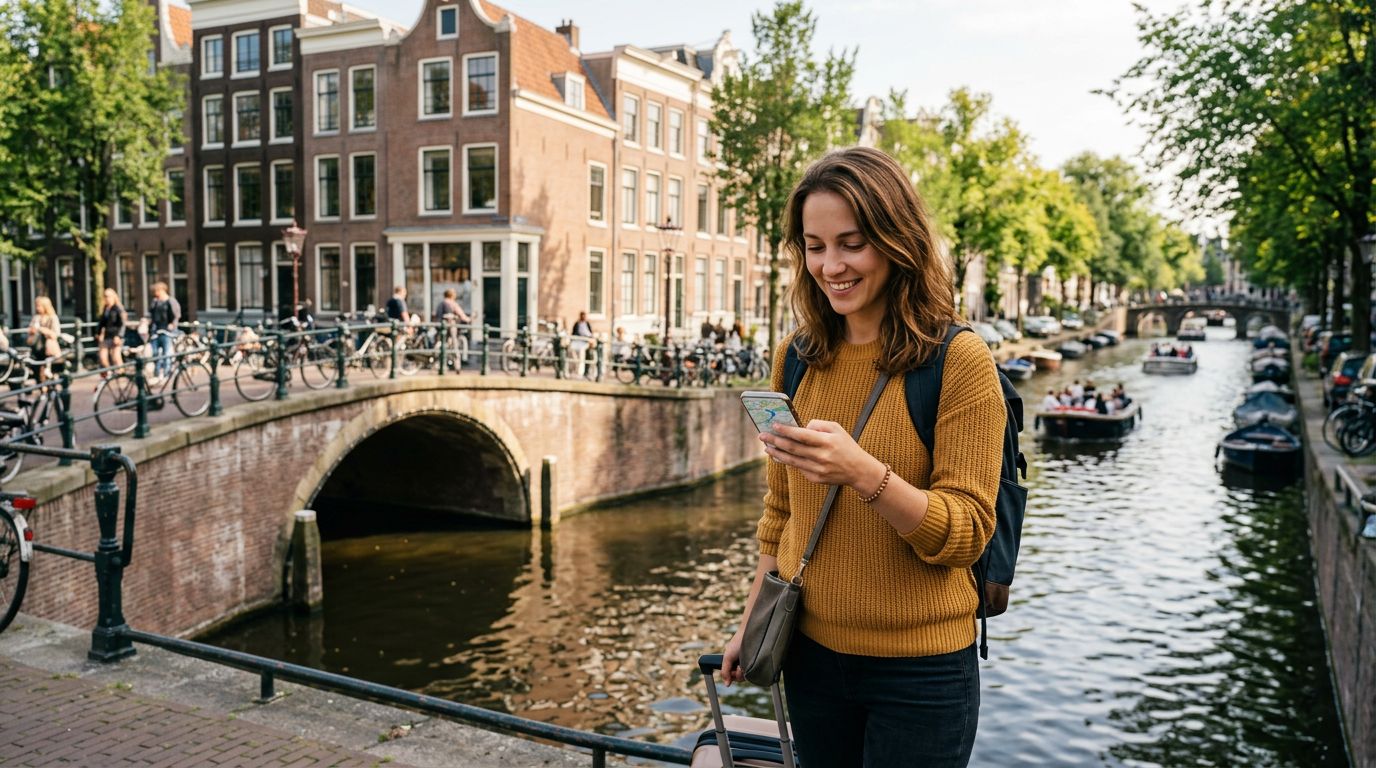
Understanding Your Connectivity Needs in the Netherlands
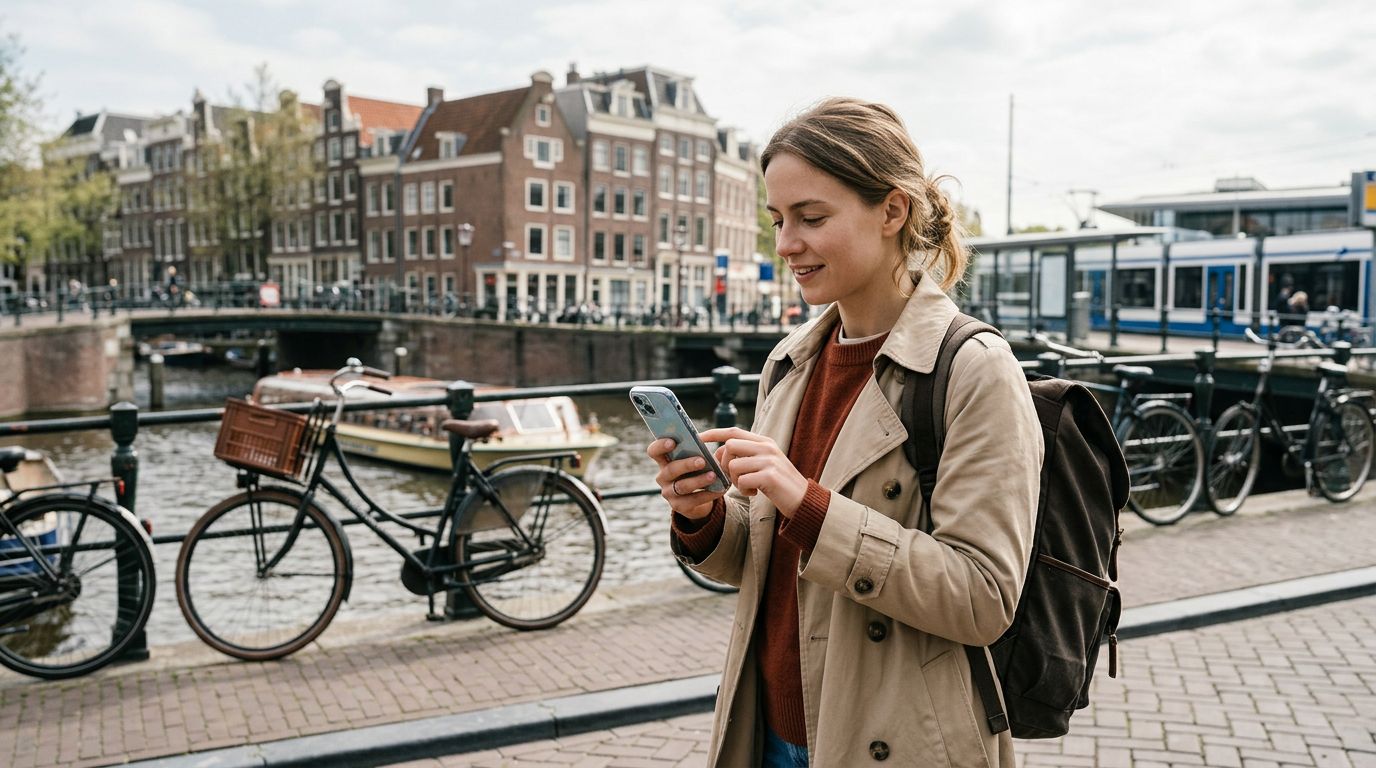
The Netherlands is a country that thrives on connectivity. Whether you are planning to navigate the winding canals of Amsterdam, hop on a train to visit the historic windmills of Zaanse Schans, or simply find the nearest cafe for a stroopwafel, having a reliable internet connection is essential. Without a solid data plan, you might find yourself struggling to load maps, check transit schedules, or share your travel photos with friends and family back home.
For many travelers, the immediate instinct is to rely on public Wi-Fi. While the Netherlands offers excellent public connectivity in train stations, airports, and many cafes, relying on it exclusively can be risky. Public networks are often unsecured, leaving your personal information vulnerable. Furthermore, you may find that the connection drops exactly when you need it most—like when you are standing in the middle of a busy square trying to locate your hotel.
The best way to get data in Netherlands is to opt for a solution that provides consistent, high-speed access without the hassle of physical hardware. This is where eSIM technology changes the game. By moving away from physical SIM cards, you eliminate the need to visit local shops or fiddle with tiny trays and pins. Instead, you can activate your service before you even board your flight, ensuring you are connected the moment your wheels touch the tarmac at Schiphol Airport.
Why eSIM is the Superior Choice for Travelers
If you are wondering why so many modern travelers are switching to eSIMs, the answer lies in convenience and flexibility. An eSIM is essentially a digital version of a traditional SIM card. It is embedded directly into the hardware of your smartphone, allowing you to download a carrier profile remotely.
The primary advantage of this technology is the ability to maintain your primary phone number while using a secondary data plan. This means you can keep your home SIM active for essential calls or texts while dedicating the eSIM to your data usage. When you arrive in the Netherlands, your phone automatically switches to the local network provided by your eSIM, giving you seamless access to navigation, ride-sharing apps, and translation tools.
Using an eSIM also removes the language barrier and the stress of hunting for a physical store in a foreign city. With a service like OneTapSIM, the setup process is streamlined to ensure you spend less time configuring settings and more time exploring the Dutch countryside. Because the process is entirely digital, you avoid the waste associated with plastic SIM cards and the risk of losing them during your travels.
Compatibility is rarely an issue for modern devices. Most smartphones released in the last few years support this technology. You can verify your device's capabilities through your manufacturer’s official support pages, such as those provided by Apple or Google. Once you confirm your phone is unlocked and eSIM-ready, you are prepared to enjoy a stress-free travel experience.
Tips for Managing Your Data Usage Abroad
Even with a reliable data plan, it is wise to manage your consumption to ensure you stay connected throughout your entire trip. The Netherlands is a highly digital society, and you will likely find yourself using data for everything from buying museum tickets to checking the weather.
To maximize your data, start by adjusting your phone’s settings before you land. Most smartphones allow you to see which applications are consuming the most data. Disable background app refresh for non-essential services, such as social media or cloud storage backups, while you are on cellular data. You can always re-enable these features when you are connected to a secure hotel Wi-Fi network.
Navigation apps are a traveler's best friend, but they can be data-intensive. To save bandwidth, consider downloading offline maps for the cities you plan to visit. This allows you to navigate the streets of Utrecht or Rotterdam without needing a constant stream of data. Similarly, if you plan to listen to music or podcasts while traveling between cities, download your content ahead of time.
Finally, keep an eye on your usage through your provider’s dashboard. If you find yourself running low, many digital providers allow you to top up your data instantly via their website or app. By choosing a flexible provider like OneTapSIM, you can monitor your consumption and ensure that you are never left without a map or a ride-share option.
Ultimately, the best way to get data in Netherlands is to prioritize a solution that integrates into your existing device, provides wide network coverage, and offers a simple, user-friendly activation process. By preparing your connectivity strategy before you leave, you turn your smartphone into a powerful travel companion, allowing you to focus on the beauty of the Dutch landscape rather than the frustrations of a lost signal. Whether you are cycling through the streets of Amsterdam or exploring the quiet charm of the coastal towns, having the right data plan ensures that your trip is as smooth and enjoyable as possible.
Get an eSIM for
Plans for the destinations covered in this guide, with instant QR delivery.