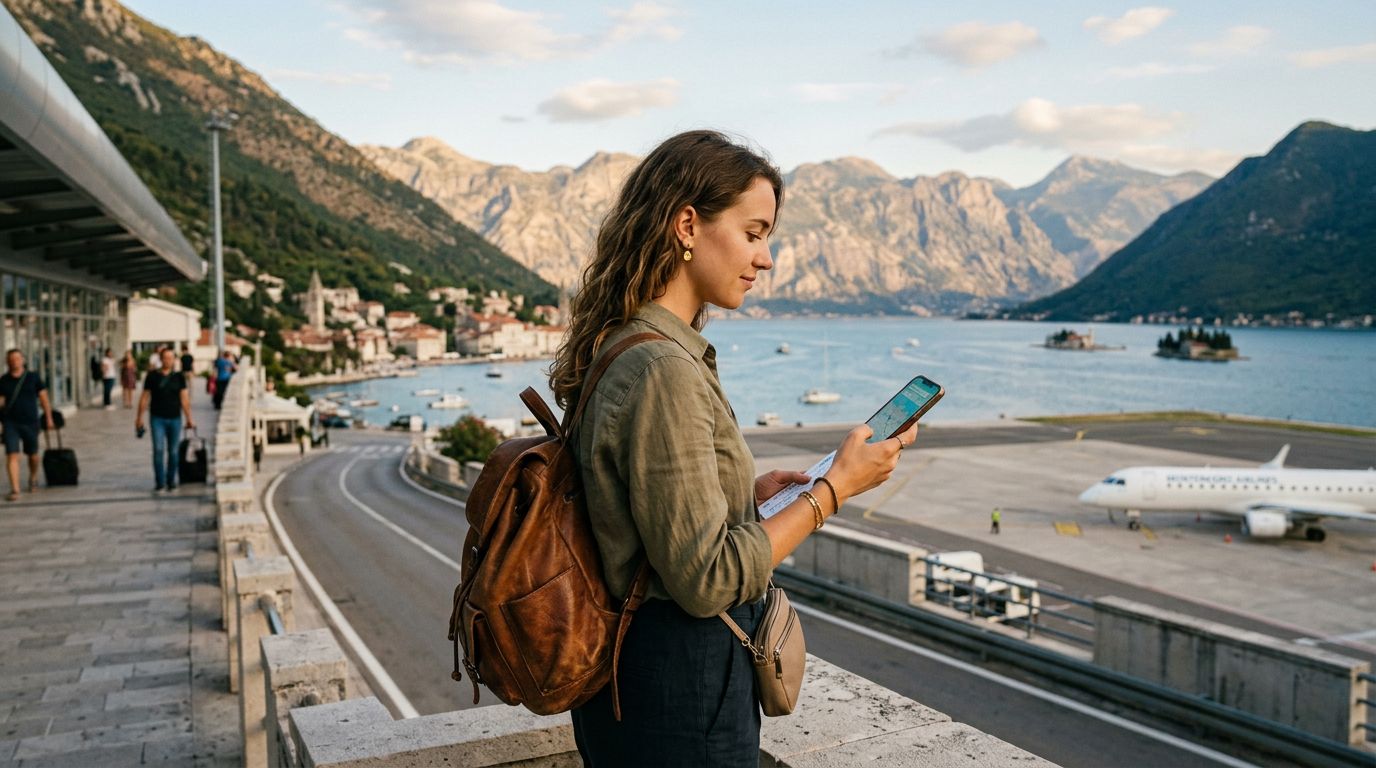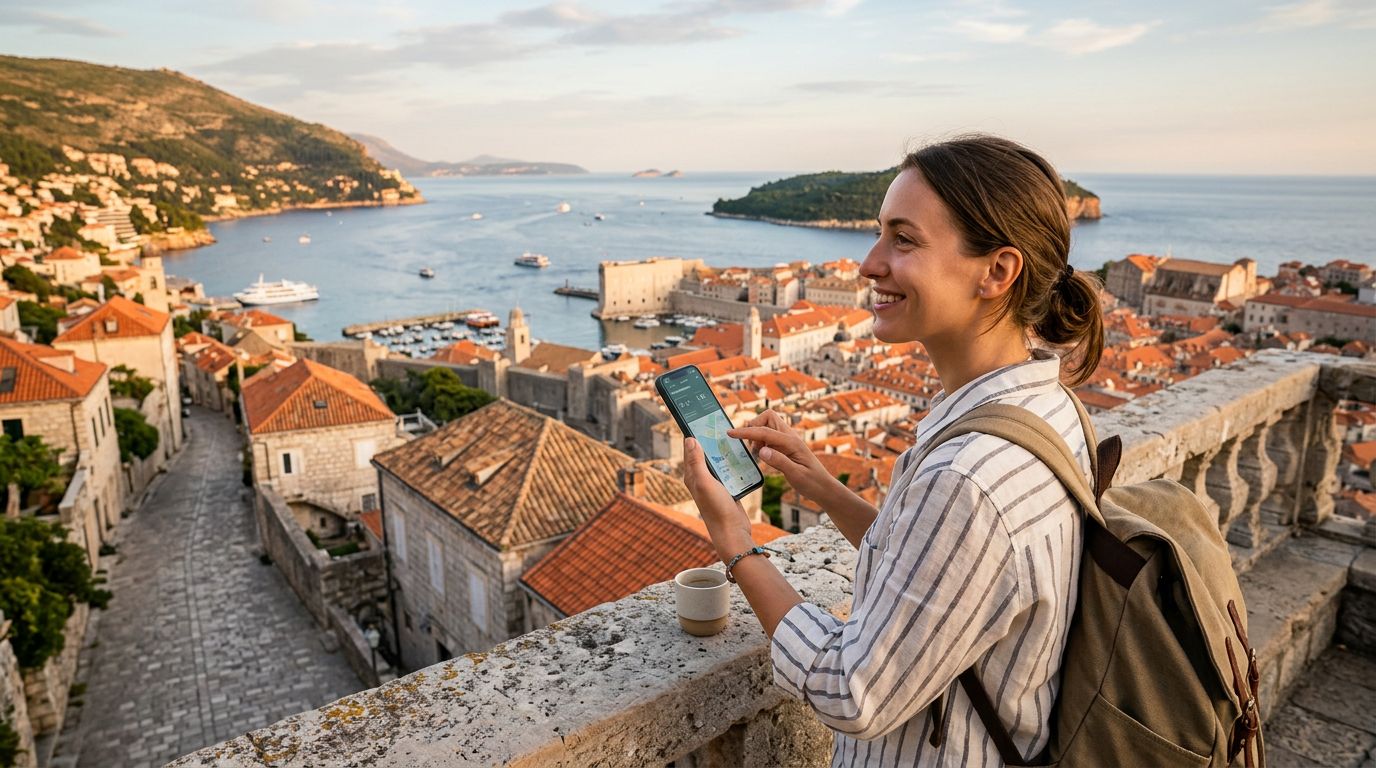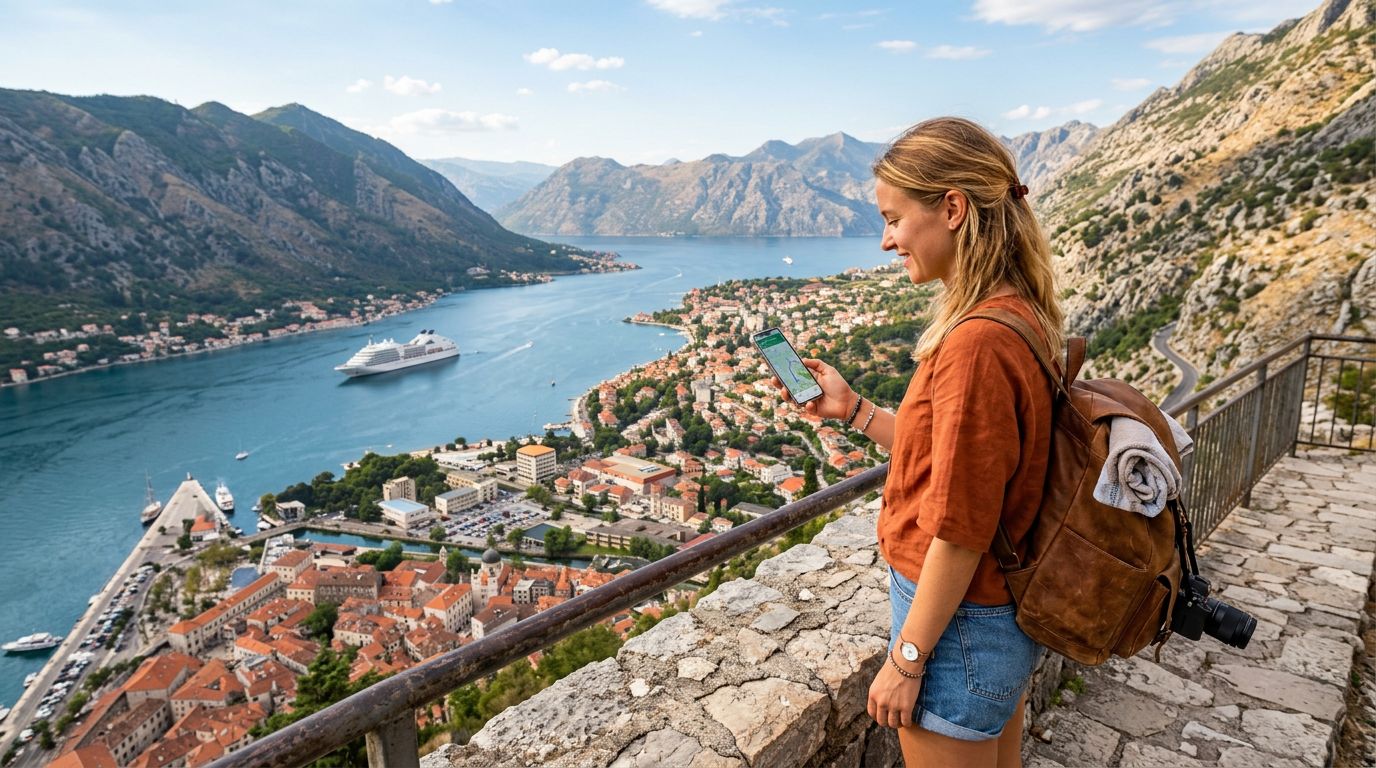
Montenegro is a destination that captivates travelers with its dramatic mountain ranges, crystal-clear Adriatic waters, and medieval coastal towns. Whether you are planning to hike the trails of Durmitor National Park or spend your afternoons wandering the historic streets of Kotor, staying connected is essential. Having reliable internet access allows you to use maps, translate menus, and share your travel experiences in real-time. Finding the best way to get data in Montenegro is the first step toward a stress-free vacation.
Understanding Your Connectivity Options
When you arrive in a new country, you are generally presented with a few standard options for mobile data. Traditionally, travelers relied on local physical SIM cards purchased at kiosks or airport shops. While this method works, it often involves long queues, language barriers, and the inconvenience of swapping out your primary SIM card, which risks loss or damage to your original chip.
Another common choice is international roaming through your home mobile provider. While this is the most convenient option in terms of setup, it is frequently the most expensive. Many domestic carriers charge excessive daily fees or have strict data caps that can lead to unexpected bills upon your return. Furthermore, roaming speeds can sometimes be throttled, making it difficult to load maps or upload photos.
The modern alternative that has gained significant traction is the eSIM. An eSIM is a digital version of a physical SIM card that is embedded directly into your phone’s hardware. By using an eSIM, you can activate a local data plan without needing to visit a physical store or handle small plastic cards. This technology is ideal for travelers who want to maintain their home number for calls and texts while using a separate, affordable data plan for navigation and browsing.
Why eSIMs are the Preferred Choice for Montenegro
The primary advantage of using an eSIM is the seamless activation process. With a service like OneTapSIM, you can purchase and install your data plan before you even board your flight. Once you land in Podgorica or Tivat, your device will automatically connect to a local network, providing you with instant internet access. This eliminates the need to search for a store or struggle with registration forms in a foreign language.
Beyond convenience, eSIMs offer flexibility. If you are traveling through multiple countries in the Balkans, you can manage your data plans through your phone’s settings without needing to swap hardware. This is particularly useful in Montenegro, where you might want to cross the border into neighboring countries for day trips. You can keep your primary SIM active for essential incoming calls while designating your eSIM as the primary source for mobile data, ensuring you never run out of connectivity.
Device compatibility has also improved significantly. Most modern smartphones support eSIM functionality. If you are unsure if your device is capable, you can check your phone’s settings or visit official support pages from manufacturers like Apple or Google to verify your model’s capabilities. Once you confirm that your device is unlocked and eSIM-ready, the transition to digital connectivity is straightforward and permanent.
Tips for Managing Data Usage While Traveling
Even with a reliable data plan, it is wise to manage your consumption to ensure you have enough coverage for the duration of your trip. Montenegro offers plenty of opportunities to disconnect, but having data when you need it is invaluable.
First, adjust your phone’s settings to restrict background data usage for non-essential applications. Many apps consume data by updating content or syncing files in the background without you realizing it. By disabling this feature for apps like social media or cloud storage, you can significantly extend the life of your data package.
Second, download offline maps before you leave your accommodation. While you will likely have a solid connection, there are remote areas in the Montenegrin mountains where signal strength may fluctuate. Having offline maps ensures that you can always find your way back to your hotel or the next viewpoint, regardless of your current connection status.
Third, utilize Wi-Fi whenever it is available at your hotel, cafe, or restaurant. Save your mobile data for when you are on the move. By offloading heavy tasks like downloading large files or updating your operating system to a stable Wi-Fi connection, you preserve your mobile data for essential tasks like using navigation apps, checking train schedules, or looking up historical facts about the sites you are visiting.
Finally, consider the length of your stay. If you are visiting for a short weekend, a smaller data package will suffice. If you plan on traveling for several weeks, look for plans that offer more generous data allowances. A service like OneTapSIM provides various options tailored to different travel durations, allowing you to choose the plan that best fits your itinerary. By planning ahead and choosing the right technology, you can focus on the beauty of the Bay of Kotor or the tranquility of Lake Skadar rather than worrying about your phone’s connectivity.
The best way to get data in Montenegro is to opt for a solution that prioritizes ease of use and reliability. By embracing eSIM technology, you remove the logistical hurdles of international travel and ensure that your smartphone remains a helpful tool throughout your journey. Whether you are navigating the winding roads of the coast or exploring the depths of the Tara River Canyon, having a consistent data connection will undoubtedly enhance your experience in this stunning Balkan gem.
Get an eSIM for
Plans for the destinations covered in this guide, with instant QR delivery.